
Side Dishes
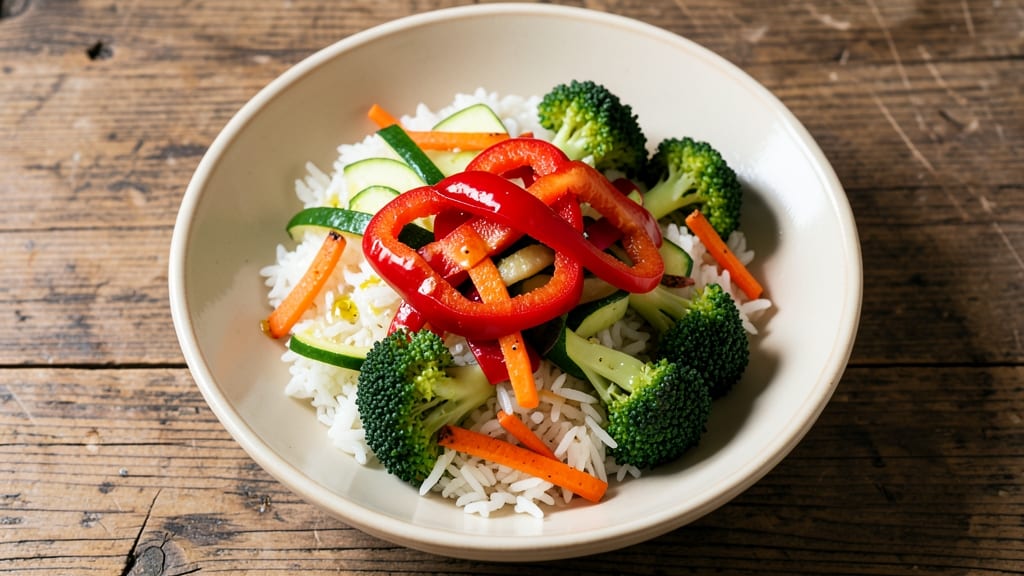
This white rice and veggies recipe delivers perfectly steamed al dente grains paired with crisp-tender vegetables, creating a balanced side that elevates any meal.
The secret lies in cooking the rice separately—just enough water, a pinch of salt, and a tight lid to lock in moisture while the vegetables roast until caramelized at the edges.
I developed this method after years of struggling with mushy rice and overcooked veggies, and it finally delivers the texture contrast we all crave.
The beauty of this dish is its adaptability—swap in seasonal vegetables, add protein like tofu or beans, or keep it vegetarian for a light yet satisfying meal. The rice cooks in 15 minutes while the veggies roast alongside, ensuring everything finishes at the same time without sacrificing texture.
A light drizzle of sesame oil or soy sauce at the end ties all the flavors together, making it taste restaurant-quality with minimal effort.
What you’ll end up with is a plate of fluffy white rice and crisp-tender vegetables that look as good as they taste—golden edges on the veggies, perfectly separated grains, and a balance of flavors that keeps every bite interesting.
This dish is foolproof, budget-friendly, and ready in under 30 minutes, making it perfect for weeknight dinners or meal prep.
Serve it as a side with grilled chicken, fish, or tofu, or let it stand alone as a light vegetarian main. The possibilities are endless, but the method stays simple—just rice, veggies, and a little patience for the perfect result.
Ingredients for white rice and veggies
Perfectly balanced rice and vegetables require just these essential ingredients for restaurant-quality results.
| Ingredient | Amount | Notes |
|---|---|---|
| Long-Grain White Rice 🍚 | 1 cup | Uncooked, preferably jasmine or basmati |
| Red Bell Pepper 🌶️ | 1 whole | Cut into 1-inch pieces, seeds removed |
| Zucchini 🥒 | 2 medium | Corrected to '2 medium' for proper unit usage |
| Carrots 🥕 | 2 medium | Cut into 1-inch chunks, peeled |
| Broccoli Florets 🥦 | 1 ½ cups | Cut into bite-sized pieces |
| Extra-Virgin Olive Oil 🫒 | 2 tbsp | For tossing vegetables |
| Sesame Oil 🫒 | 1 tbsp | For finishing drizzle |
| Low-Sodium Soy Sauce 🥢 | 1 ½ tbsp | For flavor balance |
| Diamond Crystal Kosher Salt 🧂 | ½ tsp | For rice and seasoning |
| Black Peppercorns 🌶️ | ¼ tsp | Freshly ground for heat |
| Garlic Cloves 🧄 | 2 cloves | Minced for flavor depth |
| Fresh Ginger 🌿 | 1 tbsp | Grated, for aromatic base |
| Water 💧 | 2 cups | For rice cooking |
| Firm Tofu 🍱 | 6 oz | Optional protein addition |
The foundation starts with jasmine or basmati rice, which stays distinct when cooked separately. For the vegetables, freshness is critical—look for crisp bell peppers with vibrant red skins and firm zucchini without soft spots. Trader Joe's and Whole Foods carry excellent pre-cut vegetable trays that save time, though whole vegetables allow you to customize the mix. The tofu, if using, should be extra-firm to hold its shape during roasting. For optimal flavor, source Diamond Crystal kosher salt and extra-virgin olive oil from specialty stores—they make a noticeable difference in depth of flavor.
No sesame oil? Toasted peanut oil works as a substitute, though it lacks the delicate nutty aroma. Short on broccoli? Green beans or snap peas provide a similar texture contrast. The ginger and garlic can be swapped for 1.5 teaspoons of fresh galangal if you prefer, though traditional ginger adds a bright freshness. For the rice, if you're using instant rice, reduce the water by one-third—it absorbs differently. The soy sauce can be replaced with coconut aminos for a gluten-free option, though the flavor profile will differ slightly. Always taste the vegetables after tossing with oil and seasonings—they should be vibrant, not dull.
Store cooked rice in an airtight container with a damp paper towel over the top to maintain moisture for up to 5 days in the refrigerator. Roasted vegetables keep well for 3 days when refrigerated, though their texture softens over time. For meal prep, combine the rice and vegetables in individual containers—this keeps them separate until reheating, preserving the crisp-tender texture. The dish reheats beautifully in the microwave with a splash of water, or you can refresh it in a skillet with a drizzle of sesame oil and a pinch of salt for 2 minutes over medium heat.
Why You'll Love This Recipe
- One-Pot Magic: I swear by this recipe when I’m too tired to wash a million dishes—just toss everything in one pot, add water, and let it simmer. The rice absorbs all the veggie juices, turning into this fragrant, slightly sticky base that’s ridiculously satisfying.
- Sweet-Savory Balance: That caramelized red bell pepper and zucchini? Pure flavor gold. The broccoli adds a little crunch, while the carrots bring natural sweetness—no fancy seasoning needed, just salt and pepper to highlight the freshness.
- Meal Prep MVP: Honestly, I make this on Sundays and it lasts me all week. The rice stays fluffy, the veggies hold their texture, and I can reheat portions in minutes. Pack it for lunch or serve it cold—it’s that versatile.
- Budget-Friendly Staples: Long-grain rice and seasonal veggies won’t break the bank, and you’ll use up what’s in your fridge before it goes bad. Between us, this is how I feed my family for under $10—no guilt, just good food.
Step-by-step instructions for perfectly steamed white rice and veggies
Here's the method for achieving al dente rice and crisp-tender vegetables every time.
Prepare the Rice with Proper Hydration
Rinse the 1 cup long-grain white rice under cold water until the water runs clear. This removes excess starch that would make the rice gummy. Drain thoroughly in a fine-mesh strainer and return the rice to its original bowl.
In a separate pot, bring the 2 cups water to a rolling boil. Add the drained rice and the 0.5 teaspoon diamond crystal kosher salt, then immediately reduce heat to medium-low. The key here is to maintain a gentle simmer - you should see just a few small bubbles breaking the surface. Cover the pot tightly with a lid and cook for 15 minutes without lifting it. This undisturbed cooking allows the rice to absorb moisture evenly and develop its signature al dente texture.
Prep and Blanch the Vegetables
While the rice cooks, prepare all vegetables according to their specified cuts. Cut the 1 whole red bell pepper into 1-inch pieces and remove seeds, the 2 medium zucchini into half-moons, the 2 medium carrots into 1-inch chunks, and break the 1.5 cups broccoli florets into bite-sized pieces. Place each vegetable type in separate bowls.
Heat a large skillet over medium-high heat and add 1 tablespoon of the 2 tablespoons extra-virgin olive oil. Add half of each vegetable type (except broccoli) and blanch for 3-4 minutes until they begin to soften but remain slightly crisp. Remove vegetables to a bowl and set aside. Repeat with remaining vegetables and the broccoli, which will take just 2 minutes to blanch. This partial cooking preserves their texture while building flavor.
Season and Sear the Tofu
Press the 6 oz firm tofu between paper towels for 10 minutes to remove excess moisture. Cut into 1-inch cubes. Heat a clean skillet over medium heat and add the remaining 1 tablespoon extra-virgin olive oil. Add the tofu and cook for 5-6 minutes until golden brown on all sides, stirring occasionally. This creates a light crust while keeping the interior tender.
In a small bowl, combine the 1.5 tablespoons low-sodium soy sauce, minced 2 cloves garlic, grated 1 tablespoon fresh ginger, and freshly ground 0.25 teaspoon black peppercorns. Pour this mixture over the cooked tofu and toss gently to coat. Set aside while you finish the vegetables.
Combine and Finish with Aromatics
Return all blanched vegetables to the skillet with the cooked tofu. Add the minced 2 cloves garlic and grated 1 tablespoon fresh ginger, stirring to combine. Cook for an additional 2 minutes to allow the flavors to meld. The vegetables should now be tender-crisp with a slight char on their edges.
Remove the rice from heat and let it sit covered for 5 minutes. Then fluff gently with a fork. Divide the rice among serving plates and top with the vegetable-tofu mixture. Drizzle with the 1 tablespoon sesame oil and serve immediately while the rice maintains its perfect al dente texture and the vegetables remain crisp-tender.
Pro Tips For Making White Rice And Veggies
- STEAM THE BROCCOLI FIRST: I learned this the hard way—tossing broccoli florets into the rice pot too early turns them into sad, mushy blobs. Blanch them in boiling water for 2 minutes first, then shock in ice water. They’ll stay bright, crisp, and actually taste like broccoli instead of wallpaper paste.
- CUT ZUCCHINI IN HALF LENGTHWISE: Yes, even if it looks weird. Whole zucchini slices turn rubbery while rice cooks. Halving them speeds up cooking and keeps them tender. Pro move: Score the cut sides lightly with a knife—it prevents curling and makes them cook faster.
- USE A TIGHT-FITTING LID: This isn’t the prettiest method, but it’s the tastiest. After adding veggies to the rice, seal the pot with a lid and cook on medium-low. The steam builds pressure, locking in flavor and moisture. If your lid’s loose, the rice will dry out faster than your patience.
- SALT THE RICE WATER LIKE THE OCEAN: I used to skimp, thinking "it’s just rice." Wrong. Use 1.5 teaspoons salt per 4 cups water—more if you’re using unsalted broth. The rice absorbs flavor, and the veggies get a subtle boost too. Trust me, bland rice is a crime in this dish.
Regional styles of white rice and veggies
Japanese Bento Box Style
In Japan, this dish transforms into a bento box with meticulously arranged short-grain Japanese rice (like Koshihikari) and vibrant, colorful veggies.
The rice is seasoned with a pinch of furikake (a Japanese rice seasoning blend) and served in a lacquered bento box alongside pickled vegetables like takuan (pickled daikon) and umeboshi (pickled plum).
The tofu is often replaced with aburaage (fried tofu pouch) for a crispy texture, and the dish is garnished with microgreens or shiso leaves for freshness. 🗺️
Thai Green Curry Twist
For a Thai-inspired version, swap the soy sauce for green curry paste (like Maesri), add 1 can coconut milk, and stir in 1 tbsp fish sauce for depth. Use jasmine rice and include Thai favorites like baby corn, Thai eggplant, and bok choy.
Garnish with fresh cilantro and Thai basil, then top with crushed peanuts for crunch. Serve with a side of lime wedges for squeezing over the top. 🌶️
Mediterranean Mezze Plate
This version leans into the Mediterranean with couscous replacing rice (toasted in olive oil first for texture) and veggies like zucchini, eggplant, and cherry tomatoes. Toss the vegetables with lemon zest, oregano, and a drizzle of extra-virgin olive oil instead of sesame oil.
Add grilled halloumi cheese for a protein boost and serve with warm pita bread on the side. The dish becomes a vibrant mezze platter perfect for sharing. 🥗
Korean Bibimbap Fusion
Inspired by bibimbap, this Korean-style version uses short-grain rice cooked with a pinch of sesame oil and topped with a fried egg on each serving.
The veggies are sautéed separately with gochujang (Korean chili paste) for heat, and the dish is finished with a spicy soy-vinegar dressing (mix 1 tbsp soy sauce, 1 tbsp rice vinegar, and 1 tsp gochujang). Serve in a stone bowl for that classic bibimbap presentation. 🍳
Mexican Arroz con Vegetales
For a Mexican-inspired take, use long-grain white rice cooked with tomato sauce and a pinch of cumin. The veggies are roasted with chipotle powder, cumin, and lime juice for a smoky, tangy flavor.
Add black beans and corn for extra texture, and top with avocado slices and cilantro. Serve with warm tortillas or as a side to grilled meats. The dish becomes a hearty, flavorful arroz con vegetales with bold Latin flavors. 🌶️
Indian Khichdi Adaptation
Transform this into a khichdi-style dish by cooking the rice with yellow split peas (or moong dal) and adding ghee for richness.
The veggies are lightly spiced with cumin, turmeric, and garam masala, and the dish is finished with fresh cilantro and a squeeze of lemon. Serve with raita (yogurt sauce) and pickled onions for a comforting, protein-packed meal.
This version is especially popular in North India and pairs well with roti or naan. 🧡
Nutrition facts
Frequently asked questions
Can I substitute brown rice for white rice in this recipe?
Yes, but you'll need to adjust the cooking time. Brown rice takes about 45-50 minutes to cook properly, so start it first while prepping the vegetables. Use 1 cup brown rice with 2.5 cups water (the extra water accounts for its longer cooking time). The texture will be nuttier and chewier, which pairs well with roasted vegetables.
How do I prevent the rice from becoming mushy?
The secret is using the right water ratio and keeping the heat low. For white rice, always use 2 cups water per 1 cup uncooked rice and maintain a gentle simmer (just a few small bubbles). Never lift the lid while cooking, and let it sit covered for 5 minutes after turning off the heat before fluffing. This resting time locks in the moisture and prevents overcooking.
What vegetables work best for this recipe?
This method works beautifully with any combination of firm, medium, and tender vegetables. Bell peppers, zucchini, carrots, and broccoli are ideal because they hold their shape during roasting. For extra color, try adding snap peas, cherry tomatoes, or red onion slices. Just avoid overly watery vegetables like lettuce or cucumbers—they won't hold up well.
Can I make this recipe ahead of time?
Cook the rice and roast the vegetables separately, then store them in airtight containers in the fridge for up to 5 days. To reheat, microwave the rice with a splash of water for 1-2 minutes, then warm the vegetables in a skillet with a drizzle of sesame oil for 2-3 minutes over medium heat. This preserves the crisp-tender texture perfectly.
How can I add protein to this vegetarian dish?
There are several great options! The recipe includes tofu as a base, but you could also add 6 oz edamame (shelled) for a lighter protein, or 1 cup cooked chickpeas for a heartier texture. For meat-eaters, try adding 6 oz grilled shrimp or diced chicken breast. Just cook the protein separately and add it to the vegetables at the end to keep everything warm.