
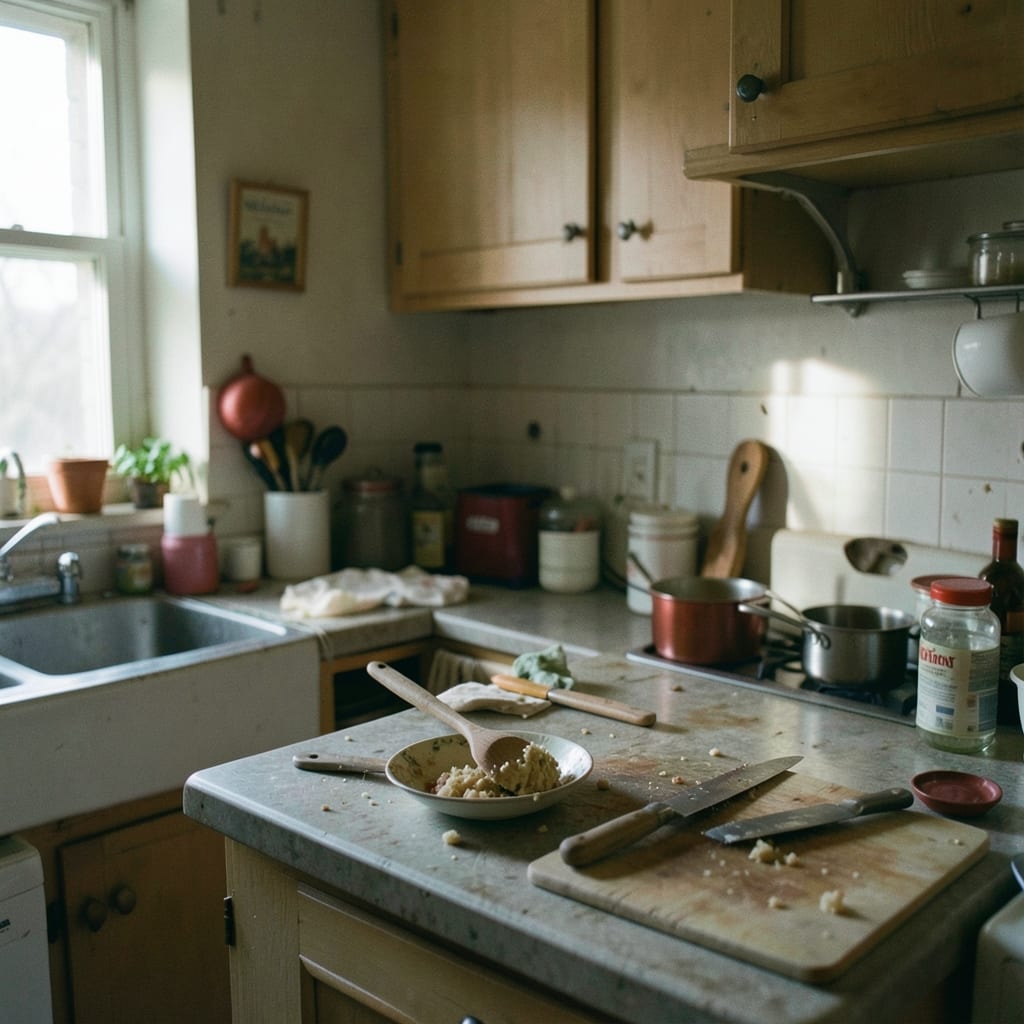
Welcome to Rice Recipes Sack
You’ve opened a recipe and the first step is *steam the rice*—but the instructions don’t say how long, or how to tell when it’s done. The grains stick together in a single lump, or worse, burn at the edges while the center stays raw.
There’s no room for mistakes when rice is the foundation of the meal.
This site is for the moments when a recipe’s success depends on the rice—and the rice depends on you. Whether you’re making a fragrant pilaf, a creamy risotto, or a simple side, we break down the technique so it works the first time. No guesswork. No wasted grains.
Our story
The first time Ira Dubois tasted rice cooked properly—steamed just right, with grains separate and fragrant—she was twelve, in her grandmother’s kitchen in Louisiana. The rice wasn’t just a side; it was the star. But most recipes treated it like an afterthought, a step skipped or rushed.
That stuck with her.
Years later, she started writing down the methods that worked: the exact water-to-rice ratio, the lid left slightly ajar, the moment the grains turn fluffy but still hold their shape. The first drafts were messy—some recipes failed, others took hours to perfect.
But the pattern was clear: rice isn’t just an ingredient. It’s the difference between a good dish and a great one.
The turning point was a Sunday afternoon in 2022, at 3:17 PM, when a batch of jasmine rice turned out perfectly for the third time that week. The grains were distinct, the aroma filled the room, and the texture was just right.
That’s when the site became more than notes—it became a promise: no more recipes where the rice is an afterthought.
What we stand for
We believe rice deserves the same care as every other ingredient in a dish. It’s not a filler; it’s the backbone. That means no half-measures—no ‘cook until done’ instructions, no ‘adjust to taste’ without telling you how.
What you will always get here
- Rice steamed to the exact texture—never mushy, never underdone.
- Recipes where the rice is the star, not an afterthought.
- Clear steps with no skipped details, tested in real kitchens.
- Dishes that work whether you’re cooking for one or ten.
Meet the team

Behind *Rice Recipes Sack* is a small team of writers who’ve spent years perfecting the art of rice—from the science of steaming to the flavors that make it unforgettable.
Each brings their own background: a chef’s precision, a home cook’s intuition, and a shared belief that rice is worth getting right.
Ira Dubois
Ira Dubois is the founder and editor of *Rice Recipes Sack*, and her approach to rice is shaped by two things: her grandmother’s Louisiana kitchen and the frustration of recipes that treat rice as an afterthought.
She started writing down methods after years of testing—some recipes took dozens of attempts to get the rice right. Now, she leads the site’s focus on technique, ensuring every dish begins with perfectly steamed grains.
Before this, she worked as a line cook in New Orleans, where she learned that rice isn’t just a side—it’s the heart of the meal. On her desk, there’s always a small ceramic bowl where she tests each batch of rice before it’s written into a recipe.
She still gets the water temperature wrong on her first try, but that’s part of the process.
I don’t care how fancy the dish is—if the rice isn’t right, nothing else matters. That’s why we start with the grains, not the garnish.
Ira Dubois
How we create our content
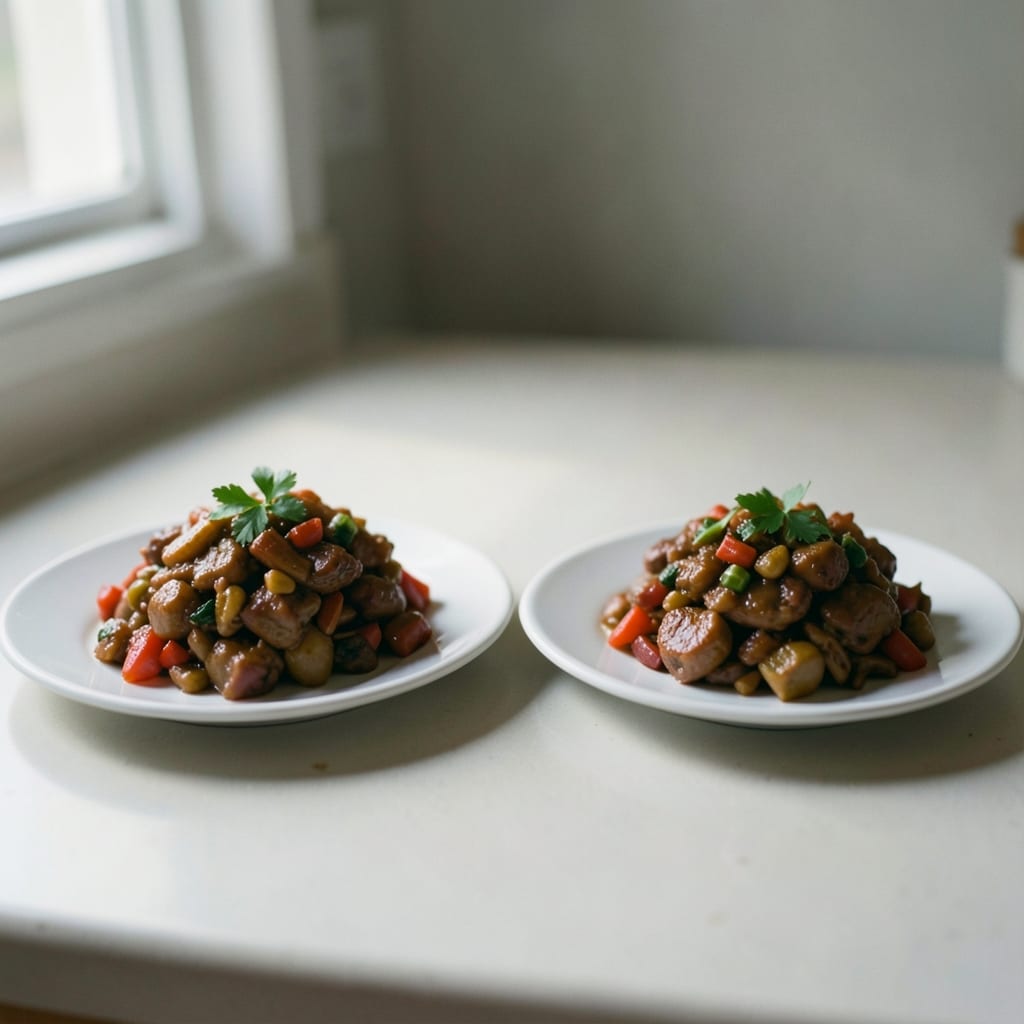
Every recipe here begins with a question: *What happens if we treat the rice like the main event?* The process starts with research—what works in professional kitchens, what fails at home—and ends with two tests: one in our kitchen, one with someone who’s never made the dish before.
Only then do we write it down.
Step 1: the perfect steam
We measure rice and water by weight, never volume—1:1.2 for white rice, 1:1.5 for jasmine. The pot is always a heavy-bottomed one, and the water is brought to a rolling boil before the rice goes in.
The lid stays on for 12 minutes, then we fluff the grains with a fork and let them rest, covered, for another 5 minutes. No peeking. No stirring.
The key is the temperature: too high, and the rice burns at the edges; too low, and it stays undercooked. We use a thermometer to confirm the water reaches 212°F (100°C) before adding the rice, and we never skip the rest time.
That’s when the grains firm up and separate—no more clumps, no more guesswork.
Step 2: the fix
If the rice is too dry, we add a splash of hot water and cover it again. If it’s mushy, we spread it on a tray and let it cool, stirring occasionally. The goal isn’t perfection on the first try—it’s knowing exactly how to adjust.
Every recipe includes these fixes upfront, so you don’t waste a pot of rice figuring it out.
Join our community
This site answers the questions that other recipes ignore: *Why does my rice stick together?* *How do I know when it’s done?* *Can I use brown rice in this dish?* We also collect your suggestions—what worked for you, what didn’t—and refine the recipes based on real feedback.
If you’ve got a method that saves time or flavor, we want to hear it.
Let's connect
We love hearing about the dishes you’ve made, the rice varieties you’ve discovered, or even the mistakes that taught you something new. If you’ve got a story or a question, the contact page is where to share it. Let’s keep the conversation going—one grain at a time.
The recipes are grouped by category: Appetizers, Beverages, Breakfast & Brunch, Desserts, Main Courses and Reviews.