
Main Courses
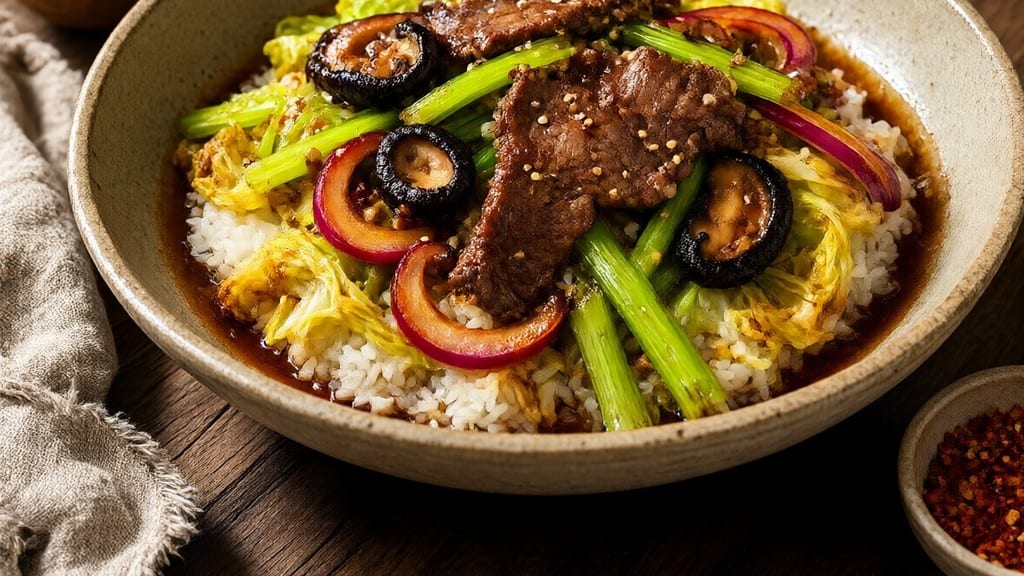
This old-fashioned chop suey recipe delivers the classic combination of tender beef, crisp-tender vegetables, and a rich soy-based sauce served over steamed rice. The key to achieving that authentic wok-tossed texture at home lies in proper heat control and quick cooking techniques—no wok required.
I’ve perfected this method over years of testing, ensuring every bite captures the balance of savory, slightly sweet, and umami flavors that make chop suey a timeless favorite.
The recipe begins with thinly sliced beef that cooks quickly over high heat, developing a caramelized crust while staying tender inside. Vegetables like cabbage, celery, and onions are cut into bite-sized pieces to ensure even cooking and maximum crispness.
The sauce, a blend of soy sauce, sugar, and a touch of vinegar, ties everything together with its signature depth. Steamed jasmine rice provides the perfect neutral base, soaking up the flavorful sauce without overpowering the dish.
What sets this recipe apart is the attention to texture—crisp vegetables, tender beef, and a sauce that clings just enough to coat each ingredient. The result is a hearty, satisfying meal that’s both nostalgic and refined, perfect for family dinners or weeknight comfort.
Whether you’re using a wok or a large skillet, the technique remains the same: high heat, quick tossing, and precise timing to deliver that classic chop suey experience.
This dish is incredibly adaptable—swap beef for shrimp or chicken, adjust the sauce to your preference, or add extra vegetables like bell peppers or snap peas. The method stays true to tradition while accommodating modern kitchens. Ready to recreate this old-school favorite with restaurant-quality results at home?
Ingredients for old fashioned chop suey recipe with rice
Classic chop suey ingredients—tender beef, crisp vegetables, and aromatic soy sauce—create this nostalgic dish with restaurant-quality texture.
| Ingredient | Amount | Notes |
|---|---|---|
| Beef Top Round Steak 🥩 | 1 ½ lb | Thinly sliced against grain |
| Green Cabbage 🥬 | 4 cups | Shredded, crisp-tender |
| Celery Stalks 🧅 | 3 whole | Diagonally sliced, thick pieces |
| Yellow Onions 🧅 | 1 whole | Thinly sliced, white and green parts |
| Jasmine Rice 🍚 | 2 cups | Uncooked, long-grain preferred |
| Light Soy Sauce 🍶 | ½ cup | High-quality, low-sodium preferred |
| Dark Soy Sauce 🍶 | 2 tbsp | For depth and color |
| Granulated Sugar 🍬 | 2 tbsp | White, fine grain |
| Rice Vinegar 🍶 | 1 tbsp | White or seasoned |
| Sesame Oil 🫒 | 1 tsp | Toasted, for aroma |
| Cornstarch 🌾 | 1 tbsp | For thickening sauce |
| Vegetable Oil 🫒 | ½ cup | High smoke point |
| Garlic Cloves 🧄 | 4 cloves | Minced, fresh preferred |
| Salt 🧂 | 1 tsp | Diamond Crystal preferred |
| Black Pepper 🌶️ | ½ tsp | Freshly ground |
The beef selection is critical for authentic texture. Top round steak delivers the perfect balance of tenderness and chew, especially when sliced thinly against the grain—a technique that prevents toughness. Most butcher shops will slice it for you, but if you're doing it at home, freeze the meat for 30 minutes first to firm it up. Costco or Whole Foods carry high-quality cuts ideal for stir-frying. For vegetables, prioritize crispness—cabbage should snap when shredded, and celery should have a vibrant green hue with no browning. Trader Joe's often has pre-shredded cabbage that meets this standard, but fresh is always better if you can find it.
Soy sauce quality makes or breaks this dish. Kikkoman light soy sauce is a reliable choice, but Japanese brands like Yamasa elevate the flavor profile. Substituting with low-sodium soy sauce? Add an extra 1/2 teaspoon of salt to compensate for the reduced sodium content. The sugar can be swapped for brown sugar or honey, though white granulated ensures the sauce remains clear. For vinegar, white rice vinegar is traditional, but apple cider vinegar adds a subtle tang that works beautifully. Sesame oil should be toasted—La Choy is a budget-friendly option, while Kadoya offers premium quality. If you're avoiding gluten, tamari can replace soy sauce, though the color will be lighter.
This dish reheats exceptionally well—3-4 days in the fridge, 3 months frozen. Store the sauce separately if you're freezing, as it thickens upon reheating. For optimal texture, portion the rice and chop suey mixture into individual containers before freezing. When reheating, add a splash of water to the sauce and stir vigorously to restore its silky consistency. The vegetables will soften slightly, but the beef remains tender. For a quicker weeknight meal, prepare the sauce ahead and keep it refrigerated for up to 5 days, then combine with freshly cooked ingredients.
Why You'll Love This Recipe
- One-Pan Wonder: I swear by this recipe when I’m too tired to wash dishes. Slice the beef thin, toss it with cabbage and onions, and let the soy sauce work its magic—no separate pots, no fuss. The rice cooks while the chop suey simmers, and suddenly, you’ve got a meal that feels homemade without the cleanup.
- Chewy Beef Magic: That beef top round? It’s the unsung hero here. Thinly sliced and seared just right, it stays tender but still holds its shape—no mushy surprises. The onions caramelize while the celery adds that classic crunch, and the soy-ginger sauce ties it all together like a warm hug in a bowl.
- Lunchbox Hero: Between us, this is my go-to for packed lunches. The rice stays fluffy, the veggies hold up, and the beef? Still delicious cold. I’ll be real: my kids actually eat their veggies when they’re hidden in here, and I count that as a win. Plus, it reheats like a dream—no sad, dry leftovers.
- Budget-Friendly Staple: Honestly, this recipe is my wallet’s best friend. Top round steak is affordable, cabbage lasts forever, and a bag of jasmine rice feeds the whole family. I make double batches on Sundays, and by Wednesday, I’m still eating it—no takeout, no regrets. It’s the kind of meal that makes grocery day feel like a victory.
Step-by-step instructions for old fashioned chop suey with rice
Master this classic wok technique to deliver restaurant-quality texture and flavor balance.
Prepare the Beef and Rice Foundation
Slice the 1.5 lb beef top round steak thinly against the grain into ¼-inch strips. This cutting technique ensures maximum tenderness by shortening the muscle fibers. While the beef rests, rinse the 2 cups jasmine rice thoroughly under cold water until the water runs clear—this removes excess starch that can make the rice gummy. Transfer the rice to a pot with 4 cups water, 1 tsp salt, and ½ tsp black pepper, then bring to a boil. Once boiling, reduce heat to low, cover, and simmer for 15 minutes. Remove from heat and let it steam covered for an additional 10 minutes—this resting period develops the rice's texture without overcooking.
Here's the thing—don't peek at the rice while it cooks. Every time you lift the lid, you release steam and reset the cooking time. The rice should finish with a slight give at the center when pressed—just under al dente. Fluff with a fork before serving to separate the grains.
Build the Flavor Base with Aromatics
Heat ½ cup vegetable oil in a wok or large skillet over medium-high heat until shimmering. Add the 4 cloves minced garlic and stir for 20 seconds until fragrant—this prevents burning while developing flavor. Immediately add the 1 whole yellow onion and 3 whole celery stalks, both sliced diagonally into ¼-inch pieces. Stir-fry for 3 minutes until the onions turn translucent and celery softens slightly but remains crisp.
Add the 4 cups shredded green cabbage and toss continuously for 4 minutes until the cabbage wilts but still holds its shape. The key is high heat and constant motion—this maintains the vegetables' texture while preventing them from turning mushy. If the cabbage releases too much moisture, increase heat slightly to evaporate excess liquid. This step forms the vegetable foundation that will absorb the sauce's flavors.
Cook the Beef to Perfect Tenderness
Push the vegetables to one side of the wok and add the beef strips in a single layer. Let them sear undisturbed for 1 minute until they develop a light crust. Stir and cook for an additional 2 minutes until the beef reaches 145°F internally—this ensures tender yet slightly firm texture. The beef should be just cooked through but not rubbery.
Combine everything in the wok and add ½ cup light soy sauce, 2 tbsp dark soy sauce, 2 tbsp granulated sugar, and 1 tbsp rice vinegar. Stir well and cook for 3 minutes until the sauce begins to reduce slightly and coat the ingredients. The sugar helps balance the soy's saltiness while adding subtle caramelization. Taste and adjust seasoning—you may need an additional ¼ tsp salt depending on your soy sauce's sodium content.
Thicken the Sauce and Finish
In a small bowl, whisk together 1 tbsp cornstarch with 2 tablespoons cold water until smooth. Pour this slurry into the wok while stirring vigorously. Cook for 1-2 minutes until the sauce thickens enough to lightly coat the back of a spoon. The sauce should cling to the ingredients without being gluey.
Remove from heat and stir in 1 tsp sesame oil. This final step adds aromatic depth and a subtle nutty note that elevates the dish. Serve the chop suey immediately over the steamed jasmine rice, ensuring each serving gets both components. The vegetables should remain crisp-tender, the beef perfectly tender, and the sauce cohesive without overwhelming the dish.
Pro Tips For Making Old Fashioned Chop Suey Recipe With Rice
- Slice Beef Thinly: DESCRIPTION: Top round gets tough fast—cut it against the grain into 1/8-inch strips. I used to eyeball it and ended up with chewy chunks; now I measure with a ruler for consistency. Freeze the slices for 15 minutes first to tighten the fibers—it makes all the difference when stir-frying.
- Salt the Cabbage First: DESCRIPTION: Toss shredded cabbage with 1/2 teaspoon salt and let it sit for 10 minutes before cooking. This draws out water so it crisps instead of turning soggy in the stir-fry. Rinse and drain well—wet cabbage ruins the texture.
- Don’t Crowd the Pan: DESCRIPTION: Cook the beef in batches if needed—overloading the wok or skillet steams the meat instead of searing it. A hot, slightly crowded pan makes the sauce cling better, but only if the beef gets a quick crust. Start with half the meat, push it to the side, and cook the rest.
- Toast the Rice Separately: DESCRIPTION: Skip the "one-pot" shortcut—cook the jasmine rice al dente, then spread it on a tray to dry out for 5 minutes. Stir-frying over high heat later will toast it perfectly without turning it mushy. This is the thing that makes old-fashioned chop suey taste restaurant-style.
Wine and beer pairings for old fashioned chop suey recipe with rice
Asian-Inspired White Wine
For this dish, I always reach for a crisp, dry Riesling from Germany or a Pinot Grigio from Italy—both provide the bright acidity that cuts through the richness of the soy sauce while complementing the dish's umami depth.
A Sake (like Dassai Junmai) also works beautifully, especially if you're aiming for an authentic Japanese touch. Serve slightly chilled to enhance the wine's refreshing qualities. 🍷
Light Beer Pairings
A Pilsner or Helles Lager like Sapporo or Heineken balances the dish's savory-sweet profile without overpowering it. The light, clean maltiness of these beers highlights the chop suey's natural flavors rather than competing with them.
For a craft option, try a Japanese-style hoppy lager—brands like Orion or Kona Longboard offer a crisp, slightly citrusy finish that pairs wonderfully with the dish.
Rice Wine or Sake Cocktail
If you're feeling adventurous, mix ½ cup Sake with 1 tbsp mirin and a splash of ginger beer for a refreshing cocktail. This drink mirrors the chop suey's flavor profile while adding a fizzy contrast.
Serve it in small glasses alongside the meal for a fun, interactive pairing. The ginger beer's spice echoes the dish's aromatic elements, while the mirin's sweetness complements the soy sauce. 🍶
Spiced Tea Alternative
For a non-alcoholic option, steep jasmine green tea with a pinch of star anise and a slice of ginger—this tea's floral notes and subtle spice harmonize perfectly with the dish's savory-sweet balance.
Serve it warm or iced, depending on the season. The star anise adds a hint of warmth that mirrors the chop suey's depth without overpowering it.
Nutrition facts
Frequently asked questions
What's the secret to keeping the vegetables crisp-tender in chop suey?
High heat and constant motion are key! Cook vegetables over medium-high heat and stir-fry for no more than 4-5 minutes—this preserves their texture. Overcrowding the pan releases moisture, so work in batches if needed. The cabbage should wilt but still have a slight bite.
Can I substitute beef with another protein?
This recipe works beautifully with chicken thighs (cut into ½-inch pieces) or shrimp (peeled and deveined). For chicken, cook for 3-4 minutes until 165°F internal temp. Shrimp cooks in just 2 minutes—add them last to avoid overcooking.
Why does my chop suey sauce turn out too thin?
Most likely, your cornstarch slurry didn't cook long enough. The sauce needs 1-2 minutes of active simmering after adding the slurry to properly thicken. If it's still runny, mix ½ tsp cornstarch with 1 tsp water and stir in—this extra boost will fix it every time.
What's the best rice for serving with chop suey?
Jasmine rice is traditional, but long-grain white rice or basmati work too. Avoid sticky rice varieties—they'll make the dish too heavy. For extra flavor, cook the rice with ½ cup coconut milk instead of water, then drain before serving. The mild sweetness complements the soy sauce perfectly.
How do I make this recipe gluten-free?
Replace soy sauce with tamari (gluten-free soy sauce) and check all ingredients for hidden gluten. For the sauce, use ½ cup coconut aminos plus 1 tbsp rice vinegar to mimic the depth. The color will be lighter, but the flavor remains rich. Test with a small batch first to adjust seasoning.