
Main Courses
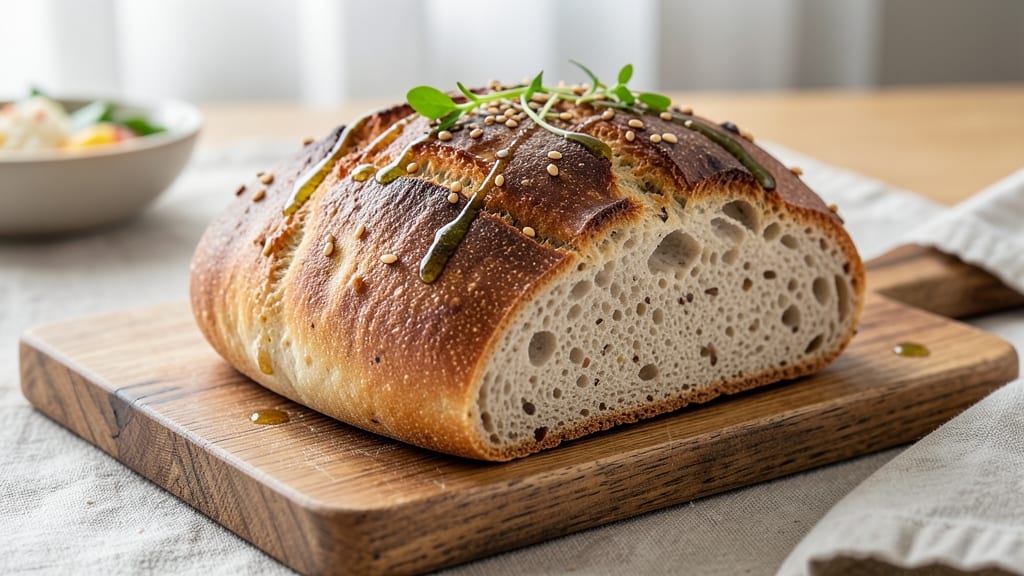
This buckwheat and rice flour bread delivers a perfect balance of earthy nutty crust and light, airy crumb—ideal for vegan diets or gluten-free adaptations. 🌱 The combination of these flours creates a naturally hearty texture while keeping the bread tender inside, making it versatile for sandwiches, toast, or serving with soups.
Mastering the hydration ratio and proofing time ensures a loaf that's both sturdy and delicate, with a subtle earthy flavor that pairs beautifully with savory toppings.
The beauty of this recipe lies in its simplicity: no yeast required, just a few pantry staples and precise technique. You'll achieve a golden-brown crust with a crackly texture while maintaining a soft, pillowy interior—no dense, heavy loaf here.
Perfect for those seeking a nutritious yet satisfying bread option, this recipe adapts easily with seeds, herbs, or even a touch of sweetener for customization. Let's bake this nourishing loaf that stands out from traditional bread recipes.
Ingredients for buckwheat and rice flour bread
Earthy buckwheat meets delicate rice flour for a bread with nutty crust and airy crumb—vegan and gluten-free friendly.
| Ingredient | Amount | Notes |
|---|---|---|
| Buckwheat Flour 🌾 | 1 ½ cups | Stone-ground for optimal texture |
| Rice Flour (White) 🌾 | 1 ½ cups | Fine grind preferred |
| Psyllium Husk Powder 🌿 | ½ tsp | Essential for structure |
| Active Dry Yeast 🍞 | ¼ tsp | Vegan-certified preferred |
| Extra-Virgin Olive Oil 🫒 | ½ cup | Cold-pressed for flavor |
| Filtered Water 💧 | 1 ¼ cups | Room temperature preferred |
| Apple Cider Vinegar 🍎 | 1 tbsp | For acidity and rise |
| Kosher Salt 🧂 | 1 ½ tsp | Diamond Crystal preferred |
| Sesame Seeds 🌰 | 1 tbsp | Toasted for garnish |
| Flaxseeds 🌱 | 1 tbsp | Ground for binding |
| Fresh Rosemary 🌿 | 1 tbsp | Chopped, optional herb |
The flours are the heart of this recipe. Bob's Red Mill offers excellent stone-ground buckwheat flour—look for the dark, coarse texture that ensures proper flavor and texture. For rice flour, white rice flour (not brown) creates the light crumb; brands like Anthony's are reliable. Psyllium husk powder is non-negotiable—it mimics gluten's elasticity. Frontier Co-op sells it in bulk, and a little goes a long way. If you can't find it, psyllium husk capsulesraw, unfiltered apple cider vinegar adds depth of flavor compared to pasteurized versions.
No buckwheat flour? Substitute with 100% whole wheat pastry flour—though texture will be denser. Rice flour shortages? Sweet rice flour (like mochi flour) works in a pinch, but adjust hydration down by 1 tbsp. Short on psyllium? Xanthan gum at half the amount helps, but the bread won't be as sturdy. The sesame seeds can be swapped for poppy seeds or sunflower seeds if allergies are a concern. Fresh rosemary is ideal, but dried at one-third the amount suffices. For extra richness, add 1 tbsp nutritional yeast—it mimics the umami of traditional bread.
This dough is best used within 24 hours of mixing—it doesn't keep well due to the psyllium. Store wrapped in a damp towel in the fridge if prepping ahead. For the perfect crust, bake in a preheated Dutch oven at 425°F for 30 minutes, then transfer to a wire rack to cool completely. The bread freezes beautifully—slice before freezing for easy toast. 3 months in the freezer, wrapped tightly in plastic. Reheat slices in a toaster or oven for crispiness.
Why You'll Love This Recipe
- No-Knead Magic: I swear by this—just mix, let it rise, and bake. The psyllium husk does all the heavy lifting, so no standing over dough or guessing textures. Honestly, my lazy Sundays just got a whole lot easier.
- Earthy Crunch Delight: That nutty buckwheat and crispy rice crust? It’s like a grown-up’s toast. Drizzle it with olive oil while warm, and you’ve got a bread that tastes like you spent hours baking (but didn’t).
- Meal Prep MVP: Slices perfectly for sandwiches, toasts like a dream, and keeps for days in the freezer. I make a loaf on Sundays, and it’s my go-to for lunches, charcuterie boards, or even French toast—no one’s asking where it came from.
- Budget-Friendly Staple: Buckwheat and rice flour are cheap, and this recipe stretches further than store-bought. Plus, the yeast and olive oil make it feel fancy without breaking the bank. My wallet and taste buds both win.
Step-by-step instructions for buckwheat and rice flour bread
This nutty, airy loaf combines gluten-free flours with precise technique for perfect texture.
👨🍳 Step 1: Activate the Yeast with Warm Water and Vinegar
In a small bowl, combine the 1.25 cups filtered water with 1 tbsp apple cider vinegar and warm it to 105-110°F (it should feel warm to touch but not hot). Sprinkle the 0.25 tsp active dry yeast over the surface and let sit for 5-7 minutes until frothy. This step ensures proper fermentation—if it doesn't bubble, your yeast is inactive and needs replacement.
While waiting, grind the 1 tbsp flaxseeds into a fine powder using a spice grinder or mortar and pestle. This creates a natural binder that mimics gluten's structure in the final bread. Set aside both mixtures—the yeast slurry and ground flaxseeds—until ready for use.
👨🍳 Step 2: Mix Wet and Dry Ingredients to Form a Cohesive Dough
In a large mixing bowl, whisk together the 1.5 cups buckwheat flour and 1.5 cups rice flour (white) with the 0.5 tsp psyllium husk powder and 1.5 tsp kosher salt. The psyllium husk is crucial here—it absorbs moisture and creates that signature airy crumb. Add the ground flaxseeds and 1 tbsp chopped fresh rosemary to the dry mixture.
Create a well in the center and pour in the yeast slurry along with the 0.5 cup extra-virgin olive oil. Using a wooden spoon or dough whisk, gradually incorporate the wet ingredients into the dry, mixing just until combined. The dough will be thick and sticky—this is normal. Avoid overmixing, which can develop gluten-like properties in the flours and make the bread dense.
🥘 Step 3: Let the Dough Rest and Develop Flavor
Cover the bowl with a damp kitchen towel and let the dough rest at room temperature for 1 hour. This resting period allows the psyllium husk to fully hydrate and the flours to absorb the liquid evenly. You'll notice the dough become slightly less sticky and more cohesive as it develops structure.
After 30 minutes, gently press down on the dough with your fingers—it should spring back slightly but still feel soft. If it's too stiff, add 1-2 tsp filtered water; if too wet, add 1 tbsp rice flour. The goal is a dough that holds its shape when pressed but remains pliable enough to shape later.
🔥 Step 4: Shape and Proof the Loaf for Optimal Rise
Lightly grease a 9x5-inch loaf pan with olive oil. Transfer the dough to the prepared pan and smooth the top with a wet spatula, creating a dome shape. Sprinkle the 1 tbsp sesame seeds evenly over the surface—they'll add texture and a nutty aroma as they toast in the oven.
Cover the loaf pan with the damp towel again and let proof in a warm spot (80-85°F) for 45-60 minutes. The dough is ready when it has risen about 50% and springs back slowly when pressed gently with a fingertip. Avoid overproofing—this can cause a dense crumb. If your kitchen isn't warm enough, place the pan near a slightly warmed oven with the light on.
🔥 Step 5: Bake Until Golden with a Crisp Crust
Preheat your oven to 375°F with a baking stone or inverted baking sheet on the middle rack—this creates steam for a better rise. Once preheated, place the loaf pan on the baking stone and bake for 40-45 minutes. The bread is done when the internal temperature reaches 205-210°F and the crust is deep golden brown with a crisp texture.
For extra browning, brush the top with a little more olive oil after 20 minutes of baking. Tap the loaf gently—it should sound hollow when done. Let cool in the pan for 10 minutes, then transfer to a wire rack to cool completely before slicing. The bread will firm up as it cools but remain tender inside with that signature nutty crust.
Pro Tips For Making Buckwheat And Rice Flour Bread
- Mix the psyllium first: Sprinkle the psyllium husk powder directly into the warm water (not hot—just off the boil) and stir like you mean it. After 5 minutes, it’ll turn into a thick, jelly-like goop that actually binds the buckwheat and rice flour together. Skimp on this step, and your loaf will crumble like stale crackers.
- Bloom the yeast in oil: Instead of just dissolving the yeast in water, whisk it into a little olive oil first—about 1 tablespoon. The fat coats the yeast cells and makes them wake up faster, especially when you’re working with dense flours that can slow fermentation. I learned this the hard way after a batch took three hours to rise instead of 90 minutes.
- Don’t over-knead the dough: This isn’t wheat bread—buckwheat and rice flour dough is fragile. Once you’ve combined everything, do just 8-10 gentle stretches and folds. Overwork it, and you’ll activate the gluten in the rice flour too much, making the bread tough. Think "coax, don’t bully."
- Let it proof slow and steady: After shaping, place the dough in a warm spot (like a turned-off oven with a cup of boiling water) for at least 2 hours—yes, even if it doesn’t double. The yeast struggles with these flours, so give it time to develop flavor and structure. I was skeptical until I tried it: the crust gets crispier, and the crumb stays light instead of dense.
Troubleshooting this dish
Dense Crumb Fix
If your bread turns out too dense, the issue is likely overmixing or insufficient psyllium husk. The psyllium mimics gluten, so if you skipped it or used less than 0.5 tsp, the structure will collapse.
Next time, ensure you're using stone-ground buckwheat flour—pre-ground flours lose texture. Also, resist the urge to overmix: stir just until combined, about 2-3 minutes max. 💡
Flat Top Troubles
A flat or sunken top usually means underproofing or oven issues. First, check your proofing spot—it should be 80-85°F. If your kitchen is too cool, proof near a warm oven with the light on.
Second, ensure your oven is fully preheated with a baking stone or inverted sheet for steam. If the top still collapses, try adding 1 tsp baking powder to the dry mix for lift. 🔥
Sticky Dough Nightmare
Buckwheat and rice flour dough is naturally sticky, but if it's impossible to handle, you likely need more psyllium husk or less water. Start by increasing psyllium to 1 tsp—it absorbs moisture and binds better.
If the dough is still too wet, add 1 tbsp rice flour at a time until it becomes pliable. For shaping, wet your hands slightly to prevent sticking. 🧂
Pale Crust Solutions
A pale crust often means underbaking or lack of steam. First, verify your oven temp with an oven thermometer—it should read 375°F (ovens often run hot or cold). Second, brush the top with olive oil halfway through baking for browning.
For extra color, broil for 1-2 minutes at the end. If the crust stays pale, try baking in a Dutch oven for deeper browning. 🌟
Crumb Too Dry
Dry crumb usually stems from overbaking or too much psyllium. Pull the bread when the internal temp hits 205°F—don’t wait for a toothpick test (it’s not reliable here). If the crumb is still dry, reduce psyllium to 0.25 tsp and increase olive oil to 0.6 cup.
For moisture, add 1 tbsp ground flaxseeds to the dough—they retain water better than whole seeds. ✨
Yeast Issues
If your bread doesn’t rise, your yeast may be inactive or too old. Always test yeast in warm water with sugar—it should foam in 5-7 minutes. If it doesn’t, replace it.
Also, ensure your water is 105-110°F (too hot kills yeast, too cold slows it). For extra insurance, use instant yeast (like Red Star)—it activates faster and doesn’t need proofing. 🍞
Nutrition facts
Frequently asked questions
Can I make this bread without yeast?
Yes! This recipe works perfectly as a quick bread by replacing the yeast with 1.5 tsp baking powder and 0.5 tsp baking soda. Increase the apple cider vinegar to 2 tbsp for better rise. The texture will be slightly denser but still delicious—ideal for when you need bread fast.
How do I store this bread to keep it fresh?
Wrap the cooled loaf tightly in plastic wrap and store at room temperature for up to 3 days. For longer storage, slice the bread and freeze the pieces between parchment paper for 3 months. Toast frozen slices directly for crispy results. The psyllium helps maintain moisture, but avoid refrigerating—it dries out the crumb faster.
What's the best way to add seeds or nuts?
Add seeds like sunflower, pumpkin, or chopped nuts directly to the dry flour mixture. Use 2-3 tbsp total—too many can make the bread dense. For extra crunch, sprinkle 1 tbsp toasted seeds on top before baking. Soak nuts in warm water for 10 minutes first to prevent moisture competition with the dough.
Why does my bread taste bitter?
Buckwheat naturally has a nutty, slightly bitter flavor that intensifies when overbaked. To reduce bitterness, bake at 375°F and pull the bread when the internal temp reaches 205°F. For milder flavor, reduce buckwheat flour to 1 cup and add 0.5 cup more rice flour. A pinch of sugar (1 tsp) can also balance the earthiness.
Can I use this dough for flatbread or rolls?
Roll out the dough to ¼-inch thickness for flatbreads, or shape into 1-inch balls for rolls. Brush with olive oil before baking at 400°F for 12-15 minutes. The psyllium helps maintain structure even without gluten. For extra flavor, sprinkle with sesame seeds or everything bagel seasoning before baking.