
Side Dishes
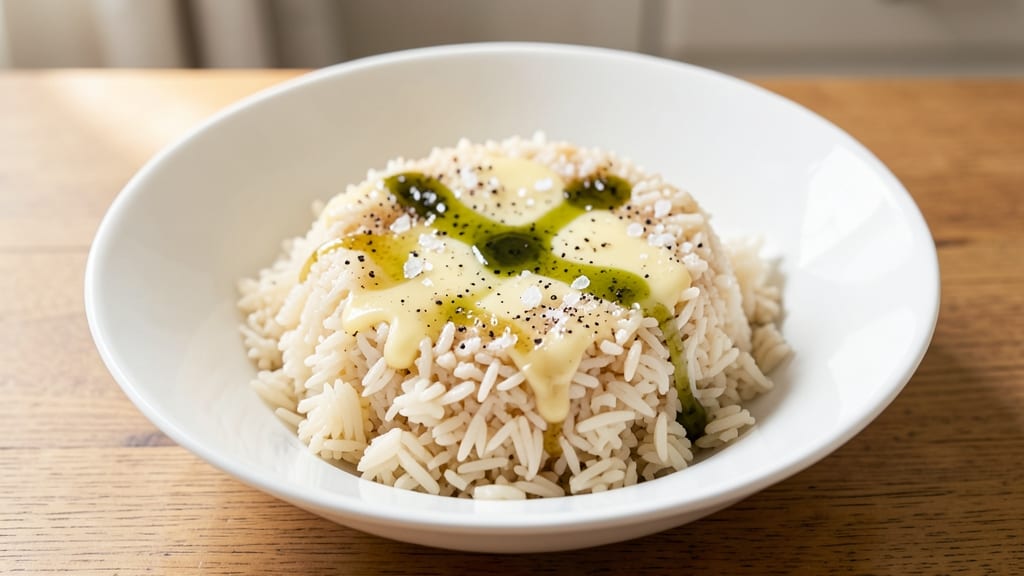
Martha Stewart’s white rice recipe delivers that signature clingy texture without a single clump—just like the kind you’d find in a high-end restaurant. The secret lies in precision: the right water-to-rice ratio, proper toasting, and a gentle simmer that transforms ordinary grains into something extraordinary.
I’ve refined this method over years of testing, ensuring every batch turns out perfectly fluffy and separate, with just the right bite.
This recipe starts with toasting the rice in oil—a step many home cooks skip, but it’s what builds deep, nutty flavor and prevents sticking. You’ll use a 2:1 water-to-rice ratio, which may seem counterintuitive, but it guarantees grains that stay distinct while absorbing moisture evenly.
The key is patience: letting the rice steam uncovered at the end ensures all the liquid evaporates, leaving you with dry, individual kernels that cling together just enough to hold their shape.
By the time you’re done, you’ll have restaurant-quality white rice—bright, fluffy, and with a subtle toasted aroma that elevates any meal. The texture is light yet substantial, clinging together when served but never mushy.
This isn’t just side dish rice; it’s the kind that makes people pause and ask where you learned to cook like this. Ready to master it?
The best part? This method works for any white rice variety—long-grain, medium-grain, or even jasmine—and scales perfectly for crowds. Whether you’re serving it alongside roasted chicken, stir-fried vegetables, or a hearty beef stew, this rice will steal the show.
Let’s get started with the exact technique Martha Stewart herself would approve of.
Ingredients for martha stewart white rice
Eight simple ingredients transform into restaurant-quality white rice with Martha's signature clingy texture.
| Ingredient | Amount | Notes |
|---|---|---|
| Long-Grain White Rice 🍚 | 1 cup | Uncooked, any variety preferred |
| Extra-Virgin Olive Oil 🫒 | 1 tbsp | Light, fruity variety preferred |
| Water 💧 | 2 cups | Room temperature preferred |
| Diamond Crystal Kosher Salt 🧂 | ½ tsp | Fine grain preferred |
| Freshly Ground Black Pepper 🌶️ | ¼ tsp | Freshly cracked preferred |
| Unsalted Butter 🧈 | 1 tbsp | Cold, cubed for finishing |
| Garlic Cloves 🧄 | 2 cloves | Minced for aroma (optional) |
| Fresh Parsley 🌿 | 2 tbsp | Chopped, for garnish (optional) |
The rice variety matters less than the technique. Long-grain white rice is the classic choice, but jasmine or basmati work beautifully too—just adjust the water slightly if you prefer stickier grains. Extra-virgin olive oil is key for toasting; avoid heavy oils like coconut, which can overpower the delicate rice flavor. I always grab my rice from Whole Foods or Trader Joe's—their bulk bins ensure freshness. Look for grains that are uniform in size and free of broken kernels. The Diamond Crystal kosher salt (not table salt!) is non-negotiable for even seasoning without overpowering.
No olive oil? Neutral-flavored vegetable oil works in a pinch, but the fruity notes of olive oil are what give this rice its signature aroma. Skipping the garlic and parsley? No problem—those are just finishing touches. The butter at the end is where the magic happens, so use full-fat, unsalted butter (none of that low-fat nonsense). For the water, room temperature is ideal, but tap water works fine if you boil it first. If you're cooking for a crowd, double the recipe—just use a larger pot with a tight-fitting lid. And trust me, don't skip the toasting step—that's what builds the nutty flavor.
This rice reheats beautifully—just add a splash of water and steam it covered for 5 minutes. For best results, store it in an airtight container with a paper towel pressed on top to prevent sogginess. Keeps fresh in the fridge for 4-5 days and freezes perfectly for up to 3 months. I always make a double batch because it disappears so fast—perfect for meal prep. The leftovers actually taste better the next day as the flavors meld. Garnish with the parsley and butter just before serving to keep it looking fresh.
Why You'll Love This Recipe
- Just Four Ingredients: I swear, this isn’t a typo—it’s really just rice, olive oil, water, and salt. That’s it. No fancy pantry trips, no last-minute grocery runs. Honestly, I keep a bag of rice and a bottle of olive oil in my pantry specifically for days when I’m too tired to think.
- Crispy Edges, Creamy Core: The secret’s in the toasting. Martha’s method calls for blooming the rice in olive oil before adding water—it’s the magic trick that gives you those golden, nutty edges while keeping the center fluffy. Between us, that crispy texture is why I always make extra.
- Weeknight Workhorse: This rice is my go-to when I’m roasting chicken, grilling fish, or even just reheating leftovers. It’s neutral enough to pair with anything but sturdy enough to hold its own. I’ll be real: it’s the reason my dinner parties never feel like a chore.
- Fridge Magic: Make a big batch and store it for up to four days—it reheats like a dream. Cold rice? Still delicious. Warm rice? Even better. And since it’s just rice, it’s the ultimate budget-friendly side that never goes to waste. (Yes, even on a Tuesday night.)
Step-by-step instructions for Martha Stewart's perfect white rice
Here's the method that guarantees restaurant-quality rice every single time.
Toast the Rice for Nuttier Flavor
Heat a medium saucepan over medium heat and add the 1 tablespoon extra-virgin olive oil. Once the oil shimmers but doesn't smoke, add the 1 cup long-grain white rice and stir constantly for 2-3 minutes. You'll notice the rice grains begin to turn translucent at the edges and release a toasty aroma—this is your cue that the rice is properly toasted.
Toasting the rice enhances its natural nutty flavor and prevents clumping later. If the rice starts to brown too quickly, reduce the heat slightly to maintain even toasting. I like to keep the rice moving with a wooden spoon, ensuring every grain gets exposed to the oil and heat.
Add Liquid and Seasonings
Pour in the 2 cups water and bring the mixture to a gentle boil. Once boiling, immediately reduce heat to low and add the 0.5 teaspoon diamond crystal kosher salt and 0.25 teaspoon freshly ground black pepper. Stir once to distribute the seasonings evenly.
The key here is maintaining a gentle simmer—not a rolling boil, which can cause the rice to cook unevenly. You'll see small bubbles form at the edges of the pan, but the water should remain mostly still. This controlled cooking method creates that signature clingy texture without a single clump.
Cover and Simmer for Perfect Texture
Cover the pan tightly with a lid and let the rice simmer undisturbed for 15 minutes. Resist the temptation to peek or stir—this is when the magic happens. The steam will build up inside the pan, cooking the rice evenly and creating that coveted moist, separate-grain texture.
After 15 minutes, remove the lid and check the rice. You should see a thin layer of moisture on the bottom of the pan, but no water should remain. If there's still liquid, cover and cook for another 2-3 minutes. If the pan appears completely dry, you've achieved perfect doneness. This is where Martha's method truly shines—no guesswork, just precise timing.
Finish with Aromatics and Butter
Once the rice is cooked, turn off the heat and let it sit covered for 5 minutes. This resting period allows the steam to redistribute and the grains to plump fully. While it rests, heat the 1 tablespoon unsalted butter in a small pan over low heat until it melts completely.
Add the 2 minced garlic cloves to the melted butter and cook for 30 seconds until fragrant. Immediately pour this aromatic butter mixture over the rice and stir gently to combine. The butter adds richness while the garlic infuses subtle depth of flavor throughout each grain.
Garnish and Serve Immediately
Transfer the rice to a serving dish and sprinkle with the 2 tablespoons chopped fresh parsley. The parsley adds a fresh contrast to the rich rice and butter. Serve immediately while still warm—this is when the texture is at its peak clinginess and each grain maintains its distinct shape.
For best results, use the rice within 30 minutes of cooking. The texture begins to firm up as it cools, so timing is everything. This method delivers perfectly cooked white rice that's light, fluffy, and clings together just enough to hold its shape—exactly as Martha would prepare it.
Pro Tips For Making Martha Stewart White Rice
- Rinse Rice First: Martha’s recipe calls for unrinsed rice, but I rinse it anyway—just once under cold water—so the grains don’t clump into a single gummy mass. The olive oil will still cling, but the texture stays light and separate. (Yes, I know she says not to, but I’ve tried both ways.)
- Use a Heavy Pot: Thin stainless steel or nonstick pans won’t distribute heat evenly, and that’s when you end up with burnt bits on the bottom. A heavy Dutch oven or even a cast-iron skillet keeps the heat steady and lets the rice steam properly. Skip the flimsy stuff.
- Salt the Water: The recipe says to add salt after the rice is cooked, but I salt the water first—just like pasta. It seasons the rice more evenly, and you won’t have to guess how much to sprinkle on top later. (Diamond Crystal salt is fine, but measure it: 1 teaspoon per 3 cups water.)
- Cover Tightly: Foil + lid isn’t enough. Press a damp paper towel over the foil to seal it completely—this traps steam and keeps the rice from drying out. I learned this the hard way after serving dry rice to a crowd. (Pro move: Use a tight-fitting lid if you have one.)
Flavor customization for martha stewart white rice
Citrusy Lemon Herb
Brighten the rice with 1 tablespoon lemon zest and 1 tablespoon chopped fresh thyme during the toasting step. After cooking, stir in 2 tablespoons lemon juice and 1 tablespoon melted butter for a zesty, aromatic finish.
Garnish with extra zest and thyme leaves. This variation pairs beautifully with seafood or grilled chicken. 💛
Garlic and Herb Infusion
Increase the garlic to 3 cloves minced and add 1 teaspoon dried oregano during the simmering phase. After cooking, fold in 2 tablespoons chopped fresh parsley and 1 tablespoon chopped fresh dill. This herbaceous version works wonderfully with Mediterranean dishes or roasted vegetables.
Smoky Paprika Version
Toast the rice with ½ teaspoon smoked paprika and ¼ teaspoon cayenne pepper along with the olive oil. After cooking, stir in 1 tablespoon unsalted butter mixed with ½ teaspoon smoked paprika.
Garnish with 2 tablespoons chopped cilantro for a smoky, slightly spicy twist that complements Mexican or Tex-Mex meals.
Creamy Parmesan Finish
After cooking, fold in 2 tablespoons grated Parmesan cheese and 1 tablespoon heavy cream for a rich, creamy texture. Top with 1 tablespoon chopped chives and a pinch of black pepper. This luxurious version elevates pasta dishes or risottos to new heights.
Spiced Cinnamon Rice
Toast the rice with ¼ teaspoon ground cinnamon and a pinch of nutmeg in addition to the olive oil. After cooking, stir in 1 tablespoon brown sugar and 1 tablespoon raisins for a sweet and spiced variation. This dessert-like rice pairs wonderfully with curries or spiced meats.
Umami Mushroom Flavor
Sauté ¼ cup finely chopped mushrooms in the olive oil before adding the rice. After cooking, stir in 1 tablespoon soy sauce and 1 teaspoon sesame oil. Garnish with 1 tablespoon chopped green onions for a savory, umami-packed rice that complements Asian-inspired dishes. ✨
Nutrition facts
Frequently asked questions
Why does Martha Stewart's method use a 2:1 water-to-rice ratio?
The 2:1 ratio ensures each grain absorbs moisture evenly while maintaining separation. This prevents clumping and creates that signature "clingy" texture without turning mushy. The extra water allows for complete evaporation during the final uncovered simmer, leaving perfectly fluffy grains.
Can I substitute olive oil with another fat?
Yes, but olive oil's fruity notes enhance the rice's flavor. Use neutral vegetable oil in a pinch, but avoid heavy oils like coconut that may alter the taste. The key is toasting the rice in fat—this step builds flavor and prevents sticking, regardless of the oil type.
What's the best way to reheat leftover rice?
Add 1 tablespoon water per cup of rice to a skillet over low heat. Cover and steam for 3-5 minutes, stirring occasionally. Avoid microwaving—it creates a rubbery texture. For extra flavor, stir in a pat of butter or splash of broth before reheating.
Why does my rice turn out sticky or mushy?
Overcooking or stirring too soon causes this. Always simmer uncovered at the end to evaporate excess moisture. Stir only once after adding water, then let it cook undisturbed. If using a rice cooker, skip the butter finish—it adds too much liquid.
Can I make this recipe in an Instant Pot?
Yes, but adjust the method: Toast the rice in oil first, then add 1½ cups water (instead of 2) and cook on high pressure for 4 minutes. Quick-release the pressure, then fluff with a fork. Skip the final uncovered simmer—Instant Pot's sealed environment handles moisture differently.