
Side Dishes
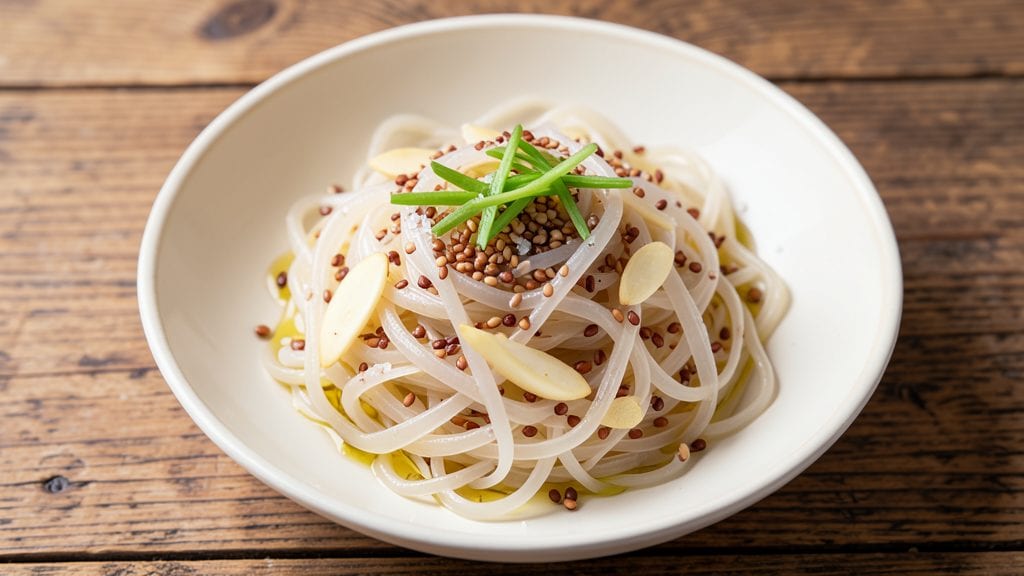
This rice sticks recipe transforms simple vermicelli noodles into a crispy, wok-fried masterpiece that delivers restaurant-quality crunch in just 10 minutes. The secret lies in high-heat stir-frying, where delicate rice sticks develop a golden, shatteringly crisp exterior while maintaining a tender bite inside—no deep-frying required.
I perfected this technique after years of experimenting with Asian street food textures, and the results are worth every second of attention.
What makes this recipe stand out is its versatility—these crispy noodles work as a standalone snack, a crunchy salad topping, or the star of a quick stir-fry.
The key steps are simple: soak the rice sticks properly, drain them thoroughly, and stir-fry in small batches over high heat with just enough oil to create that signature crisp. A pinch of salt and a sprinkle of sesame seeds elevate the flavor without overpowering the natural taste.
By the time you’re done, you’ll have a bowl of irresistibly crispy rice sticks that shatter between your teeth while staying tender underneath—a perfect balance of textures.
The aroma of toasted sesame and the satisfying crunch make this dish impossible to resist, and it pairs beautifully with dipping sauces like sweet chili, peanut, or even a simple soy-ginger mix. This is the kind of recipe that turns a simple pantry staple into something extraordinary.
Whether you’re serving these as an appetizer, a side for grilled meats, or a quick snack, the method remains the same: high heat, quick cooking, and constant motion to ensure even crispiness.
The best part? No special equipment is needed—just a wok, skillet, or even a large nonstick pan. Let’s get cooking!
Ingredients for rice sticks
High-heat stir-frying transforms delicate rice sticks into a crispy, restaurant-quality snack in minutes.
| Ingredient | Amount | Notes |
|---|---|---|
| Rice Vermicelli Noodles 🍜 | 8 oz | Medium-width, unflavored preferred |
| Vegetable Oil 🫒 | ½ cup | High smoke point for crisping |
| Toasted Sesame Seeds 🥜 | 2 tbsp | Freshly toasted for aroma |
| Kosher Salt 🧂 | ½ tsp | Diamond Crystal preferred |
| Garlic Cloves 🧄 | 2 cloves | Minced, for optional flavor |
| Fresh Ginger 🌿 | 1 tsp | Grated, optional aromatic |
| Low-Sodium Soy Sauce 🥢 | 1 tbsp | For optional dipping sauce |
| Sesame Oil 🫒 | 1 tsp | Toasted, for finishing |
| White Pepper 🌶️ | ¼ tsp | Freshly cracked for subtlety |
| Honey 🍯 | 1 tsp | For optional sweet contrast |
| Red Bell Pepper 🌶️ | ½ cup | Thinly sliced, optional garnish |
| Green Onions 🧅 | 2 whole | Sliced, for freshness |
The rice vermicelli noodles are the foundation—opt for medium-width to balance crispiness and tenderness. Asian markets carry premium brands like Mama Lu or Vietnamese rice noodles, which achieve superior texture. Store-bought varieties work too, but avoid pre-cooked or flavored noodles. The key is soaking time: 5-7 minutes in warm water until pliable but not mushy. Drain thoroughly and shake off excess water before cooking. For optimal crispiness, work in batches—overcrowding steams instead of crisps.
Vegetable oil with a high smoke point (350°F+) is non-negotiable for that signature golden crunch. Avocado oil or refined peanut oil are excellent alternatives. Sesame seeds should be toasted in a dry pan until fragrant—30 seconds over medium heat—to amplify their nutty aroma. The garlic and ginger are optional but elevate the dish; minced finely ensures they integrate without overpowering. For dipping sauce variations, combine soy sauce with honey and sesame oil, or use store-bought sweet chili sauce for convenience. Swap white pepper for black if preferred, though white maintains a cleaner finish.
Prepped noodles keep 2 days in the fridge, sealed in a damp paper towel to prevent drying. For longer storage, freeze dried noodles in a single layer on parchment before transferring to a bag—thaw 10 minutes at room temperature before cooking. The crispy rice sticks reheat best in a 350°F oven for 2-3 minutes, though they lose some crunch. Garnish with sliced red bell pepper and green onions just before serving to preserve freshness. Portion into airtight containers for 3 days of crispy snacking.
Why You'll Love This Recipe
- No-Soaking Needed: I swear by this trick—just a quick rinse under cold water, then toss those rice sticks in hot broth or oil. No waiting, no fuss, and they still soften perfectly. Honestly, it’s the kind of shortcut that makes me actually want to cook.
- Garlic-Sesame Magic: That crispy garlic fried in oil until it’s golden? Pure flavor bomb. Then the toasted sesame seeds sprinkled on top—nutty, crunchy, and it turns a simple bowl into something that tastes like it took hours (but didn’t).
- Lunchbox Hero: Between us, these are my go-to for packed lunches. Cold or warm, they hold up like a champ—just wrap a portion with a protein (think shredded chicken or tofu) and a handful of veggies. My kid still asks for them even after I’ve made them a million times.
- Pantry Staple Power: You’re already using oil, salt, and garlic—stuff you’ve got lying around. Add rice noodles (cheap as chips) and sesame seeds, and suddenly you’ve got a meal that costs next to nothing. Not the prettiest, but the taste makes up for it every time.
Step-by-step instructions for wok-fried rice sticks
Here's the method to achieve that signature crispy texture and perfect wok hei flavor.
Soak and Prep the Rice Vermicelli Noodles
Place the 8 oz rice vermicelli noodles in a large bowl and cover completely with warm water. Let them soak for exactly 10 minutes - they should be pliable but still hold their shape when pinched. The noodles are ready when they can be separated easily with your fingers without breaking.
Drain the noodles thoroughly in a colander, shaking gently to remove excess water. Transfer them to a clean kitchen towel and press down firmly to absorb any remaining moisture. This step is critical for achieving crispy texture - any residual water will prevent proper browning in the oil.
Create the Crispy Base in Vegetable Oil
Heat the 0.5 cup vegetable oil in a wok or large skillet over medium-high heat until it reaches 350°F. You'll know it's ready when a small piece of noodle sizzles vigorously upon contact. The high smoke point of vegetable oil makes it ideal for creating that signature crispy texture without burning.
Working in batches if necessary, add the drained noodles to the hot oil. Stir continuously with a pair of tongs for 2-3 minutes until they turn a deep golden brown color. The noodles should be crispy to the touch but still pliable. Remove them with a slotted spoon and drain on paper towels, pressing gently to remove excess oil.
Build the Flavor Profile with Aromatics
In the same wok, reduce heat to medium and add the 2 cloves minced garlic cloves and 1 tsp grated fresh ginger. Cook for 30 seconds until fragrant but not browned - you want the aromatics to perfume the oil without burning. Add the 0.5 cup thinly sliced red bell pepper and stir for 1 minute until just tender.
Pour in the 1 tbsp low-sodium soy sauce and 1 tsp honey, stirring constantly for 1 minute until the sauce begins to reduce slightly. Sprinkle with the 0.5 tsp kosher salt and 0.25 tsp white pepper, tossing gently to combine. The sauce should coat the back of a spoon but remain loose enough to cling to the noodles.
Combine and Finish with Toasted Sesame Elements
Return the crispy noodles to the wok and toss vigorously to coat evenly in the flavorful sauce. Cook for an additional 1 minute until everything is well combined and heated through. The noodles should maintain their crispy texture while absorbing the aromatic sauce.
Remove from heat and drizzle with the 1 tsp toasted sesame oil. Immediately sprinkle with the 2 tbsp toasted sesame seeds and the sliced green onions. Toss one final time to distribute evenly. The sesame seeds should be lightly toasted but not burnt, adding nutty depth to each bite.
Serve Immediately for Maximum Crispiness
Divide the wok-fried noodles among four serving plates. The noodles should be golden brown with visible crispy edges that give way to a tender interior. Serve immediately while still crispy - the texture will soften quickly as they cool.
For optimal presentation, arrange the noodles in an even layer and garnish with additional sliced green onions if desired. The combination of crispy noodles, aromatic sauce, and toasted sesame elements creates a perfect balance of textures and flavors that define this classic preparation.
Pro Tips For Making Rice Sticks
- SOAK NOODLES UNTIL THEY’RE SLIGHTLY TOOTHSOME: Rice vermicelli doubles in size when soaked—don’t eyeball it. Drop them in warm (not boiling) water for 10-15 minutes until they’re pliable but still hold a tiny bite of resistance. Over-soaking turns them mushy, and under-soaking means they’ll snap like twigs when you fry them.
- CRANK THE OIL TO SMOKING: You’re not making a gentle stir-fry here. Heat your oil until it shimmers and a garlic clove sizzles instantly—this is the only way to get those crispy, golden sticks. If it’s not hot enough, you’ll end up with soggy noodles and sad garlic.
- SALT THE GARLIC RIGHT AWAY: Toss your minced garlic in a pinch of kosher salt the second it hits the pan. This stops it from burning before the noodles go in and adds a deeper, nuttier flavor. Skip this, and you’ll taste raw, bitter garlic even after frying.
- DRAIN AND TOSSED WITH SESAME: After frying, dump the noodles into a colander—but don’t rinse. Immediately toss them with toasted sesame seeds while they’re still hot and sticky. The seeds cling better, and the residual oil makes them taste richer. Cold noodles? The sesame just falls off.
Pro cooking tips for this recipe
High-Heat Mastery
The key to achieving that signature crispy texture lies in maintaining oil temperature between 350-375°F throughout cooking. I use a thermometer like the Thermoworks Thermapen to monitor temperature—any lower, and the noodles steam instead of crisp.
For best results, work in small batches (about 1 cup at a time) to prevent overcrowding, which drops oil temperature and creates soggy noodles. 🔥
Soaking Secrets
Never skip the 10-minute soak—this ensures even cooking and prevents breakage. Use warm (not boiling) water to avoid cooking the noodles prematurely. After draining, I press them between two dry kitchen towels for 30 seconds to remove excess moisture, which is critical for that perfect crunch.
Over-soaking makes them mushy, while under-soaking creates uneven texture.
Oil Selection Matters
Vegetable oil or avocado oil are ideal for their high smoke points, but peanut oil adds subtle flavor if you prefer. Avoid olive oil—its low smoke point (325°F) causes burning. I heat the oil in a wok or cast-iron skillet until a small piece of noodle sizzles vigorously upon contact. This ensures proper browning without burning.
Stirring Technique
Use a pair of tongs to stir continuously in one direction, creating a swirling motion that ensures even cooking. I recommend stirring for exactly 2-3 minutes per batch—any longer risks burning, while shorter times result in undercooked noodles.
The goal is a golden-brown exterior with a tender interior. Remove immediately when crispy to prevent excess oil absorption.
Flavor Layering
After crisping, build flavor in stages: first toast garlic and ginger for 30 seconds to release their aromatics, then add bell pepper for sweetness. The soy sauce and honey mixture should coat the noodles lightly—1 tbsp soy sauce and 1 tsp honey per batch is perfect.
Finish with toasted sesame oil and seeds for nutty depth, tossing gently to distribute evenly. 💫
Serving Immediately
Crispy rice sticks lose their texture within 5 minutes of cooking, so serve them immediately. For extra crunch, I reheat leftovers in a 350°F oven for 2-3 minutes, though they’ll be slightly softer.
Garnish with green onions and a sprinkle of sesame seeds right before serving to keep everything fresh and vibrant. The contrast of crispy, tender, and fresh herbs makes every bite exciting.
Nutrition facts
Frequently asked questions
Can I use regular spaghetti instead of rice vermicelli?
No, rice vermicelli is essential for this recipe. The delicate, thin strands absorb oil perfectly to create crispy edges while staying tender inside. Regular spaghetti is too thick and dense—it won't achieve the same texture or crispiness. For a similar effect, try rice stick noodles (like pad Thai noodles) or shirataki noodles for a gluten-free alternative.
How do I fix soggy rice sticks after cooking?
If your noodles turn soggy, the issue is usually excess moisture or improper oil temperature. First, ensure you drained and pressed the noodles thoroughly before cooking. For reheating, spread them on a baking sheet and bake at 350°F for 2-3 minutes—this reactivates the crispiness. To prevent future sogginess, work in small batches and maintain oil at 350-375°F.
What are the best dipping sauces for these crispy noodles?
These noodles pair perfectly with bold, balanced sauces. Try sweet chili sauce (mix 2 tbsp chili sauce with 1 tsp honey), peanut sauce (blend 2 tbsp peanut butter, 1 tbsp soy sauce, 1 tsp lime juice, and water to thin), or a simple soy-ginger dip (2 tbsp soy sauce, 1 tsp grated ginger, 1 tsp sesame oil).
Can I make this recipe gluten-free?
This recipe is naturally gluten-free since it uses rice vermicelli and avoids wheat-based ingredients. Just double-check your oil (some brands process in wheat facilities) and ensure your soy sauce is certified gluten-free. The same technique applies—soak, drain thoroughly, and crisp in high-heat oil for that perfect texture.
Why did my rice sticks turn black instead of golden?
Blackened noodles usually mean the oil was too hot or the noodles were overcooked. Keep oil between 350-375°F and cook in 2-3 minute batches—any longer risks burning. Also, ensure your noodles are fully drained and pressed before frying. If using a thermometer, remove the noodles immediately when they reach golden brown, not black.