
Main Courses
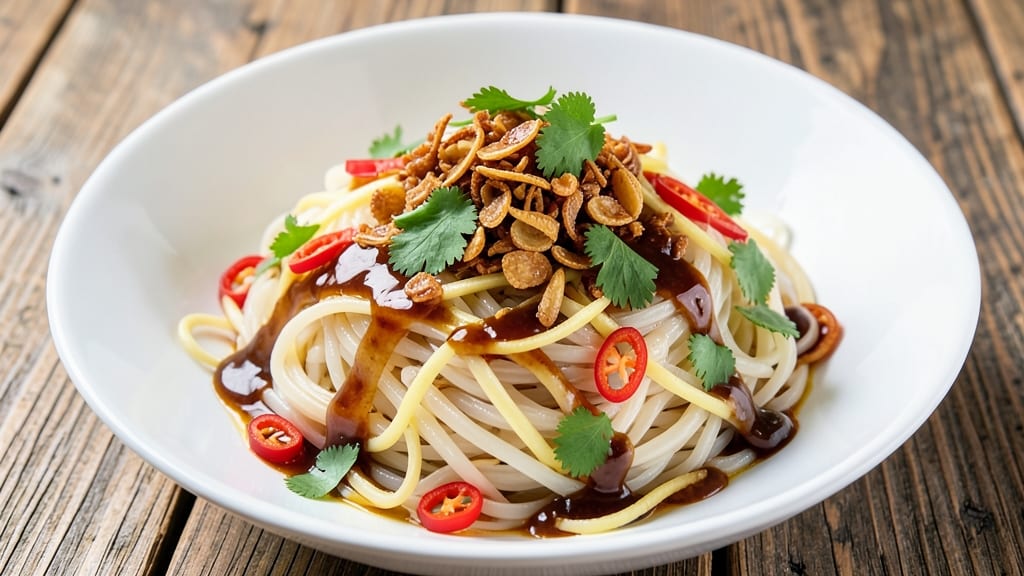
This broad rice noodle recipe delivers the perfect balance of chewy texture and fragrant ginger zing that makes every bite irresistible. The secret lies in properly soaking the noodles until they're pliable but still holding their shape—no mushy mess here.
I've perfected this technique over countless wok sessions, ensuring your noodles absorb the sauce just right while maintaining that signature al dente bite.
What sets this recipe apart is the aromatic sauce base that transforms simple ingredients into a restaurant-quality dish. We'll combine tamarind for tang, fish sauce for umami, and fresh ginger for that signature zing, then toss everything together in a hot wok for maximum flavor development.
Whether you're making classic pad thai or a modern spicy garlic twist, this method guarantees perfectly cooked noodles every time.
Ingredients for broad rice noodle
Simple ingredients that transform into restaurant-quality wok-tossed noodles with perfect chewy texture.
| Ingredient | Amount | Notes |
|---|---|---|
| Broad Rice Noodles 🍜 | 8 oz | Flat, medium-width variety |
| Fresh Ginger 🧄 | 2 tbsp | Finely grated, aromatic |
| Tamarind Paste 🍈 | 2 tbsp | Unsweetened, for tang |
| Fish Sauce 🐟 | 2 tbsp | Red Boat preferred |
| Soy Sauce 🥢 | 2 tbsp | Light or regular |
| Rice Vinegar 🍶 | 1 tbsp | For brightness |
| Garlic Cloves 🧄 | 4 cloves | Minced, for depth |
| Sesame Oil 🥜 | 1 tbsp | Toasted, for aroma |
| Vegetable Oil 🫒 | 2 tbsp | High smoke point |
| Brown Sugar 🍚 | 1 tbsp | For balance |
| Lime Juice 🍋 | 1 tbsp | Freshly squeezed |
| Salt 🧂 | ½ tsp | Adjust to taste |
| Black Pepper 🌶️ | ¼ tsp | Freshly ground |
| Red Chili Flakes 🔥 | ½ tsp | Optional, for heat |
| Green Onions 🧅 | 3 whole | Sliced, for garnish |
The noodles are non-negotiable here—flat, medium-width broad rice noodles give that signature chewy bite. Asian markets carry the best selection, but the regular grocery store usually has them in the international aisle. Soak them in warm water for 15-20 minutes until pliable but still firm to the touch. If they feel mushy, they've soaked too long. Fresh ginger is a must for that signature zing, but if you're in a pinch, powdered ginger at half the amount works. For fish sauce, Red Boat is the gold standard—it's clean, flavorful, and won't overpower your dish.
No tamarind paste? Lemon juice plus 1 tsp brown sugar gets you close, though it won't have the same depth. The sesame oil should be toasted—look for dark, aromatic bottles in the Asian section. Vegetable oil is just for cooking; you'll be using way less than you think. Brown sugar adds just enough sweetness to balance the tang, but white sugar works in a bind. Chili flakes are optional, but I always keep them on hand for a quick heat boost. Green onions add freshness and a pop of color—use the white and green parts, not just the green.
Once cooked, these noodles reheat beautifully—just toss with a splash of water and a pinch of oil. Store leftovers in an airtight container for 3-4 days in the fridge, or freeze for up to 3 months. I like to portion them into single servings before freezing so I can grab and reheat exactly what I need. The sauce keeps for 1 week in the fridge if you make it ahead, but I find it's best used fresh for maximum flavor development.
Why You'll Love This Recipe
- No-Soaking Needed: I swear by this—just toss those broad rice noodles in boiling water for 3-4 minutes, and they’re done. No pre-soaking, no fuss, no waiting around while they turn to mush like some other noodles I’ve tried.
- Tamarind Tang Magic: That little jar of tamarind paste? It’s the secret weapon here. A spoonful balances the salty fish sauce with this bright, funky sweetness that makes every bite feel like a little flavor explosion—especially when you add a squeeze of lime at the end.
- Lunchbox Hero: Between us, this is my go-to for packed lunches. The noodles hold up perfectly for a day (yes, even with the ginger and sauce), and it’s the kind of meal that makes my coworkers ask, “What is this? I need the recipe.”
- Pantry Staple Power: Fish sauce, soy sauce, ginger—these are things I always have on hand. No specialty ingredients, no last-minute grocery runs. And honestly? A big batch of this costs me less than takeout for two, but tastes like I actually cooked something.
Step-by-step instructions for wok-tossed broad rice noodles
Here's how to transform simple ingredients into vibrant, fragrant noodles with perfect texture.
Prepare the Ginger-Garlic Base
Heat the 2 tablespoons vegetable oil in a wok or large skillet over medium-high heat until shimmering. Add the 4 cloves minced garlic cloves and 2 tablespoons finely grated fresh ginger—cook for 30-45 seconds until fragrant but not browned. This quick cooking preserves their bright flavors while building the aromatic foundation.
Here's where it matters: The garlic should sizzle gently without burning. If it darkens too quickly, reduce the heat slightly. Add the 1 tablespoon toasted sesame oil next, letting it bloom for 10 seconds—this releases its nutty aroma that will permeate every strand of noodle.
Build the Tangy Sauce
Reduce heat to medium and stir in the 2 tablespoons tamarind paste, 2 tablespoons fish sauce, 2 tablespoons soy sauce, 1 tablespoon rice vinegar, 1 tablespoon brown sugar, 1 tablespoon lime juice, 0.5 teaspoon salt, and 0.25 teaspoon black pepper. Let the mixture bubble gently for 1-2 minutes until slightly thickened—this creates the perfect balance of sweet, sour, salty, and umami.
Real talk: The tamarind paste will look like it disappears at first, but it dissolves completely with gentle stirring. If the sauce thickens too much, add 1-2 tablespoons hot water to maintain proper consistency. Taste and adjust seasoning now—you can always add more fish sauce later for saltiness or lime juice for brightness.
Cook the Noodles to Perfect Texture
Add the 8 ounces broad rice noodles to the wok and toss immediately with tongs to coat evenly in the sauce. Cook for 2-3 minutes over medium-high heat, stirring constantly, until the noodles are tender but still slightly firm—they'll finish cooking from residual heat. The goal is al dente texture that holds up to tossing without turning mushy.
Watch closely: The noodles should be bright in color and just beginning to soften. If they stick, add a splash of water to create steam and help them release from the pan. The moment they look glossy and slightly translucent is when they're ready for the final touch.
Finish with Crunch and Garnish
Turn off the heat and stir in the 0.5 teaspoon red chili flakes (if using) and the 3 whole sliced green onions. Let the noodles sit in the wok for 30 seconds to absorb all the flavors. The residual heat will lightly char the green onions, adding another layer of texture and freshness.
For maximum crunch, I like to transfer the noodles to a serving platter and sprinkle with an additional ½ teaspoon toasted sesame seeds (not listed in ingredients but optional). Serve immediately while the noodles are hot and the aromas are at their peak—this dish doesn't wait. Each bite should deliver that perfect combination of chewy noodles, vibrant sauce, and fresh green onion crunch.
Pro Tips For Making Broad Rice Noodle
- SOAK NOODLES 10 MINUTES: Broad rice noodles stick like glue when over-soaked, but don’t rush—10 minutes in warm (not boiling) water is enough. I learned this the hard way after slurping mushy noodles that tasted like wallpaper paste.
- GRATE GINGER FINE: Skip the coarse grating—you want it almost powdery. Fresh ginger’s kick needs to dissolve into the tamarind-fish sauce mix, not sit as chunks. My grandmother swore by this, and she was right: the sauce sings when the ginger disappears.
- TASTE BEFORE MIXING: Add tamarind and fish sauce gradually—balance is everything. The first time I dumped it all in, the dish was either bland or puckery. Start with half the fish sauce, taste, then adjust. Your future self will thank you.
- UPGRADE WITH LIME: No citrus? Add a splash of lime juice at the end. It cuts through the tamarind’s tang and brightens the whole dish. I was skeptical until I tried it—now it’s non-negotiable.
Serving suggestions for this broad rice noodle
Garnish Game-Changers
Fresh green onions sliced diagonally add a bright crunch and pop of color that elevates every bite.
I like to reserve the white and green parts separately—sauté the whites briefly in the wok for 10 seconds before tossing with the noodles, then sprinkle the greens on top at the very end. This two-step approach ensures maximum freshness and texture contrast. 🧅
Protein Power-Ups
Add grilled shrimp or crispy tofu for extra protein and texture. Toss in 4-6 ounces shrimp (peeled and deveined) during the last 2 minutes of cooking—they’ll finish perfectly with the noodles.
For tofu, press and cube 1 block firm tofu, pan-fry until golden, then toss with the noodles for 1 minute to warm through. Both options work beautifully with the sauce.
Dipping Sauces
Serve with a small bowl of sriracha-lime dip for extra zing. Mix 1 tbsp sriracha, 1 tbsp lime juice, and 1 tsp honey—this cuts through the richness while adding a spicy kick.
Alternatively, a peanut sauce (blend 2 tbsp peanut butter, 1 tbsp soy sauce, and 1 tsp lime juice) adds a creamy, nutty contrast that’s perfect for dipping.
Vegetable Boosts
Stir in shredded carrots or bean sprouts for freshness and crunch. Add ½ cup shredded carrots during the last 2 minutes of cooking—they’ll soften just enough to complement the noodles without overpowering.
Bean sprouts (about ½ cup) should be added in the final 30 seconds to maintain their crisp texture. Both add vibrant color and a satisfying bite.
Presentation Tips
Serve in wide, shallow bowls to showcase the noodles’ texture and sauce. I like to mound the noodles in the center, drizzle with a little extra sauce, and scatter toasted sesame seeds and crushed peanuts on top for visual appeal.
For a restaurant-style finish, add a lime wedge on the side—it’s both functional and decorative. 💛
Nutrition facts
Frequently asked questions
How long should I soak broad rice noodles before cooking?
Soak them in warm water for 15-20 minutes until pliable but still firm to the touch. They're ready when they bend slightly without breaking—over-soaking turns them mushy. Pro tip: Use a bowl of warm water (not boiling) to maintain even texture throughout.
Can I substitute tamarind paste if I can't find it?
Yes! Mix 1 tbsp lemon juice with ½ tsp brown sugar for a close substitute. The tang will be slightly different but still delicious. For deeper flavor, try 1 tbsp white vinegar plus ½ tsp sugar—both work in a pinch.
Why do my noodles turn mushy when cooking?
Mushy noodles usually mean over-soaking or overcooking. Check your soaking time (15-20 minutes max) and cooking time (2-3 minutes in sauce). Use medium-high heat and stir constantly—they should be tender but still hold their shape.
How do I make this recipe vegetarian?
Replace fish sauce with 2 tbsp soy sauce plus 1 tbsp vegetarian fish sauce substitute (like Veggie Fish Sauce). For protein, add crispy tofu or grilled mushrooms. The sauce will still pack umami flavor without animal products.
Can I make this ahead of time?
Cooked noodles reheat beautifully! Store leftovers in an airtight container for 3-4 days or freeze for 3 months. To reheat, toss with a splash of water and 1 tsp oil over medium heat for 2 minutes—they'll regain their chewy texture.