
Side Dishes
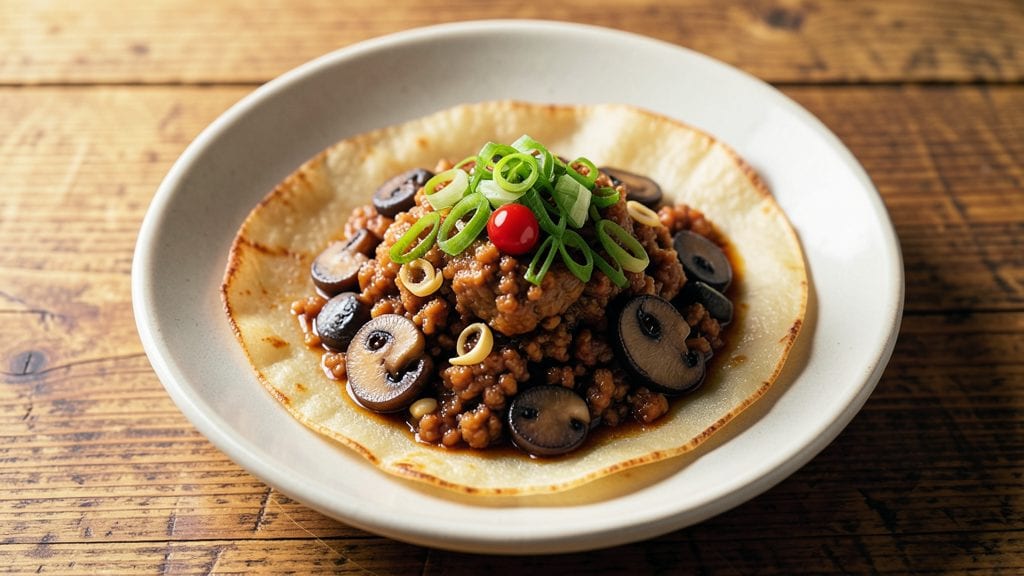
This rice flour steamed recipe transforms simple ingredients into delicate dumplings with a silky, melt-in-your-mouth texture that rivals professional results. The key lies in rice flour’s unique ability to create light, airy structures when steamed—unlike wheat flour, it produces a delicate, almost translucent finish that’s both satisfying and elegant.
I developed this recipe after years of experimenting with Asian dumpling techniques, and it’s now my go-to for both weeknight meals and special occasions.
The process is surprisingly straightforward: rice flour binds the filling while steaming creates that signature tender-yet-firm bite. Unlike traditional wheat-based dumplings, these require no frying—just a steamer basket, a few minutes of prep, and patience for the perfect rise.
The result is a dish that’s equally at home as a side or light main course, with endless filling possibilities from classic pork to vegetarian options.
What makes this recipe stand out is the texture—each dumpling achieves that coveted balance of silky interior and subtle crispness at the edges, achieved through precise steaming times and rice flour’s natural properties.
The dumplings hold their shape beautifully while remaining tender, and they absorb flavors wonderfully, making them perfect for serving with dipping sauces or as part of a larger meal.
Whether you’re preparing for a family dinner or simply craving something light yet substantial, this rice flour steamed recipe delivers professional-quality results with minimal effort.
The technique is foolproof once mastered, and the versatility means you can adapt it to any dietary preference while maintaining that delicate, airy texture that defines the best dumpling recipes.
Ingredients for rice flour steamed
Rice flour transforms ordinary fillings into delicate, melt-in-your-mouth dumplings with restaurant-quality texture.
| Ingredient | Amount | Notes |
|---|---|---|
| Rice Flour 🍚 | 1 ½ cups | Glutinous or short-grain preferred |
| Hot Water 💧 | 1 ½ cups | Boiled and cooled slightly |
| Ground Pork 🥩 | 1 lb | Lean, finely minced preferred |
| Shiitake Mushrooms 🍄 | ½ cup | Stems removed, finely chopped |
| Green Onions 🧅 | ¼ cup | White and green parts, chopped |
| Garlic Cloves 🧄 | 3 cloves | Minced, fresh preferred |
| Ginger Root 🌿 | 1 tbsp | Fresh, finely grated |
| Soy Sauce 🍶 | 2 tbsp | Light or all-purpose |
| Sesame Oil 🫒 | 1 tsp | Toasted, for aroma |
| Salt 🧂 | ½ tsp | Diamond Crystal kosher |
| White Pepper 🌶️ | ¼ tsp | Freshly ground |
| Vegetable Oil 🫒 | 1 tbsp | For light brushing |
The rice flour is non-negotiable—it’s what gives these dumplings that signature silky texture. Bob’s Red Mill or King Arthur brands work perfectly, but if you can find Japanese short-grain rice flour, it’s worth the splurge for the extra tenderness. The hot water needs to be just off-boil, not scalding, to avoid toughening the dough. For the filling, fresh shiitake mushrooms add umami depth, but dried ones work too if rehydrated first. The pork should be finely minced—food processor or knife, whichever you prefer. I always double-check my garlic and ginger are fresh; nothing kills flavor faster than old aromatics.
No rice flour? Arrowroot powder at half the amount gets you close, though texture will be slightly firmer. Short on pork? Ground chicken or shrimp works beautifully, just adjust the seasoning slightly. The soy sauce can be swapped for coconut aminos if you’re avoiding sodium. For a vegetarian version, mushroom and tofu filling with extra sesame oil delivers amazing results. The sesame oil is a game-changer—use the toasted kind for that nutty aroma. If you’re making these ahead, keep the dough separate from the filling until ready to assemble to prevent sogginess.
The dough keeps for 2 days wrapped tightly in plastic in the fridge, but it’s best used fresh. The filling can be prepped 1 day ahead and stored in an airtight container. Once assembled, these dumplings steam in just 8-10 minutes—set a timer, they rise faster than you think! For extra crispness, brush with a little more vegetable oil before steaming. Leftovers reheat beautifully in the steamer for 2-3 minutes—they’re even better the next day as the flavors meld.
Why You'll Love This Recipe
- Steam in Minutes: I swear, this takes less time than waiting for the kettle to boil. Mix rice flour with hot water—boom, dough ready. No kneading, no resting, just shape it, steam it, and you’re done. That’s 15 minutes saved right there.
- Umami Bomb: The shiitake mushrooms soak up the steam like a sponge, turning tender with this deep, earthy punch. Then there’s the ground pork—savory, slightly charred at the edges—cutting through with green onions that add a fresh bite. It’s the kind of flavor that sticks with you.
- Leftover Goldmine: This stuff reheats like a dream. Cold in the fridge? Toss it in the microwave for 30 seconds, and it’s still got that steamed texture. Pack it for lunch, freeze half for later, or bring it to a potluck—it’s the dish that never lets you down.
- Budget Meal Hero: Ground pork and mushrooms stretch into a full meal without breaking the bank. Rice flour’s cheap, and you can use day-old bread or even stale rice to bulk it up. Honestly, it’s the kind of recipe that makes grocery day feel like a win.
Step-by-step instructions for light and airy rice flour dumplings
Here's how to create silky, cloud-like dumplings with perfect texture every time—no shortcuts, just precision.
Prepare the Filling with Maximum Flavor Development
In a large mixing bowl, combine the 1 lb ground pork, 0.5 cup finely chopped shiitake mushrooms, 0.25 cup chopped green onions, 3 minced garlic cloves, and 1 tbsp finely grated ginger root. This aromatic blend forms the heart of your dumplings, so don't rush the prep—chop everything uniformly for even distribution.
Add the 2 tbsp soy sauce, 0.5 tsp salt, and 0.25 tsp white pepper to the pork mixture. Using your hands (wear gloves if preferred), knead the filling for 3-4 minutes until the pork releases its natural juices and everything clings together like a cohesive paste. This step ensures maximum flavor infusion and prevents dry dumplings later.
Real talk: If your pork feels too dry after mixing, add 1 tsp hot water at a time until it reaches a sticky, moldable consistency. The filling should hold together when pressed between fingers but still be pliable enough to shape easily. Cover and let it rest for 15 minutes while you prepare the rice flour batter—this relaxation period makes wrapping the dumplings effortless.
Create the Signature Rice Flour Batter
In a separate bowl, whisk together the 1.5 cups rice flour and 1.5 cups hot water (cooled to 120°F) until completely smooth. I use a fork first to break up lumps, then switch to a whisk for 5-7 minutes until the batter has a velvety, pudding-like consistency with no visible grit. This is your secret weapon for achieving that signature silky texture—patience here pays off dramatically.
Here's the thing—your batter should be thick enough to coat the back of a spoon but still flow smoothly when poured. If it's too thick after whisking, add 1 tbsp hot water at a time until it reaches the perfect pouring consistency. The goal is a batter that clings to your fingers when you dip them in but doesn't drip excessively. Cover the bowl and let it sit for 10 minutes to thicken slightly before using.
Assemble Dumplings with Precision Wrapping
Line a steamer basket with parchment paper cut to fit, then lightly brush the paper with 1 tbsp vegetable oil to prevent sticking. Using a small spoon or your fingers, scoop 1 tbsp of pork filling and roll it into a 1-inch diameter ball. Press gently to flatten slightly—this creates a stable base for wrapping.
Dip your finger into the rice flour batter and draw a thin line around the edge of the pork ball. Then, carefully press a 2-inch square of parchment paper (cut from a larger sheet) over the top, sealing the edges completely. The key here is to create an airtight seal—any gaps will cause steam to escape during steaming, resulting in dense dumplings instead of light, airy ones.
Place each wrapped dumpling 1 inch apart in the prepared steamer basket. Work quickly but carefully—you'll want to steam them all at once for even cooking. Once all dumplings are assembled, cover the basket with a damp kitchen towel to prevent water from dripping onto them during steaming.
Steam to Perfection with Temperature Control
Bring 2 inches of water to a rolling boil in your steamer pot. Once boiling, carefully place the dumpling basket inside and cover tightly with the lid. Steam over medium-high heat for 12-15 minutes—this is where the magic happens. The dumplings are done when the parchment paper peels away easily and the filling is hot but not boiling when you cut into one.
I know it seems counterintuitive, but don't overcook these dumplings. The rice flour batter continues to cook slightly after removal, and oversteaming will turn them gummy. Test one at the 12-minute mark—if it's perfectly tender with just a hint of resistance when you press it with a chopstick, you're golden. Remove from heat immediately after they're done and let them rest for 2 minutes before serving.
Serve with Flavorful Presentation
Unwrap each dumpling carefully and transfer to a serving platter. Drizzle with 1 tsp sesame oil and garnish with additional chopped green onions for vibrant color and freshness. The sesame oil adds a nutty aroma that complements the savory pork filling beautifully.
Serve immediately while still warm—these dumplings are best enjoyed straight from the steamer when the rice flour batter has that perfect silky consistency. Pair with a dipping sauce of soy sauce mixed with a touch of rice vinegar for the ultimate experience. Each bite should deliver that signature light, airy texture with bursts of umami from the pork and mushrooms.
Pro Tips For Making Rice Flour Steamed
- STEAM FAST, NOT LONG: I learned this the hard way—rice flour cakes need high heat to steam properly. If you’re using a bamboo steamer, bring water to a rolling boil before adding the cakes, then cover tightly. No peeking; steam for 12-15 minutes max. Oversteaming turns them gummy, and no one wants that.
- SOAK MUSHROOMS FIRST: Skip this, and your shiitake mushrooms will stay chewy and underwhelming. Soak dried shiitake in hot water for 20 minutes, then slice them thick—about ¼ inch. The extra moisture makes them tender, and the thick slices hold up better when mixed into the rice flour batter. (Yes, even if you’re impatient like me.)
- CHILL THE BATTER: Mixing the rice flour, hot water, and ground pork right away? You’re asking for a dense, heavy cake. Let the batter sit for 10 minutes after mixing—this lets the starches absorb properly. Then, if you’re stuffing green onions inside, do it before shaping. Cold batter sticks better and keeps the filling from oozing out during steaming.
- USE A LIGHT HAND: Packing the rice flour mixture too tightly makes the cakes dense and dry. Press the batter gently into your molds or steamer cups—just enough to hold shape. Think "cloud-like," not "brick." If it feels like you’re wrestling with the dough, you’re overdoing it. (Your future self will thank you.)
Essential equipment for this recipe
Steamer Essentials
You’ll need a bamboo or stainless steel steamer basket that fits snugly inside your pot—12-inch diameter works perfectly for 16-20 dumplings. I swear by the OXO Good Grips model for its even heat distribution and durable construction.
The pot should be at least 3 quarts to accommodate the basket and 2 inches of water without overflowing when steam builds. 🌡️
For the parchment paper, use 100% pure parchment sheets (like Reynolds)—they’re sturdy enough to hold their shape during steaming and won’t tear when unwrapping. Cut 2-inch squares for each dumpling’s lid and one large sheet to line the basket.
The oil for brushing? Avocado oil has the highest smoke point (520°F) and adds a neutral flavor that won’t compete with your filling.
Batter Tools
The rice flour batter demands precision, so grab a whisk with a long handle (like OXO Good Grips) to avoid arm fatigue during those 5-7 minutes of whisking. A small mixing bowl (8-inch diameter) keeps the batter contained while you work.
For testing consistency, I use a silicon spatula—it’s heat-resistant and won’t scratch your bowls. A thermometer (like Thermoworks Thermapen) ensures your hot water is exactly 120°F—any hotter and you risk toughening the batter. 💡
Assembly Gear
Wrapping dumplings efficiently requires small silicone spatulas (for scooping filling) and sharp kitchen scissors (for cutting parchment squares). A small offset spatula helps press the parchment edges sealed without crushing the filling.
For portioning, I use a 1-tablespoon ice cream scoop—it gives consistent-sized balls every time. Keep a small bowl of water nearby to dip your fingers between batches and prevent sticking. 🧤
Optional Upgrades
If you’re serious about dumpling-making, invest in a mandoline slicer (like OXO Good Grips) for perfectly uniform parchment squares—saves time and frustration. A dumpling press (like Kingarthur’s) speeds up assembly, though it’s not essential.
For reheating leftovers, a multi-tiered steamer (like Presto) lets you steam multiple batches simultaneously without crowding. The 1-tsp sesame oil for finishing? Grab Kadoya’s toasted sesame oil—it’s the gold standard for aroma and flavor. ✨
Nutrition facts
Frequently asked questions
Can I substitute regular flour for rice flour in this recipe?
The texture will be completely different—rice flour creates that signature silky, almost translucent finish that regular flour can't replicate. For a similar effect, try arrowroot powder (use half the amount) or tapioca starch, though the results won't be identical. The rice flour's unique properties are what make these dumplings so light and airy.
How do I prevent the dumplings from sticking to the parchment paper?
Lightly brush the parchment with vegetable oil before assembling the dumplings, and make sure your filling isn't too wet. The key is creating an airtight seal when wrapping—press the edges firmly but gently to avoid crushing the filling. If they still stick, try using a slightly larger parchment square for better coverage.
What's the best way to reheat leftover rice flour dumplings?
Steam them again for 2-3 minutes in a bamboo steamer over boiling water—they'll regain that perfect silky texture. Avoid microwaving, as it can make them gummy. Store leftovers in an airtight container in the fridge for up to 3 days or freeze for 1 month (thaw overnight in the fridge before reheating).
Can I make these dumplings vegetarian?
Swap the pork for finely minced mushrooms and tofu, or use lentils and walnuts for texture. Boost umami with soy sauce, mushrooms, and a dash of miso paste. The rice flour batter works beautifully with any filling—just ensure it's moist enough to bind properly during steaming.
Why did my dumplings turn out dense instead of light and airy?
Oversteaming is the most common culprit—remove them as soon as the parchment peels away easily (12-15 minutes max). Other issues could be: underwhisking the batter (needs 5-7 minutes of whisking), gaps in the parchment seal (steam escapes), or using cold water for the batter (must be 120°F). Double-check each step for these potential pitfalls!