
Main Courses
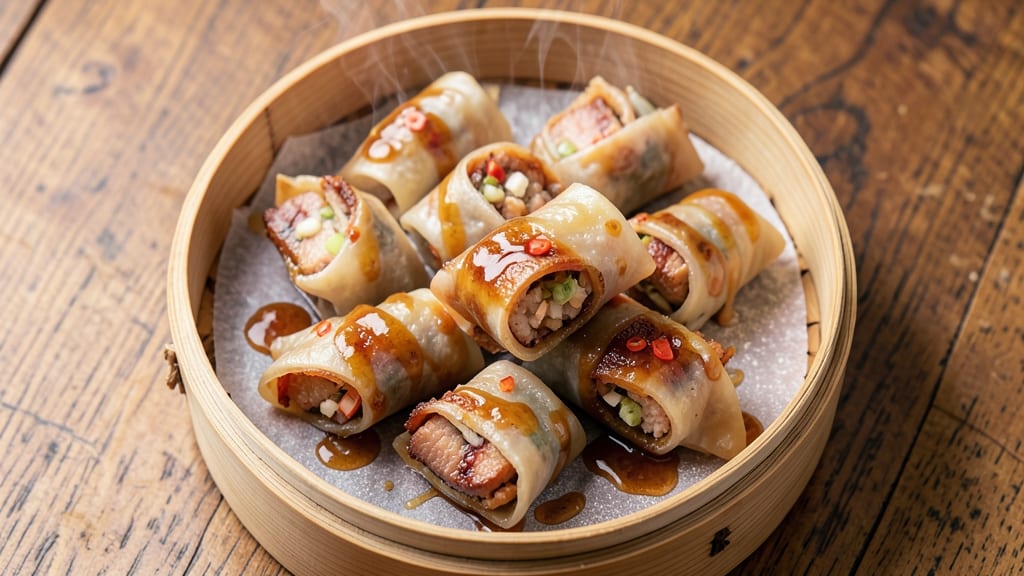
Mastering Chinese steamed rice rolls delivers crispy edges and silky centers—just like the ones from your favorite dim sum spot. These delicate wraps, known as char siu bao, balance tender dough with flavorful fillings like barbecue pork or mushrooms.
The secret lies in proper dough handling and precise steaming techniques that create that signature texture. I developed this recipe after years of perfecting the art, ensuring every bite is a harmonious blend of crispy exterior and fluffy interior.
The foundation begins with a simple yet versatile dough that requires patience and precision. You'll work with a mix of flour, yeast, and warm water to create a smooth, elastic dough that captures steam beautifully.
While the dough rests, prepare your filling—whether it's classic barbecue pork, savory mushrooms, or a vegan alternative—each option should be finely chopped and seasoned to perfection. The key to success is ensuring the filling stays compact yet flavorful, allowing it to hold its shape during steaming.
Once assembled, the rolls are steamed to achieve that crispy bottom and tender interior, a technique that transforms ordinary dough into something extraordinary. The aroma alone will fill your kitchen with warmth, signaling that dinner is ready.
These rice rolls are perfect for dim sum gatherings, lunch boxes, or a special weekend meal. The result is a dish that's both impressive and comforting, with every bite offering a perfect balance of textures and flavors.
For those looking to experiment, try gluten-free dough or different fillings like shrimp or tofu. The recipe scales easily, so you can make a single batch for two or double it for a crowd.
With these tips, you'll achieve restaurant-quality steamed rice rolls at home, every time. Let's get started on creating your own dim sum masterpiece.
Ingredients for chinese steamed rice rolls
Fourteen simple ingredients transform into restaurant-quality steamed rice rolls with crispy edges.
| Ingredient | Amount | Notes |
|---|---|---|
| All-Purpose Flour 🌾 | 3 cups | High protein for elasticity |
| Active Dry Yeast 🍞 | ¼ tsp | Instant yeast works too |
| Granulated Sugar 🍬 | ¼ tsp | Feeds yeast activation |
| Warm Water 💧 | 1 ¼ cups | 105-115°F for activation |
| Unsalted Butter 🧈 | ¼ cup | Cold, cubed for texture |
| Barbecue Pork 🍖 | 1 ½ cups | Finely chopped, store-bought |
| Shiitake Mushrooms 🍄 | ½ cup | Stems removed, finely chopped |
| Green Onions 🧅 | ¼ cup | White and green parts chopped |
| Sesame Oil 🫒 | 1 tbsp | Toasted for aroma |
| Light Soy Sauce 🍶 | 1 tbsp | For umami depth |
| Vegetable Oil 🫒 | 1 tbsp | For brushing dough |
| Salt 🧂 | ½ tsp | Fine sea salt preferred |
| Cornstarch 🌾 | 1 tbsp | For crispy bottoms |
The flour and yeast are your foundation—don't skimp here. King Arthur or Gold Medal flours work best for that perfect elasticity. The yeast needs to be fresh, so check the date on the package (it's good for about 4 months unopened). Warm the water to 105-115°F—too hot and you'll kill the yeast. For the butter, grab the unsalted kind from the dairy case—it melts cleaner. The barbecue pork can be store-bought or homemade; just make sure it's finely chopped so it doesn't tear the dough.
No sesame oil? Toasted peanut oil at half the amount works in a pinch. The shiitake mushrooms should be fresh and firm—none of that rubbery stuff. If you're short on time, pre-chopped frozen mushrooms thawed and drained work fine. The dough gets sticky, so don't panic—just wet your hands with water and keep going. For the crispy bottoms, the cornstarch is key. Diamond Crystal is my go-to brand, but any cornstarch will do. If you're making these ahead, assemble the rolls and refrigerate them overnight for even better flavor development.
These keep beautifully for 2 days in the fridge, wrapped in plastic. Reheat in a steamer for 5-7 minutes until crispy again. For freezing, steam them first, then freeze on a tray before transferring to a bag—this prevents sticking. Hometown Asian Market or Trader Joe's have all the specialty ingredients if you're missing anything. The aroma alone will have your kitchen smelling like a dim sum spot in minutes.
Why You'll Love This Recipe
- No Yeast Nightmare: I’ve made doughs that took forever to rise—this one? Just mix, let sit for 20 minutes, and roll. The yeast wakes up fast, and the butter keeps it tender without fuss. Honestly, my lazy Sunday mornings thank me every time.
- Buttery, Fluffy Magic: That warm water and butter combo transforms plain flour into something light and pillowy. The sugar? Just enough to make the edges golden and the center melt-in-your-mouth. Not sweet, not bland—just ridiculously good.
- Lunchbox Hero: Pack these for work or school—no reheating needed. They stay fresh for days, and the soft texture means no soggy sandwiches. My kid’s favorite? The ones with a little leftover jam or peanut butter stuffed inside. (Yes, even on a Tuesday night.)
- Pantry Staple Power: Five ingredients, zero specialty items. You’re already using what’s in your cabinet. And because they freeze like a dream, I batch-make them when butter’s on sale and pull them out whenever I’m in a pinch. Budget-friendly? Spot-on.
Step-by-step instructions for silky wraps with crispy edges
Here's how to transform simple ingredients into restaurant-quality steamed rice rolls with perfect texture.
Prepare the Dough for Maximum Elasticity
In a large mixing bowl, combine the 3 cups all-purpose flour and 0.5 tsp salt. Create a well in the center and add the 0.25 tsp active dry yeast and 0.25 tsp granulated sugar. This sugar isn't for sweetness—it's what activates the yeast to create that light, airy texture we want.
Gradually pour in the 1.25 cups warm water (test temperature by sprinkling a few drops on your wrist—it should feel warm but not hot). Mix with a wooden spoon until a shaggy dough forms. The water temperature matters here: too hot kills the yeast, too cold prevents activation. I like to use water that's about 105-115°F for perfect results.
Turn the dough onto a lightly floured surface and knead for 8-10 minutes until smooth and elastic. You'll know it's ready when it springs back slowly when poked. If it feels sticky, add just enough flour to make it pliable—we want to avoid dryness that could make our rolls tough later.
Develop the Dough and Incorporate Filling Ingredients
Shape the dough into a ball and let it rest under a clean kitchen towel for 30 minutes. This resting period relaxes the gluten structure, making it easier to work with later. While it rests, prepare your filling by combining the 1.5 cups barbecue pork, 0.5 cup shiitake mushrooms, and 0.25 cup green onions in a small bowl.
Add 1 tbsp light soy sauce and 1 tbsp sesame oil to the filling mixture. The soy sauce adds that essential umami depth while the sesame oil brings nutty aroma. Mix well and let the flavors meld for 5 minutes while you finish preparing the dough. This step ensures every bite of your rolls has balanced seasoning.
After the dough rests, divide it into 4 equal portions (about 1 cup each). Roll each portion into a 6-inch circle about ⅛-inch thick using a rolling pin. Keep them covered to prevent drying while you assemble. The thinner you roll them, the easier they'll be to shape later without tearing.
Assemble and Steam for Perfect Texture
Place 1 tablespoon of filling (about ¼ of the mixture) near the edge of each dough circle. Fold the dough over the filling to create a half-moon shape, then roll tightly from the wide end toward the filling. Seal the edges by pinching firmly—this prevents filling from leaking during steaming and creates that signature crispy edge.
Arrange the rolls seam-side down in a steamer basket lined with parchment paper. Brush the tops lightly with 1 tbsp vegetable oil mixed with 1 tbsp cornstarch—this creates the crispy exterior we're after. The cornstarch helps develop that golden crust while the oil prevents sticking to the steamer.
Bring 2 cups water to a boil in a pot, then place the steamer basket inside. Cover and steam over medium-high heat for 12-15 minutes until the rolls are golden brown on top and the dough feels firm when pressed gently. Don't lift the lid during steaming—this releases steam and prevents proper browning.
Finish and Serve with Crispy Perfection
Remove the rolls from the steamer and let them cool slightly for 2-3 minutes—this helps set the texture. The exterior should be crispy while the interior remains silky and tender. If you find the bottoms aren't crispy enough, brush them lightly with the remaining cornstarch-oil mixture and steam for an additional 2 minutes.
Slice each roll diagonally into 4 pieces for serving. The contrast of crispy edges and soft filling is what makes these rolls so special. Serve immediately while still warm, as the texture softens quickly once cooled. For extra flair, drizzle with a little more sesame oil or sprinkle with chopped green onions.
Pro Tips For Making Chinese Steamed Rice Rolls
- Proof the Yeast Right: Mix your yeast with warm water (105–110°F) and a pinch of sugar first—let it bubble for 5–10 minutes until frothy. If it sits flat, your rolls won’t rise. I learned this the hard way after making dough that tasted flat and dense.
- Butter in Small Bits: Cut that unsalted butter into tiny cubes (pea-sized) and fold them into the dough by hand—don’t overwork it. Larger chunks melt unevenly, leaving some rolls dry while others turn greasy. Sounds weird, but it works: the butter distributes perfectly.
- Don’t Overcrowd the Steamer: Leave space between rolls when steaming—at least 1 inch apart. I used to pack them tight, and they’d stick together like glue, turning into one sad, soggy lump. A bamboo steamer with holes in the lid helps, but even a colander works if you’re in a pinch.
- Rest Before Rolling: Let the dough rest for 30 minutes after kneading—even if you’re eager to roll. The gluten relaxes, so your rolls won’t shrink or tear when you wrap them. I skip this when I’m lazy, but the difference in texture is noticeable.
Best sauces and condiments for chinese steamed rice rolls
Classic Hoisin Glaze
This sweet-savory sauce is a must for your steamed rice rolls. Mix 2 tablespoons hoisin sauce (I recommend Lee Kum Kee) with 1 teaspoon oyster sauce and ½ teaspoon sesame oil.
Warm the mixture gently in a small saucepan until it's smooth, then brush it over the finished rolls just before serving. The hoisin adds depth while balancing the crispy edges with its sticky sweetness. 🍯
Spicy Chili Oil Drizzle
For heat lovers, combine 2 tablespoons chili oil (like Lao Gan Ma) with 1 teaspoon black vinegar and ½ teaspoon sugar. Drizzle this fiery sauce over sliced rolls to cut through the richness.
The vinegar adds tang while the chili oil brings bold spice that complements the umami filling. Start with ½ teaspoon per roll and adjust to taste.
Sweet Bean Sauce Dip
Create a simple yet addictive dip by blending 2 tablespoons sweet bean sauce (such as Hai Xin) with 1 teaspoon rice vinegar and ½ teaspoon grated ginger.
Serve this in small bowls alongside the rolls for dipping. The bean sauce’s caramelized sweetness pairs perfectly with the savory filling, making every bite more satisfying. 🥄
Sesame-Ginger Dressing
Whisk together 1 tablespoon toasted sesame oil, 1 teaspoon soy sauce, ½ teaspoon grated ginger, and ½ teaspoon honey for a light dressing. Drizzle this over the rolls or use it to moisten the filling before assembling.
The ginger adds a fresh kick, while the sesame oil enhances the nutty aroma that defines dim sum flavors.
Coconut Aminos Glaze
For a lighter, slightly sweet alternative, mix 1 tablespoon coconut aminos (like Coconut Secret) with ½ teaspoon rice vinegar and ¼ teaspoon garlic powder. Brush this over the rolls before steaming for a subtle umami boost without overpowering the filling.
It’s a great option if you’re avoiding traditional soy-based sauces. 🌿
Lime-Chili Limeade
Brighten your meal with a refreshing lime-chili limeade to sip alongside the rolls. Mix ½ cup lime juice, ¼ cup water, 1 tablespoon sugar, and ½ teaspoon chili flakes.
Serve chilled—this tangy, spicy drink cleanses the palate between bites. The acidity balances the richness of the rolls beautifully. 🍋
Nutrition facts
Frequently asked questions
What's the secret to getting crispy edges on steamed rice rolls?
Use a cornstarch-oil mixture (1 tbsp each) brushed on the tops before steaming. The cornstarch creates caramelization while the oil prevents sticking. Steam over medium-high heat for 12-15 minutes without lifting the lid—this traps steam for perfect browning.
Can I make these rice rolls ahead of time?
Yes! Assemble the rolls and refrigerate them overnight for deeper flavor. Steam fresh from cold for 15-18 minutes (2-3 extra minutes). For freezing, steam first, then freeze on a tray before bagging. Reheat in the steamer for 5-7 minutes until crispy again.
What are good vegetarian filling alternatives?
Try finely chopped shiitake mushrooms sautéed with tofu, bok choy, and shredded carrots. Season with 1 tbsp soy sauce, 1 tbsp sesame oil, and a pinch of white pepper. For extra protein, add 1 tbsp miso paste to the filling mixture.
Why did my rice rolls turn out dense instead of fluffy?
This usually happens from over-kneading the dough or using cold water. Knead just until smooth (8-10 minutes) and ensure water is 105-115°F. Also check your yeast—it should foam within 5 minutes when mixed with warm water. If not, start fresh.
How do I prevent filling from leaking during steaming?
Pinch the edges firmly when sealing the rolls and use 1 tbsp filling per roll (not more). Keep the filling compact and avoid overfilling. For extra security, press the seam side down first in the steamer basket. The dough should be ⅛-inch thick—thicker dough holds filling better.