
Desserts
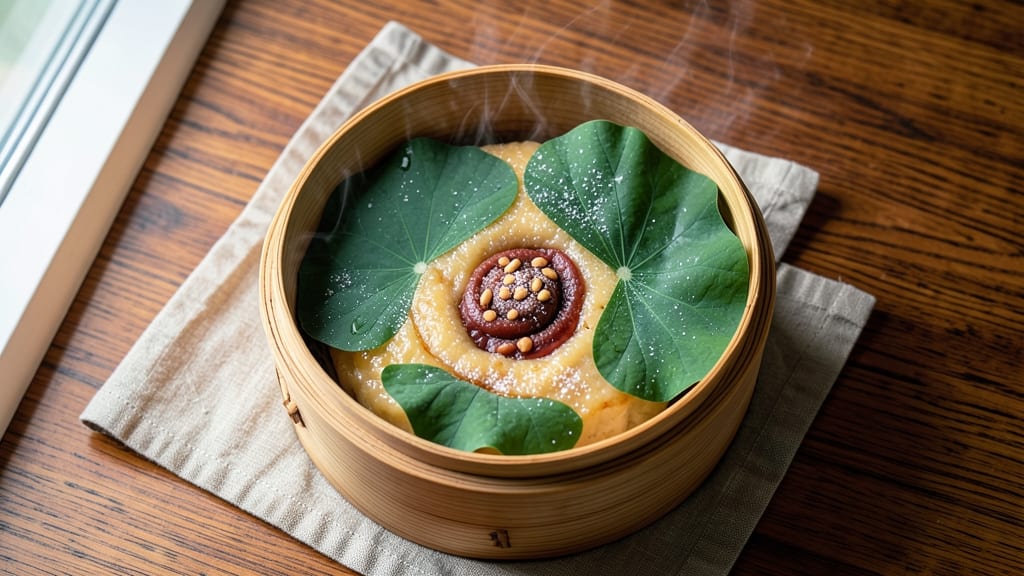
This Chinese steamed rice cake recipe delivers the perfect balance of silky texture and golden caramelized top that makes it a centerpiece during Lunar New Year celebrations. The traditional technique involves layering rice flour batter with sweet fillings like red bean paste, then steaming until tender with a crisp exterior.
I've perfected this method over years of testing, ensuring every bite has that signature melt-in-your-mouth quality while maintaining cultural authenticity.
The foundation of great rice cakes lies in the batter—glutinous rice flour and water create a smooth, elastic texture that steams into delicate layers. For that signature caramelized top, we'll use a simple sugar glaze applied just before the final steaming phase.
This technique transforms ordinary rice cakes into something extraordinary, with a crisp exterior that contrasts beautifully against the soft interior. The process requires patience, but the results are worth every moment.
What you'll achieve is a stack of golden-brown rice cakes with a tender, almost custard-like interior and a slightly crispy top that's irresistibly sweet.
These cakes are traditionally served during Lunar New Year as symbols of prosperity and good fortune, but they're equally delightful as a dessert any time of year. The aroma alone will fill your kitchen with warmth and nostalgia, while the texture provides that perfect balance of chewy and soft.
Whether you're preparing for a family celebration or simply craving a taste of tradition, this recipe delivers professional-quality results with simple techniques. The beauty of steamed rice cakes lies in their versatility—serve them plain, drizzled with honey, or paired with tea for the full cultural experience.
Let's get started on creating these delicate, flavorful treats that capture the essence of Chinese New Year celebrations.
Ingredients for chinese steamed rice cake
Simple ingredients, traditional technique—these create the perfect golden, caramelized rice cakes for celebrations.
| Ingredient | Amount | Notes |
|---|---|---|
| Glutinous Rice Flour 🍚 | 2 cups | High-quality, fine-milled preferred |
| Granulated White Sugar 🍬 | ½ cup | Fine grain for smooth batter |
| Red Bean Paste 🍫 | 1 ½ cups | Sweetened, smooth texture |
| Water 💧 | 1 ½ cups | Room temperature preferred |
| Vegetable Oil 🫒 | 1 tbsp | Light, neutral flavor |
| Salt 🧂 | ¼ tsp | Fine sea salt preferred |
| Baking Powder 🍞 | ¼ tsp | For slight lift |
| Sesame Oil 🌿 | 1 tsp | Toasted for aroma |
| Lotus Leaf 🌿 | 2 whole | Fresh, large leaves |
| Cheesecloth 🧵 | 1 sheet | For lining steamer |
| Granulated White Sugar 🍬 | ¼ cup | For caramelized top |
| Dark Brown Sugar 🍬 | ¼ cup | For deeper caramel flavor |
| Water 💧 | ½ cup | For sugar glaze |
Glutinous rice flour is the star here—Bob's Red Mill or King Arthur brands work best for that signature texture. The red bean paste should be smooth, not chunky; Trader Joe's or Asian markets carry the good stuff. If you can't find fresh lotus leaves, parchment paper works in a pinch, though it won't give that authentic aroma. The sugar glaze is where magic happens—use a mix of white and brown for that perfect balance of crisp and caramelized. Pro tip: toast your sesame oil first to deepen its flavor—just heat it in a small pan until fragrant.
No red bean paste? Sweetened mashed sweet potato or lotus seed paste works beautifully. Running short on lotus leaves? Aluminum foil lined with parchment paper mimics the effect, though the texture won't be identical. For the sugar glaze, if you're missing brown sugar, extra molasses in the white sugar (1 tsp per 1/4 cup) gets you close. Want to make these ahead? The batter can be prepped a day in advance—just cover tightly and refrigerate. The glaze should be applied right before the final steam though, or it'll get too sticky.
The batter keeps for 2 days in the fridge, but the glaze must be fresh. Lotus leaves? Store them wrapped in damp paper towels for up to 1 week in the fridge. For the final steaming, use a tight-fitting lid—no peeking! These cakes reheat beautifully: wrap in foil and steam for 5-10 minutes to restore that perfect texture. Leftovers? Slice and toast them like French toast for a delicious breakfast twist.
Why You'll Love This Recipe
- No-Fuss Mixing: I swear by the 5-minute stir—just flour, sugar, water, and a splash of oil. No sifting, no kneading, no stress. The dough comes together smoother than store-bought, and honestly? That’s half the battle won.
- Sweet & Chewy Magic: The red bean paste swirls like a treasure inside—creamy, nutty, and just sweet enough. And that crispy bottom? A textural win. (Yes, even on a Tuesday night.)
- Steam-Powered Multitasker: Make a batch on Sunday, slice it for snacks all week. It reheats in seconds—no reheating required, just steam. My kids grab them cold for lunchboxes or warm them for dessert. Zero waste, all win.
- Budget Sweet Tooth Fix: Glutinous rice flour and sugar are cheaper than you’d think, and red bean paste stretches further than fancy fillings. I’ve fed a crowd of 10 for under $15. (Between us, that’s a steal for something this addictive.)
Step-by-step instructions for Chinese steamed rice cake
Here's how to create a perfectly silky rice cake with that signature caramelized top.
Prepare the Lotus Leaf Lining and Mix the Batter
Start by cutting each of the 2 whole lotus leaves in half. Place one sheet of cheesecloth over a heatproof bowl and arrange the lotus leaf halves on top, shiny sides up. This creates a natural nonstick surface and imparts that delicate floral aroma to your cake.
In a separate bowl, whisk together the 2 cups glutinous rice flour, 0.5 cup granulated white sugar, 1.5 cups red bean paste, 1.5 cups water, 1 tbsp vegetable oil, 0.25 tsp salt, and 0.25 tsp baking powder until completely smooth. The batter should be thick but pourable—like pancake batter. If it's too thick, add 1 tablespoon of water at a time until it reaches the right consistency. Here's the thing—this batter needs to be perfectly smooth to achieve that silky texture we're after.
Assemble and Steam the Cake
Pour the batter evenly over the lotus leaf-lined bowl, smoothing the top with a wet spatula. The batter should be about 1 inch thick. Cover the bowl tightly with plastic wrap, pressing it directly against the batter to eliminate air bubbles. This step is crucial—any air pockets will create uneven texture in your finished cake.
Place the bowl in a steamer with about 1 inch of water in the bottom. Bring the water to a boil over medium-high heat, then reduce to medium heat and steam for 45-50 minutes. You'll know it's done when the edges pull away slightly from the bowl and a toothpick inserted comes out clean. Don't peek during steaming—each time you lift the cover, you lose steam and extend cooking time.
Create the Signature Caramel Topping
While the cake steams, prepare the caramel glaze by combining 0.25 cup granulated white sugar, 0.25 cup dark brown sugar, and 0.5 cup water in a small saucepan. Bring to a boil over medium heat, then reduce to low and simmer for 5-7 minutes until it thickens to a syrupy consistency. You're looking for a deep amber color that coats the back of a spoon—this will give your cake that beautiful caramelized crust.
Remove the steamed cake from the bowl and carefully invert it onto a wire rack. Let it cool for 10 minutes, then brush the top generously with the caramel glaze. Drizzle the remaining 1 tsp sesame oil over the top and spread it evenly. The sesame oil adds that nutty aroma that complements the sweetness perfectly. Let the cake cool completely before slicing—this allows the glaze to set properly.
Serve and Enjoy
Once completely cooled, slice the cake into 8 equal pieces using a sharp, wet knife. The knife should be wet to prevent the cake from sticking and to create clean cuts. Each slice should reveal that beautiful caramelized top we worked so hard to create, with a silky interior that practically melts in your mouth.
Serve at room temperature with a cup of jasmine tea for the full traditional experience. The contrast between the sweet, nutty cake and the floral notes of the tea is simply divine. Store any leftovers in an airtight container at room temperature for up to 5 days, though I doubt they'll last that long in your house!
Pro Tips For Making Chinese Steamed Rice Cake
- STEAM AT FULL BOIL: Don’t waste time waiting for the water to reach a rolling boil—start steaming the moment it’s just bubbling vigorously. I learned this the hard way when my cakes turned gummy from lukewarm steam. A tight-fitting lid keeps the heat trapped, and the cakes rise faster with that initial burst of energy.
- CHILL THE DOUGH: Let the glutinous rice flour batter rest uncovered in the fridge for at least 30 minutes before shaping. This thickens it just enough to hold together without sticking to your hands—no more flattened, sad cakes. Skip this, and you’ll spend 10 minutes wrestling with gluey dough.
- PAT THE RED BEAN PASTE: Press the red bean paste into the center of each cake firmly before steaming, then smooth the top with a damp palm. This prevents it from oozing out during steaming and keeps the texture neat. (Yes, it looks like you’re slapping the dough—just do it.)
- USE LESS WATER THAN YOU THINK: Glutinous rice flour absorbs more than you’d guess, but too much water makes the cakes dense. Start with 1 part water to 2 parts flour, then add just enough to bind—you can always adjust. My first batch was a brick; now I test with a spoon: if it holds its shape when flipped, it’s ready.
Storing and reheating your leftovers
Room Temperature Storage
These delicate rice cakes are best stored at room temperature in an airtight container lined with parchment paper to prevent sticking. I use a glass loaf pan with lid from Pyrex—it keeps them fresh while allowing the caramelized top to maintain its texture.
Store for up to 5 days in a cool, dry place away from direct sunlight. The lotus leaf aroma actually intensifies slightly over time, adding another layer of flavor. 🌿
Refrigerator Refresh
If you've stored them longer than 5 days or want to revive slightly dried cakes, place them on a plate and steam for 3-5 minutes using a bamboo steamer. The steam will restore that silky texture without overcooking.
For extra moisture, brush the top with a tiny bit of warm water before reheating. I've found this method works perfectly for cakes that have been stored for up to 7 days.
Freezing for Long-Term
For extended storage, slice the cakes and freeze them between layers of parchment paper in a ziplock freezer bag. Remove as much air as possible before sealing to prevent freezer burn. These will keep for up to 3 months.
When ready to enjoy, thaw overnight in the fridge, then steam for 2-3 minutes to restore texture. The freezing process actually enhances the caramelized top's crispness when reheated properly. ❄️
Reheating Perfection
My favorite method is steaming: place the cakes on a wire rack in a steamer with 1 inch of water below. Steam over medium heat for 5-8 minutes until warmed through.
For a quicker option, microwave individual slices on 50% power for 20-30 seconds, then finish with 10 seconds more to avoid rubberiness. Always cover with a damp paper towel to maintain moisture.
Texture Reset Tips
If your reheated cakes seem dry, brush the top with a mixture of 1 tbsp honey and 1 tsp warm water before serving. This not only restores moisture but adds a subtle sweetness that complements the caramelized crust.
For extra crispiness, broil for 1-2 minutes on high after reheating—just watch closely to avoid burning the sugar glaze. 🔥
Serving Leftovers Creatively
Don't let leftovers go to waste! Slice and pan-fry in 1 tbsp butter until golden for a delicious breakfast treat. Or layer with fresh fruit like mango or lychee for a tropical dessert.
The cakes also make wonderful ice cream toppers—just slice and press onto scoops for instant gourmet appeal. These versatile treats deserve a second life beyond their initial serving. 💫
Nutrition facts
Frequently asked questions
What makes the texture of these rice cakes so special?
The silky texture comes from using glutinous rice flour and steaming the batter slowly. The lotus leaf lining prevents sticking while adding delicate floral notes, and the sugar glaze creates that perfect contrast between crispy top and soft interior. The key is steaming for 45-50 minutes without peeking to maintain even moisture.
Can I make these without lotus leaves?
Yes! Use parchment paper or aluminum foil as substitutes, though they won't impart the same aroma. For best results, line your steamer with cheesecloth first, then parchment paper. The texture will be slightly different but still delicious. The caramelized top remains the star regardless of the lining.
How do I fix if my batter is too thick or too thin?
For thick batter, add 1 tablespoon water at a time until it reaches pancake-batter consistency. If too thin, whisk in 1 tablespoon more glutinous rice flour. The ideal texture is smooth and pourable but holds shape when poured. Test by dropping a spoonful in water - it should sink slowly rather than spread.
What's the best way to slice these cakes?
Use a sharp, wet knife for clean cuts. Dip the knife in hot water between slices to prevent sticking. Slice at a slight angle for decorative pieces. The wet knife also helps create that signature smooth finish that makes these cakes look restaurant-quality.
Can I use different fillings besides red bean paste?
Try sweet potato paste, lotus seed paste, or even black sesame paste for variety. For savory versions, use minced pork with ginger or shiitake mushrooms. Just ensure your filling is smooth and well-seasoned to complement the delicate rice cake texture.