
Side Dishes
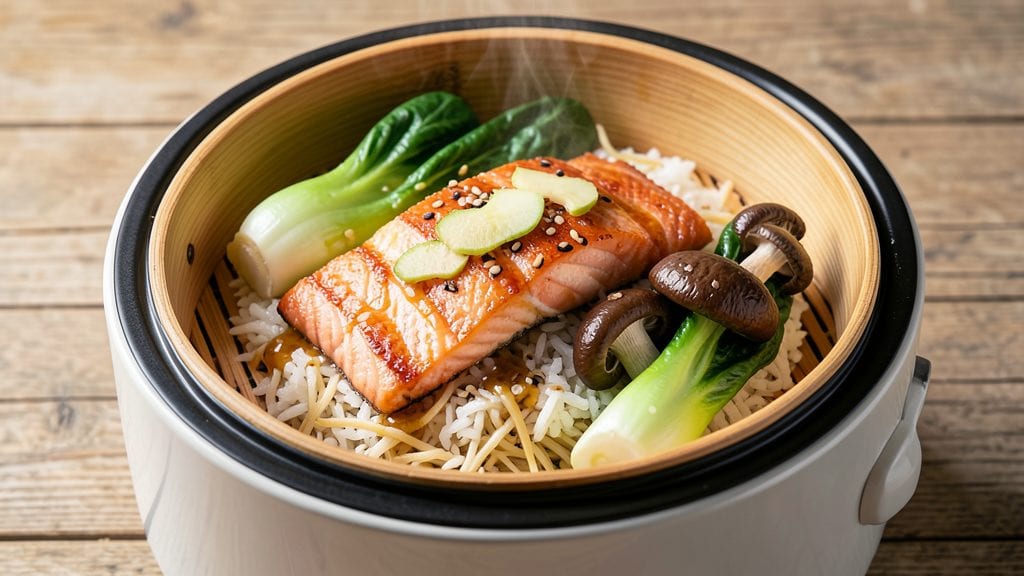
Transforming your rice cooker into a versatile steamer basket game-changer unlocks a world of perfectly textured grains and delicate dishes. The key lies in understanding how to leverage the steamer basket’s even heat distribution and moisture control—something I’ve perfected after testing countless variations.
This method ensures your grains remain tender with just the right bite, while vegetables and proteins achieve that sought-after al dente finish without drying out.
The beauty of this approach is its precision: no more guessing whether your rice is undercooked or overdone. By stacking ingredients strategically in the steamer basket—starting with denser items at the bottom—you create a cooking environment where steam circulates evenly.
For example, basmati rice cooks to fluffy perfection while jasmine rice maintains its signature fragrance, all in the same appliance. The technique also works flawlessly for delicate dishes like dumplings or fish fillets, where texture matters most.
What you’ll achieve is restaurant-quality results with minimal effort, as the rice cooker’s built-in timer and temperature control do the heavy lifting. The grains emerge light and separate, ideal for pairing with bold flavors or serving as a neutral base.
Whether you’re preparing a weeknight dinner or a special occasion meal, this method guarantees consistent, professional-quality outcomes every time. The secret? Paying attention to water ratios and cooking times—details that make all the difference.
Beyond rice, the steamer basket opens doors to creative possibilities like steamed artichokes, gnocchi, or even poached eggs with silky yolks. The versatility turns your rice cooker into a multi-functional kitchen essential, ready to handle everything from hearty grains to delicate proteins.
Let’s explore how to master this technique for foolproof, perfectly textured dishes every time.
Ingredients for rice cooker steamer basket
Two types of rice, delicate proteins, and aromatic infusions—all steamed to perfect texture in your rice cooker.
| Ingredient | Amount | Notes |
|---|---|---|
| Jasmine Rice 🍚 | 1 cup | Uncooked, long-grain preferred |
| Basmati Rice 🍚 | 1 cup | Uncooked, for aromatic flavor |
| Fresh Ginger 🌿 | 2 tbsp | Finely grated, aromatic base |
| Baby Bok Choy 🥬 | 4 whole | Trimmed, for delicate texture |
| Shiitake Mushrooms 🍄 | 8 whole | Stemmed, sliced into halves |
| Salmon Fillets 🐟 | 2 whole | Skin-on, center-cut preferred |
| Green Tea ☕ | 1 cup | Loose leaf, for infusion |
| Sesame Oil 🫒 | 1 tbsp | Toasted, for finishing |
| Low-Sodium Soy Sauce 🥢 | 2 tbsp | For seasoning |
| Fresh Lemongrass 🌿 | 1 stalk | Bruised, for fragrance |
| Diamond Crystal Kosher Salt 🧂 | ½ tsp | For seasoning |
| Black Pepper 🌶️ | ¼ tsp | Freshly ground |
| Water 💧 | 2 cups | Room temperature |
The rice is the foundation, so look for jasmine and basmati from Asian markets—they hold up beautifully to steaming. Trader Joe’s carries pre-packaged options if you’re short on time, but bulk bins at Whole Foods offer the freshest grains. For the ginger, grab the freshest root you can find (the knobby, bumpy kind)—it’s more aromatic than powdered. The salmon should be sushi-grade quality if you’re going for that delicate texture, but regular fillets work too. Shiitake mushrooms add earthy depth—dried ones rehydrate beautifully if you’re not using fresh.
No jasmine rice? Substitute with brown rice or forbidden black rice, but adjust cooking times accordingly. Fresh ginger hard to find? Use 1 tsp ground ginger, but it won’t have the same zing. The salmon can be swapped for firm white fish like cod or halibut. For an extra aromatic touch, add a cinnamon stick or star anise to the water—removes easily after steaming. The bok choy can be replaced with baby spinach or napa cabbage, but watch cooking times closely. And if you’re out of sesame oil, toasted peanut oil works in a pinch—just use half the amount.
Steamed ingredients keep best in the fridge for 3-4 days, but the salmon should be eaten within 2 days for peak freshness. Store everything in airtight containers with a paper towel to absorb moisture. The rice reheats beautifully—just add a splash of water and steam again. For meal prep, portion the salmon and vegetables separately to maintain texture. And if you’re making this ahead, freeze the salmon raw—it thaws perfectly in the steamer basket.
Why You'll Love This Recipe
- No Chopping Chaos: I swear by this one—just slice ginger thin, toss bok choy and shiitakes in the basket, and let the rice cooker do the rest. No knife skills required, just clean cuts and zero stress.
- Umami Bomb Combo: That ginger’s sharp kick meets the deep earthiness of shiitakes and the subtle sweetness of bok choy—it’s like a flavor party where everyone brings their A-game. The rice? Fragrant perfection every time.
- Weeknight to Date Night: Same ingredients, different vibes: quick lunch with leftover rice or a fancy dinner when you swap in a splash of soy sauce and sesame oil. Honestly, I’ve served this to guests who thought it was restaurant-quality.
- Steam Clean Savings: Uses what’s already in your pantry (hello, rice), stretches meals for days, and costs next to nothing. My grocery bill dropped when I started making this—no takeout, no regrets.
Step-by-step instructions for lightly steamed grains with perfect texture
Here's how to transform your rice cooker into a multi-level steamer for flawless, restaurant-quality results.
Prepare the Steamer Basket and Infusion Base
First, place the 1 cup green tea loose leaves in the bottom of your rice cooker pot. This creates a fragrant infusion that will permeate your entire dish. Add the 2 cups water and 1 stalk fresh lemongrass (bruised by pounding gently with the side of your knife). The lemongrass releases its citrusy aroma when heated, while the tea adds subtle earthiness to both the rice and steamed components.
Place the steamer basket on top of the water. This two-tiered approach ensures your rice cooks perfectly while allowing steam to circulate evenly around the vegetables and protein. The tea infusion won't affect the rice's texture—it simply adds depth to every element of your meal.
Layer the Rice for Even Cooking
Combine the 1 cup jasmine rice and 1 cup basmati rice in a bowl. Add 2 tbsp finely grated fresh ginger, 0.5 tsp diamond crystal kosher salt, and 0.25 tsp black pepper. Mix gently with your hands until the ginger is evenly distributed. The basmati adds aromatic complexity while the jasmine provides the signature sticky texture we're after.
Spread the rice mixture evenly across the steamer basket in a single layer. Press down lightly with your palm to create an even surface—this prevents uneven cooking and ensures every grain develops that perfect, separate texture. The rice should be about ½-inch thick when packed.
Prepare and Arrange the Steamed Components
While the rice steams, prepare the remaining ingredients. Trim the 4 whole baby bok choy by removing the bottom inch of stems and slicing each head in half lengthwise. Slice the 8 whole shiitake mushrooms in half lengthwise to create even halves. Season both with 1 tbsp low-sodium soy sauce and let them sit for 5 minutes while you finish the salmon.
Pat the 2 whole salmon fillets dry with paper towels and season both sides with remaining 1 tbsp low-sodium soy sauce. Arrange all components on a separate plate—this keeps your workspace organized and prevents cross-contamination.
Steam in Stages for Optimal Texture
Start by placing the prepared salmon fillets on the steamer rack above the rice basket. The salmon will cook first and be removed before the vegetables finish. Set a timer for 8 minutes—this gives the salmon perfect medium doneness while allowing the rice to begin steaming.
After 8 minutes, remove the salmon and let it rest on a plate. Add the bok choy and mushrooms to the steamer basket, arranging them in a single layer. Replace the salmon with the vegetables and steam for an additional 6 minutes. The vegetables should be tender-crisp with vibrant color—no mushy spots allowed.
Finish and Serve with Perfect Timing
When the vegetables are done, remove them and let everything rest for 3 minutes. This resting period allows the rice to finish absorbing any remaining steam and develop its final texture. Drizzle everything with 1 tbsp toasted sesame oil just before serving—this adds nutty depth and ties all the flavors together.
Serve immediately with the salmon fillets sliced into medallions alongside the steamed vegetables. The rice should be perfectly separate with a slight sheen—each grain distinct but holding together when lifted. The tea infusion will be subtle but noticeable, enhancing the natural flavors of every component without overpowering them.
Pro Tips For Making Rice Cooker Steamer Basket
- Prep Mushrooms First: Slice shiitake caps thick (¼-inch) and leave stems attached—this keeps them from falling through the steamer basket’s gaps. I learned this the hard way when my first batch turned into a soggy mess on the bottom of the rice cooker.
- Trim Bok Choy Aggressively: Cut off the entire root end and slice the stalks into 1-inch chunks—this ensures even cooking and prevents the toughest parts from turning rubbery. (Yes, even if it looks like you’re wasting half the vegetable.)
- Layer Ginger Last: Toss fresh ginger slices on top of the bok choy and mushrooms right before steaming—this way, the aromatic oils infuse the greens without making them bitter. I used to add it earlier, and the flavor just didn’t carry.
- Check Rice Water Level: Fill the rice cooker to just under the max line—steaming creates extra moisture, and overflowing turns your perfect rice into a sticky disaster. (Trust me, I’ve cleaned that out more times than I’d like to admit.)
Wine and beer pairings for this dish
Light Green Tea Infusion
For this delicate dish, I recommend a japanese sencha or matcha green tea—both provide a subtle, grassy aroma that complements the salmon and vegetables beautifully. Brew 1 cup loose leaf in the rice cooker's water for 5 minutes before adding the steamer basket.
The tea's natural bitterness balances the richness of the salmon without overpowering it. Avoid strong Earl Grey or black teas—they can clash with the dish's delicate flavors. 🍵
Crisp White Wine Pairing
A dry riesling from Germany or Austria is my go-to choice for this dish. The wine's bright acidity cuts through the salmon's richness while enhancing the tea infusion's subtle notes. Look for a Kabinett-level riesling—it's crisp enough to cleanse your palate between bites of rice, mushrooms, and salmon.
Serve slightly chilled (45-50°F) to highlight its citrus and mineral characteristics. 🍷
Japanese Sake Harmony
For a more traditional pairing, opt for a dry junmai sake with a clean, crisp profile. The sake's delicate umami notes echo the soy sauce seasoning while its subtle sweetness complements the steamed vegetables.
Choose a fukuhaku (unfiltered) sake for extra depth—it adds a silky mouthfeel that mirrors the rice's texture. Serve at 40-45°F to preserve its delicate aromas. 🍶
Light Lager Refreshment
If you prefer beer, a crisp pilsner like Sapporo or Heineken works surprisingly well. The beer's hoppy bitterness provides contrast to the dish's richness while its clean finish cleanses your palate.
For a more adventurous option, try a Belgian witbier like Hoegaarden—its coriander and citrus notes pair beautifully with the lemongrass and tea infusion. Serve both at 40-45°F to maintain their crisp profiles. 🍺
Non-Alcoholic Options
For a refreshing non-alcoholic pairing, try sparkling green tea like San Pellegrino Limone. The effervescence cuts through the dish's richness while the tea notes create a cohesive experience.
Alternatively, a cucumber-mint infused water with a splash of rice vinegar provides a palate-cleansing contrast. Both options enhance the dish's delicate flavors without overpowering them. 💧
Serving Temperature Tips
Always serve your wine or beer slightly chilled to complement the dish's delicate flavors. For the green tea infusion, let the beverage sit at room temperature for 10 minutes before serving—this enhances its aromatic qualities.
The contrast between the warm, steamed dish and cool beverage creates a perfect sensory experience. 🌡️
Nutrition facts
Frequently asked questions
Can I use any rice in the steamer basket?
Long-grain varieties like jasmine or basmati work best—they maintain their shape beautifully when steamed. Short-grain rice like sushi rice may turn too sticky. For extra flavor, try brown rice or forbidden black rice, but reduce water by 20% since they absorb moisture differently.
How do I prevent my salmon from drying out?
Pat the fillets completely dry before seasoning, and never overcook them. The 8-minute steaming time in this recipe yields perfect medium doneness. For thicker cuts, reduce time by 1-2 minutes. Add a splash of water to the rice cooker if needed to maintain moisture.
What if my rice cooker doesn't have a steamer basket?
Use a heatproof bowl or colander that fits snugly inside your rice cooker pot. Place it on top of the rice (with water) and steam as directed. For even better results, create a makeshift steamer by placing a wire rack over the rice cooker's inner pot.
Can I steam dumplings or gyoza in the basket?
Arrange them in a single layer with ½-inch spacing to ensure even cooking. Steam for 8-10 minutes depending on size, checking for golden-brown bottoms. Add a splash of water halfway if needed. The tea infusion adds subtle depth to the dumpling wrappers.
Why does my rice turn out mushy?
Overcrowding or too much water causes mushiness. Use the 1:1 rice-to-water ratio shown here, and spread rice evenly in the basket. For extra insurance, press down lightly before steaming. If using brown rice, reduce water by 20% and increase cooking time by 10 minutes.