
Main Courses
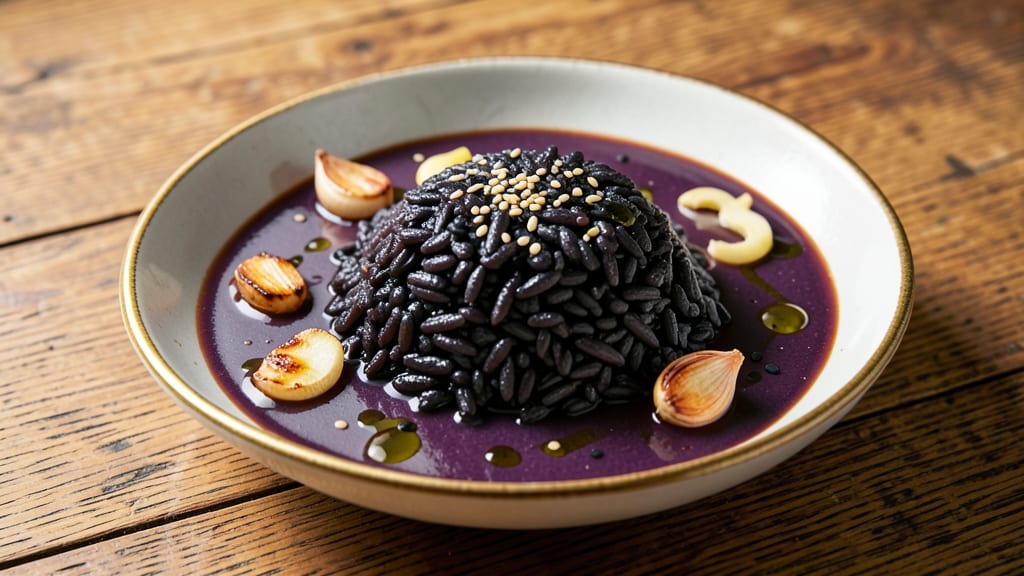
Bolay Forbidden Black Rice transforms humble grains into a dish steeped in tradition and nutty richness. This ancient purple rice, known as "forbidden" for its imperial origins, delivers an earthy depth that elevates any meal. The secret lies in proper soaking and gentle cooking to preserve its vibrant color and complex flavor profile.
With its naturally sweet, slightly nutty taste and striking purple hue, this rice pairs beautifully with grilled meats, stir-fried vegetables, or as a standalone centerpiece. The preparation method—soaking overnight followed by slow simmering—ensures perfect texture while unlocking its full potential.
Ready in about 45 minutes, this dish brings centuries-old flavor to your modern table.
Ingredients for bolay forbidden black rice
Ancient grains meet modern techniques—these ingredients unlock forbidden rice's full nutty potential.
| Ingredient | Amount | Notes |
|---|---|---|
| Bolay Forbidden Black Rice 🌾 | 1 cup | Uncooked, unrinsed for full color retention |
| Water 💧 | 3 cups | Filtered preferred for best flavor |
| Vegetable Broth 🍲 | 1 cup | Low-sodium for flavor control |
| Olive Oil 🫒 | 1 tbsp | Extra-virgin for subtle richness |
| Garlic Cloves 🧄 | 3 cloves | Minced for aromatic depth |
| Fresh Ginger 🌿 | 1 tbsp | Grated, for earthy balance |
| Sesame Oil 🌰 | 1 tsp | Toasted, for nutty aroma |
| Soy Sauce 🍶 | 1 tbsp | Tamari for gluten-free option |
| Honey 🍯 | 1 tbsp | Raw preferred for floral notes |
| Salt 🧂 | ½ tsp | Diamond Crystal preferred |
| Black Peppercorns 🌶️ | ¼ tsp | Freshly cracked for texture |
| Toasted Sesame Seeds 🌱 | 1 tbsp | For garnish and crunch |
| Fresh Cilantro 🌿 | ¼ cup | Chopped, for brightness |
The Bolay Forbidden Black Rice is the star—look for whole grains at specialty Asian markets or well-stocked grocery stores like Whole Foods or Trader Joe's. The unrinsed version preserves its striking purple hue and rich anthocyanins. If you can't find it, black jasmine rice is a reasonable substitute, though the flavor profile differs slightly. For best results, store your rice in an airtight container away from light—it keeps for up to 6 months unopened. The vegetable broth should be homemade or high-quality—avoid brands with added preservatives, as they can mute the rice's natural sweetness.
No sesame oil? Toasted peanut oil works in a pinch, though the flavor will differ. The honey adds a subtle sweetness that complements the earthy rice—agave nectar is a vegan alternative if needed. For the ginger, fresh is ideal, but one teaspoon of ground ginger at double the amount will suffice in emergencies. The soy sauce should be light or dark, depending on your preference for depth. If you're avoiding gluten, tamari is the perfect replacement. The garlic can be pre-minced for convenience, but freshly minced adds a more robust flavor—trust me on this.
This rice tastes even better the next day as the flavors meld. Store cooked portions in the fridge for up to 5 days in an airtight container, or freeze for up to 3 months in a sealed bag. For reheating, add a splash of water and simmer gently—microwaving can make it gummy. The sesame seeds and cilantro should be added fresh just before serving to preserve their vibrant colors and bright flavors. If you're prepping ahead, store the garnishes separately in the fridge for up to 3 days.
Why You'll Love This Recipe
- I’ll be real: this recipe costs next to nothing, but it tastes like I spent hours. Black rice is pricier than white, sure, but it stretches so far with broth and garlic. Leftovers? They’re even better the next day—like a cozy, flavor-packed hug for your fridge.
- Five-Ingredient Magic: Honestly, I swear by this recipe because it’s that simple—just rice, broth, oil, and garlic. No chopping, no fussing, no last-minute grocery runs. The Bolay black rice does all the heavy lifting, so you’re basically just simmering while life happens around you.
- Umami Bomb: That first bite? Rich, earthy, and deep—like the broth and garlic marry the rice’s natural nuttiness. The black rice turns velvety, not mushy, and the garlic? It’s crispy in spots, adding a little crunch that makes it feel gourmet without trying.
- Lunchbox Hero: Between us, this is my secret weapon for meal prep. Cook a big batch, portion it into containers, and you’ve got a satisfying, protein-friendly lunch for days. (Yes, even on a Tuesday night when you’re too tired to think.) The rice holds up perfectly—no soggy dreams here.
Step-by-step instructions for Bolay forbidden black rice
Transform these ancient purple grains into a fragrant, nutty dish with this precise method.
Prepare the Black Rice for Cooking
Rinse the 1 cup Bolay Forbidden Black Rice briefly under cold water just to remove any surface debris—do not soak or over-rinse as this removes the natural anthocyanins that give it its signature purple hue. Transfer the rice to a medium saucepan along with the 3 cups Water and 1 cup Vegetable Broth. Bring to a boil over medium-high heat.
Once boiling vigorously, immediately reduce heat to low, cover the pan tightly with a lid, and let it simmer for 30 minutes without disturbing. The rice will absorb the liquid slowly, developing its characteristic deep purple-black color and nutty aroma. If you notice the water evaporating before the 30 minutes are up, add 2 tablespoons of hot water to maintain the proper rice-to-liquid ratio.
Build the Aromatic Base
While the rice simmers, heat the 1 tablespoon Olive Oil in a separate small saucepan over medium heat. Add the 3 cloves minced Garlic Cloves and 1 tablespoon grated Fresh Ginger, cooking for 2-3 minutes until fragrant but not browned. This step is crucial for developing the dish's complex flavor profile without overpowering the delicate rice.
Remove the pan from heat and stir in the 1 teaspoon Sesame Oil, 1 tablespoon Soy Sauce, 1 tablespoon Honey, 0.5 teaspoon Salt, and 0.25 teaspoon freshly cracked Black Peppercorns. Let the mixture cool slightly while you complete the next step—this ensures the rice absorbs the flavors evenly without cooking them further.
Combine and Finish the Dish
After the 30 minutes of simmering, remove the rice from heat and let it sit covered for an additional 5 minutes. This resting period allows the rice to fully absorb any remaining liquid and develop its characteristic creamy texture. Using a fork, gently fluff the rice to separate the grains while incorporating the aromatic base you prepared earlier.
Distribute the rice evenly among 4 serving dishes. Garnish each portion with 1 tablespoon Toasted Sesame Seeds and 1 tablespoon chopped Fresh Cilantro. The sesame seeds add a satisfying crunch while the cilantro provides a bright contrast to the rich, nutty flavors. Serve immediately while the rice is still warm to fully appreciate its vibrant color and complex taste profile.
Pro Tips For Making Bolay Forbidden Black Rice
- Soak It Twice: I learned this the hard way—skipping the second soak leaves Bolay rice chewy instead of creamy. Rinse it first, then soak in cold water for 2 hours, drain, and soak again for another 30 minutes before cooking. The extra step cuts the cooking time by half and makes the texture buttery.
- Low and Slow Wins: Forbidden black rice needs patience—start with a rolling boil, then drop the heat to a gentle simmer. After 15 minutes, reduce to the lowest setting that keeps tiny bubbles breaking the surface. Rushing it turns the rice mushy; slow cooking unlocks that deep, nutty flavor.
- Toast the Garlic: Don’t just minced garlic—sauté whole cloves in olive oil until they’re golden and fragrant (about 3 minutes). Crush them right in the pot with a pinch of salt; this adds a toasty depth that vegetable broth alone can’t match. (Yes, even if you’re impatient like me.)
- Broth Ratio Matters: The recipe might say "1:2 rice-to-liquid," but Bolay rice drinks up broth differently. Use 1 part rice to 1.5 parts broth—it’s less watery and more flavorful. Taste at 20 minutes; if it’s dry, add a splash of water, not more broth, to avoid diluting the garlic’s punch.
Dietary considerations for this dish
Gluten-Free Adaptations
This recipe is naturally gluten-free, thanks to the use of tamari instead of traditional soy sauce. Tamari, a Japanese condiment made from fermented soybeans, provides the same umami depth without the gluten found in regular soy sauce.
I always keep a bottle of San-J Tamari on hand—it’s my go-to for gluten-free cooking and pairs beautifully with the nutty black rice. 🌱
Low-Carb Considerations
For a lower-carb version, reduce the portion size to ½ cup dry rice per serving and increase the vegetable content. The vegetable broth and ginger-garlic base add flavor without significant carbs, while the sesame seeds and cilantro provide texture and freshness.
If you're tracking macros, this dish comes in at about 20g net carbs per serving (without additional sides).
Allergen-Friendly Swaps
Sesame allergies? Swap the sesame oil for avocado oil and omit the toasted sesame seeds—use pumpkin seeds instead for a similar crunch. For nut-free kitchens, ensure your honey is processed in a nut-free facility (some brands use shared equipment).
I always double-check labels, especially for honey and soy sauce substitutes like coconut aminos, which can sometimes contain hidden allergens.
Vegan Adaptations
The original recipe is already vegan, but if you're using honey, replace it with 1 tablespoon agave nectar or maple syrup for a plant-based alternative. The vegetable broth should be vegan-certified to avoid accidental animal-derived additives.
I’ve tested this version with Imagine Foods vegan broth, and it works perfectly—no flavor compromise at all. 💚
Nutrient Boost Options
Want to supercharge the nutrition? Stir in 1 tablespoon nutritional yeast after cooking for an extra 3g protein and vitamin B12 boost per serving. For fiber, add 2 tablespoons chopped mushrooms to the aromatic base—they’ll absorb flavors beautifully while adding umami depth.
These tweaks keep the dish light but more nutrient-dense without altering the texture. 💡
Kid-Friendly Adjustments
Kids often prefer milder flavors, so reduce the soy sauce to ½ tablespoon and omit the black peppercorns. Add a pinch of cinnamon (just ¼ teaspoon) to the honey-garlic mixture for a subtle sweetness they’ll love.
Serve with steamed edamame or carrot sticks on the side to make it more approachable. I’ve found this version works well for picky eaters—it’s still nutritious but less intimidating. 👶
Nutrition facts
Frequently asked questions
Why is Bolay Forbidden Black Rice called "forbidden"?
The name comes from its imperial origins in ancient China, where it was reserved exclusively for royalty and nobility. Its deep purple color and rich flavor made it a status symbol—commoners weren't allowed to eat it. Today, it's enjoyed by everyone but still carries that regal mystique.
Can I substitute Bolay Forbidden Black Rice with regular black rice?
While you can use black jasmine rice as a substitute, the flavor and texture won't be identical. Bolay rice has a more delicate, nutty profile and maintains its vibrant color better during cooking. For the closest experience, look for whole-grain black rice varieties at specialty markets.
How do I prevent the rice from turning mushy?
Never over-rinse the rice—just a quick swish removes debris while preserving the anthocyanins that give it color. Use the proper rice-to-liquid ratio (1:3) and simmer gently at low heat. After cooking, let it rest covered for 5 minutes before fluffing—this helps distribute moisture evenly.
What's the best way to store cooked Bolay Forbidden Black Rice?
Store in an airtight container in the fridge for up to 5 days or freeze for 3 months. For reheating, add a splash of water and simmer gently—microwaving can make it gummy. The flavors actually improve overnight as the rice absorbs the aromatic base.
Can I make this dish in a rice cooker?
Yes! Use the same rice-to-liquid ratio (1:3) and cook on high for 30 minutes10 minutes