
Side Dishes
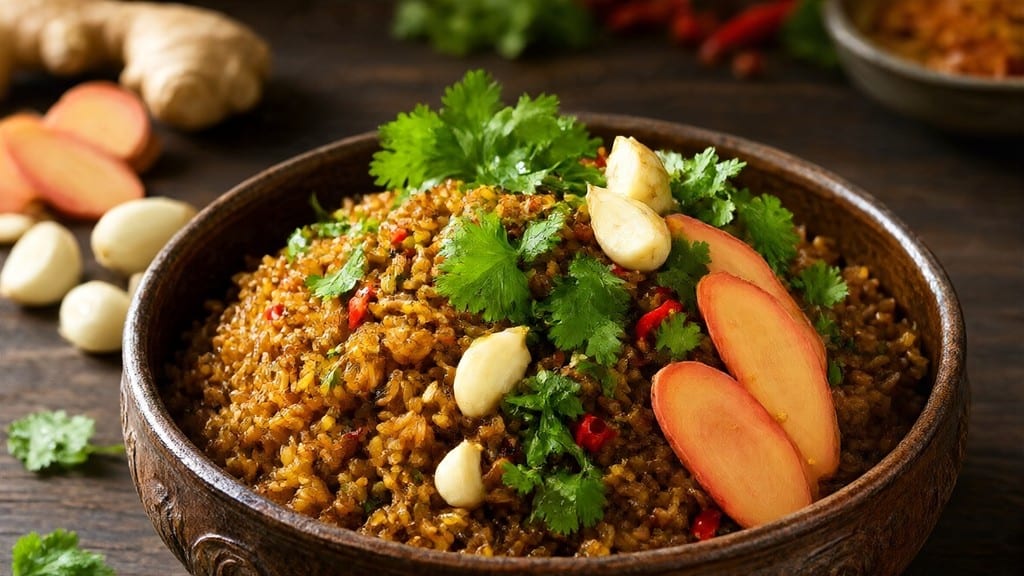
This overnight fermented rice recipe turns simple grains into a vibrant, gut-friendly side that effortlessly brightens any plate—no expertise needed. The key lies in overnight fermentation, where natural bacteria work their magic to develop complex flavors while preserving nutrients.
I first discovered this technique while researching gut-friendly Asian staples, and it’s since become a staple in my kitchen for its simplicity and health benefits.
This method requires just three core ingredients: white rice, water, and a pinch of salt, plus optional additions like garlic or ginger for depth. The fermentation process takes place in your refrigerator overnight, turning bland rice into a bright, slightly sour base with a texture that’s chewy yet light.
What’s remarkable is how this humble dish adapts—use it as a bed for proteins, mix it into salads, or serve it alongside stir-fries for a probiotic boost.
By morning, you’ll have rice with a fresh, vinegary aroma and a subtle tang that cuts through rich dishes beautifully. The best part? No cooking required after fermentation—just rinse and serve.
This recipe delivers restaurant-quality results with minimal effort, making it perfect for meal preppers or anyone eager to explore fermented foods without the complexity of kimchi or miso.
While traditional versions use plain rice, modern adaptations include adding herbs like cilantro or chili flakes for extra flavor. The possibilities are endless—try it as a base for bowls, a topping for grilled fish, or even a tangy side for tacos.
Let’s get started with this foolproof, nutrient-dense technique that transforms rice into a culinary game-changer.
Ingredients for overnight fermented rice
Three core ingredients transform into probiotic-rich rice with vibrant tang overnight.
| Ingredient | Amount | Notes |
|---|---|---|
| Jasmine White Rice 🍚 | 2 cups | Uncooked, long-grain preferred |
| Filtered Water 💧 | 3 cups | Room temperature preferred |
| Diamond Crystal Kosher Salt 🧂 | ½ tsp | Fine grain preferred |
| Fresh Garlic Cloves 🧄 | 2 cloves | Minced for flavor depth |
| Fresh Ginger Root 🌿 | 1 tbsp | Finely grated, optional |
| Fresh Cilantro Leaves 🌿 | ¼ cup | Chopped, optional |
| Red Chili Flakes 🌶️ | ½ tsp | Adjust for heat preference |
| Apple Cider Vinegar 🍏 | 1 tbsp | Unfiltered preferred |
| Sesame Oil 🫒 | 1 tsp | Toasted, optional finish |
The foundation begins with jasmine white rice, prized for its delicate floral aroma and ideal texture post-fermentation. Whole Foods or Asian markets typically carry premium varieties, though any long-grain white rice suffices. For optimal results, use Diamond Crystal kosher salt—its fine grain dissolves completely, preventing graininess. The garlic and ginger serve as flavor anchors; professional kitchens often use organic, freshly minced for maximum potency, though pre-minced works in a pinch. Fresh cilantro adds brightness if included, but dried won't replicate its freshness. Apple cider vinegar kickstarts fermentation by lowering pH—Bragg Organic is a reliable brand for consistent results.
Substitutions require strategic adjustments. No garlic? Swap for 1 tsp garlic powder (less intense). Ginger unavailable? 1/2 tsp ground ginger works, though texture differs slightly. Cilantro allergies? Replace with 1 tbsp chopped parsley for mild freshness. Chili flakes too spicy? Reduce to 1/4 tsp or omit entirely. Vinegar substitute? 1 tsp lemon juice functions similarly, though fermentation may progress more slowly. Sesame oil can be replaced with toasted sesame seeds (1 tsp) for a nutty finish. Rice alternatives? Basmati rice ferments similarly, though texture becomes slightly firmer.
Ferment overnight in a glass container (plastic may absorb odors) at 40-45°F. Rinse thoroughly before serving to remove excess acidity. Stores for 5 days refrigerated—flavors intensify with time. For extended storage, freeze portions for 3 months in airtight containers. Reheat gently if using in cooked dishes, though raw fermented rice works best cold. Portion into meal prep containers for grab-and-go probiotic bowls. Discard if mold appears—fermentation should remain clean and tangy.
Why You'll Love This Recipe
- Set-and-Forget Magic: I swear by this—just rinse the rice, toss in garlic and ginger, let it ferment overnight, and boom. No stirring, no babysitting, no stress. The rice does all the work while I sleep.
- Umami Bomb: That fermented tang? It’s like someone sprinkled pure flavor into every grain. The garlic and ginger mellow into something deep and savory—way more complex than plain rice, but still simple.
- Meal Prep MVP: I make a big batch on Sundays and use it all week: fried rice, bowls, stir-fries. It keeps for days in the fridge, and the flavor actually improves with time. (Yes, even on a Tuesday night.)
- Budget Flex: Jasmine rice and salt are cheap, but this turns them into something restaurant-worthy. No fancy ingredients needed—just patience and a little planning. My wallet (and taste buds) thank me.
Step-by-step instructions for overnight fermented rice
Here's the precise method for developing complex, probiotic-rich flavors in your rice overnight.
Rinse and Soak the Jasmine White Rice
Place the 2 cups jasmine white rice in a fine-mesh strainer and rinse under cold running water for 1 minute. This removes excess starch that would otherwise make the rice gummy during fermentation. Swirl the rice gently with your hands to ensure all grains are thoroughly rinsed, then drain completely.
Transfer the rinsed rice to a clean glass or ceramic bowl with a lid. Add the 3 cups room-temperature filtered water and the 0.5 teaspoon diamond crystal kosher salt. Stir gently once to distribute the salt, then cover the bowl with a clean kitchen towel or lid. Let it soak at room temperature for 12-16 hours. The rice should absorb the water completely and develop a slightly translucent appearance by morning. This soaking phase is critical—it jumpstarts the fermentation process and ensures even flavor development throughout the grains.
Prepare the Flavor Base
While the rice ferments, prepare the aromatic components in a small bowl. Finely grate the 1 tablespoon fresh ginger root and mince the 2 cloves fresh garlic cloves. Chop the 0.25 cup fresh cilantro leaves into small pieces. Combine these with the 0.5 teaspoon red chili flakes and 1 tablespoon apple cider vinegar. This mixture will infuse the rice with bright, tangy flavors while balancing the fermentation's natural sourness.
Here's the thing—don't skip the vinegar. It acts as a natural preservative and helps develop the rice's tangy profile more quickly. The ginger and garlic will mellow during fermentation but will still provide depth. Keep this mixture covered in the refrigerator until ready to use, but no longer than 24 hours to preserve freshness.
Ferment the Rice Overnight
After the initial 12-16 hour soak, drain any remaining water from the rice using a fine-mesh strainer. Return the rice to the same bowl and spread it evenly in a single layer to maximize surface area for fermentation. This prevents clumping and ensures even flavor development.
Cover the bowl loosely with a clean kitchen towel or breathable cloth (not an airtight lid). Place it in a warm location—ideally between 70-75°F—such as on top of the refrigerator or near a sunny window. Let it ferment undisturbed for 12-16 hours. You'll notice the rice developing a slightly sour aroma and a sticky texture as lactic acid bacteria work their magic. The grains should remain separate but feel slightly tacky to the touch. This is your signal that fermentation is progressing correctly. If you detect any unpleasant odors (like rotten eggs), discard the batch immediately—this indicates harmful bacterial growth.
Finish with Aromatics and Toasted Oil
After fermentation, transfer the rice to a non-reactive saucepan and bring to a simmer over medium heat. Add the prepared ginger-garlic-cilantro mixture and stir gently to distribute the flavors evenly. Cook uncovered for 8-10 minutes, stirring occasionally, until the rice reaches a tender yet slightly chewy texture. You'll see the grains separate more distinctly as they cook.
Once the rice is tender, remove it from heat and stir in the 1 teaspoon toasted sesame oil. This final step adds nutty depth and enhances the rice's natural flavors. The oil should coat each grain evenly. Real talk: this is the moment that matters—don't skip the sesame oil. It transforms the dish from good to exceptional. Let the rice sit covered for 5 minutes to allow the flavors to meld completely before serving.
Pro Tips For Making Overnight Fermented Rice
- USE COLD START WATER: Fill your pot with ice water before adding rice—this guarantees even cooking and prevents gummy centers. I learned this the hard way when my first batch turned out mushy because the water was too warm to begin with.
- GRATE GINGER FINE: Skip the mincer and use a microplane for ginger—you want it almost paste-like, not chunky. This ensures the flavor distributes evenly throughout the rice, especially after fermentation.
- SALT THE WATER LIGHTLY: Diamond Crystal kosher salt dissolves fast, so use half the amount you’d use with table salt—about ½ teaspoon per cup of rice. Too much salt upfront will overpower the delicate fermented flavor later.
- COVER LOOSELY: Don’t seal the lid completely—leave a tiny gap or use a slightly ajar lid to let moisture escape. This prevents soggy rice and keeps the fermentation process balanced overnight. (Yes, even if you’re impatient to close it up.)
Serving suggestions for overnight fermented rice
Base for Protein Bowls
Use your fermented rice as a vibrant bed for hearty proteins like grilled chicken, pan-seared salmon, or tofu. I like to assemble bowls with 4 oz cooked protein per serving, ½ cup fermented rice, and ½ cup roasted vegetables (think bell peppers, zucchini, or broccoli).
The tangy rice cuts through the richness of proteins beautifully, while the garlic and ginger add depth. For extra texture, top with crispy fried shallots or toasted sesame seeds. 🌟
Taco or Burrito Filler
Swap traditional rice for fermented rice in tacos or burritos—it adds a bright, probiotic-packed twist. Warm 1 cup fermented rice with 1 tbsp lime juice and ½ tsp smoked paprika before stuffing into tortillas with your favorite fillings.
The tangy rice balances spicy meats like carnitas or chorizo, while the garlic and cilantro complement Latin flavors. Serve with avocado slices and pickled onions for a restaurant-quality meal. 🌶️
Salad Topper or Mix-In
Toss ½ cup fermented rice into green salads for an instant probiotic boost. I love pairing it with mixed greens, cherry tomatoes, cucumber slices, and a light sesame-ginger dressing. The rice’s tangy texture contrasts perfectly with crisp veggies, while the sesame oil adds a nutty finish.
For extra protein, add grilled shrimp or chickpeas. This works especially well for lunchboxes or meal prep containers. ✨
Garnish for Soups
Stir 2 tbsp fermented rice into miso soup, pho, or ramen just before serving. The rice adds a chewy texture and brightens the broth with its tangy notes. I also like sprinkling it over hot and sour soup as a garnish—it enhances the dish’s complexity without overpowering it.
For a modern twist, top with soft-boiled eggs and scallions. The rice’s probiotic benefits make it a healthier alternative to traditional toppings. 🍜
Cold Dish Base
Serve fermented rice cold as a refreshing side for grilled meats or seafood. Mix it with diced mango or avocado for a tropical-inspired bowl, or pair it with seared scallops and a drizzle of yuzu kosher salt.
The cool rice balances warm, cooked proteins beautifully. For a quick lunch, combine it with canned tuna, chopped cucumber, and a squeeze of lemon. The tangy rice elevates simple dishes into something special. 🥗
Dessert Twist
Yes, fermented rice can even shine in desserts! Sweeten 1 cup fermented rice with 2 tbsp honey and 1 tsp vanilla extract, then chill for 1 hour.
Use as a base for parfaits layered with Greek yogurt and berries, or blend it into a creamy rice pudding with cinnamon and cardamom. The subtle tang adds depth to sweet flavors—trust me, it’s a game-changer for breakfast bowls or after-dinner treats. 🍯
Nutrition facts
Frequently asked questions
Can I use any type of rice for this fermented rice recipe?
Jasmine white rice is ideal for its delicate texture and floral notes, but basmati or short-grain rice also work well. Avoid brown rice—it ferments unevenly and can develop off-flavors. For best results, stick with long-grain varieties that maintain their shape during fermentation.
How do I know if my fermented rice is ready?
Your rice is perfect when it develops a mildly sour aroma and feels slightly sticky but still separate. The grains should smell tangy (like yogurt) rather than rotten. If it smells like vinegar or alcohol, it's over-fermented—rinse it immediately with cold water to stop the process.
Can I skip the garlic and ginger?
Yes, but your rice will taste much plainer. These aromatics are key for depth—garlic adds savory notes while ginger balances the tang. For a quick fix, use ½ tsp garlic powder and ¼ tsp ground ginger, though fresh is always better. The vinegar and salt will still create fermentation, but the flavor profile will be less complex.
What if my rice develops mold?
Discard it immediately—mold means harmful bacteria took over. To prevent this, always use clean glass containers, keep the rice covered loosely (not airtight), and store it at 40-45°F. If you notice any fuzzy spots, toss the batch and start fresh. Proper hygiene is the best defense!
How long does fermented rice keep in the fridge?
Fermented rice stays fresh for 5-7 days when stored in an airtight container. Flavors actually improve slightly over time, becoming more tangy. For longer storage, freeze portions for up to 3 months. Thaw overnight in the fridge before using. The probiotics remain active during this time!