
Main Courses
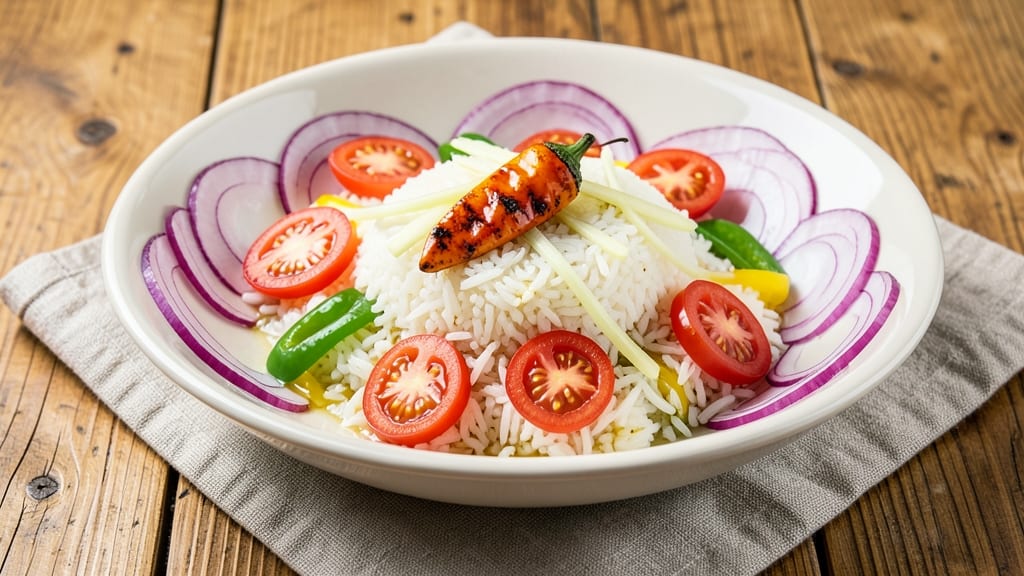
This omu rice recipe brings the rich flavors of West African cuisine to your table with a hearty tomato-pepper stew, crispy fried plantains, and tender rice baked to perfection. 🌟 The dish is more than just a meal—it’s a celebration of tradition, often served at gatherings and special occasions, where every bite tells a story of cultural heritage and family.
The secret lies in the layered preparation: a savory stew simmered with tomatoes, peppers, and spices, topped with rice and baked until golden and fragrant.
The recipe balances bold flavors with a method that’s surprisingly approachable. You’ll start with a vibrant stew base, where tomatoes and peppers blend into a thick, aromatic sauce. The rice is then layered carefully, ensuring each grain absorbs the rich flavors while staying tender.
The crispy fried plantains add a sweet, crunchy contrast that elevates the dish, making it both satisfying and visually stunning. This is comfort food at its finest, with every element working together in harmony.
By the time it’s served, you’ll have a dish that’s as impressive as it is delicious—golden, fragrant, and packed with layers of flavor. The crispy edges of the rice and the caramelized plantains create a textural experience that’s hard to resist.
Perfect for family dinners, potlucks, or any occasion where you want to share a taste of West African culture. Let’s get started on this flavorful journey.
Pair it with traditional sides like macaroni salad or a fresh coleslaw to round out the meal. The combination of textures and flavors makes this more than just a recipe—it’s an experience.
Whether you’re cooking for loved ones or treating yourself, this omu rice will leave everyone asking for seconds. Here’s how to bring it to life in your kitchen.
Ingredients for omu rice
Six ingredients transform into West Africa's most beloved comfort dish.
| Ingredient | Amount | Notes |
|---|---|---|
| Long-Grain White Rice 🍚 | 2 cups | Uncooked, jasmine or basmati preferred |
| Ripe Tomatoes 🍅 | 4 whole | Fresh or canned San Marzano |
| Bell Peppers 🌶️ | 2 whole | Red or green, sliced into strips |
| Scotch Bonnet Peppers 🌶️ | 2 whole | Adjust for heat preference |
| Fresh Ginger 🌿 | 1 tbsp | Finely grated, fresh preferred |
| Onions 🧅 | 2 whole | Yellow or red, chopped |
| Garlic Cloves 🧄 | 6 cloves | Fresh, minced |
| Ripe Plantains 🍌 | 2 whole | For frying, slightly green |
| Vegetable Oil 🫒 | 3 cups | For frying plantains |
| Dried Thyme 🌿 | 1 tbsp | Or 1 tsp fresh thyme |
| Ground Black Pepper 🌶️ | 1 tsp | Freshly ground preferred |
| Salt 🧂 | 1 ½ tsp | Adjust to taste |
| Fish Stock 🐟 | 2 cups | Homemade or quality store-bought |
| Bay Leaves 🌿 | 2 whole | Fresh or dried |
| Scotch Bonnet Pepper Seeds 🔥 | ½ tsp | Optional, for extra heat |
The tomatoes and peppers are the heart of this dish. San Marzano canned tomatoes from Trader Joe's or Whole Foods save time, but fresh tomatoes add depth—just peel and crush them by hand. Look for bright red, firm tomatoes with no soft spots. Scotch bonnet peppers? Caribbean markets or specialty stores are your best bet, but a habanero in a pinch works too—just remove the seeds for less heat. The ginger should be fresh and aromatic, not woody or shriveled. If using dried thyme, crush the leaves between your fingers to release the flavor before adding to the stew.
No scotch bonnet? Jalapeños or serranos work, but reduce the amount by half—they’re milder. Fresh thyme unavailable? Dried works at one-third the amount. The plantains should be slightly green (not fully yellow) for that perfect crispy texture. If you can't find them, green bananas are a decent substitute. For the fish stock, homemade is ideal, but Knorr or Pacific brand are solid store-bought options. The bay leaves? Don't skip them—they add that subtle earthy note that ties everything together.
Rice stays fresh in the fridge for 3 days if covered tightly, but it reheats beautifully. The fried plantains? Best eaten fresh—they lose crispiness quickly. Store stew components separately in airtight containers. Freeze the stew base for up to 3 months—just thaw and reheat before assembling. For extra flavor, toast the rice in the pot for 2-3 minutes after baking to deepen the nutty notes.
Why You'll Love This Recipe
- One-Pot Magic: I swear by this—just rice, veggies, and a pot. No frying, no layers, no stress. The tomatoes and Scotch bonnet simmer right into the rice, turning it into a fragrant, saucy bowl with zero extra dishes.
- Sweet Heat Payoff: That ginger and Scotch bonnet combo? Chef’s kiss. The ginger adds a warm, zesty kick while the Scotch bonnet brings just enough heat to make it addictive—without overpowering. (Yes, even my kids ask for seconds.)
- Lunchbox Hero: Between us, this is my go-to for meal prep. The rice stays fluffy, the veggies hold their texture, and it reheats like a dream. Pack it cold for work or warm it up for dinner—no one complains.
- Pocketbook Winner: Long-grain rice and seasonal veggies keep costs low, and a single batch stretches for days. Honestly, I’ve had this left over for five days and it’s still better than takeout. Budget-friendly doesn’t get much better than this.
Step-by-step instructions for omu rice
Here's how to make this vibrant West African dish with perfectly crispy fried plantains.
🍳 Step 1: Fry the Plantains Until Golden and Crispy
Slice the 2 whole ripe plantains lengthwise into ½-inch thick strips. Heat the 3 cups vegetable oil in a deep skillet over medium heat until it reaches 350°F. This is crucial—too hot and they'll burn, too cool and they'll absorb oil.
Fry the plantain strips in batches for 4-5 minutes per side until they develop a deep golden brown color and crispy texture. You'll know they're perfect when they float easily in the oil and have a caramelized aroma. Drain on paper towels and sprinkle with a pinch of salt immediately. Keep them warm while you prepare the stew.
🍳 Step 2: Build the Flavorful Tomato-Pepper Base
In a large pot, heat 1 tablespoon vegetable oil over medium heat. Add the chopped 2 whole onions and cook for 5 minutes until softened. Add the minced 6 cloves garlic and cook for 30 seconds until fragrant—don't let it brown or it'll turn bitter.
Add the sliced 2 whole bell peppers, 4 whole ripe tomatoes (cut into wedges), and the 2 whole scotch bonnet peppers (seeds removed if you prefer less heat). Cook for 10 minutes until the vegetables soften and begin to break down. Stir occasionally to prevent sticking.
🍳 Step 3: Develop the Rich Stew Sauce
Add the 1 tablespoon dried thyme, 1 teaspoon ground black pepper, 1.5 teaspoons salt, 1 tablespoon fresh ginger, and 0.5 teaspoon scotch bonnet pepper seeds (if using). Stir well to combine all the spices with the vegetable mixture. Cook for another 5 minutes to let the flavors meld together.
Pour in the 2 cups fish stock and add the 2 whole bay leaves. Bring to a gentle simmer, then reduce heat to low. Let it cook uncovered for 20 minutes, stirring occasionally, until the sauce thickens slightly and the flavors deepen. The stew should have a rich, slightly tangy aroma with layers of spice.
🥘 Step 4: Cook the Perfectly Fluffy Rice
Rinse the 2 cups long-grain white rice thoroughly under cold water until the water runs clear. This removes excess starch that would make the rice mushy. Drain well and add the rice to the simmering stew. Stir gently to distribute the rice evenly through the sauce.
Cover the pot with a tight-fitting lid and cook over low heat for 20 minutes. After 15 minutes, check the rice—it should be tender but still slightly firm in the center. If it's not done, cook for another 5 minutes with the lid slightly ajar to allow steam to escape. The rice should be fluffy with each grain distinct and separate.
🍽️ Step 5: Serve with Crispy Plantains
Remove the 2 whole bay leaves from the rice before serving. Transfer the omu rice to a large serving platter and arrange the crispy fried plantains on top. The contrast between the soft, flavorful rice and the crispy plantains is what makes this dish so special.
Serve immediately while the plantains are still crispy and the rice is hot. The rich tomato-pepper stew should coat each grain of rice beautifully, and the plantains should add a satisfying crunch with every bite. This dish is perfect for sharing—just be ready for seconds!
Pro Tips For Making Omu Rice
- CHAR THE TOMATOES FIRST: I learned this the hard way—raw tomatoes in omu rice just won’t break down right. Sauté them with a pinch of salt and a splash of water for 5-7 minutes until they collapse into a thick paste. This builds flavor and makes the rice soak up that sweetness properly.
- SALT THE RICE WATER LIBERALLY: Don’t skimp—use at least 1.5 teaspoons of salt per 4 cups of water. The rice absorbs the seasoning, and omu rice needs that bold base to shine. (Yes, even if you’re adding salted fish or stock later.)
- PEEL THE GINGER THINLY: Skip the thick chunks—grate or julienne ginger so thin it’s almost translucent. This way, it infuses the oil without overpowering the dish. (I used to burn it every time because of thick slices.)
- COOK THE RICE JUST UNTIL DONE: Pull the rice off heat when it’s al dente—about 1-2 minutes before it looks fully cooked. The residual heat finishes it perfectly, and it stays fluffy instead of mushy. (Trust me, this is non-negotiable for omu rice.)
Troubleshooting this recipe
Stew Too Watery?
If your stew is too thin after simmering, reduce the heat to low and let it cook uncovered for an extra 10-15 minutes. The liquid will naturally evaporate, intensifying the flavors.
For faster results, remove the lid and stir occasionally over medium heat for 5 minutes—just watch closely to avoid burning. 🌡️
Rice Turning Mushy?
Overcooking rice is the usual culprit. If yours is mushy, you likely added too much liquid or cooked it too long. Next time, rinse the 2 cups rice thoroughly and use 2 cups fish stock—no more.
After the initial 15 minutes of cooking, check for doneness by tasting a grain. If it's still firm, cook for just 5 more minutes with the lid slightly open. 🍚
Plantains Not Crispy?
Undercooked plantains happen when the oil isn’t hot enough or the slices aren’t dry. Heat the 3 cups vegetable oil to 350°F (use a thermometer!) and pat the plantain slices very dry with paper towels before frying.
Fry in batches for 4-5 minutes per side—they’re done when golden brown and floating. 🍌
Flavor Too Mild?
Boost the depth by toasting the spices first. In a dry skillet, lightly toast the 1 tbsp dried thyme, 1 tsp black pepper, and 1 tbsp ginger for 30 seconds until fragrant.
Add the scotch bonnet pepper seeds (if using) and toast for another 10 seconds—this releases their oils and intensifies the heat and aroma. Stir them into the stew early for maximum impact. 🌶️
Rice Not Absorbing Sauce?
If the rice stays dry, it’s likely not cooking long enough in the stew. After adding the rice, stir well to coat each grain with the sauce, then cover and cook for the full 20 minutes.
If it’s still undercooked, uncover and cook for 5 more minutes on low heat, stirring occasionally. The rice should be tender but still slightly firm—it’ll absorb more sauce as it rests. 💫
Burnt Bottom Layer?
A burnt bottom means your pot was too hot or the heat wasn’t distributed evenly. Use a heavy-bottomed pot (like Calphalon or All-Clad) to prevent scorching. Cook on low heat and stir occasionally to move the rice around.
If it starts to brown too quickly, reduce the heat further or move the pot to a cooler part of the stovetop. 🔥
Nutrition facts
Frequently asked questions
What makes this West African rice dish different from regular rice dishes?
The key lies in its layered preparation and bold flavors. This dish combines a rich tomato-pepper stew with fluffy rice baked to perfection, creating a hearty casserole. The crispy fried plantains add a sweet, crunchy contrast that's unique to West African cuisine. Unlike plain rice dishes, it's a complete one-pot meal with deep, complex flavors from spices like thyme, ginger, and scotch bonnet peppers.
Can I substitute fish stock with another type of broth?
Yes, but the flavor will differ slightly. For best results, use chicken or vegetable stock. If you're avoiding meat, vegetable stock works well, though it may lack the umami depth of fish stock. For a vegetarian version, use mushroom or seaweed broth for a more complex flavor. Just ensure it's well-seasoned with salt and spices to compensate for the flavor difference.
How do I know when the fried plantains are done?
Perfectly fried plantains should be deep golden brown with crispy edges. They'll float easily in the oil and have a caramelized aroma. Fry in batches for 4-5 minutes per side—they're done when they're no longer translucent inside and have a crisp texture. Remove them immediately to prevent them from absorbing excess oil and becoming soggy.
Can I make this dish ahead of time?
The stew and rice components can be prepared up to 3 days in advance and stored in airtight containers. Reheat gently on the stove with a splash of water or stock to restore moisture. The fried plantains are best eaten fresh, but you can reheat them in a dry skillet for 1-2 minutes to restore some crispiness. The flavors actually improve with time as they meld together.
What's the best way to serve this dish?
Traditionally, this dish is served family-style with the rice and plantains in the center. Pair it with a fresh coleslaw or macaroni salad to balance the richness. For extra presentation, garnish with fresh cilantro or sliced green onions. It's perfect for gatherings—just be prepared for everyone to want seconds!