
Main Courses
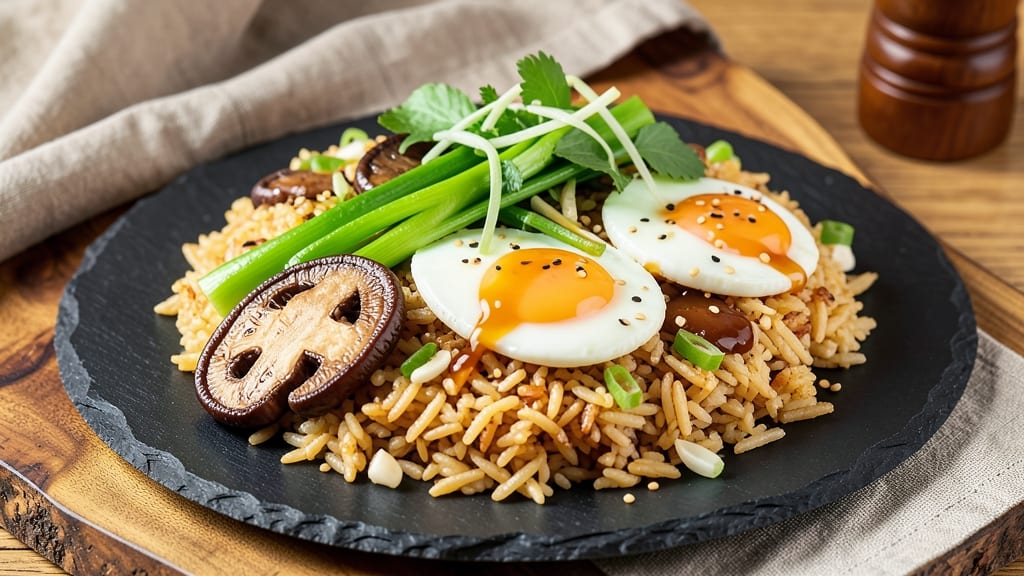
This bok choy fried rice recipe delivers the perfect balance of crisp-tender greens, fluffy rice, and savory eggs in every bite. The secret lies in high-heat wok tossing, which creates that signature smoky aroma (wok hei) while keeping the bok choy vibrant and slightly charred at the edges.
I’ve refined this method over years of testing—whether you’re using a wok, cast-iron skillet, or even an air fryer, the technique ensures restaurant-quality texture without the guesswork.
What sets this dish apart is the harmony of flavors: salty soy, umami mushrooms, and bright bok choy stems paired with creamy scrambled eggs. The rice stays separate yet cohesive, absorbing just enough sauce to hold everything together.
It’s a complete dish that’s quick to prepare (ready in 20 minutes), packed with protein, and adaptable to any diet—vegetarian, gluten-free, or meat-inclusive with shrimp or chicken.
The plating is simple yet striking: a mound of golden rice topped with wilted greens and silky eggs, garnished with sesame seeds for crunch.
Ingredients for bok choy fried rice
Four cups of jasmine rice and vibrant greens transform into restaurant-quality fried rice.
| Ingredient | Amount | Notes |
|---|---|---|
| Day-Old Cooked Jasmine Rice 🍚 | 4 cups | Cold or room temperature preferred |
| Bok Choy 🥬 | 1 whole | Baby or regular, stems separated |
| Large Eggs 🥚 | 4 whole | Freshly beaten for silky texture |
| Shiitake Mushrooms 🍄 | 4 whole | Sliced, stems removed for texture |
| Green Onions 🧅 | 4 whole | White and green parts separated |
| Garlic Cloves 🧄 | 4 cloves | Minced for aromatic depth |
| Ginger Root 🌿 | 1 tbsp | Freshly grated for zesty brightness |
| Light Soy Sauce 🥫 | 3 tbsp | Kikkoman preferred for balance |
| Sesame Oil 🫒 | 1 tbsp | Toasted for nutty aroma |
| Toasted Sesame Seeds 🌰 | 1 tbsp | For garnish and crunch |
| Vegetable Oil 🫒 | 2 tbsp | High smoke point for wok |
| Salt 🧂 | ½ tsp | Diamond Crystal preferred |
| Black Pepper 🌶️ | ¼ tsp | Freshly cracked for heat |
The rice is non-negotiable—day-old jasmine rice develops the perfect texture for wok tossing. Trader Joe's sells pre-cooked jasmine rice that works beautifully, but if you're cooking from scratch, use a 1:1.5 rice-to-water ratio and let it cool completely before using. Bok choy stems are sweeter and more tender than the leaves, so separate them for even cooking. For mushrooms, shimeji or oyster mushrooms also work, but shiitake provide that signature umami depth. Look for fresh, firm stems with closed caps—anything slimy or discolored should be avoided. The garlic and ginger should be organic when possible to minimize dirt and maximize freshness.
No sesame oil? Avocado oil at half the amount mimics the neutral base, though it lacks the nutty aroma. Substitute shiitake mushrooms with cremini or white button mushrooms, but they won't have the same meaty texture. For soy sauce alternatives, coconut aminos work in a pinch, though the flavor profile differs slightly. Fresh basil or cilantro can replace green onions if you're avoiding alliums, though the dish loses some brightness. If your rice is too moist, spread it on a tray to dry out for 10 minutes before cooking—this prevents a mushy final texture. The eggs should be room temperature for the creamiest scramble.
Prep the vegetables first—they cook fastest. Store prepped bok choy stems and leaves separately in airtight containers with a paper towel to absorb moisture, keeping them fresh for up to 2 days. The cooked fried rice reheats beautifully but develops a slightly drier texture. For best results, store in a sealed container with a sprinkle of sesame seeds on top to maintain freshness. Portion into glass containers for microwave reheating—plastic can trap odors. This dish freezes well for up to 3 months, though the texture becomes slightly softer upon thawing. Always reheat gently over low heat with a splash of water to restore moisture.
Why You'll Love This Recipe
- One-Pan Magic: I swear by this—no chopping boards, no crowded counters. Toss everything into one wok or skillet, and let the heat do the work. The shiitake mushrooms soften just enough to soak up flavors while the bok choy stays crisp, all while that egg scrambles into perfect ribbons.
- Umami Bomb: Between the earthy shiitake mushrooms and the bright bok choy, this dish has layers. Honestly, the first time I made it, I kept sneaking bites straight from the pan. That crispy rice edge? The secret weapon. (Pro tip: Use day-old rice—it’s non-negotiable.)
- Lunchbox Hero: Pack this for work or school—it reheats like a dream. The green onions add a fresh pop, and the rice stays separate enough to eat cold or warm. My college kid devours it straight from the fridge, and I don’t even have to wash extra bowls.
- Budget Win: Bok choy and shiitake mushrooms stretch a long way, and eggs? Always cheap. I make this twice a week and never feel guilty about leftovers. Plus, it’s the kind of dish where you can swap in whatever’s on sale—still tastes like a restaurant meal.
Step-by-step instructions for wok-tossed bok choy fried rice
Master this technique and you'll achieve restaurant-quality fried rice with vibrant greens and perfectly silky eggs.
Prep All Ingredients for Maximum Flavor and Texture
Start by separating the bok choy into stems and leaves, then slice the stems into ¼-inch thick matchsticks and cut the leaves into ½-inch wide ribbons. Slice the shiitake mushrooms into ¼-inch thick pieces and remove the stems. Separate the green onions into white and green parts, mincing the whites and slicing the greens on the bias. Mince the garlic cloves and grate the ginger root using a fine grater.
Crack the large eggs into a bowl and beat them lightly with a fork until just combined. The key here is to have everything prepped and ready before you start cooking—this keeps your workstation organized and ensures you can move quickly through the wok. I like to measure out all the sauces and seasonings in small bowls so I can grab them instantly during cooking.
Cook the Aromatics and Mushrooms for Deep Flavor
Heat a wok or large skillet over high heat until it's smoking hot. Add the vegetable oil and swirl to coat the surface. Add the minced garlic cloves and ginger root, stirring constantly for 30 seconds until fragrant. Add the sliced shiitake mushrooms and cook for 3-4 minutes until they release their moisture and begin to brown.
This step develops the foundational flavors of your fried rice. The mushrooms should be tender but still retain some bite. If they're releasing too much liquid, increase the heat slightly and let it evaporate before moving to the next ingredient. The goal is to create a dry, flavorful base that won't turn your rice soggy.
Scramble the Eggs and Set Aside
Push the mushrooms to one side of the wok, leaving space in the center. Add a thin layer of oil to the empty space and pour in the beaten eggs. Let them sit undisturbed for 5 seconds before gently pushing them around with a spatula. Cook for 20-30 seconds until the eggs are just set but still slightly runny in the center—this creates that signature silky texture.
Remove the eggs from the wok and set them aside on a plate. They'll continue cooking from the residual heat, so don't overcook them now. The eggs should be soft and custardy, not fully scrambled. This is the moment that matters: perfectly cooked eggs make or break your fried rice.
Stir-Fry the Rice and Vegetables Together
Return the wok to high heat and add the day-old cooked jasmine rice, breaking up any clumps with your spatula. Stir-fry for 1-2 minutes until the rice is heated through and begins to sizzle. Add the sliced bok choy stems and cook for another 30 seconds, then add the bok choy leaves. Stir constantly to prevent burning.
Here's where the magic happens: the high heat and constant movement create that signature wok hei flavor. The rice should be hot but not crispy—it should maintain its individual grains. If it starts sticking, add a splash of water and let it evaporate before continuing. The rice should be nearly dry by the end of this step.
Finish with Sauces and Garnishes for Perfect Balance
Drizzle the light soy sauce and sesame oil over the rice mixture and toss vigorously to coat evenly. Add the green onion whites, salt, and black pepper, mixing well. The rice should be glossy and well-seasoned. Taste and adjust seasoning if needed—you can add a bit more soy sauce if it's too mild.
Return the eggs to the wok and toss everything together for 30 seconds to combine. Divide the fried rice among plates, garnishing each serving with the sliced green onion greens and a sprinkle of toasted sesame seeds. Serve immediately while the rice is hot and the eggs are still silky. The contrast of textures—crispy rice, tender greens, and creamy eggs—makes this dish truly exceptional.
Pro Tips For Making Bok Choy Fried Rice
- STIR-FRY IN BATCHES: Don’t dump everything in at once—crowding kills wok hei. Cook the shiitake mushrooms first (they need 2–3 minutes to soften), then remove them before adding bok choy and eggs. Your future self will notice the difference in texture and flavor.
- CHOP BOK CHOY THIN: I used to slice bok choy in thick chunks, and it ended up soggy. Cut the stems into matchsticks and separate the leaves—this ensures even cooking and keeps the texture crisp. (Yes, it takes 2 minutes extra, but it’s worth it.)
- USE COLD RICE: Day-old rice is non-negotiable, but don’t skip spreading it on a tray to cool completely after cooking. Cold, dry rice fries up fluffy instead of gummy, and it absorbs the wok’s heat better. (Pro move: Sprinkle with a pinch of salt while it cools.)
- SCRAMBLE EGGS SEPARATELY: Scrambling eggs in the same pan as everything else leads to rubbery results. Push the rice to one side, scramble the eggs in the empty space with a splash of water (for fluffiness), then mix in at the end. This keeps them tender and bright yellow.
Creative variations of these flavors
Spicy Thai Fusion
Transform your fried rice into a Thai-inspired dish by adding 1 tbsp red curry paste (like Maesri) and ½ cup chopped Thai basil at the end. Stir in 1 tsp fish sauce (or soy sauce for vegetarian) and 1 tsp palm sugar (or brown sugar).
Top with crushed peanuts and lime wedges for a vibrant, aromatic twist. The heat from the curry paste balances the bok choy’s mild sweetness perfectly. 🌶️
Creamy Mushroom Twist
For a luxurious upgrade, add ½ cup heavy cream or coconut milk after the eggs are cooked. Stir in 2 tbsp grated Parmesan cheese and a pinch of nutmeg for a creamy, savory depth.
This version works beautifully with wild mushrooms like shiitake or oyster for extra umami. Garnish with chives and toasted almonds for texture contrast. The creaminess complements the bok choy’s crisp-tender bite. 🍄
Protein-Packed Shrimp
Swap eggs for ½ lb peeled shrimp (tails on for presentation). Toss the shrimp in 1 tbsp cornstarch and 1 tsp soy sauce before cooking. Add them to the wok with the mushrooms and cook until pink.
Finish with 1 tsp chili garlic sauce and 1 tsp honey for a sweet-spicy kick. The shrimp adds a delicate sweetness that pairs beautifully with the bok choy. Serve with sriracha mayo on the side. 🦐
Vegetarian Crunch
Boost texture with ½ cup crispy fried shallots or toasted cashews at the end. Add ½ cup chopped bell peppers (red or green) for extra crunch and color. For a smoky flavor, stir in ½ tsp smoked paprika with the soy sauce.
This version is packed with plant-based protein and vibrant colors, making it perfect for veggie lovers. 🥕
Breakfast-Style Scramble
Turn your fried rice into a hearty breakfast by adding ½ cup diced potatoes (par-cooked) and ¼ cup corn kernels with the mushrooms. Top with crumbled feta cheese and everything bagel seasoning for a savory, herby finish.
The potatoes add a comforting, starchy element that makes this dish feel like a full meal. Serve with a side of avocado slices for extra richness. 🍳
Sweet and Tangy Glaze
Finish with a honey-soy glaze by mixing 1 tbsp honey, 1 tbsp soy sauce, and ½ tsp rice vinegar in a small bowl. Drizzle over the fried rice just before serving.
The glaze caramelizes slightly from the residual heat, adding a sticky, sweet-savory contrast to the bok choy’s earthy flavor. Garnish with sesame seeds and cracked black pepper for a restaurant-worthy touch. 🍯
Nutrition facts
Frequently asked questions about bok choy fried rice
Why does my fried rice turn out mushy instead of crispy?
Mushy fried rice usually means one of two things: your rice was too moist when cooking, or you didn't use high enough heat. Always use day-old, cold jasmine rice (never freshly cooked) and spread it on a tray to dry out for 10 minutes if it feels damp. The wok or skillet must be smoking hot before adding the rice—this creates that signature crisp-tender texture. If it starts sticking, add a splash of water and let it evaporate before continuing.
Can I make this recipe without a wok?
A cast-iron skillet or even a large nonstick pan works perfectly. The key is maintaining high heat and keeping the rice moving constantly. For extra crispiness, use a 12-inch skillet and work in batches if needed. If you're using an air fryer, toss the rice and vegetables with 1 tbsp oil and cook at 375°F for 5-6 minutes, shaking halfway. The texture will be slightly different but still delicious.
What's the best way to store leftover bok choy fried rice?
Store in an airtight container with a sprinkle of sesame seeds on top to maintain freshness. It keeps well in the fridge for 3-4 days and freezes beautifully for up to 3 months. To reheat, use the microwave with a damp paper towel over the dish for 1-2 minutes, or gently warm in a skillet over medium-low heat with a splash of water to restore moisture. The texture will be slightly softer after freezing, but the flavors remain vibrant.
How do I adjust the spice level for picky eaters?
Start by reducing the black pepper to ¼ tsp and omit any chili garlic sauce. For extra mildness, replace the sesame oil with neutral oil and use coconut aminos instead of soy sauce. The natural sweetness of bok choy stems balances the dish, so they'll still taste delicious. If you want to add subtle heat later, serve with mild sriracha or chili crisp on the side so everyone can customize their portion.
What's the secret to keeping the bok choy vibrant and crisp?
Cook the stems and leaves separately—stems first for 30 seconds, then leaves for another 30 seconds. High heat and constant tossing prevent wilting. Add the bok choy after the rice is already cooking (not before), and use minimal soy sauce until the very end. The stems should be tender-crisp while the leaves should just wilt slightly. For extra brightness, finish with a squeeze of lime juice before serving.