
Desserts
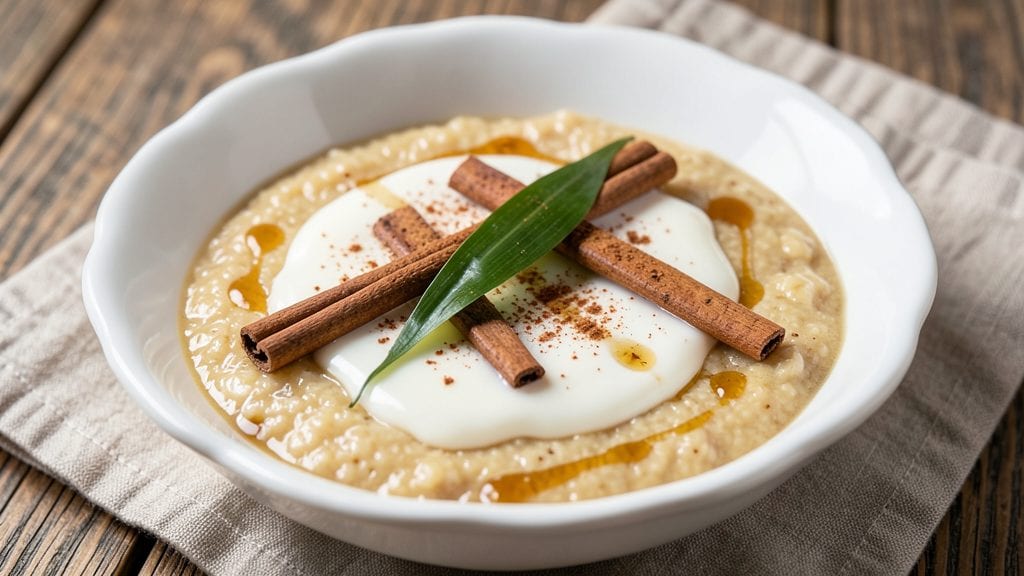
This jasmine rice pudding recipe delivers the perfect balance of floral aroma and creamy texture, with a toasted coconut topping that adds irresistible crunch. The subtle fragrance of jasmine rice infuses the warm milk mixture, creating a dessert that feels luxurious yet simple to make.
I developed this version after testing countless adaptations, ensuring the rice stays tender while absorbing just enough liquid for a velvety finish.
The secret to success lies in the slow simmering process, where the rice transforms into delicate, melt-in-your-mouth grains rather than mushy bits. A touch of cinnamon or pandan extract enhances the floral notes, while vanilla rounds out the flavors for depth.
What makes this recipe stand out is the toasted coconut topping—lightly browned for maximum aroma and texture, it contrasts beautifully with the creamy pudding beneath.
By the time you serve this dessert, your kitchen will smell like a tropical paradise, and every spoonful will deliver that perfect harmony of floral, creamy, and nutty flavors.
The toasted coconut adds a satisfying crunch that keeps it interesting from first bite to last. This recipe is foolproof, with precise steps that guarantee restaurant-quality results at home.
Whether you're serving it warm with a drizzle of caramel or chilled for a refreshing treat, this jasmine rice pudding adapts effortlessly to any occasion. The instructions are straightforward, and the ingredients are easy to find, making it perfect for both beginners and experienced cooks.
Let's get started on creating this elegant yet comforting dessert.
Ingredients for jasmine rice pudding
Floral rice, creamy milk, and toasted coconut—this dessert smells like vacation in a bowl.
| Ingredient | Amount | Notes |
|---|---|---|
| Jasmine Rice 🍚 | 1 cup | Uncooked, long-grain preferred |
| Whole Milk 🥛 | 4 cups | Full-fat for creaminess |
| Granulated Sugar 🍬 | ¾ cup | Adjust to taste |
| Vanilla Extract 🍯 | 1 tbsp | Pure, high-quality preferred |
| Cinnamon Sticks 🌿 | 2 whole | For simmering aroma |
| Pandan Extract 🌺 | ½ tsp | Optional, for floral depth |
| Unsalted Butter 🧈 | 2 tbsp | For richness |
| Shredded Coconut 🥥 | 1 cup | Unsweetened, toasted |
| Brown Sugar 🍯 | 2 tbsp | For topping caramelization |
| Salt 🧂 | ¼ tsp | Kosher or sea salt |
| Heavy Cream 🥛 | ½ cup | Optional for extra creaminess |
| Lemon Zest 🍋 | 1 tsp | Brightens flavors |
Jasmine rice is the star here—look for the vibrant, fragrant kind at Whole Foods or Asian markets. The long-grain variety absorbs liquid perfectly without getting mushy. For the coconut, unsweetened shredded works best—toast it in a dry pan until golden brown for maximum aroma. I grab mine in bulk from Trader Joe's since it’s cheaper and stays fresh longer. The milk? Whole milk gives the richest texture, but 2% works in a pinch. Just don’t use skim—it’ll taste watery.
No jasmine rice? Basmati or short-grain white rice can work, but the floral notes will be weaker. Swapping milk? Coconut milk adds tropical depth, but it’ll change the texture slightly. For the coconut topping, toasted pecans or chopped almonds add a nice crunch if you’re out. The pandan extract is optional but game-changing for that authentic floral aroma—if you can’t find it, a drop of rosewater or extra vanilla will help. And if you’re feeling fancy, infuse the milk with a cinnamon stick while heating for extra depth.
This pudding tastes even better the next day—make it ahead and refrigerate for maximum flavor infusion. The rice stays tender for 3-4 days in the fridge, and the coconut topping keeps its crunch for 2 days if stored in an airtight container. For serving, I like to warm it gently with a splash of milk and a drizzle of caramel or honey. Freezes beautifully too—just reheat with extra milk to loosen it up.
Why You'll Love This Recipe
- One-Pot Magic: I swear by this recipe because it’s literally one pot—no fancy equipment, no stress. Just rice, milk, and a simmer until it thickens. The jasmine rice soaks up the milk like a sponge, turning creamy without a single grain left dry.
- Velvet-Smooth Texture: That first spoonful? Pure comfort. The whole milk makes it rich but not heavy, while the cinnamon sticks infuse the whole pot with warmth—no need for extra spices. Honestly, it’s the kind of dessert that disappears faster than I can say “second helping.”
- Weeknight or Holiday: Between us, this is my go-to for lazy nights and when company’s coming. Serve it warm with a drizzle of honey for a cozy vibe, or chill it for a no-bake dessert that still feels special. The vanilla ties everything together—simple, but always impressive.
- Budget-Friendly Leftovers: Jasmine rice is affordable, and this recipe stretches easily. Make a big batch, and you’ve got breakfast (cold pudding with fruit), a snack, or even a quick filling for churros. My kids beg for it for days—proof it’s worth the effort.
Step-by-step instructions for jasmine rice pudding
Here's how to create a velvety floral rice pudding with a caramelized coconut crown—easy, aromatic, and utterly satisfying.
Toast the Rice and Infuse the Milk
Heat a heavy-bottomed saucepan over medium heat and add the 1 cup jasmine rice. Toast it for 2-3 minutes, stirring constantly, until it releases a nutty aroma and turns just slightly golden. This step deepens the rice's natural flavors—don't walk away, or it'll burn.
Remove the pan from heat and immediately pour in the 4 cups whole milk, stirring to coat the rice evenly. Return the pan to medium-low heat and add the 2 whole cinnamon sticks and 0.5 tsp pandan extract. Bring to a gentle simmer, then reduce heat to low and let it cook uncovered for 20 minutes, stirring occasionally. The milk should absorb into the rice, creating a creamy base.
Here's the thing—this slow cook ensures the rice absorbs all that floral pandan aroma and cinnamon warmth. You'll know it's ready when the rice is translucent at the edges but still slightly firm in the center.
Sweeten and Thicken the Mixture
Increase heat to medium and stir in the 0.75 cup granulated sugar, 0.25 tsp salt, and 1 tbsp vanilla extract. Let the mixture simmer uncovered for another 15-20 minutes, stirring frequently, until it thickens to a pudding-like consistency. You're looking for a texture where the back of a spoon leaves a clean trail—this means the starch has fully released from the rice.
If it starts to stick, add 1-2 tablespoons of milk to loosen it. The pudding should coat the spoon thickly but still be spoonable. Taste and adjust sweetness if needed—this is your chance to make it just right for your preference.
Real talk: Don't rush this step. The longer it simmers gently, the more the flavors meld together. I've found that 25 minutes total of simmering gives the perfect balance of creaminess and texture.
Finish with Cream and Lemon Brightness
Once the pudding reaches your desired thickness, remove it from heat and stir in the 0.5 cup heavy cream and 1 tsp lemon zest. The cream adds luxurious richness, while the lemon zest brightens all those warm, floral notes. Let the mixture sit for 5 minutes to allow the flavors to fully integrate.
Taste again and adjust seasoning if needed. The lemon zest should add a subtle citrus sparkle that cuts through the sweetness. Transfer the pudding to serving bowls and refrigerate for at least 2 hours—this lets the flavors develop and the texture set properly.
Toast the Coconut Topping
While the pudding chills, toast the 1 cup shredded coconut in a dry skillet over medium heat for 3-4 minutes, stirring constantly, until it turns a rich golden brown and smells toasty. Remove from heat and immediately stir in the 2 tbsp brown sugar. The sugar will caramelize slightly, creating a sweet, buttery coating.
Spread the toasted coconut evenly over each serving of chilled pudding. The contrast of warm, crisp coconut against the cool, creamy pudding is what makes this dish truly special. Serve immediately or store covered in the fridge for up to 3 days—the flavors only get better with time.
This is the moment that matters: the first bite where you get that perfect combination of floral rice, creamy texture, and caramelized coconut crunch. You've got this—it's easier than it looks, and the results are absolutely incredible.
Pro Tips For Making Jasmine Rice Pudding
- Rinse the Jasmine Rice: Skip this step, and your pudding will taste starchy and dull. Give those grains a quick cold-water rinse before cooking—just until the water runs clear. I learned this the hard way after a batch tasted like glue.
- Simmer Low and Slow: High heat turns rice pudding gummy. Once the milk starts bubbling, drop the heat to a gentle simmer—think tiny, lazy bubbles. My grandmother swore by this, and she was right: patience keeps the texture creamy.
- Toast the Cinnamon First: Skip toasting the cinnamon sticks, and their flavor will fade into the milk. Warm them dry in a pan for 30 seconds until fragrant—just enough to wake up their aroma. (Yes, even if you’re impatient like me.)
- Stir Early, Stir Often: Let the rice sit untouched at the bottom, and you’ll get a crusty, uneven pudding. Stir every 5 minutes during the first 20 minutes of cooking—especially if you’re using whole milk, which burns easily.
Common mistakes when making this dish
Skipping the Toast Step
I cannot stress enough how critical toasting the rice is—skipping this step means missing out on the nutty depth that forms the foundation of your pudding's flavor. The rice should toast for 2-3 minutes until it's just golden and aromatic.
If you rush this, your pudding will taste flat and one-dimensional. I've seen beginners skip this entirely, thinking it's optional, but trust me—your taste buds will thank you for taking those extra minutes. 🌱
Overcooking the Rice
One of my biggest pet peeves is mushy rice pudding, and it always happens when people overcook the rice. The moment your rice becomes translucent with a slight firmness in the center (after 20 minutes of simmering), it's done.
If you let it cook longer, the rice will break down into a gluey mess. I recommend checking the texture every 5 minutes starting at 15 minutes—this is where most people go wrong.
Ignoring the Simmer
Many recipes call for boiling rice pudding, but simmering is absolutely essential. Boiling creates a watery, thin consistency, while simmering allows the rice to absorb the milk gradually, creating that perfect creamy texture.
Keep your heat at low and maintain a gentle bubble—this is where the magic happens. If you see vigorous boiling, reduce the heat immediately to prevent curdling.
Using the Wrong Milk
This is a common mistake that completely changes the texture of your pudding. Whole milk is non-negotiable for that rich, velvety finish. Using skim milk will result in a watery, unsatisfying dessert.
If you're lactose intolerant, try a high-quality lactose-free whole milk or coconut milk for a dairy-free option. The fat content in whole milk is what gives your pudding that luxurious mouthfeel. 🥛
Overlooking the Resting Time
After removing the pudding from heat, letting it rest for 5 minutes before adding the coconut topping is crucial. This allows the flavors to meld together and the texture to set properly.
I've seen people serve it immediately, and while it's edible, it lacks that perfect balance of creaminess and flavor development. Patience here makes all the difference in the final result.
Burning the Coconut Topping
The coconut topping can easily turn from golden perfection to burnt disaster if you're not careful. Keep your heat at medium and stir constantly for 3-4 minutes—any longer, and you'll end up with bitter, blackened coconut.
The moment it releases that toasty aroma, it's ready. Remove it immediately from the heat and stir in the brown sugar while it's still warm to create that caramelized coating. 🔥
Nutrition facts
Frequently asked questions
Can I make this jasmine rice dessert with coconut milk instead of dairy?
For a dairy-free version, replace the whole milk with 4 cups coconut milk and use ½ cup coconut cream instead of heavy cream. The texture will be slightly lighter but still creamy, and the coconut flavor will deepen beautifully. Toast the coconut topping as usual for that perfect crunch.
How do I adjust the sweetness for kids or less sweet preferences?
Start with the full ¾ cup sugar and taste as you simmer. Reduce by 2-3 tablespoons if needed, or add ½ tsp vanilla bean paste for extra flavor without extra sweetness. For kids, a drizzle of honey or caramel on top also adds sweetness without altering the pudding's texture.
What’s the best way to reheat leftovers?
Gently warm in a saucepan over low heat with 2-3 tablespoons milk or cream until just heated through (2-3 minutes). Never microwave—it makes the rice gummy. For extra richness, top with toasted coconut and a pinch of cinnamon while warm.
Can I use instant jasmine rice to speed up cooking?
Not recommended—it lacks the proper texture and flavor development. Instant rice absorbs liquid too quickly, resulting in a gluey pudding. If you're short on time, use long-grain jasmine rice and reduce simmering time by 5 minutes, but taste frequently to avoid overcooking.
What’s the secret to extra-floral flavor?
Infuse the milk with 1 tbsp jasmine tea leaves while heating (strain before adding to rice). Add ½ tsp rosewater or ¼ tsp cardamom for complexity. For a Thai-inspired twist, include 1 pandan leaf tied in cheesecloth during simmering.