
Main Courses
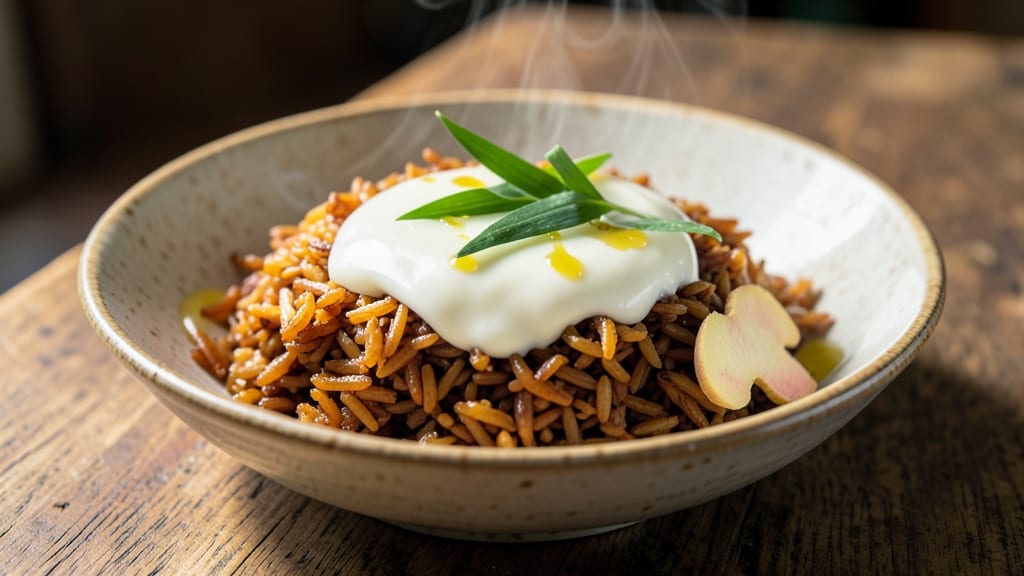
This brown jasmine rice recipe with coconut milk transforms ordinary grains into a fragrant, creamy side dish that pairs perfectly with curries, stir-fries, or grilled proteins. The secret lies in using coconut milk—not just for flavor, but to create a tender, slightly sticky texture that absorbs beautifully.
Unlike traditional rice methods, this approach keeps the grains intact while infusing them with rich, tropical notes in just 20 minutes of active time.
The process is simpler than it sounds: rinse the rice thoroughly to remove excess starch, then simmer it in coconut milk with a touch of salt and pandan leaf (optional) for an authentic aroma.
The result is a dish that’s creamy yet light, with a subtle sweetness that complements savory meals without overpowering them. Serve it as a standalone side or as the base for a coconut milk risotto-style rice bowl.
Ingredients for brown jasmine rice recipe coconut milk
Six simple ingredients transform ordinary rice into a fragrant, creamy coconut-infused side dish perfect for curries and stir-fries.
| Ingredient | Amount | Notes |
|---|---|---|
| Brown Jasmine Rice 🍚 | 1 ½ cups | Unrinsed, long-grain preferred |
| Full-Fat Coconut Milk 🥥 | 13 ½ oz | Canned, no additives |
| Water 💧 | 1 ½ cups | Filtered preferred |
| Salt 🧂 | ½ tsp | Diamond Crystal preferred |
| Fresh Pandan Leaf 🌿 | 1 whole | Optional, for aroma |
| Fresh Ginger 🧅 | 1 tbsp | Finely grated, peeled |
| Extra-Virgin Olive Oil 🫒 | 1 tbsp | For finishing |
| Lime Zest 🍋 | 1 tsp | Freshly grated |
The quality of your coconut milk makes all the difference—Thai Kitchen brand is my go-to for its rich, full-fat consistency. Look for cans with no additives or preservatives, and always use the full-fat version for that authentic creaminess. Brown jasmine rice should be long-grain and unrinsed to maintain its texture, though a quick rinse removes excess starch if you prefer. Fresh ginger and pandan leaf elevate this dish, but dried ginger or vanilla extract can substitute in a pinch. For the best aroma, buy whole pandan leaves from an Asian market—T&T Supermarket carries them year-round.
No fresh ginger? Ground ginger at half the amount works, though it lacks the same brightness. Substitute pandan leaf with 1 tsp vanilla extract or 1/4 tsp pandan extract for a similar floral note. The lime zest is optional but adds a refreshing contrast—Mexican limes have more zest than Persian. For extra richness, use coconut cream instead of coconut milk, though it will be thicker. If you're short on time, pre-grate the ginger and store it in the freezer for up to 3 months in an airtight container.
This rice reheats beautifully—simply add a splash of water and cover for 2-3 minutes in the microwave. For best results, store in an airtight container with a paper towel pressed on top to absorb excess moisture. Keeps fresh in the fridge for 4-5 days and freezes well for up to 3 months if portioned into single servings. The coconut milk solidifies when chilled, so stir vigorously to re-emulsify before reheating.
Why You'll Love This Recipe
- I swear by the 1: 1:1.5 ratio of rice to coconut milk to water—no guesswork, no mushy grains. Just simmer, cover, and let the pandan leaf work its magic while you handle the rest of dinner.
- Foolproof Ratio: I swear by the 1:1:1.5 ratio of rice to coconut milk to water—no guesswork, no mushy grains. Just simmer, cover, and let the pandan leaf work its magic while you handle the rest of dinner.
- Creamy Fragrance Bomb: That first whiff of toasted brown rice and coconut milk? It’s like a warm hug for your kitchen. The pandan leaf adds a subtle floral note that makes this taste like a vacation dish—no fancy ingredients, just pure comfort.
- Lunchbox Hero: I pack this cold or reheated for work—it’s hearty enough to stand alone but pairs perfectly with curries or grilled fish. The coconut milk keeps it rich, and the nutty brown rice adds staying power (no sad, soggy lunches here).
Step-by-step instructions for fragrant coconut-infused jasmine rice
This method transforms simple brown jasmine rice into a luxurious, coconut-infused dish with layers of aromatic complexity.
Toast the Rice for Enhanced Nuttiness
Heat a heavy-bottomed pot over medium heat and add the 1.5 cups unrinsed brown jasmine rice. Stir constantly for 2-3 minutes until the grains develop a toasted aroma and light golden spots appear. This dry toasting step enhances the rice's natural nuttiness and prevents mushiness during cooking.
I like to press the rice against the sides of the pot with a wooden spoon to ensure even toasting. You're looking for a subtle nutty fragrance—not burned, just toasted. Remove from heat immediately once you detect this aroma, as the rice can go from perfect to overdone in seconds.
Bloom the Aromatics
Return the pot to medium heat and add the 1 tbsp finely grated fresh ginger and the 1 whole fresh pandan leaf. Stir for 30 seconds until the ginger releases its essential oils and the pandan leaf begins to soften slightly. This step infuses the rice with complex floral and citrusy notes that elevate the coconut flavor.
The pandan leaf is optional but adds a signature aroma to Southeast Asian-inspired dishes. If using, gently crush it between your fingers before adding to release more flavor. You'll know it's working when the kitchen fills with a delicate, slightly sweet fragrance that lingers in the air.
Add Liquids and Simmer
Pour in the 13.5 oz full-fat coconut milk and 1.5 cups water, stirring to combine. Add the 0.5 tsp salt and bring to a gentle boil. Once boiling, reduce heat to low and cover with a tight-fitting lid. Simmer for 20 minutes without lifting the lid—this creates steam pressure that perfectly cooks the brown rice.
Resist the urge to peek! Every time you lift the lid, you release steam and extend cooking time. The rice should absorb all the liquid by the end of this time, leaving the grains tender yet slightly chewy with a firm bite. If liquid remains, continue cooking uncovered for 2-3 more minutes.
Finish with Bright Citrus and Silky Texture
Once the rice is tender, remove from heat and let it sit covered for 5 minutes. This resting period allows the grains to fully hydrate and develop their characteristic texture. Stir in the 1 tbsp extra-virgin olive oil and 1 tsp lime zest—the oil adds richness while the lime zest brightens the coconut flavor with a zesty contrast.
For extra fluffiness, fluff the rice gently with a fork against the bottom of the pot, separating any clumps. The finished rice should be tender yet firm, with a delicate coconut aroma that's subtly sweet and nutty. The lime zest should be visibly distributed throughout, adding pops of bright color and flavor.
Pro Tips For Making Brown Jasmine Rice Recipe Coconut Milk
- SOAK THE RICE FIRST: Brown jasmine rice needs a head start—soak it for 20-30 minutes before cooking. I learned this the hard way when my rice turned out gummy and uneven. The extra hydration helps the grains absorb the coconut milk more evenly, giving you that creamy, fluffy texture without sticking.
- USE FULL-FAT COCONUT MILK: Skip the light version—full-fat coconut milk is non-negotiable here. It adds richness and prevents the rice from drying out, especially when using brown rice, which soaks up moisture differently. Trust me, the difference is noticeable, and it’s worth the extra splurge.
- SIMMER LOW AND COVERED: Once the rice is cooking, drop the heat to the lowest setting and keep it covered. I used to walk away too soon, and the rice would either burn or turn mushy. Let it steam gently for 30-40 minutes—this is where the magic happens, and the pandan flavor really infuses.
- TOAST THE PANDA LEAF: Lightly toast the pandan leaf in a dry pan for 30 seconds before adding it to the rice. Sounds weird, but it works—it intensifies the aroma and prevents it from turning bitter. Tear it into strips and tie it in a knot for easy removal after cooking.
Perfect pairings for this recipe
Curry Pairings
This fragrant coconut rice pairs beautifully with Thai green curry or red curry—the creamy coconut notes complement the spices perfectly. I recommend serving with chicken or tofu curry for a balanced meal. The lime zest in the rice also cuts through the richness of coconut milk-based curries. 🍛
Protein Pairings
Grilled shrimp skewers or pan-seared salmon elevate this dish to restaurant-quality. The coconut rice's subtle sweetness balances the savory flavors of grilled proteins. For a vegetarian option, try crispy tofu or tempeh with a peanut sauce. Always serve proteins at room temperature for even cooking.
Vegetable Sides
Add steamed bok choy or blistered green beans to round out the meal. The crisp-tender texture contrasts nicely with the creamy rice. For extra freshness, include a mango salad with lime dressing—its bright acidity refreshes the palate between bites. 🥗
Dessert Pairings
Finish with coconut milk-infused chia pudding or mango sticky rice for a cohesive tropical theme. The coconut flavors carry through seamlessly. For a lighter option, serve lychee sorbet to cleanse the palate. Always keep desserts simple to let the main dish shine.
Drink Pairings
Sip on Thai iced tea or jasmine green tea to complement the floral notes in the rice. For alcohol, a dry Riesling or sparkling lychee wine enhances the coconut flavors without overpowering them. Avoid heavy wines that would clash with the dish's delicate balance. 🍷
Global Variations
In Vietnam, this rice might include lemongrass and fish sauce for a bún chả twist. In India, add turmeric and cumin for a coconut rice pilaf. The base technique remains the same—just adjust spices to match regional flavors while keeping the coconut milk as the star. 🌏
Nutrition facts
Frequently asked questions
Can I use white jasmine rice instead of brown?
While you can substitute white jasmine rice, the texture and cooking time will differ significantly. Brown rice stays firmer and absorbs the coconut milk more gradually, creating that ideal tender-yet-chewy bite. White rice cooks faster and may become mushy—reduce the water by 1/4 cup if you try it, and watch closely after 15 minutes.
Why does my coconut rice turn out too dry?
Too-dry rice usually means one of two things: either you used too much rice relative to the liquid, or you lifted the lid too often while cooking. For this recipe, the 1.5 cups rice to 13.5 oz coconut milk ratio is perfect—stick to it! If your rice is still dry after 20 minutes, add 2 tbsp water, cover, and cook 5 more minutes.
How can I make this coconut rice vegan?
This recipe is already vegan-friendly! Just ensure your coconut milk is labeled "vegan" (many brands use coconut cream instead of dairy). For extra flavor, add 1/2 tsp turmeric or 1/4 tsp smoked paprika to mimic the depth of butter. The lime zest and ginger remain perfect plant-based enhancers.
Can I make this in a rice cooker?
Follow the same steps for toasting and blooming aromatics, then transfer everything to your rice cooker. Use the white rice setting (brown rice needs more time). Add the liquids, salt, and aromatics, then start the cooker. It may take 30-35 minutes total—check for doneness 5 minutes before the cycle ends.
What's the best way to reheat leftover coconut rice?
Reheat gently to preserve texture: spread rice on a plate and microwave for 1-1.5 minutes, stirring halfway. For stovetop, warm in a skillet over low heat with 1 tbsp water or coconut milk per cup of rice, stirring constantly. The key is moisture—never let it dry out, or the grains will turn crumbly.