
Main Courses
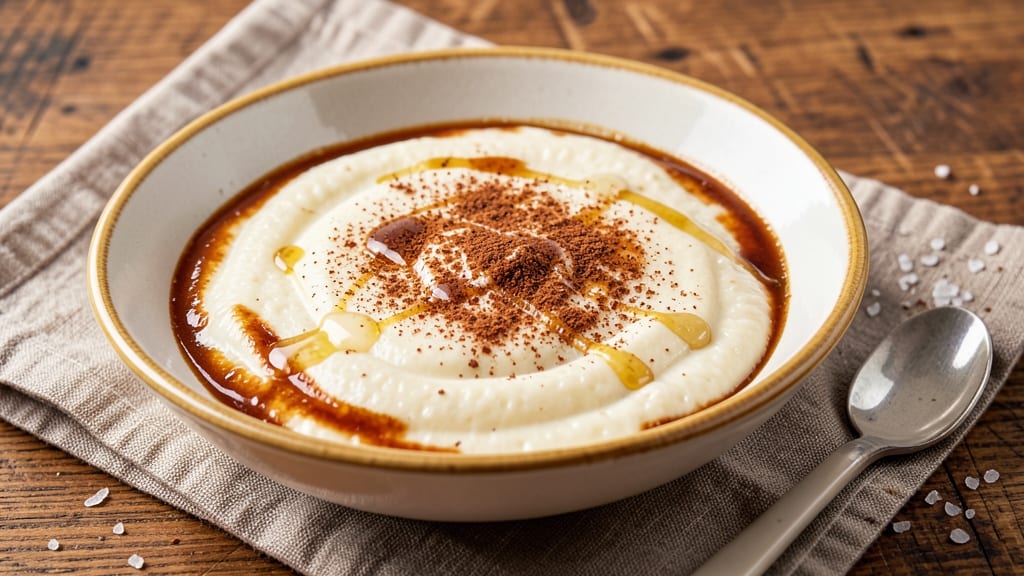
This boiled rice pudding recipe delivers comforting, velvety texture with just five simple ingredients and 30 minutes of hands-off time. The secret lies in simmering rice in milk until it transforms into a creamy, cinnamon-spiced dessert that tastes like nostalgia.
Perfect for chilly evenings or holiday gatherings, this one-pot method ensures foolproof results every time.
What sets this apart is the balance of textures—tender rice grains suspended in rich, custard-like milk, all infused with warm spices. The recipe builds naturally from basic pantry staples (rice, milk, sugar, cinnamon, vanilla) while allowing room for customization like raisins, coconut milk, or a touch of nutmeg.
Whether served warm with a sprinkle of cinnamon or chilled for a lighter treat, it's a versatile classic that never disappoints.
Ingredients for boiled rice pudding
Five core ingredients plus optional touches transform into nostalgic, velvety rice pudding.
| Ingredient | Amount | Notes |
|---|---|---|
| Long-Grain White Rice 🍚 | 1 cup | Uncooked, rinsed thoroughly |
| Whole Milk 🥛 | 4 cups | Full-fat preferred for creaminess |
| Granulated Sugar 🍚 | ¾ cup | Adjust to taste for sweetness |
| Ground Cinnamon 🌿 | 1 ½ tsp | Freshly ground preferred |
| Pure Vanilla Extract 🍯 | 1 tsp | Imitation-free for authentic flavor |
| Salt 🧂 | ½ tsp | Kosher or sea salt |
| Unsalted Butter 🧈 | 2 tbsp | Cold, cubed for texture |
| Raisins 🍇 | ¼ cup | Optional, soaked in warm water |
| Ground Nutmeg 🌿 | ¼ tsp | Freshly grated for depth |
The rice is the foundation—long-grain white rice cooks evenly and absorbs milk beautifully. Bob's Red Mill or store-brand basics work perfectly; avoid pre-cooked or instant rice. Milk quality matters here: whole milk creates the richest texture, while organic or high-heat tolerant brands prevent curdling. For extra indulgence, swap 1 cup of milk for coconut milk—it adds a subtle tropical note. The sugar should be granulated, not powdered, to dissolve smoothly during simmering. Cinnamon is non-negotiable for that classic warmth, but McCormick or Penzeys brands deliver the most authentic flavor profile.
No vanilla extract? Vanilla bean paste or even vanilla sugar (1 tsp) works in a pinch. The butter adds luxurious mouthfeel—European-style unsalted butter like Plugrá or Kerrygold melts beautifully. Raisins can be omitted entirely or replaced with chopped dates or dried cranberries for variation. Nutmeg is optional but recommended: freshly grated nutmeg from a microplane adds complexity that pre-ground can't match. For a dairy-free twist, oat milk or almond milk works, though texture will be lighter. The key is patience—simmering low and slow prevents grainy rice and ensures silky perfection.
Store leftovers in an airtight container for up to 4 days in the fridge. Reheat gently on the stove with a splash of milk to restore creaminess. For make-ahead convenience, prepare the pudding 2 days ahead—flavors deepen overnight. Freeze portions for up to 3 months by spreading in a single layer before transferring to a bag. When reheating from frozen, add extra milk as needed. The cinnamon-spiced aroma alone makes this a comforting staple for holiday gatherings or cozy weeknight desserts.
Why You'll Love This Recipe
- No-Fuss Stovetop Magic: I swear by this recipe because it’s the kind of dish that doesn’t demand your full attention—just 15 minutes of simmering while you stir occasionally. The rice softens perfectly in the milk, and the cinnamon and vanilla infuse effortlessly, turning basic pantry staples into something special without a single fancy technique.
- Warm Spice Hug: That first spoonful of creamy rice, warm with cinnamon and vanilla? It’s like a hug in dessert form. The long-grain rice keeps it light instead of gluey, and the sugar caramelizes just enough to give it a subtle sweetness that lingers. Honestly, it’s the kind of flavor that makes you pause mid-bite.
- Breakfast or Bedtime Fix: I keep this on rotation for lazy mornings (yes, even on a Tuesday night) or as a cozy after-dinner treat. The texture—creamy but not heavy—works just as well in a jar for grab-and-go breakfasts as it does spooned into bowls for a nightcap. No one ever turns it down, which says a lot.
- Budget-Friendly Leftovers: A single batch stretches for days, and the ingredients won’t break the bank. The rice and milk are affordable staples, and the cinnamon and vanilla add depth without costing much. Plus, it reheats beautifully—just add a splash of milk to keep it silky, and you’ve got dessert (or breakfast) ready in seconds.
Step-by-step instructions for boiled rice pudding
Here's the method for creamy, spiced rice pudding that delivers perfect texture every time.
Prepare the Base Ingredients
In a large, heavy-bottomed saucepan, combine the 1 cup long-grain white rice with the 4 cups whole milk. I always use a saucepan with thick sides to prevent scorching during the long cooking time. Bring the mixture to a gentle boil over medium-high heat, then immediately reduce the heat to low once it reaches a rolling boil.
This initial boil is crucial—it helps the rice absorb the milk evenly and prevents a gummy texture. Stir occasionally to distribute the milk and rice evenly, but avoid constant stirring which can break the rice grains. You'll notice the mixture will thicken as it simmers, but it should remain loose enough to stir easily.
Sweeten and Spice the Mixture
Once the rice and milk are simmering gently, add the 0.75 cup granulated sugar, 1.5 teaspoons ground cinnamon, 0.5 teaspoon salt, and 2 tablespoons cold cubed unsalted butter. Stir well to dissolve the sugar completely and distribute the spices evenly throughout the mixture. The butter will melt gradually, adding richness to the pudding.
Here's where the flavor develops: the cinnamon should be fragrant but not overpowering, and the sugar should dissolve completely without leaving grainy residue. If you're using the 0.25 cup raisins, add them now after soaking them in warm water for 10 minutes to plump them up. Drain well before adding to prevent excess moisture in the pudding.
Simmer Until Thick and Creamy
Cover the saucepan with a lid and let the mixture simmer gently for 45-50 minutes over low heat. Stir occasionally, especially during the first 20 minutes, to prevent the rice from sticking to the bottom. You're looking for a thick, creamy consistency—when the pudding reaches this stage, it should coat the back of a spoon and leave a slight trail when you run your finger through it.
Resist the urge to rush this step. The longer the pudding simmers, the more the starches release, creating that signature velvety texture. If the mixture starts to stick or brown, add 1-2 tablespoons of milk to loosen it. The pudding is ready when it pulls away from the sides of the pan and has a smooth, glossy appearance.
Finish with Vanilla and Nutmeg
Remove the saucepan from heat and stir in the 1 teaspoon pure vanilla extract and 0.25 teaspoon ground nutmeg. The vanilla adds depth of flavor, while the nutmeg provides a warm, slightly peppery note that complements the cinnamon. Let the pudding sit, covered, for 10 minutes to allow the flavors to meld together. This resting period also helps the pudding thicken slightly more.
For the best texture, serve the pudding warm or at room temperature. If you prefer it slightly thicker, you can chill it for 1 hour before serving, but be aware that it will firm up as it cools. The raisins, if used, should be tender and plump, releasing their sweetness into the creamy mixture. Taste and adjust the sweetness or spice level if needed before serving.
Pro Tips For Making Boiled Rice Pudding
- Rinse Rice Twice: I learned this the hard way—skipping the rinse leaves your pudding gummy and gluey. Use a fine-mesh strainer and cold water, swirling the rice until the water runs clear. That starch rinse is the difference between "meh" and "perfectly creamy."
- Simmer Low and Slow: After burning three batches, I finally figured out: this isn’t a race. Once the rice is tender, drop the heat to a bare simmer—just enough to keep bubbles gently breaking the surface. Too hot, and you’ll scorch the milk before the rice absorbs it.
- Toast the Cinnamon: Sounds weird, but it works: dry-toast your cinnamon in a small pan for 30 seconds until fragrant. Then whisk it into the warm pudding at the end. The aroma jumps off the plate, and you’ll use half the amount without losing depth.
- Sweeten in Stages: Dump all the sugar at once? You’ll end up with a sad, watery mess. Start with 2/3 of the sugar while cooking, then stir in the rest off the heat once the rice is done. The pudding thickens as it cools—trust the process. (Yes, even if you’re impatient like me.)
Pro cooking tips for this recipe
Low-Heat Simmering
Your biggest ally in perfect rice pudding is low, steady heat. Too much heat causes the rice to break down into a gluey mess, while too little leaves it undercooked and chalky.
I use medium-low heat after the initial boil, keeping the temperature just high enough to maintain a gentle simmer—you should see tiny bubbles breaking the surface every few seconds. A thermometer helps: aim for 180-190°F for ideal starch development.
If your burner runs hot, reduce to the lowest setting and add 1 extra tablespoon of milk to compensate for evaporation. 🌡️
Butter Timing Trick
Adding cold cubed butter at the start of Step 2 prevents immediate melting and creates pockets of richness. I cube the butter into ¼-inch pieces and fold them in gently—they should melt gradually over the 45-minute simmer, not all at once.
This technique ensures each bite has that luxurious, velvety mouthfeel without making the pudding greasy. For extra decadence, try European-style cultured butter like President or Miyoko's—their higher fat content (82-86%) delivers superior texture.
Preventing Grainy Rice
Grainy rice pudding ruins the creamy dream, but it’s avoidable. First, rinse the rice thoroughly before cooking to remove excess starch. Second, stir only every 5-7 minutes during the first 20 minutes—this distributes heat evenly without breaking grains.
If you notice rice sticking to the pan, immediately add 1-2 tablespoons of cold milk to loosen it. For insurance, I sometimes add ½ teaspoon cornstarch mixed with 1 tablespoon cold water during the last 10 minutes of cooking—it smooths out any roughness without altering flavor. 💡
Spice Layering Secret
To maximize cinnamon’s warmth without bitterness, toast it lightly before adding. In a dry pan over low heat, warm ½ teaspoon cinnamon for 30 seconds until fragrant—this deepens its aroma. Then, grind it fresh (if using whole sticks) or mix it with the sugar before adding to the pudding.
For nutmeg, freshly grated makes all the difference: use a microplane for fine, even shavings. Pro tip: Add nutmeg off-heat in the final step to preserve its delicate flavor, as heat can make it taste sharp.
Texture Control Tips
Want pudding that’s thick and custard-like? Simmer 5-10 minutes longer and chill it for 1 hour before serving. Prefer a softer, spoonable texture? Reduce simmering to 35-40 minutes and serve warm. For extra creaminess, stir in 1 tablespoon heavy cream at the end.
If your pudding separates (a common issue with dairy), whisk in 1 egg yolk (tempered with a splash of milk) and simmer for 5 more minutes—this rebinds the mixture beautifully. ⚡
Equipment Upgrades
A heavy-bottomed saucepan (like All-Clad Stainless or Le Creuset Dutch oven) prevents scorching, but even a stainless steel pot works in a pinch. For even gentler heat, use a double boiler: place your saucepan over a pot of simmering water (not touching) to maintain 180°F consistently.
Avoid nonstick pans—they can’t handle the prolonged simmering without leaching flavors. If you’re short on time, a slow cooker on low for 3-4 hours works too, though stirring occasionally ensures even texture.
Nutrition facts
Frequently asked questions
Can I use instant rice for this boiled rice pudding?
Instant rice isn't recommended because it contains added starches that can make your pudding too thick or gluey. For best results, stick with long-grain white rice—it absorbs the milk evenly and creates that signature creamy texture without breaking down into mush. If you're short on time, try parboiled rice (like Uncle Ben's) as a slightly faster alternative.
Why did my rice pudding turn out grainy?
Grainy texture usually happens from over-stirring or insufficient simmering time. To fix it next time, stir only every 5-7 minutes during the first 20 minutes of cooking, and simmer for the full 45-50 minutes. If it's already grainy, blend it briefly with an immersion blender (just until smooth) or stir in 1 tablespoon cornstarch mixed with 2 tablespoons cold milk and simmer for 5 more minutes.
Can I make this recipe without dairy?
For a dairy-free version, replace the milk with coconut milk (full-fat for creaminess) or oat milk with 1 tablespoon cornstarch added to thicken. Use dairy-free butter or coconut oil instead of regular butter. The texture will be slightly lighter, but still delicious. For extra richness, stir in 2 tablespoons coconut cream at the end of cooking.
How do I know when the pudding is fully cooked?
The pudding is done when it pulls away from the sides of the pan and has a thick, creamy consistency that coats the back of a spoon. For precision, it should reach an internal temperature of 180-190°F. If it's still too loose, simmer uncovered for another 5-10 minutes, stirring occasionally. The pudding will thicken more as it cools, so don't overcook it.
Can I add other fruits or mix-ins besides raisins?
Yes! Try diced apples, chopped dates, or chocolate chips for variation. For best results, add fruits during the last 10 minutes of cooking so they don't turn mushy. If using delicate fruits like berries, fold them in just before serving. You can also stir in ½ cup crushed pineapple (drained) or 1 teaspoon orange zest for a bright twist on the classic flavor.