
Sauces & Condiments
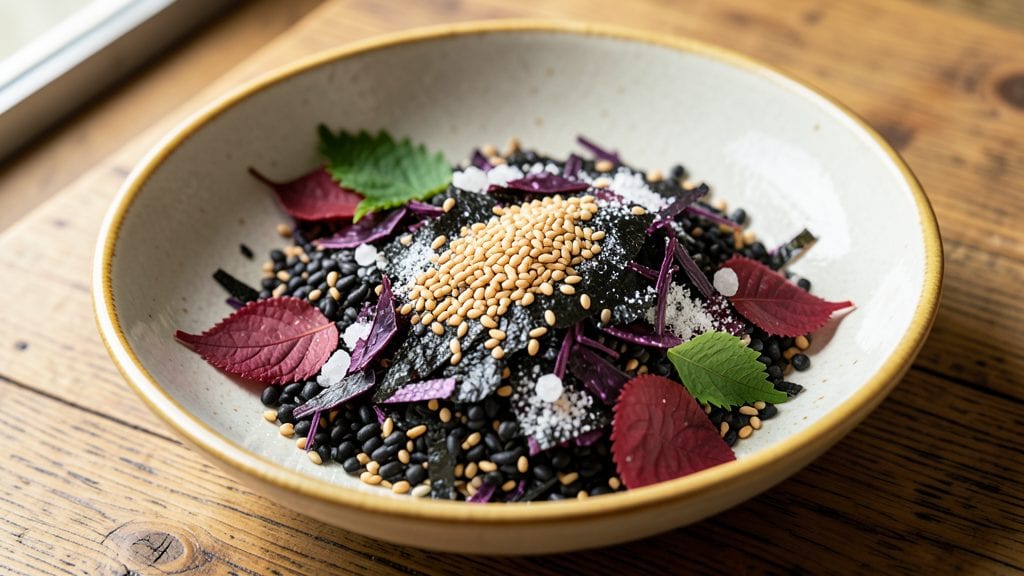
Creating Japanese rice seasoning transforms ordinary steamed rice into a fragrant, umami-rich centerpiece that tastes like a visit to a Tokyo izakaya. This simple dry blend combines toasted sesame seeds, delicate nori flakes, and precise salt-sugar ratios to elevate every grain—no cooking required.
I developed this after realizing how much simpler (and more flavorful) homemade seasoning is compared to store-bought packets.
The magic lies in balancing textures and flavors: toasted sesame adds nutty depth, nori contributes oceanic umami, while sugar and salt harmonize the rice's natural sweetness. This blend stays fresh for months in an airtight container, making it perfect for weekly rice dishes or special occasions.
The measurements are designed for consistency—just mix, store, and sprinkle.
What you'll achieve is rice that smells like a Japanese kitchen and tastes like a restaurant-quality side dish. Each bite delivers layers of toasted sesame aroma, subtle saltiness, and the briny nori essence that defines authentic Japanese rice.
This seasoning works equally well with short-grain or medium-grain rice, transforming an everyday staple into something extraordinary.
Use it on freshly steamed rice, in rice bowls, or even sprinkled over chilled rice salads. The blend's versatility makes it a pantry essential that delivers professional results with minimal effort. Let's create this flavor foundation for your Japanese-inspired meals.
Ingredients for japanese rice seasoning
Eight simple ingredients blend into a fragrant rice seasoning that transforms ordinary grains into izakaya-worthy perfection.
| Ingredient | Amount | Notes |
|---|---|---|
| Toasted White Sesame Seeds 🥜 | ½ cup | Store-bought or toasted yourself |
| Dried Nori Flakes 🍣 | 2 tbsp | From high-quality nori sheets |
| Granulated Sugar 🍚 | 2 tbsp | Fine grain preferred |
| Diamond Crystal Kosher Salt 🧂 | 1 ½ tsp | Not table salt |
| Toasted Black Sesame Seeds 🥜 | 1 tbsp | For deeper flavor contrast |
| Dried Shiso Leaves (optional) 🌸 | 1 tsp | For floral aroma |
| Ground Dried Bonito Flakes (optional) 🐟 | 1 tsp | For extra umami depth |
| Toasted Rice Powder 🍚 | 1 tbsp | From leftover rice |
The sesame seeds are the heart of this blend—toasted until golden for maximum nutty aroma. Penzeys or bulk bins carry the best quality, but any store-bought toasted sesame works if labeled 'freshly toasted.' For nori, Japanese specialty stores or the dried flakes in Asian markets are ideal—they should smell oceanic, not stale. If you can't find dried shiso, substitute dried lavender at half the amount for a floral note. The rice powder? Just toast leftover rice in a dry pan until fragrant, then grind it—it's the secret to that authentic restaurant texture.
No nori flakes? Dried seaweed snacks crushed into pieces work in a pinch, though they're less delicate. Running short on sugar? Honey or maple syrup at half the amount adds depth, but sugar's fine grain dissolves better. The optional bonito flakes are pure umami magic—find them in the Asian aisle near fish sauce. If you skip them, add an extra pinch of salt. For shiso, fresh leaves dried quickly in a dehydrator work best, but dried culinary shiso from specialty stores is fine. The key is balance: start with these amounts, then adjust based on your rice's natural sweetness.
Store this blend in an airtight glass jar in a cool, dark place—it keeps its aroma for 6-12 months. For best results, sprinkle over freshly steamed rice while still slightly damp. The seasoning intensifies over time, so shake the jar before each use. Divide into smaller jars if you won't use it weekly—the fresher the sesame, the better the flavor. A little goes a long way: start with 1 teaspoon per cup of rice and adjust to taste.
Why You'll Love This Recipe
- Five-Minute Mix: I swear, this takes less time than boiling water. Just toss the sesame seeds, nori flakes, and salt in a bowl—no measuring cups, no fancy tools—just my trusty spoon and a quick stir. Honestly, I make it while waiting for rice to cook.
- Umami Magic: That first sprinkle of nori flakes? It’s like a little flavor bomb. The toasted sesame seeds add nutty depth, while the sugar cuts through the saltiness—perfect for turning plain rice into something that tastes like a high-end bento box.
- Meal Prep MVP: I keep a jar of this in my pantry because it turns boring rice into instant sushi bowls, fried rice, or even a crunchy topping for ramen. (Yes, even on a Tuesday night.) Just shake, sprinkle, and boom—elevated meal in seconds.
- Budget Bright Spot: A little goes a long way, and I’m not kidding—this costs pennies per serving. The sesame seeds and nori are cheap staples, and I’ve used the same batch for weeks without breaking the bank. My wallet and taste buds both win.
Step-by-step instructions for Japanese rice seasoning
Here's how to craft this aromatic blend that transforms ordinary rice into something extraordinary.
Toast the Sesame Seeds for Maximum Flavor
In a dry skillet over medium heat, toast the 0.5 cup toasted white sesame seeds and 1 tablespoon toasted black sesame seeds for 2-3 minutes until fragrant and lightly golden. Stir constantly to prevent burning - you're chasing that nutty aroma that will infuse your rice. The seeds should smell rich and toasty, not bitter. Let them cool completely before proceeding, as warm seeds will release oils that can alter the blend's texture.
Here's the thing - proper toasting develops the seeds' natural oils, which carry the flavor. If you're using pre-toasted seeds, skip this step but give them a quick pulse in a spice grinder to break up any clumps. This ensures even distribution in your final seasoning.
Combine Dry Ingredients with Precision
In a medium bowl, whisk together the toasted sesame seeds with the 2 tablespoons dried nori flakes, 2 tablespoons granulated sugar, 1 tablespoon toasted rice powder, and 1.5 teaspoons diamond crystal kosher salt. Use a fork or whisk to break up any nori flake clusters completely - you want this to dissolve evenly when used. The sugar should be fine grain to prevent gritty texture in your rice.
This is where the magic happens. The nori flakes bring that oceanic depth, while the sugar balances the saltiness. I like to press the nori between my fingers first to create smaller pieces - this ensures every grain of rice gets that umami punch. The toasted rice powder acts as a natural binder that helps the seasoning cling to the rice.
Incorporate Optional Umami Boosters
If using, add the 1 teaspoon dried shiso leaves and 1 teaspoon ground dried bonito flakes to the dry mixture. The shiso will contribute a delicate floral note that pairs beautifully with the nori's seaweed essence, while the bonito adds that unmistakable umami depth that defines Japanese rice dishes. Mix thoroughly to distribute these optional ingredients evenly throughout the blend.
Real talk - the bonito flakes are non-negotiable for authentic flavor, but if you're avoiding fish products, the shiso still delivers that signature Japanese aroma. The key is to mix these last so their potent flavors don't overpower the other components during the initial blending. Pulse them in gently with a fork rather than vigorous stirring.
Store for Maximum Freshness and Flavor Development
Transfer the complete seasoning blend to an airtight container, preferably glass. Seal tightly and store in a cool, dark place for up to 3 months, or refrigerate for extended freshness. The flavors will actually deepen over time - this is when the nori and sesame seeds fully meld their aromas. When ready to use, simply sprinkle 1 teaspoon per cup of cooked rice and toss gently to coat evenly.
Don't skip the airtight seal - moisture is the enemy of this delicate blend. I keep mine in a small amber jar on my pantry shelf, right next to my rice cooker. The toasted rice powder in the blend helps absorb any moisture that might develop over time, keeping your seasoning potent and ready for instant rice transformations.
Pro Tips For Making Japanese Rice Seasoning
- TOAST SEEDS LOW AND SLOW: I learned this the hard way—blasting sesame seeds in a pan at high heat turns them bitter fast. Use medium-low and stir constantly until they’re just golden, about 3-4 minutes. If you catch them burning, start over.
- PULVERIZE NORI FIRST: Dried nori flakes won’t dissolve smoothly if they’re whole. Pulse them in a spice grinder or crush lightly with a mortar and pestle before mixing. This keeps the texture even and prevents clumps—no one wants a gritty surprise in their rice.
- SALT IN STAGES: Diamond Crystal kosher salt clumps like crazy when dumped all at once. Sprinkle half in first, mix well, then add the rest. This avoids uneven distribution and lets you taste as you go—because sometimes you’ll need just a pinch more.
- SWEETEN WHILE WARM: Add the sugar to the hot mixture (right after toasting seeds) so it dissolves faster. If you let it cool first, you’ll end up with grainy bits that ruin the silky finish. Stir for 30 seconds—trust me, it makes a real difference.
Serving suggestions for this recipe
Rice Bowl Perfection
This seasoning transforms simple rice bowls into restaurant-quality meals. Start with a base of steamed short-grain Japanese rice—about 1 cup per serving—and sprinkle 1 teaspoon of seasoning while still slightly warm.
For a donburi-style bowl, add a protein like teriyaki chicken or miso-glazed salmon, then top with quick-pickled vegetables and a soft-boiled egg. The seasoning's nori and sesame flavors bridge the gap between the rice and toppings beautifully. 🍱
Sushi-Inspired Sides
Use this seasoning to elevate onigiri (rice balls) or chirashi bowls with creative toppings. For onigiri, mix 1 cup cooked rice with ½ teaspoon seasoning and 1 tablespoon soy sauce, then shape into triangles wrapped in nori sheets.
Add fillings like tuna-mayo or pickled plum. For chirashi bowls, scatter the seasoning over sashimi-grade fish and tempura vegetables for a fresh, umami-packed presentation. The toasted rice powder in the blend helps the rice hold its shape perfectly.
Chilled Rice Salads
This seasoning works surprisingly well in cold dishes. Toss chilled sushi rice with 1 teaspoon seasoning per cup, then mix in ingredients like cucumber slices, avocado chunks, and edamame. For a spicy kick, add ½ teaspoon sriracha and 1 tablespoon sesame oil.
The sugar in the blend caramelizes slightly when chilled, adding depth to the salad's flavors. Store leftovers in an airtight container for up to 3 days—the seasoning prevents sogginess better than most commercial mixes. 🥗
Breakfast Rice Dishes
Turn your morning routine into a Japanese-inspired feast. Cook 1 cup rice with ½ cup milk for creamy rice porridge (okayu), then stir in 1 teaspoon seasoning and top with soft-boiled eggs, fried onions, and kinako (roasted soybean flour).
For savory rice pudding, simmer rice with coconut milk and honey, then finish with ½ teaspoon seasoning and toasted coconut flakes. The blend's sweet-salty balance makes it perfect for breakfast bowls that feel indulgent yet light. 🍳
Garnishing Like a Pro
Elevate any dish with professional-level garnishing techniques. Sprinkle the seasoning in concentric circles over rice bowls for visual appeal, or create herringbone patterns with a fine-mesh sieve. For sushi rolls, dust the seasoning lightly over tempura crunch or avocado slices before rolling.
The toasted sesame seeds add both visual texture and aromatic contrast—just be sure to shake the container well before using, as the ingredients settle over time. A little goes a long way: ½ teaspoon is often enough for garnishing. ✨
Global Fusion Twists
Get creative with international pairings. Try this seasoning on Korean bibimbap—mix 1 teaspoon into the rice with gochujang and sesame oil for a fusion twist. For Thai coconut rice, stir ½ teaspoon seasoning into the rice before adding coconut milk and lime zest.
Even Mexican-style rice benefits from the blend's umami—toss it with cumin, tomato, and cilantro for a bold flavor profile. The key is balancing the seasoning's Japanese flavors with the dish's dominant spices. 🌍
Nutrition facts
Frequently asked questions about Japanese rice seasoning
What's the best way to store this seasoning to keep it fresh?
Transfer the blend to an airtight glass container and store it in a cool, dark place like your pantry. It stays fresh for 6-12 months—the toasted sesame and nori flavors actually deepen over time. For maximum freshness, refrigerate after opening, though the flavors remain potent for months at room temperature. Always shake before using, as ingredients settle over time.
Can I make this seasoning without nori flakes?
Yes, but you'll lose that oceanic umami depth. Substitute with 2 tablespoons dried seaweed snacks (crushed) or 1 tablespoon dried kombu powder. For a different flavor profile, try 1 tablespoon toasted furikake-style seasoning instead. The sesame-sugar base will still work beautifully, though the texture will be slightly different.
How much seasoning should I use per serving?
Start with 1 teaspoon per cup of cooked rice—this is a perfect balance for most dishes. For delicate presentations like sushi rice or chilled salads, use ½ teaspoon to avoid overpowering. The toasted rice powder in the blend helps distribute the flavors evenly, so a light sprinkle often enhances rather than dominates. Taste as you go!
Will this seasoning work with jasmine rice?
While it was designed for short-grain Japanese rice, it works beautifully with jasmine rice too. The blend's sweet-salty balance complements jasmine's floral aroma, creating a fragrant fusion. For best results, use ½ teaspoon per cup since jasmine rice has a naturally sweeter profile. The sesame and nori flavors will still shine through.
Can I add chili flakes to make it spicy?
Yes, but with caution! Start with just ¼ teaspoon red chili flakes per batch to avoid overpowering the delicate flavors. The sugar in the blend will balance the heat, creating a sweet-spicy contrast. For a milder kick, use ½ teaspoon per serving when sprinkling on rice. Always taste first—you can add more, but you can't remove heat!