
Main Courses
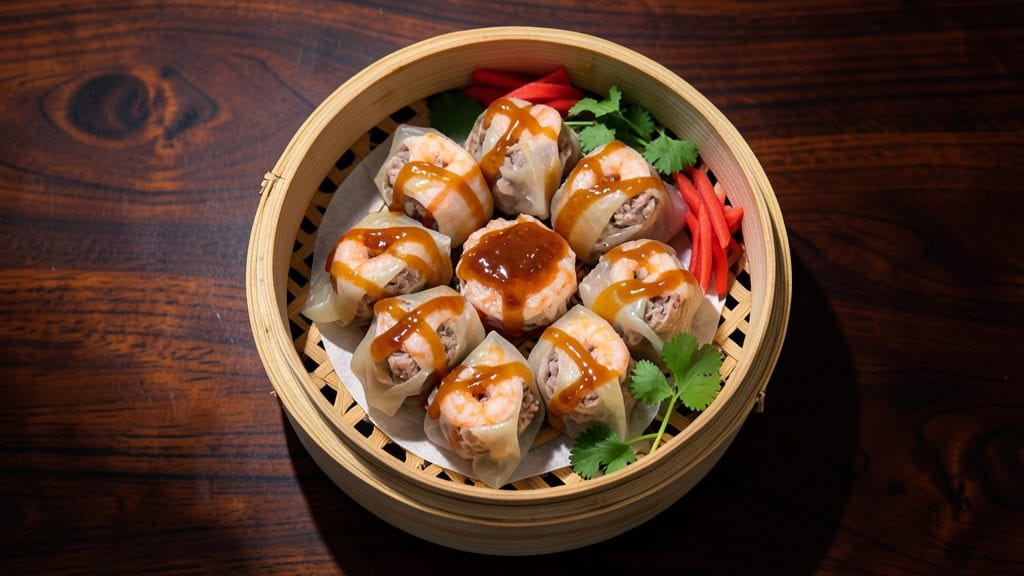
Mastering Chinese steamed rice noodle rolls transforms simple ingredients into delicate, silky wraps with a perfect balance of flavors. These rolls—often called har gow—require precision in wrapping and steaming, but the result is restaurant-quality dining at home.
The secret lies in the dough's elasticity and the harmony of fillings, whether you choose classic shrimp, pork, or vegetarian options.
This recipe guides you through every step, from preparing the rice noodle dough to pleating the rolls for that signature dim sum appearance. We'll use a simple, foolproof method that ensures tender noodles and a crisp exterior after steaming.
The sauce balance is key—sweet, savory, and umami notes come together in a way that elevates each bite.
What you'll achieve is a platter of golden-brown rolls with silky interiors and a delicate, translucent skin. Serve them with a tangy dipping sauce or a light soy-ginger dip to complement the flavors inside.
These rolls are perfect for special occasions or a weekend project that feels like a culinary achievement.
Whether you're making them for a family gathering or treating yourself to a homemade dim sum experience, this recipe delivers professional results with simple techniques. Let's get started on creating these elegant, flavorful wraps that will impress everyone at the table.
Ingredients for chinese steamed rice noodle rolls
Simple ingredients transform into delicate, restaurant-quality har gow with perfect sauce balance.
| Ingredient | Amount | Notes |
|---|---|---|
| Rice Flour 🍚 | 1 ½ cups | Glutinous rice flour preferred |
| Tapioca Starch 🌾 | ½ cup | For extra elasticity |
| Large Eggs 🥚 | 3 whole | Room temperature preferred |
| Water 💧 | 1 ½ cups | Room temperature |
| Shrimp 🦐 | 1 lb | Peeled, deveined, tail-on |
| Pork Shoulder 🥩 | 1 lb | Finely ground or minced |
| Shiitake Mushrooms 🍄 | 4 whole | Stems removed, sliced thin |
| Green Onions 🧅 | 4 whole | White and green parts separated |
| Fresh Ginger 🌿 | 2 tbsp | Finely minced, peeled |
| Garlic Cloves 🧄 | 6 cloves | Minced, fresh preferred |
| Soy Sauce 🍶 | ¼ cup | Light or all-purpose |
| Sesame Oil 🫒 | 1 tbsp | Toasted, for aroma |
| Vegetable Oil 🫒 | 2 tbsp | For frying shrimp |
| Salt 🧂 | 1 tsp | Diamond Crystal preferred |
| White Pepper 🌶️ | ½ tsp | Freshly ground |
The rice flour and tapioca starch blend is non-negotiable for that signature silky texture. Bob's Red Mill or King Arthur carry quality rice flour, but the Asian market has better options if you're near one. For the shrimp, fresh, wild-caught makes all the difference—ask your fishmonger for day-boat or frozen at sea. Pork shoulder needs to be finely ground (or run through a meat grinder) for that melt-in-your-mouth texture. Shitake mushrooms should be firm and plump, not dried out—look for fresh ones at Whole Foods or the produce section of Asian markets.
No fresh ginger? Powdered works at half the amount, but it lacks that bright zing. Subbing pork for shrimp? Use extra-firm tofu pressed for 20 minutes instead. Running low on sesame oil? Toasted peanut oil gives similar depth. The green onions get used twice—once in the filling, once for garnish (don't skip the white parts, they've got flavor). For the dough, if you can't find tapioca starch, cornstarch works in a pinch, though it won't be quite as elastic. And always use light soy sauce—dark soy sauce will color your rolls but won't taste right inside them.
Freshly made dough keeps 2 days wrapped in plastic in the fridge, but it's best used immediately. The filling can be prepped 1 day ahead—just store it covered in the fridge. For freezing, wrap individual rolls tightly in plastic and freeze for up to 3 months. Steam from frozen, adding 2 extra minutes. I like to make a big batch and freeze half—perfect for lazy weekends when you want dim sum without the effort.
Why You'll Love This Recipe
- No Fuss Dough: I swear, the wrapper mix is just rice flour, tapioca starch, and water—no yeast, no resting, no stress. You’ll have those pillowy rolls steamed in under 20 minutes, and honestly? The shrimp filling takes even less time than boiling pasta.
- Crispy-Creamy Magic: That egg wash on the outside gives you a golden, almost crackly texture when steamed, while the inside stays tender. The shrimp stays juicy, and the rice noodle dough absorbs just enough flavor to make every bite feel like a little hug.
- Lunchbox Hero: Between us, these are my go-to for packed lunches—no soggy sandwiches here. The rolls hold up perfectly for a day or two in the fridge, and they reheat like a dream. My kids (and my coworkers) always ask for seconds, which is basically the highest praise.
- Budget-Friendly Feast: A few shrimp, some eggs, and pantry staples stretch to feed four for under $15. I’ll be real: it’s not the fanciest meal, but it’s always a crowd-pleaser. Leftovers? Even better—steam them again or toss cold into a salad for a totally different vibe.
Step-by-step instructions for Chinese steamed rice noodle rolls
Here's how to craft these delicate wraps with a perfect balance of texture and flavor.
Prepare the Noodle Wrappers
In a large mixing bowl, combine the 1.5 cups rice flour and 0.5 cup tapioca starch. Add the 3 whole large eggs and 1.5 cups water at room temperature. Using a silicone spatula, mix until you achieve a smooth, elastic dough that pulls away from the bowl sides. The dough should be slightly tacky but not sticky—if it's too dry, add 1 teaspoon water at a time until it reaches the right consistency.
Transfer the dough to a clean surface lightly dusted with rice flour and knead for 5-7 minutes until completely smooth. Wrap it tightly in plastic wrap and let it rest for 30 minutes at room temperature. This resting period allows the gluten to relax, making rolling easier and ensuring even thickness in your wrappers.
After resting, divide the dough into 8 equal portions (about 1.5 ounces each) and roll each into a 6-inch circle using a rolling pin. Keep the rolled wrappers covered with a damp towel to prevent drying. The goal is paper-thin wrappers—if any seem too thick, roll them again until you achieve that delicate translucency.
Cook the Filling Components
Heat 2 tablespoons vegetable oil in a wok or large skillet over medium-high heat. Add the 1 lb shrimp and cook for 2-3 minutes per side until they turn opaque and slightly pink. Remove and set aside. In the same pan, add 2 tablespoons vegetable oil and stir-fry the 1 lb finely ground pork shoulder for 4-5 minutes until it loses its raw color and becomes light brown. Push the pork to one side and add 2 tablespoons minced fresh ginger and 6 cloves minced garlic cloves, cooking for 30 seconds until fragrant.
Add the 4 whole shiitake mushrooms (sliced thin) and cook for 2 minutes until they soften slightly. Pour in the 0.25 cup soy sauce and let it simmer for 1 minute until the liquid reduces slightly. Return the shrimp to the pan and toss everything together. Remove from heat and stir in 1 tablespoon toasted sesame oil, 1 teaspoon salt, and 0.5 teaspoon freshly ground white pepper. Let the filling cool to room temperature before assembling the rolls.
Assemble and Steam the Rolls
Place 1 rolled wrapper on a flat surface and add 2 tablespoons of the filling near the bottom edge. Fold the bottom over the filling, then fold in the sides, and finally roll up tightly from the bottom. Repeat with the remaining wrappers and filling. Arrange the rolls seam-side down in a steamer basket lined with parchment paper, leaving ½-inch space between each roll to prevent sticking.
Bring a pot of water to a boil and place the steamer basket inside, covering it with a lid. Steam over medium-high heat for 8-10 minutes until the wrappers turn translucent and slightly puffed. Avoid lifting the lid during steaming—this releases steam and prevents the rolls from cooking evenly. The rolls are done when they hold their shape and the wrappers are tender but not soggy.
Serve with Garnishes
Remove the rolls from the steamer and let them cool for 2 minutes. Slice each roll diagonally into ½-inch thick pieces and arrange on a platter. Garnish with the white and green parts of 4 whole green onions (thinly sliced separately) for color and freshness. Serve immediately with a side of chili oil or hoisin sauce for dipping. The rolls should be silky yet sturdy, with a delicate wrapper that gives way to the savory, umami-rich filling.
Pro Tips For Making Chinese Steamed Rice Noodle Rolls
- Rest the Dough: Let the rice flour-tapioca mix sit covered for 30 minutes after mixing—this relaxes the gluten and makes rolling smoother. I used to skip it, and the dough always fought me like a stubborn toddler.
- Prep Shrimp Right: Pat shrimp bone-dry with paper towels before cooking—no moisture means they’ll sear fast and stay tender. Wet shrimp? They’ll steam instead of brown, and your rolls lose that crisp contrast.
- Steam with Precision: Use a bamboo steamer with a thin layer of water—just enough to create steam, not drown the rolls. Too much water = soggy bottoms; too little = uneven cooking. Aim for 10–12 minutes, checking at 8.
- Egg Wash Matters: Brush the rolled edges with beaten egg white (not whole egg) before steaming—it seals the seams and gives a delicate, translucent finish. Whole egg makes them greasy; egg white keeps them light.
Best sauces and condiments for this recipe
Classic Chili Oil Dip
This is my go-to sauce for these rolls—simple yet packed with flavor. Combine ¼ cup chili oil (like Lao Gan Ma), 2 tablespoons soy sauce, 1 tablespoon rice vinegar, and 1 teaspoon sugar.
Let it sit for 10 minutes to meld flavors before serving. The heat from the chili oil cuts through the richness of the filling beautifully. 🌶️
Sweet Soy-Ginger Sauce
For a sweeter contrast, mix 3 tablespoons soy sauce, 1 tablespoon honey, 1 tablespoon rice vinegar, 1 teaspoon minced fresh ginger, and a pinch of white pepper.
Warm this sauce gently before serving—it enhances the umami notes in the filling while adding a touch of brightness. I often drizzle it lightly over the rolls before slicing for extra flavor.
Spicy Hoisin Glaze
Elevate your rolls with a glaze that balances sweet and spicy. Blend 2 tablespoons hoisin sauce, 1 tablespoon sriracha, and 1 teaspoon toasted sesame oil. Thin it with 1 teaspoon water if needed, then brush it over the rolls right before serving.
This glaze adds a sticky, glossy finish that’s perfect for sharing. 💫
Lime-Chili Dip
A refreshing dip that cleanses the palate between bites. Mix 2 tablespoons lime juice, 1 tablespoon chili oil, 1 teaspoon fish sauce, and ½ teaspoon sugar.
Serve chilled—this tangy, spicy dip is ideal for hot summer days or when you want to balance the richness of the rolls.
Sesame-Garlic Sauce
For a nutty, aromatic touch, blend 1 tablespoon toasted sesame oil, 1 tablespoon soy sauce, 1 teaspoon minced garlic, and ½ teaspoon sugar.
Warm it slightly before serving to release the garlic’s fragrance. This sauce pairs wonderfully with the shrimp and pork filling, adding depth without overpowering.
Quick Soy-Vinegar Dip
When you’re short on time, this no-fuss dip works perfectly. Just mix 3 tablespoons soy sauce, 1 tablespoon rice vinegar, and ½ teaspoon sugar.
Adjust the vinegar to taste—more for tang, less for a milder flavor. It’s the ultimate neutral dip that lets the rolls shine on their own. ✨
Nutrition facts
Frequently asked questions
Can I use store-bought rice noodle wrappers instead of making them from scratch?
For a shortcut, use 6-inch round rice paper wrappers (found in Asian markets or online). They're pre-made and save time, though homemade wrappers have a slightly better texture. If using store-bought, reduce steaming time to 6-8 minutes since they're thinner.
What's the best way to prevent the rolls from falling apart when steaming?
Keep the filling cool before wrapping and avoid overfilling—2 tablespoons per roll is ideal. Seal the edges tightly and steam over medium-high heat without lifting the lid. If they still fall apart, your wrappers may need more kneading or resting time.
Can I make these rolls ahead of time and reheat them?
Yes! Assemble the rolls and refrigerate them (unsteamed) for up to 4 hours. Steam from cold, adding 2 extra minutes. For fully cooked rolls, freeze them (unsteamed) for up to 3 months. Thaw overnight in the fridge, then steam as directed. Never microwave—it makes the wrappers rubbery.
What's the difference between har gow and char siu bao-style noodle rolls?
Har gow are traditional Cantonese-style rolls with a delicate, translucent wrapper and shrimp/pork filling. Char siu bao-style rolls use a thicker wrapper (like bao dough) and are often filled with char siu pork. The texture and presentation differ—har gow are lighter and more delicate, while char siu bao-style rolls are denser and more substantial.
Why did my rolls turn out too dense instead of silky?
Over-kneading the dough or insufficient resting time causes dense rolls. Ensure you knead for only 5-7 minutes and let the dough rest 30 minutes before rolling. Also, avoid overfilling—too much filling makes the wrappers tear or become tough. Check your rice flour quality too; low-grade flour lacks elasticity.