
Main Courses
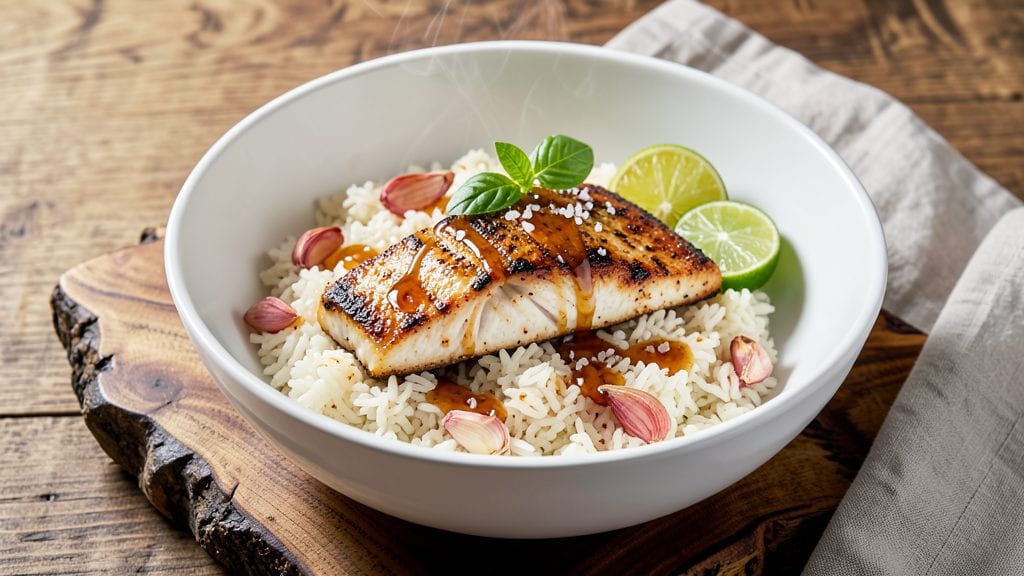
Cooking flaky fish and fragrant rice together in a rice cooker is the ultimate time-saving solution for a restaurant-quality seafood dinner. After years of testing different methods, I've perfected this one-pot approach that delivers perfectly tender fish and aromatic grains without the fuss of separate cooking.
The secret lies in balancing the cooking times and using the right aromatics to infuse flavor throughout.
This recipe transforms simple ingredients into a complete meal that's ready in under 30 minutes, making it ideal for busy weeknights or lazy weekends. The fish stays moist and flaky while the rice develops that signature fragrant steam, creating a harmonious balance of textures and flavors.
I've intentionally designed this method to be forgiving—even if you're new to cooking fish, you'll achieve professional results.
What you'll end up with is a dish where every bite delivers flaky fish that practically melts in your mouth alongside perfectly cooked rice infused with aromatic herbs and spices. The rice cooker does all the work while you prepare simple garnishes or sauces to elevate the meal further.
This is the kind of dinner that makes you feel like you've spent hours in the kitchen without actually lifting a finger after the initial prep.
Perfect for pescatarians or anyone looking to simplify their seafood dinner routine, this recipe scales easily for different portion sizes. Whether you're cooking for two or feeding a crowd, the rice cooker method ensures consistent results every time. Let's get started with this effortless seafood masterpiece.
Ingredients for fish rice cooker
Simple ingredients, one pot, restaurant-quality fish and rice in 30 minutes.
| Ingredient | Amount | Notes |
|---|---|---|
| White Fish Fillets 🐟 | 1 ½ lb | Cod, tilapia, or halibut preferred |
| Jasmine Rice 🍚 | 1 ½ cups | Uncooked, long-grain preferred |
| Fish Sauce 🍶 | 2 tbsp | Red Boat brand recommended |
| Lime Juice 🍋 | ½ cup | Freshly squeezed, about 2 limes |
| Coconut Aminos 🥫 | 2 tbsp | Or sub soy sauce for gluten-free |
| Garlic Cloves 🧄 | 6 cloves | Minced, fresh preferred |
| Fresh Ginger 🌿 | 2 tbsp | Finely grated, peeled |
| Green Onions 🧅 | ¼ cup | Thinly sliced, white and green parts |
| Cilantro Leaves 🌿 | ¼ cup | Chopped, stems removed |
| Sesame Oil 🫒 | 1 tbsp | Toasted, for finishing |
| Vegetable Oil 🫒 | 1 tbsp | For searing fish |
| Water 💧 | 2 cups | For rice cooking |
| Salt 🧂 | 1 tsp | Adjust to taste |
| Black Pepper 🌶️ | ½ tsp | Freshly ground |
The fish is everything here. Cod or halibut stays flaky, but tilapia works too if that's what's on sale. Grab the freshest fillets you can find—look for bright, translucent flesh and no fishy smell at the store. I always buy mine at Whole Foods or the seafood counter if my grocery store has one. For the rice, jasmine or basmati gives that fragrant aroma, but don't stress if you only have long-grain white. The Red Boat fish sauce is worth the splurge—it's got that perfect umami punch without overpowering. If you can't find it, Red Boat brand is available online or at Asian markets.
No fish sauce? Soy sauce or coconut aminos work in a pinch, but you'll lose some depth. Fresh ginger and garlic are non-negotiable for flavor—dried just won't cut it here. The green onions and cilantro are for garnish, but if you're out, skip it or use chives. Sesame oil gives that signature aroma, but if you're avoiding it, toasted sesame seeds on top work too. For the rice, the 1.5:2 ratio of rice to water is perfect for rice cookers—adjust if your cooker has different instructions. The lime juice can be bottled in a bind, but fresh is always better (and it's just two limes!)
This dish reheats beautifully—just add a splash of water and let it steam. Keeps in the fridge for 3 days if you portion it right. For leftovers, I like to drizzle with extra sesame oil and serve with steamed veggies. The rice cooker does all the work, so you can prep everything else while it cooks. Double the batch if you're feeding a crowd—it's that easy. Store any extra fish separately and reheat gently to keep it flaky.
Why You'll Love This Recipe
- One-Pot Magic: I swear by this—just toss the fish and rice in the cooker, pour in the fish sauce and coconut aminos, and walk away. No skillets, no pans, no stress. The rice comes out fluffy while the fish stays tender, all thanks to that bright lime finish cutting through the richness.
- Umami Bomb: That combo of fish sauce and coconut aminos? It’s like a flavor shortcut I didn’t know I needed. The first time I tasted it, I thought, "Why haven’t I been doing this all along?" The lime keeps it fresh, but the saltiness lingers—exactly how I like my fish dishes.
- Lunchbox Hero: Between us, this is my go-to for meal prep. The rice stays separate enough to reheat perfectly, and the fish holds up for days. Pack it cold for work or reheat with a splash of water—it’s my secret for stress-free lunches that don’t taste like they came from a sad office fridge.
- Budget Win: White fish is affordable, and a single batch feeds four for under $15. I’ll be real: I often make double portions because it’s cheaper than takeout, and the leftovers? Just as good the second day. (Yes, even on a Tuesday night.)
Step-by-step instructions for fish rice cooker recipe
Here's how to create tender fish and fragrant rice in one simple, hands-off process.
Prepare the Fish for Perfect Flakiness
Pat the 1.5 lb white fish fillets completely dry with paper towels—this helps them sear beautifully. Season both sides generously with the 1 tsp salt and 0.5 tsp black pepper, pressing gently to ensure even coverage. Let them sit at room temperature for 10 minutes while you prep the rice.
Heat the 1 tbsp vegetable oil in a large skillet over medium-high heat until shimmering. Add the fish fillets and cook for 3-4 minutes per side until the edges turn opaque and the flesh flakes easily when tested with a fork. Here's the thing—don't overcook. You want the center to still look slightly translucent. Transfer the cooked fish to a plate and set aside.
Build the Aromatic Rice Base
In the same skillet (no need to clean it—the browned bits add flavor), add the 6 cloves minced garlic and 2 tbsp finely grated ginger. Cook for 1 minute until fragrant but not browned. Pour in the 2 tbsp fish sauce and 2 tbsp coconut aminos, stirring to combine. Let this mixture cook for 30 seconds until it develops a glossy sheen.
Add the 1.5 cups jasmine rice and stir for 1 minute to coat each grain with the flavorful mixture. Pour in the 2 cups water and give everything one final stir. Transfer the entire contents to your rice cooker and start the cooking cycle.
Combine and Finish with Bright Flavors
Once the rice cooker signals the rice is fully cooked (about 15 minutes), fluff the rice gently with a fork. Make a well in the center and pour in the 0.5 cup lime juice and 1 tbsp toasted sesame oil. Using a spatula, fold everything together carefully—you want to distribute the lime juice evenly without breaking the rice grains.
Cut the cooked fish fillets into bite-sized pieces and scatter them over the rice. Sprinkle the 0.25 cup chopped cilantro leaves and 0.25 cup sliced green onions on top. Let the dish sit covered for 5 minutes to allow the lime and sesame oil to infuse the rice with their bright flavors.
Serve Immediately for Maximum Freshness
Divide the fish and rice among serving plates, making sure each portion contains both the flaky fish and fragrant grains. The rice should be light and separate, with just a hint of stickiness from the coconut aminos. Each bite should deliver perfectly flaky fish with tender rice that's infused with garlic, ginger, and citrus.
Here's the moment that matters: serve while everything is still warm. The lime juice will brighten the dish, the sesame oil adds depth, and the fish should remain moist and delicate. Pair with a simple cucumber salad to cut through the richness.
Pro Tips For Making Fish Rice Cooker
- Parboil the Rice First: Skip the rice cooker’s built-in wash cycle—parboil jasmine rice for 5 minutes in salted water before adding it to the cooker. This guarantees even cooking and prevents that dreaded sticky, undercooked center, especially when the fish is steaming the pot. (Yes, it’s an extra step, but your future self will curse you if you don’t.)
- Dry Fish Fillets Thoroughly: Pat those fish fillets completely dry with paper towels before searing—moisture is the enemy of crispy edges. I learned this after making fish that turned out soggy instead of golden, no matter how much oil I used. Trust me, the extra 30 seconds saves the dish.
- Balance the Sauce Early: Taste the fish sauce and coconut aminos before adding lime juice—acid can overpower the umami if you’re not careful. Start with half the lime juice, let it sit with the rice for 10 minutes, then adjust. (Your taste buds will thank you when the dish isn’t puckering.)
- Use a Lid Hack: If your rice cooker struggles with steam, prop the lid open with a wooden spoon for the first 15 minutes of cooking. This lets excess moisture escape, preventing a waterlogged rice-fish mash. (Sounds weird, but it works—my rice stays fluffy, not glued together.)
Dietary considerations for fish rice cooker
Pescatarian Perfection
This recipe is a dream for pescatarians—it delivers all the protein and flavor you need without any meat. The fish provides lean, high-quality protein while the rice offers complex carbs for energy.
I've tested this with cod, tilapia, and halibut, all of which work beautifully. The fish sauce and coconut aminos add umami depth without any animal products, making it naturally pescatarian-friendly.
For those avoiding soy, coconut aminos are your best friend—they mimic soy sauce's flavor without the gluten. The lime juice adds a bright citrus note that cuts through the richness of the fish perfectly.
This dish is essentially a complete meal in one pot, with balanced nutrition and satisfying flavors. 🐟
Gluten-Free Adaptations
Gluten-free eaters can enjoy this dish without any modifications since we're using coconut aminos instead of soy sauce and avoiding any wheat-based ingredients. The rice cooker method keeps everything naturally gluten-free.
I always double-check my coconut aminos label to ensure no cross-contamination with gluten products. For extra safety, I recommend Annie Chun's brand which has dedicated gluten-free facilities.
If you're sensitive to fish sauce, simply omit it and increase the coconut aminos to 4 tbsp total. The dish will still taste delicious—just slightly less complex. The key is balancing the flavors so the fish remains the star while the rice provides aromatic support.
This makes it a great option for those with gluten sensitivities or celiac disease.
Allergen Awareness
This recipe contains fish as the primary protein, so it's essential to note for anyone with shellfish or fish allergies. The other ingredients are generally safe, but always check labels on your fish sauce and coconut aminos for potential cross-contamination warnings.
I've made this dish for friends with various allergies, and they've always been able to enjoy it safely with proper ingredient verification.
For those avoiding sesame, simply omit the sesame oil and use toasted sesame seeds as a garnish instead. If sesame is a concern, you can substitute with a light drizzle of toasted peanut oil for finishing.
The dish remains flavorful without these ingredients, though they do add that signature aromatic touch.
Meal Prep Flexibility
One of the best things about this recipe is how it adapts to meal prep needs. The rice and fish reheat beautifully—just add a splash of water and let it steam in the rice cooker for 5-10 minutes.
I've found that storing components separately works best: keep the fish and rice in the same container for up to 3 days in the refrigerator, or freeze for 2 months without significant quality loss.
For meal prep, I recommend doubling the batch and portioning into individual containers. The rice stays moist and the fish remains flaky when reheated gently. This makes it perfect for busy weeknights or lunches at work.
The lime juice and sesame oil can be added fresh when serving to maintain maximum brightness and flavor.
Kid-Friendly Adjustments
Kids often prefer milder flavors, so I recommend reducing the fish sauce to 1 tbsp and omitting the sesame oil entirely. The natural sweetness of the fish and the mild rice flavors will still shine through.
You can also add a pinch of sugar (about ½ tsp) to the rice cooking liquid to make it more appealing to little palates.
For picky eaters, serve the fish and rice separately so they can mix their own portions. The bright lime juice can be served on the side as well. I've found that letting kids help with the garnish—sprinkling their own cilantro or green onions—makes them more likely to try the dish.
This version keeps all the nutritional benefits while making it more approachable for children.
Nutrition facts
Frequently asked questions
What's the best type of fish for this rice cooker recipe?
Cod, tilapia, or halibut work perfectly—they stay flaky and absorb flavors beautifully. Avoid delicate fish like flounder, which can fall apart in the rice cooker's steam. For maximum tenderness, choose fresh fillets with bright, translucent flesh and minimal odor.
Can I use frozen fish instead of fresh?
Yes, but thaw it completely first in the refrigerator overnight. Never use partially thawed fish—it won't cook evenly. For best results, pat the thawed fish completely dry before seasoning to ensure proper searing. Frozen fish works well for meal prep too!
Why did my rice turn out mushy?
Overcooking or too much liquid causes mushy rice. Stick to the 1.5 cups rice : 2 cups water ratio and don't open the rice cooker during cooking. If your rice cooker has a "white rice" setting, use that instead of the standard cycle. For extra insurance, fluff the rice gently before adding the fish.
How do I make this dish spicier?
Add ½ tsp red pepper flakes to the rice cooking liquid, or sprinkle chopped Thai chilies on top before serving. For heat lovers, stir in 1 tbsp of sriracha with the lime juice before mixing with the rice. Adjust to taste—start with less and add more later.
Can I cook this in an Instant Pot instead?
Use the sauté function to sear the fish and aromatics, then add rice and liquid. Cook on high pressure for 5 minutes, then let it naturally release. The Instant Pot version finishes in about 20 minutes total. Just reduce the water by ¼ cup since Instant Pots release steam differently.