
Main Courses
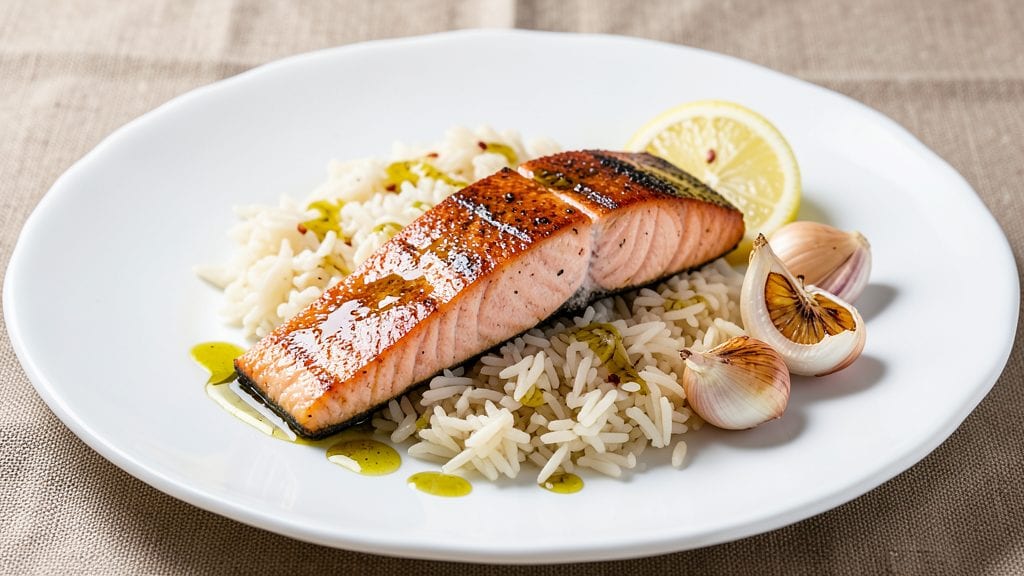
Cooking salmon and rice together in a rice cooker delivers flaky, perfectly seasoned fish paired with fragrant grains—all with minimal effort. The rice cooker handles both proteins simultaneously, ensuring tender salmon and perfectly cooked rice without monitoring multiple pots.
This method transforms weeknight dinners into restaurant-quality meals in under 30 minutes, using simple ingredients and one appliance.
What makes this recipe stand out is the balance of flavors and textures: crispy salmon skin, melt-in-your-mouth flesh, and aromatic rice infused with subtle seasonings. The salmon stays moist while the rice develops a delicate crust, creating a harmonious plate that’s as visually appealing as it is delicious.
Whether you’re feeding a family or meal prepping, this hands-off approach guarantees consistent results every time.
Ingredients for rice cooker salmon rice
Twelve simple ingredients transform into restaurant-quality salmon and rice with minimal effort.
| Ingredient | Amount | Notes |
|---|---|---|
| Wild-Caught Salmon Fillets 🐟 | 1 ½ lb | Skin-on, even thickness preferred |
| Long-Grain White Rice 🍚 | 2 cups | Uncooked, jasmine or basmati ideal |
| Extra-Virgin Olive Oil 🫒 | 2 tbsp | Lightly brushed on salmon skin |
| Diamond Crystal Kosher Salt 🧂 | 1 ½ tsp | Divided for seasoning |
| Fresh Lemon Juice 🍋 | 2 tbsp | From organic Meyer lemons |
| Garlic Cloves 🧄 | 4 cloves | Minced, for rice seasoning |
| Fresh Ginger 🌿 | 1 tsp | Grated, for rice aroma |
| Low-Sodium Soy Sauce 🍶 | 1 tbsp | For rice seasoning blend |
| Sesame Seeds 🌾 | 1 tsp | Toasted, for garnish |
| Green Onions 🧅 | 3 whole | Sliced, for garnish |
| Water 💧 | 3 cups | For rice cooking |
| Fresh Cilantro 🌿 | ¼ cup | Chopped, optional garnish |
The salmon selection is critical for optimal texture. Wild-caught fillets with skin ensure crisp edges while maintaining moist flesh—frozen wild salmon works equally well if thawed properly. For rice, jasmine or basmati varieties develop the best texture in rice cookers, though long-grain white rice remains a reliable choice. Trader Joe's and Whole Foods carry excellent pre-portioned salmon fillets, while bulk bins at Asian markets offer superior rice options. Fresh ginger and garlic should be vibrant and aromatic—no woody stems or dry cloves. The soy sauce matters too: low-sodium versions prevent over-salting the delicate rice.
No fresh ginger? Ground ginger at half the amount suffices, though fresh provides superior depth. Substitute the sesame seeds with toasted peanuts or crushed pistachios for a different texture profile. The green onions can be swapped for scallions or chives, though green onions offer the best balance of mild onion flavor and freshness. For the salmon, skinless fillets work but lose the crispy texture—worth keeping the skin if possible. The rice seasoning blend (soy sauce, garlic, ginger) can be pre-mixed and stored in the freezer for up to 3 months in an airtight container. If using pre-cooked rice, add 1 tbsp water per cup to restore moisture in the rice cooker.
This dish reheats beautifully—simply add 1 tbsp water per serving and cook on high for 5 minutes. The salmon and rice keep separately in the fridge for 3 days, though the rice texture degrades faster than the salmon. For meal prep, portion the salmon into single-serving containers with a sprinkle of lemon juice to maintain freshness. The rice can be stored in a sealed container with parchment paper between layers to prevent sticking. Freeze portions for up to 2 months—thaw overnight in the fridge before reheating. Garnishes like sesame seeds and green onions should be added fresh after reheating to preserve their vibrant flavors.
Why You'll Love This Recipe
- One-Pot Magic: I swear by this recipe—just toss the salmon, rice, and a splash of olive oil into the rice cooker, add water, and walk away. No pans, no fuss, and zero cleanup beyond rinsing one bowl.
- Bright & Buttery: That wild-caught salmon stays juicy while the rice absorbs the lemon’s zing and the olive oil’s richness. Honestly, the first bite makes me forget I’m not at a fancy restaurant.
- Weeknight & Meal Prep: Make it for Tuesday dinners or Sunday prep—it reheats beautifully. My lunchbox gets packed with this for days, and the leftovers? Still taste like a fresh-cooked meal.
- Budget-Friendly Protein: Salmon’s pricey, but one fillet stretches over two servings with rice filling the gap. I’ll be real: this is my go-to for feeding the family without breaking the bank.
Step-by-step instructions for rice cooker salmon and rice
This method delivers perfectly flaky salmon and aromatic rice with minimal effort.
Prepare the Salmon for Optimal Flakiness
Pat the 1.5 lb wild-caught salmon fillets dry with paper towels, removing any moisture from the skin. Using the 2 tbsp extra-virgin olive oil, lightly brush the skin side of each fillet—this creates a protective barrier that prevents sticking and promotes crispness. Season both sides generously with half of the 1.5 tsp diamond crystal kosher salt (about 0.75 tsp per fillet), focusing on the flesh side where the seasoning will penetrate during cooking.
Here's the thing—salmon cooks best when it starts at room temperature. Let the seasoned fillets sit uncovered on a plate for 15-20 minutes while you prepare the rice. This short equilibration period ensures even cooking throughout the fillets, preventing any potential cold spots that could lead to uneven doneness. The skin should remain intact but slightly tacky from the oil, which is exactly what we want for that prized crispness.
Season and Assemble the Rice Components
In a small bowl, combine the 2 cups long-grain white rice with the 3 cups water, minced 4 cloves garlic, grated 1 tsp fresh ginger, 1 tbsp low-sodium soy sauce, and the remaining 0.75 tsp diamond crystal kosher salt. Stir gently just until the rice is evenly coated—you should still see distinct grains, not a uniform slurry. This aromatic blend transforms ordinary rice into fragrant, flavorful grains that complement the salmon beautifully.
While the rice mixture rests, prepare the green onions by slicing the 3 whole green onions into ¼-inch rings. Toast the 1 tsp sesame seeds in a dry skillet over medium heat for 1-2 minutes until fragrant and lightly golden. Remove from heat immediately and set aside—they'll continue to toast slightly when added to the finished dish. The chopped 0.25 cup fresh cilantro should be reserved for garnish only, as its bright flavor works best as a finishing touch rather than during cooking.
Layer and Cook in the Rice Cooker
Place the seasoned salmon fillets skin-side down in the bottom of your rice cooker insert. Arrange them in a single layer, slightly overlapping if needed to fit, but never stacking—this ensures even heat distribution and prevents uneven cooking. Pour the prepared rice mixture evenly over the salmon, pressing down gently to submerge the fillets completely. The water level should reach approximately ½ inch above the salmon.
Cover the rice cooker and select the "white rice" setting. Cook until the rice cooker automatically switches to "keep warm" mode, which typically takes about 25-30 minutes. The salmon is done when it reaches an internal temperature of 145°F and flakes easily with a fork. Real talk: Don't peek during cooking—the steam release each time you open the lid can lead to uneven cooking and potentially dry salmon. Trust the cooker's timing and temperature cues.
Rest and Finish the Dish
Once cooking is complete, let the rice cooker rest for 5 minutes before opening. This resting period allows the residual steam to finish cooking the salmon gently and redistributes any juices that might have pooled during cooking. Using a fish spatula, carefully transfer the salmon fillets to serving plates, skin-side up. The skin should be crisp and slightly translucent, while the flesh should separate into perfect flakes at the lightest touch.
Spoon the fragrant rice evenly over the salmon, drizzle with the 2 tbsp fresh lemon juice, and garnish with the toasted sesame seeds, sliced green onions, and chopped fresh cilantro. The acidity of the lemon juice brightens the dish, cutting through the richness of the salmon while enhancing its natural sweetness. Serve immediately while the salmon is still warm and the rice maintains its perfect texture—this dish doesn't hold well once it cools.
Pro Tips For Making Rice Cooker Salmon Rice
- Sear Salmon First: Skip the raw salmon in the rice cooker—it’ll steam instead of develop that perfect crust. Hit a hot pan with olive oil, sear skin-side down for 3-4 minutes until golden, then flip. The rice cooker finishes cooking the center while keeping the outside crisp.
- Rinse Rice Twice: I used to eyeball it, but now I rinse long-grain rice in cold water until the water runs clear—twice. This cuts the starch, so the rice stays separate and fluffy instead of gummy. (Yes, even if your cooker promises "foolproof" rice.)
- Don’t Overcrowd the Pan: Thin salmon fillets? Great. Thick ones? Cut them in half lengthwise before searing. Crowding steams the salmon instead of browning it, and you’ll end up with sad, pale fish. A single layer in the pan is worth the extra minute.
- Salt the Rice Early: Toss the rinsed rice with salt before adding water—about 1 tsp per cup. It distributes evenly, and the rice absorbs flavor from the start. (I learned this after tasting bland rice where the salt pooled at the bottom.)
Creative variations of this rice cooker salmon rice
Asian-Inspired Soy-Ginger Twist
Swap the lemon for 1 tbsp rice vinegar and add 1 tsp honey to the rice seasoning for a sweet-savory profile. I like using mirin instead of soy sauce for extra depth—just 1 tbsp enhances umami without overpowering.
Garnish with pickled ginger slices and extra sesame seeds for that classic sushi-inspired touch. This version pairs beautifully with steamed bok choy on the side. 🌿
Mediterranean Herb Infusion
Replace the garlic and ginger with 2 tbsp fresh dill and 1 tbsp dried oregano in the rice seasoning. Add ½ tsp red pepper flakes for subtle heat, then finish with a drizzle of extra-virgin olive oil and a sprinkle of feta cheese crumbles.
This Greek-inspired variation works especially well with lemon wedges for serving. The herbs brighten the dish while keeping the salmon as the star. 🍋
Spicy Sriracha-Lime Kick
Mix 1 tbsp sriracha with the lemon juice and add ½ tsp smoked paprika to the rice seasoning for a smoky-spicy base. Top with chopped cilantro and crushed red pepper flakes for extra heat.
I recommend serving this version with lime wedges and a side of cooling cucumber salad to balance the intensity. The sriracha adds a tangy punch that cuts through the richness of the salmon. 🌶️
Creamy Miso-Butter Glaze
Prepare a quick glaze by mixing 1 tbsp white miso paste with 1 tbsp butter and 1 tsp honey, then brush it over the salmon after it's cooked but before adding the rice.
This Japanese-inspired variation adds a rich, umami depth that pairs perfectly with the fragrant rice. Garnish with toasted sesame seeds and thinly sliced scallions for a restaurant-worthy finish. 💛
Breakfast-for-Dinner Adaptation
Add ½ tsp smoked paprika and ¼ tsp cayenne pepper to the rice seasoning for a breakfast-inspired twist. Top the salmon with a fried egg (cooked separately) and serve with avocado slices and everything bagel seasoning on the rice.
The runny yolk ties everything together beautifully, making this a satisfying meal any time of day. 🍳
Smoky Chipotle Lime
Infuse the rice with 1 tsp adobo sauce (from chipotle peppers) and ½ tsp ground cumin for a smoky depth. Finish with a squeeze of lime juice and chopped cilantro.
This variation works exceptionally well with black beans and corn salsa on the side for a Tex-Mex fusion. The chipotle adds warmth without overpowering the delicate salmon flavor. 🔥
Nutrition facts
Frequently asked questions
Can I use frozen salmon in this rice cooker recipe?
Thaw the salmon overnight in the refrigerator before cooking. For faster thawing, use the cold water method (sealed in a leak-proof bag for 30 minutes max), then pat completely dry before seasoning. Never thaw at room temperature—this can lead to uneven cooking and food safety risks. The skin should remain intact after thawing for that perfect crispy texture.
What if my rice cooker doesn't have a "white rice" setting?
No problem! Use the "steam" or "quick cook" setting for 25-30 minutes, then let it rest in "keep warm" mode for 5 minutes after cooking. Monitor the rice level—it should absorb all liquid by the end. If using a multi-function cooker, the "white rice" setting is ideal, but most rice cookers will still achieve perfect results with these adjustments.
How do I prevent the salmon from sticking to the rice cooker?
Lightly oil the bottom of your rice cooker insert with ½ teaspoon olive oil before adding the salmon. The skin-side oil we brush on the fillets also helps, but this extra step ensures the salmon slides out cleanly. Avoid pressing down too hard when adding rice—just gently submerge the fillets. A fish spatula with a thin, flexible blade works best for removing cooked salmon without breaking the skin.
Can I make this recipe with pre-cooked rice?
Yes, but with adjustments! Use 1 cup pre-cooked rice and add ¼ cup water to restore moisture. Layer the salmon over the rice in the cooker and cook on high for 15 minutes, then let it rest. The texture won't be as perfect as freshly cooked rice, but it's a great time-saver for busy nights. For best results, use day-old rice that's been refrigerated.
What's the best way to reheat leftovers?
Reheat salmon and rice separately for optimal texture. Place portions in the rice cooker with 1 tbsp water per serving and cook on high for 5 minutes. For microwave reheating, cover with a damp paper towel and heat for 1-2 minutes on medium power. Add a splash of lemon juice or water to restore moisture. Never reheat salmon above 165°F—this ensures food safety while keeping it tender.