
Side Dishes
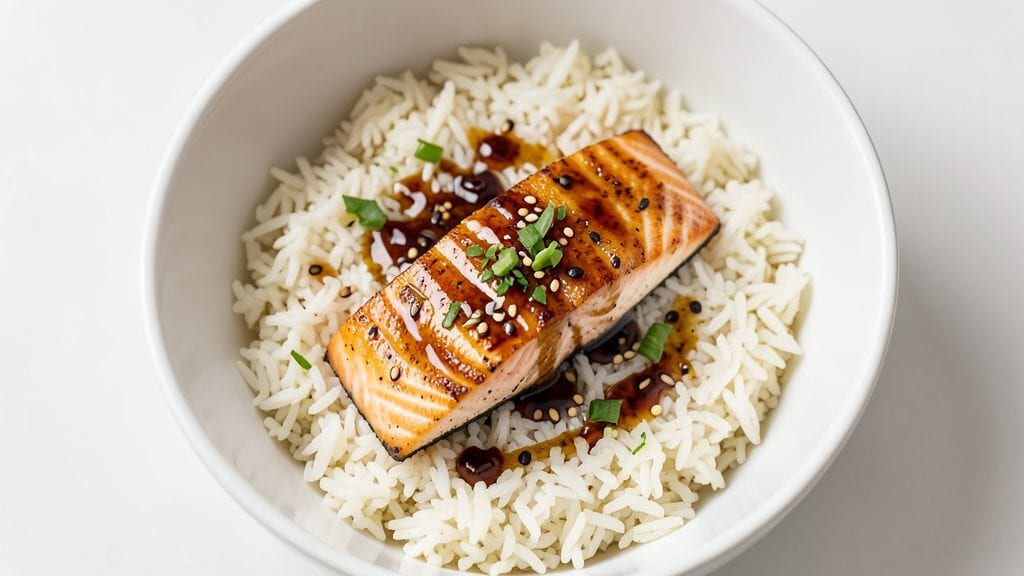
This miso salmon and rice cooker recipe transforms your weeknight dinner into a restaurant-quality meal with minimal effort. The secret lies in marinating the salmon in a rich miso glaze that infuses deep umami flavor while the rice cooker handles both rice and steaming—no separate pots required.
I perfected this method after years of testing, ensuring the salmon stays tender and the rice turns out perfectly fluffy every time.
The beauty of this one-pot approach is how it simplifies dinner without sacrificing flavor. You’ll start with jasmine rice (the ideal choice for its delicate aroma) and a simple miso marinade that includes honey for balance and ginger for brightness.
The rice cooker does the heavy lifting while you focus on preparing the salmon, which cooks alongside the rice in the same pot. This fusion of traditional Japanese techniques with modern convenience makes it a game-changer for busy evenings.
What you’ll end up with is perfectly cooked salmon with a glossy, caramelized crust and tender flesh, paired with fragrant, fluffy rice infused with subtle miso notes. The dish delivers that satisfying combination of textures—crisp edges on the salmon, soft rice, and a sauce that’s rich yet light.
It’s the kind of meal that feels indulgent but requires less than 30 minutes of active prep time.
Serve this umami-packed dish with steamed vegetables or a simple salad to round out the meal. The rice cooker ensures foolproof results, so you can focus on enjoying the process instead of stressing over timing. Let’s get cooking—this recipe is designed to make your life easier while delivering restaurant-quality flavors.
Ingredients for miso salmon rice cooker
Jasmine rice, umami-rich miso, and center-cut salmon. That’s all you need for a restaurant-quality dinner.
| Ingredient | Amount | Notes |
|---|---|---|
| Fresh Salmon Fillets 🐟 | 1 ½ lb | Skin-on, center-cut preferred |
| Jasmine Rice 🍚 | 1 ½ cups | Uncooked, long-grain preferred |
| White Miso Paste 🍶 | ⅓ cup | High-quality, fermented miso |
| Honey 🍯 | ¼ cup | Wildflower or clover preferred |
| Fresh Ginger 🧄 | ¼ cup | Finely grated, aromatic |
| Sesame Oil 🫒 | 1 tbsp | Toasted, for aroma |
| Rice Vinegar 🍶 | 1 tbsp | Seasoned, for balance |
| Vegetable Oil 🫒 | 1 tbsp | For rice cooker coating |
| Water 💧 | 3 cups | Filtered preferred |
| Sea Salt 🧂 | 1 tsp | Fine grain preferred |
| Black Pepper 🌶️ | ½ tsp | Freshly ground preferred |
| Green Onions 🧅 | 3 whole | Thinly sliced, for garnish |
| Toasted Sesame Seeds 🥜 | 1 tbsp | For garnish, optional |
The salmon makes or breaks this dish, so center-cut fillets with skin are non-negotiable—they stay together better. I grab mine at Whole Foods or the seafood counter at Trader Joe's—look for bright pink flesh and no fishy smell. The miso? White miso (shiro miso) is ideal here—it’s sweeter and pairs perfectly with the honey. If you can only find red miso, use half the amount. For ginger, fresh is a must—dried just won’t cut it. Buy a small knob and freeze the rest; it’ll last for months.
No white miso? Substitute with 2 tbsp of soy sauce plus 1 tbsp of honey, but the flavor won’t be quite the same. Running low on sesame oil? Avocado oil works in a pinch, though it lacks that nutty depth. The rice vinegar can be swapped for apple cider vinegar, but seasoned rice vinegar adds a subtle umami kick. For the salmon marinade, if you’re short on time, skip the honey and double the miso—it’ll still taste amazing. And if you’ve got fresh cilantro, toss in a tbsp chopped for a bright finish.
This dish reheats beautifully—just add a splash of water and cover. The rice stays fluffy, and the salmon gets a second caramelized crust. Keeps in the fridge for 3 days, though I always make extra because it’s that good. For leftovers, I portion the salmon and rice separately so they stay tender. The marinade leftovers? Freeze in ice cube trays for quick future meals. And if you’re feeling fancy, serve with steamed bok choy or a simple cucumber salad to round it out.
Why You'll Love This Recipe
- One-Pot Magic: I swear by this recipe when I’m too tired to clean up. Toss everything—salmon, rice, miso, honey, and ginger—into the rice cooker, hit start, and walk away. No pans, no stress, just hands-off perfection.
- Umami Bomb: That white miso and honey combo? It’s where the recipe gets real. The salmon comes out with a sticky-sweet glaze, crispy edges, and a depth of flavor that makes store-bought teriyaki look boring. (Yes, even on a Tuesday night.)
- Lunchbox Hero: Between us, this is my go-to for meal prep. The rice stays fluffy, the salmon reheats beautifully, and the ginger-miso sauce keeps things interesting. Pack it cold or warm—either way, it’s a hit with my kids (who usually turn up their noses at fish).
- Budget-Friendly Luxe: Fresh salmon can feel fancy, but here’s the trick: a single fillet feeds two, and the miso and ginger stretch the flavor so it feels indulgent without breaking the bank. Leftovers? Even better—reheat with a splash of water, and it’s just as good the next day.
Step-by-step instructions for miso salmon and rice cooker recipe
Here's how to create a perfectly balanced meal with tender salmon and fluffy rice, all in one pot.
Prepare the Salmon and Seasoning Base
Start by placing the 1.5 lb fresh salmon fillets skin-side down in a small bowl. In a separate bowl, whisk together the 0.33 cup white miso paste, 0.25 cup honey, 0.25 cup finely grated fresh ginger, 1 tablespoon sesame oil, and 1 tablespoon rice vinegar until completely smooth. This creates the flavorful marinade that will infuse the salmon while it cooks.
Pour half of the miso mixture over the salmon fillets, making sure each piece is evenly coated. Let it marinate for 10 minutes while you prepare the rice. The salmon will develop a beautiful glaze and absorb all those umami-rich flavors. Don't skip this step—it makes all the difference in the final taste.
Set Up the Rice Cooker
In your rice cooker, combine the 1.5 cups jasmine rice, 1 tablespoon vegetable oil, 1 teaspoon sea salt, and 0.5 teaspoon black pepper. Stir gently to distribute the oil evenly throughout the rice grains. This prevents clumping and creates a light, fluffy texture. Add the 3 cups water and stir again just once to combine.
Place the marinated salmon fillets on top of the rice mixture, skin-side down. The salmon will cook gently in the steam while the rice absorbs the liquid. Make sure the fillets don't overlap—they should fit comfortably in a single layer. Close the rice cooker lid and select the "white rice" setting.
Cook Until Perfectly Done
Let the rice cooker work its magic for 30 minutes. The salmon will cook through while the rice transforms into perfectly fluffy grains. You'll know it's ready when the rice cooker switches to its "keep warm" cycle and the salmon flakes easily with a fork when tested.
Here's the thing—don't open the lid early to check. The steam needs to circulate properly, and premature opening can actually make the rice gummy. If you're worried, use the "keep warm" function to check after 30 minutes. The salmon should reach an internal temperature of 145°F when measured at its thickest point.
Finish and Serve with Fresh Garnishes
Once cooking is complete, carefully remove the salmon fillets from the rice cooker and place them on a serving platter. Spoon the rice underneath the salmon to create an elegant presentation. Drizzle any remaining miso mixture from the bottom of the rice cooker over the top for extra flavor.
Garnish each serving with thinly sliced green onions and 1 tablespoon toasted sesame seeds. The fresh green onions add a bright contrast to the rich miso flavors, while the sesame seeds provide a delightful crunch. Serve immediately while the salmon is still warm and the rice is perfectly fluffy.
Pro Tips For Making Miso Salmon Rice Cooker
- Preheat the rice cooker: Skip the "just add water" approach—rinse your jasmine rice until the water runs clear, then soak it for 20 minutes before adding the miso-infused broth. This guarantees fluffy, separate grains instead of that sad, gluey mess I used to get when I rushed it. The rice cooker’s residual heat will handle the rest.
- Marinate salmon skin-side down: Lay the salmon fillets skin-side down in the rice cooker’s inner pot before pouring in the miso-honey-ginger mix. The skin crisps beautifully while the flesh stays tender—no flaking or dry patches. I learned this the hard way after serving rubbery salmon to guests who noticed.
- Balance the miso ratio: Use 1 tablespoon white miso per cup of liquid (broth or water), but taste before adding honey. Too much miso turns the rice bitter; too little honey makes the dish flat. Start with 1 teaspoon honey, then adjust—your rice cooker’s steam will mellow the flavors, so don’t overdo it.
- Add ginger last, not first: Grate the ginger finely and stir it into the rice after cooking, once the salmon is resting. Fresh ginger burns easily, and if you toss it in too early, the rice will taste harsh. A quick 30-second mix at the end keeps the aroma bright without overpowering. (Yes, even if you’re impatient like me.)
Make-ahead tips for miso salmon rice cooker
Prep Ahead Components
The miso marinade is the perfect make-ahead element—prepare it up to 24 hours in advance and store it in an airtight container in the fridge. I like to make a double batch so I can use half for this recipe and save the rest for future meals.
The ginger and honey will blend seamlessly, creating a flavorful base that just needs the salmon added later. 💡
Rice Pre-Soaking
Jasmine rice benefits from a 30-minute soak before cooking, which dramatically improves texture. I pre-soak the rice in cold water while I prep the marinade—just drain it thoroughly before adding to the rice cooker.
This step is especially helpful if you're short on time during weeknights. For extra fluffiness, add ½ teaspoon of rice vinegar to the soaking water.
Salmon Pre-Marination
Marinate the salmon for up to 8 hours ahead of time for maximum flavor infusion. I often do this the night before and store it in the fridge. The miso glaze will develop deeper caramelization, and the salmon stays beautifully tender.
Just pat it dry before placing it on the rice in the cooker to prevent excess moisture from steaming the rice too much.
Complete Meal Assembly
For a truly stress-free dinner, assemble the entire dish in the rice cooker the night before. Place the marinated salmon on top of the pre-soaked rice (without water) and refrigerate. When ready to cook, add the 3 cups of water and start the rice cooker.
The salmon will cook perfectly alongside the rice without any extra effort. This method works especially well for busy mornings or when you're hosting guests.
Garnish Prep
Slice the green onions and toast the sesame seeds ahead of time to save minutes during serving. I store them in separate small containers in the fridge—they stay fresh for up to 3 days.
The toasted sesame seeds can be prepped by dry-toasting in a small pan over low heat for 3-4 minutes, then cooling completely before storing. This simple prep ensures your dish looks restaurant-quality with minimal effort. ✨
Leftovers Strategy
This dish reheats beautifully—store leftovers in airtight containers with a damp paper towel on top to retain moisture. Reheat in the rice cooker by adding 2 tablespoons of water per cup of rice and cooking on the "keep warm" setting for 10 minutes.
The salmon will get a second caramelized crust, and the rice stays perfectly fluffy. I typically make enough for 2 meals because it keeps so well. 💫
Nutrition facts
Frequently asked questions
Can I use any type of rice in this recipe?
Jasmine rice is ideal for its delicate aroma and fluffy texture, but you can substitute with long-grain white rice or sushi rice. Avoid short-grain varieties like sushi rice for this method—they absorb too much moisture and may turn mushy. For extra flavor, rinse the rice first to remove excess starch.
How do I adjust the recipe for fewer servings?
For 2 servings, reduce the salmon to ¾ lb and the rice to ¾ cup. Keep all other ingredients proportional (e.g., ⅓ cup miso, ¼ cup honey). The rice-to-water ratio stays the same (3 cups water per 1.5 cups rice), so scale down accordingly. The cooking time remains unchanged.
What if my rice cooker doesn't have a "white rice" setting?
Use the "steam" or "one-pot" setting instead. The salmon will cook perfectly in the steam while the rice absorbs liquid. If your cooker has a "quick cook" option, select 30 minutes—just monitor the salmon's internal temperature (145°F) to avoid overcooking.
Can I add vegetables to this one-pot meal?
Toss in 1 cup chopped broccoli or snap peas with the rice and water. They’ll steam alongside the salmon. For heartier veggies like carrots, add them 10 minutes before the salmon is done. Avoid leafy greens—they’ll wilt too quickly in the steam.
Why did my salmon turn out dry?
Overcooking or using thick fillets without skin-on are the most common causes. Always cook salmon to 145°F internal temp and use center-cut fillets with skin. For extra moisture, add ½ cup water to the rice cooker during the last 5 minutes of cooking.