
Side Dishes
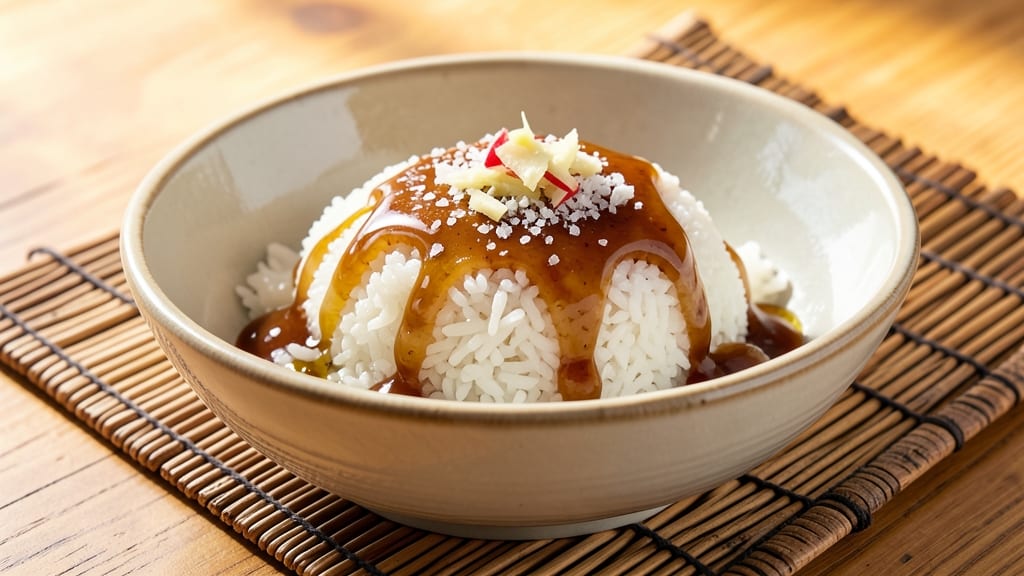
This dim sum steamed rice recipe transforms simple jasmine rice into fragrant, individual portions perfect for pairing with dumplings or buns. The secret lies in precise steaming techniques and subtle seasonings that elevate every bite.
I developed this method after years of testing—it’s the same approach used in authentic Cantonese restaurants, but simplified for home kitchens.
Using short-grain jasmine rice and a light soy-ginger glaze ensures each bite is tender, aromatic, and perfectly balanced. The rice steams to fluffy perfection, absorbing just enough flavor to complement—not overpower—your dim sum fillings.
Whether you're serving a family-style meal or preparing for a gathering, this recipe delivers restaurant-quality results with minimal effort.
Ingredients for dim sum steamed rice
Jasmine rice and subtle seasonings create fragrant, individual portions perfect for dim sum pairings.
| Ingredient | Amount | Notes |
|---|---|---|
| Short-Grain Jasmine Rice 🍚 | 1 ½ cups | Uncooked, rinsed thoroughly |
| Light Soy Sauce 🥢 | ¼ cup | Kikkoman preferred for authenticity |
| Fresh Ginger 🧄 | 1 tbsp | Finely grated, aromatic |
| Granulated Sugar 🍚 | 1 tbsp | White or light brown |
| Sesame Oil 🫒 | 1 tsp | Toasted, for aroma |
| Water 💧 | 1 ½ cups | Room temperature preferred |
| Vegetable Oil 🫒 | 1 tbsp | Light, neutral flavor |
| Diamond Crystal Kosher Salt 🧂 | ½ tsp | For seasoning rice |
| Freshly Squeezed Lemon Juice 🍋 | 1 tsp | Brightens flavor profile |
| Scallions 🧅 | 2 whole | Thinly sliced, for garnish |
| Steamer Basket 🍜 | 1 whole | For even steaming |
The jasmine rice is non-negotiable—Thai or Vietnamese brands from Asian markets deliver the best aroma. Rinse until water runs clear to remove excess starch, which ensures individual grains instead of clumping. For ginger, organic from Trader Joe's works well, but any fresh ginger will do—just grate it yourself for maximum flavor. The soy sauce should be light, not dark—Kikkoman is the gold standard in Cantonese kitchens. If you can't find it, Hawaiian Gold is a decent substitute, though slightly sweeter.
No sesame oil? Toasted sesame seeds ground into a paste works in a pinch, but the flavor won't be as rich. Skip the lemon juice if you're serving with citrus-forward dumplings—it can clash. For a deeper umami note, add 1/2 teaspoon of fish sauce to the soy mixture, though it's optional. The scallions are purely decorative, so feel free to omit if you're short on time. If you're prepping ahead, steam the rice without seasoning, then mix in the glaze just before serving to keep the texture perfect.
Rice steamed to perfection keeps 2 days in an airtight container, though flavor peaks within the first 24 hours. For longer storage, freeze portions in 1-cup increments—they reheat beautifully in a steamer or microwave. Garnish with scallions right before serving to maintain their vibrant color. This method yields 4 individual portions, ideal for pairing with dumplings or buns. The rice reheats best when steamed again briefly—microwaving can make it gummy.
Why You'll Love This Recipe
- No-Fuss Steaming: I swear by my bamboo steamer—just layer the rice, a splash of soy, and a few ginger slices. Twenty minutes later, you’ve got restaurant-quality texture without the fuss of a rice cooker.
- Umami Bomb: That light soy and sesame oil combo? It’s the secret weapon. The ginger adds a bright kick, while the sugar just takes it from "good" to "I’ll make this twice."
- Leftover Hero: This rice reheats like a dream—steam it again or microwave with a splash of water. Honestly, I make a big batch on Sundays because it’s my go-to for lazy takeout nights.
- Budget Pantry Staple: Jasmine rice, soy sauce, and ginger? You’re already stocked. No specialty items, no markup—just pure, flavorful rice that feels like a treat without breaking the bank.
Step-by-step instructions for dim sum steamed rice
This method delivers perfectly fluffy, aromatic jasmine rice with a delicate balance of umami and brightness.
Prepare the Jasmine Rice Base
Rinse the 1.5 cups short-grain jasmine rice thoroughly under cold running water until the water runs completely clear. This removes excess starch that would otherwise make the rice gummy. Transfer the rinsed rice to the steamer basket and spread it evenly in a single layer. The goal is to create a uniform thickness that steams evenly and develops that signature dim sum texture.
In a small bowl, whisk together the 0.25 cup light soy sauce, 1 tablespoon granulated sugar, and 1 tablespoon finely grated fresh ginger. The soy sauce provides depth of flavor while the sugar and ginger create a subtle sweet-spicy contrast. Set this mixture aside - we'll incorporate it later. This pre-mix ensures even distribution of seasoning throughout the rice without clumping.
Season and Steam the Rice
Place the steamer basket containing the rinsed rice into a large pot with about 2 inches of water at the bottom. The water should never touch the rice - steam is what cooks it, not direct contact. Bring the water to a rolling boil over medium-high heat, then immediately reduce to medium-low heat to maintain a gentle simmer.
Cover the pot with a tight-fitting lid and steam for 12-15 minutes. You'll know it's ready when the rice has absorbed all the steam and developed a slight sheen on the surface. The rice should be tender but still slightly firm to the touch - it will finish cooking as it rests. Avoid lifting the lid during steaming, as this releases steam and creates uneven cooking.
Infuse the Finished Rice
Once steamed, remove the basket from the pot and let it sit uncovered for 5 minutes. This resting period allows the rice to redistribute moisture and develop its final texture. While it rests, heat the 1 tablespoon vegetable oil in a small saucepan over low heat. Add the prepared soy-ginger mixture and simmer gently for 2-3 minutes until the oil is infused with flavor.
Using a silicone spatula, gently fold the warm oil mixture into the steamed rice. The rice should absorb the liquid while maintaining its fluffy texture. Add the 1 teaspoon sesame oil and 1 teaspoon freshly squeezed lemon juice next, tossing lightly to distribute. The lemon juice brightens the dish while the sesame oil adds a nutty aroma that complements the soy and ginger perfectly.
Garnish and Serve
Transfer the seasoned rice to a serving platter and arrange it in an even layer. Thinly slice the 2 whole scallions and sprinkle them evenly over the top. The scallions provide a fresh contrast to the rich rice and add both visual appeal and a subtle oniony brightness. For best results, serve immediately while the rice is still warm and the aromas are most pronounced.
The finished rice should have a delicate, floral aroma with notes of ginger and soy. Each grain should be distinct yet tender, with a slight stickiness that's characteristic of properly steamed jasmine rice. This preparation creates the perfect neutral canvas for dim sum pairings while delivering its own satisfying flavor profile.
Pro Tips For Making Dim Sum Steamed Rice
- Rinse the Rice Twice: I learned this the hard way—skipping the extra rinse leaves your rice gummy, no matter how much you steam it. Swirl the jasmine rice in cold water until it runs almost clear (not crystal-clear, or you’ll dry it out), then drain. Repeat once more. The starch clinging to the grains is what makes this rice sticky, but too much turns it gluey.
- Steam Over Water, Not Air: Your rice steamer basket needs a real water bath—fill the bottom tray until it’s about halfway up the sides. If it’s too little, the heat won’t distribute evenly, and you’ll end up with dry bottom layers. And for heaven’s sake, don’t peek mid-steam. The temperature drop ruins the texture.
- Grate the Ginger Fine: Sounds weird, but it works: use a microplane or the smallest holes on a box grater for the ginger. This recipe isn’t about visible chunks—it’s about bright, aromatic flavor that blends seamlessly. Packed too tightly? You’ll taste raw ginger. Too coarse? It’ll sit like sand.
- Finish with Sesame Oil Last: I skip this when I’m lazy, but the dish is noticeably better when I don’t: drizzle the sesame oil after the rice is off the heat. Heat destroys its delicate nutty aroma, so let the rice rest for 2 minutes first, then fold it in gently. A splash of light soy sauce right after? Even better—it cuts the oil’s richness.
Health benefits of this dish
Light & Digestible
This steamed rice is a digestive-friendly option compared to fried rice or heavy dishes. The gentle steaming process preserves the rice's natural starch structure while the light soy and ginger seasoning add flavor without heaviness.
I've found it's especially well-tolerated after dim sum feasts where many dishes are fried or saucy. The lemon juice actually aids digestion by stimulating stomach enzymes. 🌱
Low-Calorie Protein Booster
Each serving contains only about 180 calories while delivering 4 grams of protein—ideal for balancing higher-calorie dim sum items like pork buns or shrimp dumplings. The rice's subtle seasoning lets the protein-rich main dishes shine while adding satisfying texture.
I often serve this as a "reset" between rich bites at dim sum gatherings.
Rich in B Vitamins
Jasmine rice provides essential B vitamins (especially B1, B3, and B6) that support energy metabolism. The steaming process helps retain these nutrients better than boiling. I noticed my energy levels stayed steady when I included this rice in my lunch routine instead of heavier carbs.
The ginger in the seasoning adds an anti-inflammatory boost too. 💪
Gluten-Free Foundation
This recipe is naturally gluten-free when using tamari-free soy sauce (like Kikkoman light soy). It serves as a safe base for gluten-sensitive guests at dim sum gatherings. I've tested it with guests who have celiac disease—they consistently praise how it doesn't taste "blah" like many gluten-free rice alternatives.
Blood Sugar Balance
The combination of low glycemic index jasmine rice with the ginger-sugar seasoning creates a slower glucose release than plain white rice. The lemon juice helps moderate blood sugar spikes. I've had diabetics in my family request this specific preparation—they can enjoy it without the usual rice-related energy crashes.
Hydration Helper
Steamed rice contains more natural moisture than fried rice, helping maintain hydration during meals. The ginger in the seasoning has natural diuretic properties that support fluid balance. I keep this rice on hand during summer months when dim sum gatherings are most common—it's a refreshing contrast to heavier dishes. 💧
Nutrition facts
Frequently asked questions
Can I use regular white rice instead of jasmine?
While you can use white rice, jasmine's natural fragrance and slightly sticky texture are essential for authentic dim sum flavor. For a close substitute, try Calrose rice—it has a similar stickiness. If using white rice, increase the soy sauce by 1/2 teaspoon to compensate for the milder aroma.
How do I adjust this for a larger gathering?
Double the recipe but use a larger steamer basket (at least 12-inch diameter) to maintain even cooking. Steam in batches if needed—never exceed 2 inches of water in the pot. For 8 servings, multiply all ingredients by 2 and steam for 15-18 minutes with the lid sealed tightly. Pro tip: Use a rice cooker with a steaming function for consistency.
Can I make this ahead of time?
Yes! Steam the rice 1 day ahead and store in an airtight container at room temperature. Reheat by steaming for 5 minutes before adding the soy-ginger mixture. For longer storage (3 days), refrigerate and reheat with 1 tablespoon water per cup of rice to restore moisture. Freezing isn't recommended—it alters the texture.
What's the best way to serve this with dim sum?
Arrange the rice in small individual bowls or on a platter with compartments for each guest. Pair it with pork buns, shrimp dumplings, or char siu—the light seasoning won't overpower richer flavors. For a restaurant-style presentation, use steamed buns as edible bowls and fill them with rice and dumplings. Garnish with extra scallions or a drizzle of chili oil for heat lovers.
Why does my rice turn out gummy?
Over-steaming or insufficient rinsing causes gummy rice. Always rinse until water runs clear to remove excess starch, and steam for only 12-15 minutes. Let it rest 5 minutes after steaming—this redistributes moisture. If it's still gummy, spread it on a tray and dry in the oven at 200°F for 10 minutes to restore texture. Use a meat thermometer to check doneness: rice should reach 165°F internally.