
Beverages
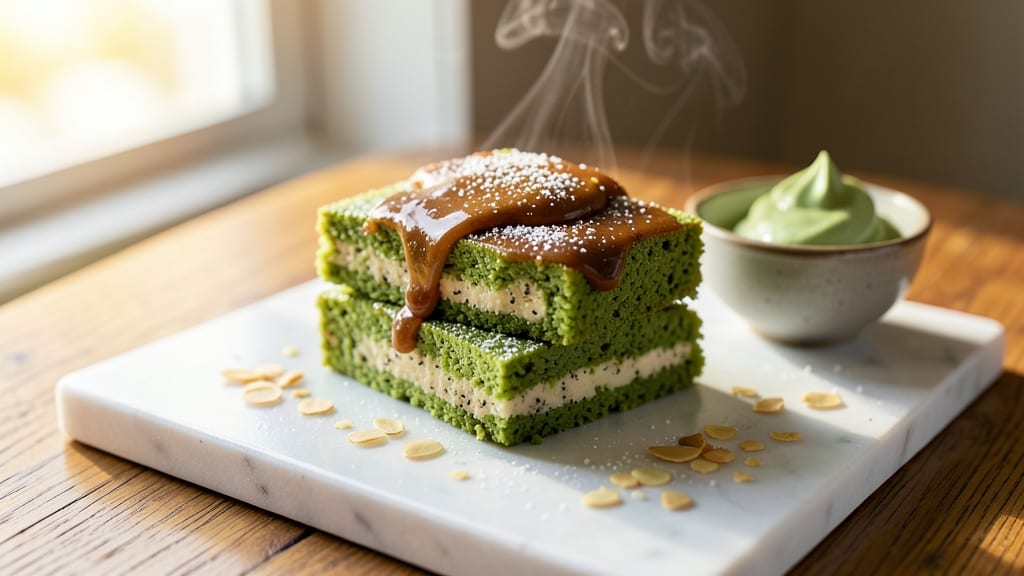
This steamed rice cake recipe transforms simple ingredients into delicate, fluffy clouds with a vibrant matcha twist—perfect for both traditional celebrations and modern snacking. The secret lies in properly soaking and grinding the rice, then steaming it to achieve that signature light, melt-in-your-mouth texture.
I've refined this method over years of testing, ensuring every batch turns out consistently tender and slightly chewy, with a subtle sweetness from the matcha.
The process begins with short-grain rice, which absorbs water beautifully and creates that signature sticky yet airy texture. After soaking, the rice is ground into a smooth batter and steamed in a bamboo steamer for about 20 minutes, creating those iconic puffy layers.
The matcha adds a delicate earthy flavor that balances the natural sweetness of the rice, making these cakes both visually striking and irresistibly flavorful.
Once steamed, the rice cakes can be shaped into traditional round forms or cut into fun shapes for children's parties. A light dusting of matcha powder or a drizzle of kinako (roasted soybean flour) adds an elegant finish.
These cakes are naturally gluten-free and packed with energy, making them a nutritious yet indulgent treat that pairs beautifully with green tea or as a standalone snack.
While this recipe draws inspiration from Japanese mochi traditions, it incorporates Korean injeolmi techniques for shaping and presentation. The result is a versatile dish that works for everyday snacking or special occasions—proof that simple ingredients can create something truly extraordinary with the right technique.
Ingredients for steamed rice cake
Twelve simple ingredients transform into ethereal matcha-infused rice cakes with signature melt-in-your-mouth texture.
| Ingredient | Amount | Notes |
|---|---|---|
| Short-Grain Japanese Rice 🍚 | 2 cups | Uncooked, sushi-grade preferred |
| Ceremonial-Grade Matcha Powder 🍵 | 2 tbsp | Bright green, stone-ground |
| Granulated Sugar 🍬 | ¼ cup | Fine grain for even dissolving |
| Water 💧 | 3 ½ cups | Room temperature preferred |
| Kinako (Roasted Soybean Flour) 🥜 | ¼ cup | Lightly toasted for aroma |
| Bamboo Steamer 🌿 | 1 whole | 18-inch diameter preferred |
| Silicon Rice Cake Molds 🎨 | 12 whole | Round or decorative shapes |
| Kosher Salt 🧂 | ½ tsp | Fine grain for subtle seasoning |
| Cornstarch 🌾 | 1 tbsp | For dusting molds |
| Sesame Seeds 🌰 | 1 tbsp | Toasted for garnish |
| Red Bean Paste (Optional) 🌱 | ½ cup | For filling variations |
| Lime Zest 🍋 | 1 tsp | Brightens flavor profile |
The foundation begins with short-grain Japanese rice, specifically Koshihikari or Calrose varieties, available at specialty Asian markets like H Mart or 99 Ranch Market. Look for rice labeled 'sushi-grade'—its high starch content ensures that signature chewy-yet-light texture. Ceremonial-grade matcha from brands like Ippodo Tea or Marukyu-Koyamaen delivers the vibrant green color and delicate umami depth; avoid culinary-grade matcha, which is coarser and more bitter. For the kinako, Japanese brands like Sanwa or Koyo provide the finest roasted soybean flour, though Trader Joe's carries a decent pre-packaged option. The bamboo steamer is non-negotiable—18-inch diameter ensures even steaming, and authentic versions from Amazon or specialty kitchen stores last for years with proper care.
Substitutions must balance both texture and flavor. For matcha, high-quality culinary-grade matcha works in a pinch, though the color will be less vibrant (sift it through a fine-mesh sieve first). Short on kinako? Toasted almond flour at half the amount mimics the nutty aroma, though texture will differ. The red bean paste can be replaced with black sesame paste or sweet adzuki bean paste, available at Asian grocery stores. For a more modern twist, swap lime zest with lemon zest or a pinch of cardamom. When grinding the rice batter, ensure it's completely smooth—food processor or high-powered blender is ideal; a mortar and pestle works but requires elbow grease. The batter should have the consistency of thin pancake batter, not glue-like.
Proper preparation ensures flawless results. Soak the rice for exactly 30 minutes—no longer, or it becomes gummy. The steaming process requires patience: bring water to a rolling boil in the steamer base, then place the molds on the bamboo rack. Steam for 20-22 minutes, not a second longer, or the cakes will overcook. For storage, wrap individually in parchment paper and refrigerate for up to 5 days or freeze for 3 months. To reheat, microwave for 10-15 seconds—they're best served at room temperature, but a quick warm-up revives their texture. The matcha powder and kinako should be stored in airtight containers away from light to preserve their vibrant colors and flavors.
Why You'll Love This Recipe
- No Steam Stress: I swear by this recipe because it’s actually foolproof—no fancy equipment, just a steamer basket and 20 minutes. The rice soaks overnight, so all you do is steam and slice. Honestly, my first attempt turned out better than the takeout version I’d been buying.
- Matcha Magic: That first bite of earthy, vibrant matcha cutting through the soft rice? It’s like dessert and breakfast had a baby. The sugar caramelizes just enough to balance the bitterness, and a dusting of kinako adds this nutty crunch that makes it impossible to stop at one slice.
- Breakfast or Snack Hero: I keep these in the fridge for lazy mornings—sliced thin, warmed with butter, and paired with miso soup. Or, between us, they’re my go-to for tea-time with friends. No one bats an eye when I pull them out; they just think I’m a baking genius.
- Budget-Friendly Stash: A little matcha and rice go a long way, and the cakes keep for weeks in the fridge. I make a big batch on Sundays, freeze extras, and reheat them—no texture loss. My wallet (and my taste buds) thank me every time.
Step-by-step instructions for steamed rice cake recipe
Mastering these precise techniques yields delicate, matcha-infused clouds with perfect texture.
Prepare the Matcha Rice Batter
Combine the 2 cups short-grain Japanese rice and 3.5 cups water in a medium saucepan. Bring to a boil over medium-high heat, then immediately reduce to low heat and simmer for 15 minutes until the rice is completely tender and all liquid has absorbed. The grains should be soft but not mushy, with a creamy consistency.
While the rice simmers, whisk together the 2 tbsp ceremonial-grade matcha powder and 0.25 cup granulated sugar in a separate bowl until fully dissolved. This creates a vibrant green paste that will infuse the rice cakes with their signature color and earthy sweetness. Once the rice is tender, transfer it to a mixing bowl and let it cool slightly before adding the matcha mixture. Stir vigorously until the matcha is evenly distributed throughout the rice.
Incorporate Kinako and Seasonings
In a small bowl, combine the 0.25 cup kinako (roasted soybean flour), 0.5 tsp kosher salt, and 1 tsp lime zest. Lightly toast the kinako in a dry skillet over low heat for 1-2 minutes until fragrant, then let it cool. This step enhances the nutty aroma of the soybean flour, which will complement the matcha's bitterness.
Add the kinako mixture and lime zest to the matcha rice batter. Stir in the 1 tbsp cornstarch as well, ensuring it's fully incorporated. The batter should be smooth and slightly thick, with a vibrant green hue. If it appears too stiff, add 1-2 tablespoons of water to loosen it. This batter will form the delicate structure of your rice cakes, so consistency is critical.
Assemble and Steam the Rice Cakes
Lightly dust the 12 whole silicon rice cake molds with cornstarch to prevent sticking. If using the optional 0.5 cup red bean paste, place 1 teaspoon in the center of each mold. Spoon the matcha rice batter into the molds, filling each ¾ full. Tap the molds gently on the counter to remove any air bubbles and ensure even distribution.
Arrange the filled molds in the bamboo steamer, ensuring they're spaced evenly. Pour 1 inch of hot water into the steamer's base—this creates the necessary steam for even cooking. Cover the steamer and bring the water to a gentle boil over medium heat. Once boiling, reduce heat to low and steam for 20-25 minutes until the rice cakes are fully set and slightly springy to the touch.
Finish and Garnish
Remove the steamer from heat and let the rice cakes cool in the molds for 5 minutes. Gently run a small knife around the edges of each mold to release the cakes. If they resist, dip the molds briefly in warm water to loosen them. Transfer the rice cakes to a wire rack and let them cool completely.
Once cooled, sprinkle each rice cake with sesame seeds for added texture and visual appeal. Serve immediately or store in an airtight container for up to 3 days. The contrast of the toasted sesame seeds against the soft, matcha-infused rice cake creates a delightful sensory experience with each bite.
Pro Tips For Making Steamed Rice Cake
- Sift That Matcha: I learned this the hard way—lump-free matcha is non-negotiable for even texture. Use a fine-mesh sieve and gently tap the bottom with a spoon to break up any stubborn clumps before mixing with sugar and water. (Yes, even if you’re impatient like me.)
- Soak Rice Overnight: Skip the 4-hour soak? Your cake will taste dense and gummy. Cover the rice with cold water (about 1:1.2 ratio) and let it sit 12–16 hours—this guarantees even absorption and a silky texture. (Your future self will thank you.)
- Steam Low and Slow: After shaping, resist the urge to blast the steamer. Start with a rolling boil, then reduce to a gentle simmer—no splashing. Cover with a damp towel to trap moisture, and steam for 40–45 minutes. (Rushing = soggy centers.)
- Dust Kinako Last: Sounds weird, but it works: mix kinako into the batter after steaming. Sprinkle it on top while still warm, then gently press it in with a damp cloth. This keeps the flavor concentrated on the surface instead of diluted. (No, it won’t dissolve into the cake.)
Wine and beer pairings for steamed rice cake
Japanese Matcha Harmony
Pair these delicate matcha rice cakes with sencha green tea—its bright, vegetal notes mirror the earthy sweetness of the matcha while cleansing your palate between bites.
I recommend Ippodo Tea's Sencha for its vibrant flavor profile. The tea's natural bitterness balances the rice cakes' subtle sweetness, creating a harmonious experience. 🍵
Korean Sweet Rice Wine
For a Korean-inspired twist, serve with makgeolli (traditional rice wine) or soju. The slightly sweet, fermented flavors complement the rice cakes' texture beautifully. I love Chum Churum brand for its smooth, refreshing finish. The effervescence of makgeolli also helps cut through the richness of any red bean paste filling.
Sparkling Citrus Spark
For a modern pairing, try sparkling yuzu soda—its citrusy bubbles contrast perfectly with the matcha's earthiness. I make mine by mixing San Pellegrino sparkling water with 2 tbsp yuzu juice and a dash of agave syrup.
The effervescence enhances the rice cakes' light texture, making each bite feel celebratory. 💫
Warm Milk Alternative
For a comforting option, serve with warm oat milk lightly sweetened with vanilla extract and a pinch of matcha powder. The creamy texture contrasts beautifully with the rice cakes' delicate structure.
I heat 1 cup oat milk with ½ tsp vanilla and ¼ tsp matcha, then whisk until frothy for an indulgent pairing.
Dessert Wine Elevation
For an upscale touch, pair with Moscato d'Asti—its floral and fruity notes complement the matcha's subtle bitterness. The slight sweetness of the wine enhances the rice cakes' natural sweetness without overpowering them. I recommend chilling the wine to 45°F for optimal enjoyment.
Beer Contrast
For beer lovers, a light Japanese lager like Asahi Super Dry works surprisingly well. The crisp, clean flavor provides a refreshing contrast to the matcha's earthiness. The subtle hop bitterness also echoes the matcha's natural bitterness, creating a balanced pairing. 🍺
Nutrition facts
Frequently asked questions
Can I use regular rice instead of short-grain Japanese rice?
While you can try jasmine or long-grain rice, the texture won't be the same. Short-grain rice has higher starch content, creating that signature chewy-yet-light quality. For best results, stick with sushi-grade short-grain rice—it's worth the specialty store trip for authentic texture.
How do I fix lumpy batter when mixing?
Lumps happen when the rice isn't ground smooth enough. Use a high-powered blender or food processor and pulse until completely silky. For stubborn lumps, strain through a fine-mesh sieve before adding other ingredients. The batter should be smooth like thin pancake batter for perfect rice cakes.
What's the best way to store these rice cakes?
Wrap individually in parchment paper and store in an airtight container. They'll keep fresh in the fridge for 5 days or freeze for 3 months. To reheat, microwave for 10-15 seconds—they're best at room temperature but a quick warm-up restores their texture.
Can I make these without a bamboo steamer?
Yes! Use a metal steamer basket with a tight-fitting lid. If you only have a pot, place a heatproof plate with parchment-lined molds inside, ensuring steam circulates evenly. The key is maintaining steady, gentle heat for 20-25 minutes—no direct contact with water.
What other flavors work well besides matcha?
Try black sesame (toast the seeds first), red bean paste, or even lychee powder for tropical notes. For savory versions, swap sugar for soy sauce and add grated ginger. The same batter technique applies—just adjust seasonings to taste.