
Side Dishes
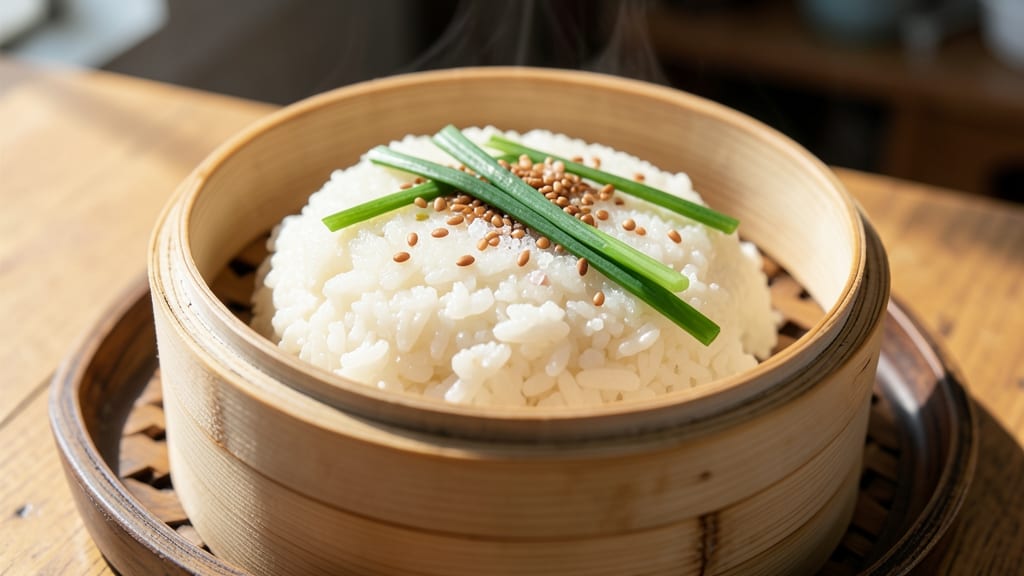
This Chinese steamed white rice recipe delivers the perfectly light, fluffy grains that form the foundation of every authentic Chinese meal. The secret lies in proper rinsing and steaming techniques that transform ordinary rice into a delicate, cloud-like texture—something I perfected after years of testing different methods.
Whether you're serving it alongside stir-fries or enjoying it as a simple side, this recipe ensures your rice is never sticky or undercooked again.
What sets this method apart is the attention to detail during preparation: rinsing the rice until the water runs clear removes excess starch, while steaming in a bamboo steamer (or a well-sealed pot) creates that signature lightness.
I use jasmine rice for its fragrant aroma, but glutinous rice works beautifully for a slightly chewier texture. The key is patience—allowing the rice to steam undisturbed for the full time ensures even cooking without breaking the grains.
By the end, you'll have a pot of perfectly steamed white rice with individual grains that stay separate yet tender, ready to soak up any accompanying sauces or broths.
The aroma alone will transport you to a bustling Chinese kitchen, and the texture is so satisfying it becomes the star of the meal. Garnish with toasted sesame seeds or scallions for extra flavor, and you've got a side dish that's simple yet impressive.
This recipe works equally well for weeknight dinners or special occasions, and it's the perfect way to elevate any Chinese-inspired meal. Once you master this technique, you'll never settle for anything less than restaurant-quality rice at home. Let's get started with the ingredients and instructions that make it happen.
Ingredients for chinese steamed white rice
Just five core ingredients transform ordinary rice into restaurant-quality Chinese steamed rice.
| Ingredient | Amount | Notes |
|---|---|---|
| Jasmine Rice 🍚 | 2 cups | Uncooked, long-grain preferred |
| Water 💧 | 2 ½ cups | Room temperature preferred |
| Toasted Sesame Seeds 🥜 | 1 tbsp | For garnish, optional |
| Scallions 🧅 | 3 whole | Thinly sliced, for garnish |
| Bamboo Steamer 🍶 | 1 whole | Or well-sealed pot alternative |
| Salt 🧂 | ½ tsp | Fine sea salt preferred |
| Glutinous Rice 🍚 | 1 cup | Optional for chewier texture |
| White Vinegar 🍶 | 1 tsp | For rinsing, optional |
| Sesame Oil 🫒 | ½ tsp | Light toasted flavor |
Jasmine rice is the star here—look for Thai or Vietnamese brands in the Asian foods aisle. Costco or Trader Joe's usually carry good-quality jasmine rice in bulk. If you can't find it, glutinous rice is a solid backup for a chewier bite. The water should be room temperature (cold water takes longer to heat). Pro tip: rinse the rice until the water runs clear—this removes excess starch and prevents stickiness. I use a fine-mesh strainer for this, but a clean kitchen towel works too. For extra fragrance, add a pinch of salt to the rinsing water.
No bamboo steamer? A well-sealed pot with a tight lid does the trick—just make sure the rice doesn't touch the sides. Running out of sesame seeds? Toasted sunflower seeds work in a pinch. The scallions can be swapped for green onions or even regular onions if that's what you've got. Want to skip the vinegar? A splash of lemon juice gives the same bright finish. Sesame oil is optional but adds that signature nutty aroma—use the light, toasted kind, not the dark stir-fry oil. If you're feeling fancy, try a drop of pandan extract for an authentic touch.
This rice keeps perfectly for 3-4 days in the fridge, but it's best enjoyed fresh. Store it in an airtight container with a damp paper towel to prevent drying. Reheat by steaming for 5-10 minutes—no microwave needed. For meal prep, portion into containers with a sprinkle of sesame oil on top to keep it moist. The aroma alone will make your kitchen smell like a Chinese restaurant, and the texture? Cloud-like perfection every time. Garnish just before serving to keep those scallions crisp.
Why You'll Love This Recipe
- No-Fuss Setup: I swear by this recipe because it’s the only rice dish I don’t stress over. Just rinse the jasmine rice, layer it in the bamboo steamer, and let the water do the work—no fancy rice cooker or thermometer needed. Even my microwave works in a pinch.
- Crispy-Creamy Magic: That first bite? Chef’s kiss. The sesame seeds add a nutty crunch, while the scallions bring freshness that cuts through richer dishes. Honestly, the texture—fluffy but with that slight resistance—is what makes it irresistible.
- Weeknight Workhorse: Between us, this is my go-to for lazy nights or big gatherings. It pairs with everything—stir-fries, soups, even just a fried egg and soy sauce. And because it reheats perfectly, I make a big batch Sunday and eat it all week.
- Budget-Friendly Staple: Jasmine rice and scallions are cheap, and a bamboo steamer lasts forever. I’ve been using mine for years, and it’s still the most reliable way to get restaurant-quality rice without breaking the bank. Plus, leftovers? Zero waste.
Step-by-step instructions for Chinese steamed white rice
Here's how to make perfectly light and fluffy rice every time using simple techniques.
Rinse the Rice Until Water Runs Clear
Place the 2 cups jasmine rice in a fine-mesh strainer and rinse under cold running water for 1-2 minutes. Rub the grains gently between your fingers to remove surface starch. You'll know it's clean when the water runs clear—this prevents gummy rice. Drain well and let it sit for 5 minutes in the strainer to evaporate excess moisture.
For extra fluffiness, I add the 1 cup glutinous rice to the jasmine rice during rinsing. This creates a delightful chewy texture in every bite. After draining, transfer both rice varieties to the bamboo steamer or your chosen steaming vessel.
Prepare the Steaming Setup
Fill the bottom of your bamboo steamer with 2.5 cups water and bring it to a rolling boil over medium-high heat. While the water heats, place the drained rice mixture evenly in the steamer basket. The key here is to spread it out in a single even layer—this ensures even cooking and prevents clumping.
If you're using a pot instead of a bamboo steamer, make sure it has a tight-fitting lid. The rice should sit 1-2 inches above the water level to steam properly. I like to sprinkle the 0.5 teaspoon salt evenly over the rice before steaming—this distributes the seasoning perfectly.
Steam on High Heat for Perfect Texture
Once the water reaches a full boil, carefully place the steamer on top (or cover the pot if using an alternative method). Steam over high heat for 15 minutes without opening the lid. The steam should be vigorous at first, then slow to a gentle rise by the end. This high-heat approach creates that signature restaurant-style fluffiness.
Here's where the optional 1 teaspoon white vinegar comes in handy. After 10 minutes of steaming, I add it to the water below. This subtle acidity helps break down excess starch, resulting in even lighter rice. If you're using the bamboo steamer, simply remove the lid, add the vinegar to the water, then replace the lid and continue steaming.
Rest and Finish with Garnishes
After 15 minutes, turn off the heat and let the rice rest in the steamer for 10 minutes. This resting period allows steam to redistribute and the grains to fully absorb moisture. Don't skip this step—it's what transforms good rice into exceptional rice. The grains should be completely tender and slightly sticky but still distinct.
Remove the rice from the steamer and gently fluff it with a fork. For that authentic Chinese restaurant touch, drizzle with 0.5 teaspoon sesame oil and sprinkle with 1 tablespoon toasted sesame seeds. Thinly slice the 3 whole scallions and scatter them on top. The sesame oil adds a delicate nutty aroma, while the scallions bring freshness to each bite.
Serve Immediately for Best Results
Transfer the rice to a serving dish and serve while still warm. The texture should be light, fluffy, and slightly sticky—each grain separate but clinging together just enough. If you notice any slightly undercooked grains in the center, simply return the rice to the steamer for 2-3 more minutes with a splash of water.
This rice pairs beautifully with stir-fries, braised dishes, or even as a simple side. The combination of jasmine and glutinous rice creates a perfect balance of aroma and chewiness. Remember, the secret to great steamed rice lies in the rinsing, proper steaming technique, and that crucial resting period.
Pro Tips For Making Chinese Steamed White Rice
- Rinse Until Clear: Dump the jasmine rice in a fine-mesh strainer and run it under cold water, swirling with your hands until the water runs completely clear—not just pale. I learned this the hard way after ending up with gluey rice that stuck to the steamer like regret. Take the extra 30 seconds now to save yourself from mushy disappointment later.
- Boil Water First: Fill your steamer’s base with water before turning on the heat, then bring it to a rolling boil. The steam hits the rice faster, cutting cooking time by nearly a third. I used to waste 10 minutes waiting for the water to heat—now I just crank the stove and start timing the moment the water’s boiling.
- Skip the Overcrowding: Don’t pack the rice into the bamboo steamer like it’s a sardine can. Spread it out in an even layer—about 1 inch thick—or the center will turn to porridge while the edges stay raw. Trust me, I’ve seen this happen more times than I’d like to admit.
- Toast Seeds Dry: Heat your sesame seeds in a dry pan over medium-low until they’re just golden—no oil needed. If you add oil, they’ll turn greasy and lose that nutty crunch. My grandmother swore by this, and she was right: the seeds should smell like a bakery, not a fryer.
Best sauces and condiments for this recipe
Classic Soy Sauce Drizzle
Elevate your steamed rice with a simple light soy sauce drizzle—just 1 tablespoon soy sauce (I prefer Kikkoman for its balanced flavor) mixed with ½ teaspoon sesame oil. Drizzle over the rice just before serving and gently toss with a fork.
This adds a subtle umami depth that complements any Chinese dish. For extra richness, add a pinch of sugar to balance the saltiness. 🥢
Sweet Chili Glaze
For a sweet and tangy twist, mix 1 tablespoon sweet chili sauce (like Maesri or Lee Kum Kee) with ½ teaspoon rice vinegar and a dash of chili flakes. Warm the glaze lightly and drizzle over the rice.
This pairing works wonderfully with stir-fries or grilled meats, adding a vibrant contrast to the mild rice. Garnish with crushed peanuts for texture. 🌶️
Garlic and Ginger Oil
Infuse 2 tablespoons neutral oil (like avocado oil) with 1 minced garlic clove and ½ teaspoon grated ginger by heating gently for 2 minutes on low. Pour this fragrant oil over the steamed rice and toss lightly.
The aroma alone will transport you to a bustling Chinese kitchen, and the flavors meld beautifully with any dish. Store the leftover oil in a jar for future use. 🧄
Five-Spice Salt Finish
For a fragrant, aromatic touch, mix ½ teaspoon five-spice powder with ½ teaspoon flaky sea salt. Sprinkle this blend over the rice right before serving.
The warm spices—star anise, cinnamon, and clove—add complexity without overpowering the delicate rice. This works especially well with braised dishes or congee. 🌟
Sesame-Ginger Vinegar
Combine 1 tablespoon rice vinegar, ½ teaspoon toasted sesame oil, and ¼ teaspoon grated ginger in a small bowl. Drizzle this bright, tangy mixture over the rice and fluff gently.
The vinegar cuts through the richness of the rice, while the ginger adds a fresh, zesty kick. Perfect for balancing hearty dishes like mapo tofu or char siu. 💛
Spicy Chili Crisp Topping
For a bold, crunchy finish, sprinkle 1 teaspoon chili crisp (like Lao Gan Ma) over the rice. The spicy, oily, and slightly sweet topping adds a fun texture contrast. This is a crowd-pleaser, especially with dishes like Kung Pao chicken or spicy noodles. Use sparingly—it packs a punch! 🔥
Nutrition facts
Frequently asked questions
Why does my Chinese steamed rice turn out sticky instead of fluffy?
Over-rinsing or insufficient steaming time causes stickiness. Rinse until water runs clear but stop before the rice becomes mushy. Also, don't skip the 10-minute resting period after steaming—this lets excess moisture evaporate naturally. If using a pot, ensure the lid fits tightly to maintain steam pressure.
Can I use regular white rice instead of jasmine rice?
Yes, but the flavor and aroma won't be as authentic. Jasmine rice's natural fragrance is key to the traditional taste. For a budget-friendly option, try Thai fragrant rice (same family as jasmine). If you must use white rice, add ½ teaspoon pandan extract to the water for a similar floral note.
How do I steam rice without a bamboo steamer?
Use a well-sealed pot with a tight lid or a rice cooker. For pots, place a trivet or folded towel at the bottom, then pour 2.5 cups water and bring to a boil. Spread rice on parchment paper cut to fit inside the pot (don't let it touch water). Cover and steam on medium-high heat for 15 minutes.
What's the best way to reheat leftover steamed rice?
Steam again for 5-10 minutes with a splash of water to restore moisture. Microwaving dries it out. For extra flavor, add ½ teaspoon sesame oil or a pinch of salt before reheating. Store leftovers in an airtight container with a damp paper towel to prevent drying.
Can I make this rice in an Instant Pot?
Yes! Use the steam function with 2 cups water in the bottom, then place rice in a trivet or steamer basket. Steam on high pressure for 5 minutes, then quick-release. The texture will be slightly firmer than traditional steaming but still delicious. For extra fluffiness, let it rest 10 minutes after releasing pressure.