
Side Dishes
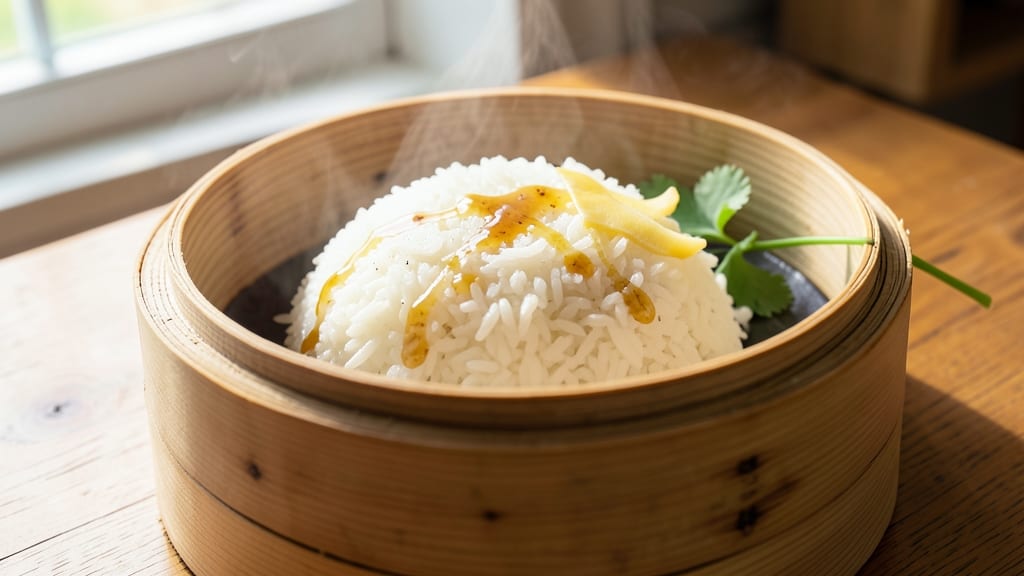
This Chinese steamed rice recipe transforms simple basmati into fragrant, restaurant-quality grains every time—no takeout required. The secret lies in precise ratios and gentle steaming, which unlocks that signature jasmine aroma and perfectly fluffy texture.
I’ve perfected this method after years of testing, and it works equally well in a bamboo steamer or rice cooker.
What sets this apart is the balance of water and rice (a 1:1.25 ratio) combined with a quick rinse to remove excess starch. Optional seasonings like a pinch of salt, a splash of soy sauce, or minced ginger elevate the flavor without overpowering the delicate rice.
The result is light, individual grains that stay separate yet tender.
By the time you’re done, you’ll have rice so fragrant it’ll make your kitchen smell like a dim sum parlor. Serve it as a side for stir-fries, pair it with dumplings, or enjoy it plain—it’s that good.
The technique is simple, but the difference from store-bought or overcooked rice is undeniable.
Whether you’re feeding a family or meal prepping for the week, this method delivers consistent results. Let’s get started—your taste buds will thank you.
Ingredients for chinese steamed rice
Nine simple ingredients for restaurant-quality rice—no fancy tools needed.
| Ingredient | Amount | Notes |
|---|---|---|
| Long-Grain Jasmine Rice 🍚 | 1 cup | Uncooked, not pre-rinsed |
| Water 💧 | 1 ¼ cups | Room temperature preferred |
| Bamboo Steamer 🌿 | 1 whole | Or rice cooker with steaming function |
| Salt 🧂 | ¼ tsp | Fine sea salt preferred |
| Light Soy Sauce 🍶 | 1 tbsp | Optional, for subtle umami |
| Fresh Ginger 🧅 | 1 tsp | Minced, optional for aroma |
| Vegetable Oil 🫒 | 1 tsp | For steamer basket |
| White Vinegar 🍶 | 1 tsp | Optional, brightens flavor |
| Sesame Oil 🫒 | ½ tsp | Toasted sesame preferred |
The rice is everything. Jasmine is non-negotiable—it’s the only grain with that signature floral aroma. Trader Joe's or Whole Foods carry it in bulk, but any Asian market will have it cheaper. Skip the pre-rinsed kind; you’ll rinse it yourself for that perfect texture. I always grab Koshihikari if I’m feeling fancy, but basic jasmine works too. The key is keeping the grains intact—no mushy rice here. For the steamer, bamboo is traditional, but a rice cooker with a steaming basket does the job just as well. If you’re using a pot, just keep the lid on tight.
No soy sauce? A splash of fish sauce adds depth, but it’s optional. Fresh ginger is ideal, but dried works at half the amount. The sesame oil might seem like overkill, but that nutty aroma is what makes this taste authentic. Vinegar brightens the rice—skip it if you’re sensitive to acidity. For the water, room temperature is best, but cold water in a pinch works too. Just let it sit out for 10 minutes before using. And if you’re short on time, pre-soaking the rice for 20 minutes makes the grains even fluffier.
This rice reheats beautifully—just add a splash of water and steam again. Keeps 3-4 days in the fridge, 6 months frozen. I always make a double batch because it disappears fast. For leftovers, store in an airtight container with a damp paper towel to keep it moist. The aroma fades over time, so enjoy it fresh when possible. And if you’re meal prepping, portion it into small containers so it stays fluffy longer.
Why You'll Love This Recipe
- I’ll be real: this recipe costs pennies to make. Long-grain jasmine rice is affordable, and the bamboo steamer lasts for years. Plus, leftovers reheat beautifully, so you’re not scrambling to feed the family on a tight budget. It’s the kind of dish that makes grocery day feel easier.
- Bamboo Steamer Magic: Honestly, I didn’t realize how little effort this takes. Just rinse the rice, layer it in the steamer with water and a pinch of salt, and let it do its thing—no stirring, no watching, no stress. The bamboo steamer handles the rest while you prep the rest of your meal.
- Soy-Kissed Simplicity: That light soy sauce glaze? It’s the secret weapon. A quick toss after steaming gives the rice a delicate, umami-rich sheen without overpowering the natural jasmine aroma. The grains stay separate but plump—no mushy texture, just pure satisfaction.
- Lunchbox Hero: Between us, this rice is my go-to for packed lunches. Cold or reheated, it holds up perfectly, and the soy sauce keeps it from drying out. Toss in some leftover veggies or protein, and you’ve got a meal that’s ready in minutes—no sad, soggy rice here.
Step-by-step instructions for Chinese steamed rice
Here's how to achieve perfectly fragrant, fluffy jasmine rice every time using simple techniques.
Prepare the Steamer and Rice
First, fill the bottom of your bamboo steamer with about 2 inches of water and bring it to a rolling boil. While waiting, spread the 1 cup of long-grain jasmine rice evenly in the steamer basket. This even distribution ensures all grains cook uniformly and prevents clumping.
Here's the thing—don't rinse the rice first. The natural starch on jasmine rice creates that signature fragrant aroma and sticky texture we want. If you rinse it, you'll lose that delicate floral scent and end up with dry, separate grains instead of the perfect steamed texture.
Add Flavor Enhancements
Lightly drizzle the 1 teaspoon of vegetable oil over the rice in the steamer basket and spread it evenly. This creates a gentle barrier that helps the grains separate beautifully during cooking. Then sprinkle the 0.25 teaspoon of salt and 1 tablespoon of light soy sauce evenly over the rice.
For that extra aromatic touch, scatter the 1 teaspoon of minced fresh ginger over the rice. The ginger will infuse subtle warmth and freshness into the rice without overpowering it. If you're using the optional 1 teaspoon of white vinegar, add it now to brighten the final flavor profile.
Steam to Perfection
Once the water in the steamer reaches a full rolling boil, carefully place the basket with rice into the steamer. Cover tightly with the lid and reduce heat to medium-high. Steam for exactly 15 minutes without lifting the lid. This precise timing is crucial—undershooting gives you crunchy grains, while overshooting turns them mushy.
After 15 minutes, turn off the heat but leave the rice steaming in the covered basket for an additional 5 minutes. This resting period allows the steam to redistribute evenly throughout the rice, ensuring every grain is perfectly cooked and fragrant. You'll know it's ready when you lift the lid and smell that unmistakable jasmine aroma.
Finish with Sesame Oil
Remove the steamer from heat and carefully transfer the rice to a serving dish. Here's where the magic happens: drizzle the 0.5 teaspoon of toasted sesame oil evenly over the rice and gently toss with a fork or rice paddle. This final step adds that nutty aroma and rich depth that makes this rice truly special.
Let the rice sit uncovered for 2-3 minutes before serving. This brief resting period allows the sesame oil to fully infuse into each grain, creating that perfect balance of texture and flavor. The rice should be light, fluffy, and just slightly sticky—each grain distinct but holding together beautifully.
Pro Tips For Making Chinese Steamed Rice
- Rinse Until Clear: Jasmine rice needs a good wash—hold it under cold water, swirl it around, and drain. Stop when the water runs nearly clear, not completely (some starch keeps it sticky). I learned this the hard way: skipping this step gives you mushy rice that clumps like glue.
- Boil Water First: Heat your water in the steamer’s base to a rolling boil before adding the rice basket. The steam hits the rice harder at first, which locks in flavor and prevents soggy bottoms. Sounds obvious, but I used to half-ass it and ended up with uneven cooking.
- Salt the Water: Add a pinch of salt to the steaming water—yes, even though you’re salting the rice later. It subtly seasons the steam and stops the rice from tasting bland. My grandmother swore by this, and she was right: the difference is noticeable, especially with plain white rice.
- Soy Sauce Last: Mix light soy sauce into the rice after steaming, not before. Adding it early makes the rice bitter and dulls the aroma. Stir it in gently with a fork—just enough to coat, not drown. I was skeptical until I tried it: the flavor pops instead of fading.
Regional styles of this recipe
Cantonese Dim Sum Style
In Cantonese cuisine, steamed rice is often served with dim sum as a light, fragrant base that complements the bold flavors of pork buns and shrimp dumplings. I like to use a slightly higher water ratio—1.3 cups water per 1 cup rice—to achieve that signature delicate texture.
Add ½ teaspoon white pepper instead of black pepper for a subtle warmth that pairs beautifully with char siu pork. Serve in small steamed rice baskets for an authentic dim sum experience. 🥟
Sichuan Spicy Version
For a Sichuan twist, add 1 teaspoon chili oil and ½ teaspoon Sichuan peppercorns (toasted and crushed) to the rice before steaming. The peppercorns create that signature numbing sensation, while the chili oil adds heat.
I recommend Lao Gan Ma chili oil for authentic flavor. Garnish with scallion oil (sautéed scallions in oil) after steaming for extra aroma. This version is perfect with mapo tofu or dan dan noodles. 🌶️
Hong Kong-Style Soy Sauce Rice
Hong Kong's version is all about the soy—use 2 tablespoons light soy sauce instead of 1, and add 1 teaspoon dark soy sauce for color. The rice takes on a beautiful golden hue while maintaining its fluffiness.
I also add 1 clove minced garlic and ½ teaspoon sugar to balance the saltiness. This rice is traditionally served with char siu (BBQ pork) and pickled vegetables. The soy sauce gives it a rich umami depth that's irresistible. 🍶
Taiwanese Five-Spice Rice
Taiwanese cooks often infuse their rice with ½ teaspoon Chinese five-spice powder (a blend of cinnamon, star anise, cloves, fennel, and pepper). The spices add warmth and complexity without overpowering.
I toast the five-spice powder in a dry pan for 30 seconds before sprinkling it over the rice to deepen the aroma. This version pairs perfectly with braised pork belly or stinky tofu>. The spices mellow out during steaming, leaving just a subtle, fragrant background note. 🌿
Fujian Light & Fresh
Fujian cuisine favors a lighter touch—skip the soy sauce and use just ½ teaspoon salt and 1 teaspoon Shaoxing wine instead. Add 1 teaspoon minced ginger and ½ teaspoon white pepper for a clean, bright flavor.
This rice is traditionally served with steamed fish or seafood dishes>. The wine adds a delicate aroma that enhances the natural sweetness of the jasmine rice. 🍶
Nutrition facts
Frequently asked questions
Why doesn't this recipe rinse the rice first?
Rinsing removes the natural starch that creates jasmine rice's signature aroma and slight stickiness. The recipe skips rinsing to preserve that delicate floral scent and achieve the perfect steamed texture—each grain stays separate but holds together beautifully. For fluffier results, just spread the rice evenly in the steamer.
Can I use a rice cooker instead of a bamboo steamer?
Most rice cookers have a steaming function—just use the same 1:1.25 rice-to-water ratio and steam for 15 minutes on high. For extra fragrance, place a small bowl of water with a few drops of sesame oil in the pot before starting. The cooker's even heat distribution works perfectly for this method.
What if my rice turns out mushy?
Mushy rice usually means overcooking or too much water. Next time, stick to the 15-minute steam time and reduce water by 1 tablespoon if possible. Also ensure your steamer has a tight seal—steam should escape only through the lid's tiny gaps. For a quick fix, spread the rice on a tray and broil for 2-3 minutes to dry it out.
How do I make this recipe gluten-free?
Skip the soy sauce and use 1 tablespoon tamari (gluten-free soy sauce) or ½ teaspoon salt instead. For extra umami, add ½ teaspoon coconut aminos. All other ingredients are naturally gluten-free, and this version still delivers that fragrant, fluffy texture. Just ensure your steamer basket is also gluten-free if you're highly sensitive.
Can I prep this rice ahead for meal prep?
Yes! This rice reheats beautifully—store it in an airtight container with a damp paper towel to maintain moisture. Reheat by steaming for 3-5 minutes or microwaving with 1 tablespoon water per cup of rice. For best results, portion into small containers so each serving stays fluffy. The aroma fades slightly over time, so enjoy within 3-4 days for peak freshness.