
Side Dishes
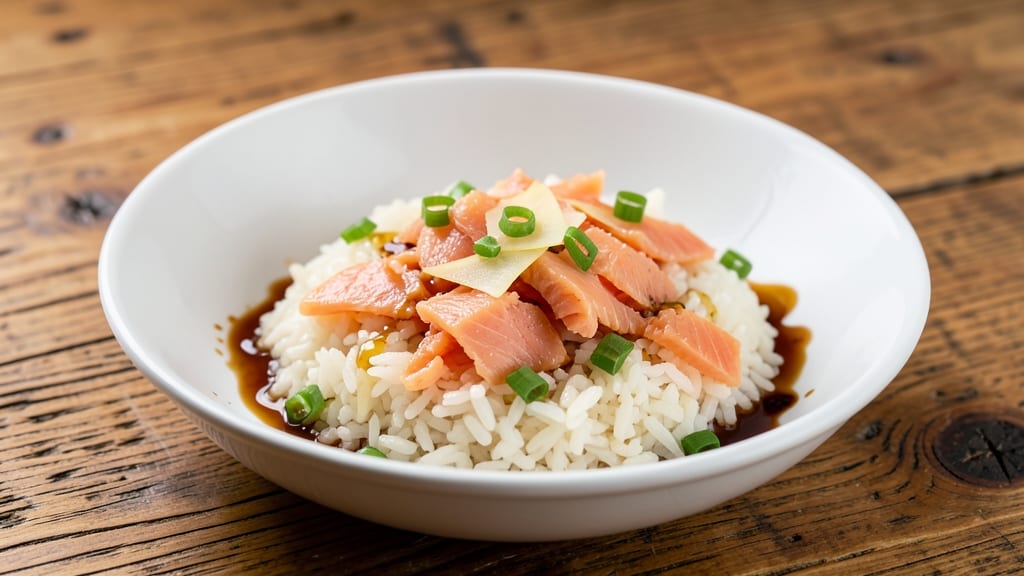
This canned salmon and rice recipe transforms pantry staples into a protein-packed one-pan meal that’s ready in just 20 minutes—no fancy prep required. After years of testing quick weeknight solutions, I’ve perfected a method that delivers flaky salmon, tender rice, and balanced flavors without sacrificing nutrition or taste.
The beauty lies in its simplicity: minimal ingredients, one pan, and a technique that ensures every bite is satisfying yet light.
The foundation of this dish is long-grain white rice cooked directly in the same pan used for the salmon, which infuses the grains with subtle fishy depth while keeping the process streamlined.
Canned salmon adds omega-3s and protein without the hassle of fresh fillets, while a touch of soy sauce, sesame oil, and green onions elevates the flavors to restaurant-quality levels. It’s the kind of meal that works as a standalone dish or pairs effortlessly with steamed vegetables and miso soup.
What you’ll end up with is a harmonious blend of textures and flavors—soft, slightly sticky rice clinging to tender salmon flakes, all brightened by fresh herbs and a hint of umami.
The dish is pescatarian-friendly, budget-conscious, and adaptable to any style, from Scandinavian-inspired simplicity to Japanese-inspired bowls. Best of all, it’s a foolproof method that delivers professional results with minimal effort.
Whether you’re meal prepping for the week or throwing together dinner after a long day, this recipe proves that nutritious meals don’t have to be complicated. Ready to transform your pantry into a protein powerhouse? Let’s get started with the full instructions.
Ingredients for canned salmon and rice
Pantry staples meet protein powerhouse—this one-pan dish delivers flaky salmon and tender rice in minutes.
| Ingredient | Amount | Notes |
|---|---|---|
| Long-Grain White Rice 🍚 | 1 cup | Uncooked, jasmine or basmati preferred |
| Canned Salmon 🐟 | 14 ¾ oz | Wild-caught, drained, in water |
| Sesame Oil 🫒 | 1 tbsp | Toasted, for authentic aroma |
| Low-Sodium Soy Sauce 🍶 | 2 tbsp | Kikkoman preferred for balance |
| Fresh Green Onions 🧅 | ¼ cup | Thinly sliced, white and green parts |
| Fresh Ginger 🌿 | 1 tsp | Finely grated, aromatic |
| Garlic Cloves 🧄 | 2 cloves | Minced, for depth of flavor |
| Vegetable Broth 💧 | 1 ½ cups | Low-sodium, homemade or store-bought |
| Extra-Virgin Olive Oil 🫒 | 1 tbsp | Light variety for neutral flavor |
| Lemon Juice 🍋 | 1 tbsp | Freshly squeezed, brightens flavors |
| Diamond Crystal Kosher Salt 🧂 | ½ tsp | For seasoning, adjust to taste |
| Black Pepper 🌶️ | ¼ tsp | Freshly cracked, for warmth |
| Sesame Seeds 🥜 | 1 tsp | Toasted, for garnish |
| Fresh Cilantro 🌿 | ⅛ cup | Chopped, optional garnish |
The long-grain white rice is the backbone of this dish, so choose jasmine or basmati for that signature stickiness and separate grains. Trader Joe’s carries both at reasonable prices, or check the Asian aisle at Whole Foods for premium options. For the canned salmon, prioritize wild-caught—brands like Wild Planet or Vital Choice deliver superior texture and flavor. Avoid the cheap store brands; their salmon often has a metallic taste. The sesame oil should be toasted—Kadoya or La Tourangelle are my go-tos, but any reputable brand works. Fresh ginger and garlic are non-negotiable here; pre-minced jars lack the aromatic punch of freshly grated or minced.
No sesame oil? Light olive oil works in a pinch, though it’ll miss the toasty depth. Short on green onions? Scallions or chives substitute well, but the white part is key for that mild onion bite. The soy sauce can be swapped for tamari if gluten-free is a concern, but reduce the amount slightly—it’s saltier. For the vegetable broth, low-sodium is critical; if you’re using a bouillon cube, Better Than Bouillon dissolves smoothly without graininess. The lemon juice should be freshly squeezed—bottled juice lacks the bright acidity needed to cut through the richness of the salmon. If you’re missing fresh cilantro, fresh parsley or dried cilantro at one-third the amount will do.
This dish reheats beautifully—microwave 2 minutes with a splash of water to restore moisture. Store leftovers in an airtight container for up to 4 days in the fridge, though the rice dries out after 2. For meal prep, portion into individual containers with a small amount of broth to keep the rice from sticking. The salmon and rice combination freezes for up to 3 months, though the texture may soften slightly upon thawing. Garnish with toasted sesame seeds right before serving—they add crunch and visual appeal, and they keep for months in a cool, dark place.
Why You'll Love This Recipe
- Here’s what sold me: this is my go-to for meal prep. Divide it into containers, and you’ve got lunch for three days. Cold or reheated, it’s still solid. (Yes, even on a Tuesday night when you’re too tired to think.) Plus, it’s the one dish that actually makes school lunches exciting.
- I’ll be real: canned salmon is a game-changer for my grocery budget. A single can feeds four, and the rice stretches it even further. No wasted leftovers here—this stuff disappears fast, but if it lingers, it reheats like a dream. Practical? Absolutely. Delicious? Ridiculously.
Step-by-step instructions for canned salmon and rice
Here's the method for a perfectly balanced, protein-rich dish that comes together in one pan.
Sauté Aromatics in Olive Oil
Heat the 1 tablespoon extra-virgin olive oil in a large skillet over medium heat until shimmering but not smoking. Add the 2 cloves minced garlic cloves and 1 teaspoon finely grated fresh ginger, stirring constantly for 30 seconds until fragrant—you should smell the garlic's sharpness and ginger's warmth.
Immediately add the 0.25 cup thinly sliced fresh green onions, stirring for another 30 seconds until the white parts soften slightly. This quick sauté develops the aromatics without burning them. If the onions start to brown too quickly, reduce the heat slightly. The goal is to create a flavor base that will infuse the entire dish.
Toast the Rice and Add Broth
Add the 1 cup uncooked long-grain white rice to the skillet, stirring to coat the grains evenly in the aromatic oil. Toast the rice for 2 minutes, stirring frequently, until the grains turn translucent at the edges and release a nutty aroma. This step prevents mushy rice by building a light crust on each grain.
Pour in the 1.5 cups vegetable broth, scraping up any browned bits from the bottom of the pan. These flavorful bits, called fond, add depth to the final dish. Bring the mixture to a gentle simmer, then immediately reduce heat to low to maintain a steady, barely bubbling cook.
Prepare the Salmon Mixture
In a small bowl, combine the 14.75 ounces drained canned salmon with 2 tablespoons low-sodium soy sauce, 1 tablespoon lemon juice, 0.5 teaspoon diamond crystal kosher salt, and 0.25 teaspoon freshly cracked black pepper. Using a fork, break up the salmon into small, even chunks while mixing thoroughly. The acidity from the lemon juice helps tenderize the fish slightly and brightens the overall flavor.
Add the 1 tablespoon toasted sesame oil to the salmon mixture and stir well. Set this aside while the rice begins to absorb the broth. This preparation ensures the salmon will infuse the dish with its rich, umami flavor without overpowering the delicate rice.
Combine and Simmer
Carefully spoon the salmon mixture evenly over the rice in the skillet. Stir gently to distribute the salmon chunks throughout the rice, ensuring each grain gets a taste of the protein. Cover the skillet with a tight-fitting lid and simmer for 15 minutes over low heat, allowing the rice to absorb the remaining liquid and cook through.
After 15 minutes, check the rice for doneness by pressing a grain between your fingers—it should be tender but still hold its shape. If there's any remaining liquid, uncover and simmer for another 2-3 minutes to evaporate it. The rice should be fluffy with just a slight bite in the center, indicating perfect al dente texture.
Finish and Garnish
Remove the skillet from heat and let it sit covered for 2 minutes to allow the rice to finish steaming. This resting period ensures the grains absorb any remaining moisture and develop their final texture. Sprinkle the 1 teaspoon toasted sesame seeds and 0.125 cup chopped fresh cilantro evenly over the top, pressing them lightly into the rice for a decorative finish.
Serve immediately while the rice is still warm and the flavors are at their peak. The dish should have a balance of textures—tender rice, flaky salmon, and a crisp garnish—with each component complementing the others. The sesame oil adds a subtle nutty aroma, while the fresh cilantro provides a bright, herbaceous contrast to the rich salmon and savory rice.
Pro Tips For Making Canned Salmon And Rice
- USE COLD SALMON DIRECTLY: Drain the canned salmon and add it straight from the fridge to your rice—no need to warm it first. The cold protein keeps the rice from turning mushy while it absorbs the sesame oil and soy sauce better.
- SALT THE RICE WATER: Add ½ teaspoon of salt to the rice cooking water (yes, even if using low-sodium soy sauce later). The rice absorbs flavor more evenly, and you won’t overpower the dish with extra seasoning at the end.
- CHOP ONIONS FINE AND FAST: Dice the green onions into ¼-inch pieces—smaller than you’d think—and add them in the last 2 minutes of cooking. They’ll stay bright and crisp instead of wilting into the rice like sad, soggy straws.
- STIR IN SESAME OIL LAST: Toss the sesame oil into the rice after it’s off the heat—just before mixing in the salmon and soy sauce. A quick swirl with a fork locks in the aroma without burning it off on the stove.
Best sauces and condiments for this dish
Umami Boosters
Elevate the dish with 1 tablespoon fish sauce (like Red Boat) mixed into the salmon before combining with rice. The deep umami punch complements the canned salmon’s natural richness without overpowering it.
For a vegetarian twist, swap for 1 teaspoon miso paste dissolved in the broth—it adds fermented depth that pairs beautifully with the rice’s nutty notes. 🌟
Creamy Twist
Stir in 2 tablespoons Greek yogurt or sour cream during the final 2 minutes of cooking for a luscious texture. The tang cuts through the salmon’s fat, adding a bright contrast.
I recommend Fage 5% yogurt for its thick, creamy consistency that won’t dilute the flavors. Garnish with a sprinkle of toasted sesame seeds for crunch and visual appeal.
Spicy Kick
Add 1 teaspoon sriracha or gochujang to the salmon mixture for heat. The Korean-inspired gochujang (fermented chili paste) brings sweet-spicy complexity, while sriracha offers a simpler, tangy burn.
For extra depth, mix in ½ teaspoon grated fresh ginger—it enhances the spice’s warmth. Serve with extra green onions for freshness. 🌶️
Citrus Brightener
Finish with 1 tablespoon freshly squeezed yuzu juice (or sub lemon juice) and a pinch of zest to cut through the richness. The citrus’s acidity balances the salmon’s oiliness, while the zest adds aromatic brightness.
For a pop of color, top with thinly sliced radishes or mandarin orange segments—they add crunch and a refreshing contrast.
Herbaceous Garnish
Swap the cilantro for fresh dill or parsley if you prefer a different herb profile. Dill adds a bright, slightly fishy note that harmonizes with the salmon, while parsley offers a cleaner, more neutral freshness.
Toast 1 teaspoon pumpkin seeds alongside the sesame seeds for a nutty crunch that complements the dish’s textures. 🌿
Smoky Depth
Infuse the broth with ½ teaspoon smoked paprika or a dash of liquid smoke for a subtle smoky flavor. This works especially well if you’re serving the dish with grilled vegetables or a smoked protein.
For an authentic touch, use 1 teaspoon of homemade smoked salt (like Morton’s) sprinkled over the top before serving.
Nutrition facts
Frequently asked questions
Can I use any type of rice for this recipe?
Long-grain white rice (jasmine or basmati) works best for this dish, as it stays separate and absorbs flavors beautifully. For a quicker option, instant rice can be substituted—just reduce the broth by 0.5 cups since it absorbs liquid faster. Avoid sticky rice varieties like sushi rice, as they’ll make the dish too dense.
What if I don’t have sesame oil?
No problem! Use 1 tablespoon light olive oil instead, though it’ll lack the toasty depth. For extra flavor, add ½ teaspoon toasted sesame seeds directly to the rice during the final step. The sesame aroma will still shine through, just in a different way.
How do I make this dish spicier?
Mix 1 teaspoon gochujang or ½ teaspoon chili flakes into the salmon mixture for heat. For a smoky kick, add ½ teaspoon smoked paprika to the broth. Always taste as you go—start with less if you’re sensitive to spice, then adjust.
Can I prep this ahead of time?
Cook the rice and salmon mixture, then store in an airtight container for up to 4 days in the fridge. Reheat with 2 tablespoons water in the microwave for 2 minutes to restore moisture. For best texture, serve within 2 days of cooking.
What’s the best way to serve this dish?
This recipe works as a standalone meal, but pairs beautifully with steamed bok choy, a side of miso soup, or quick-pickled cucumbers. For extra protein, top with a soft-boiled egg or avocado slices. The dish also makes a great lunchbox meal when packed in a container.