
Main Courses
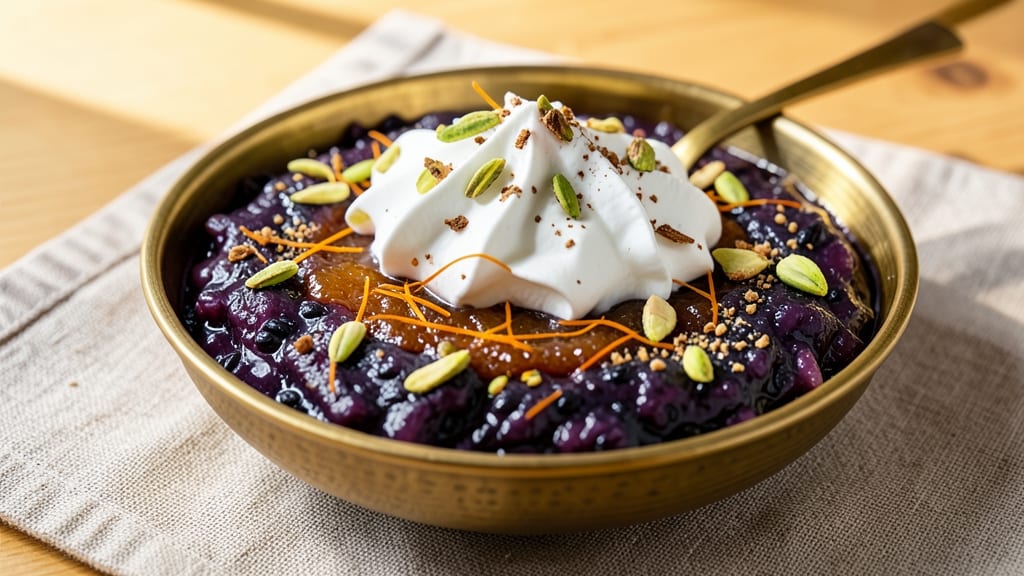
This black rice halwa recipe transforms humble black rice into a velvety, nutty-sweet dessert that feels like a warm hug in every bite. The secret lies in slow-cooking the rice with ghee until it develops that signature caramelized depth, while cardamom and saffron infuse layers of aromatic complexity.
I've perfected this version to deliver restaurant-quality texture—creamy yet firm, with just the right resistance when cut, and a fragrance that fills your kitchen like a spiced breeze from an Indian bazaar.
The beauty of this recipe is its simplicity: just five key ingredients (plus optional nuts) come together in one pot, requiring only your patience and a medium flame. Unlike many desserts that demand precise temperatures or specialized equipment, halwa rewards careful attention rather than technical skill.
The rice softens gradually, absorbing the ghee and sugar until it reaches that perfect fudgy yet sliceable consistency we all crave.
What makes this halwa truly special is how it balances earthy black rice with sweet, spiced richness. The ghee adds a luxurious mouthfeel, while sugar (or jaggery for a deeper flavor) creates that signature caramelized crust when pressed.
Topped with toasted nuts and a sprinkle of saffron, each serving becomes a celebration of Indian sweet traditions—comforting yet sophisticated, perfect for festive occasions or quiet evenings when you crave something truly indulgent.
Once mastered, this recipe becomes your go-to for gatherings—it reheats beautifully and tastes even better the next day as flavors meld. The aroma alone will have guests asking for seconds before they even take their first bite.
Let's create this timeless dessert that's as much about tradition as it is about taste.
Ingredients for black rice halwa
Five aromatic ingredients transform black rice into a velvety, spiced dessert that feels like a warm embrace.
| Ingredient | Amount | Notes |
|---|---|---|
| Black Rice 🍚 | 1 cup | Uncooked, rinsed thoroughly |
| Ghee 🧈 | ½ cup | Clarified butter, unsalted |
| White Sugar 🍯 | 1 cup | Granulated, or jaggery for depth |
| Cardamom Pods 🌿 | 8 whole | Lightly crushed, green preferred |
| Saffron Threads 🌼 | ¼ tsp | High-quality, soaked in 1 tbsp warm milk |
| Water 💧 | 1 ½ cups | Room temperature preferred |
| Pistachios 🥜 | ½ cup | Shells removed, lightly toasted |
| Almonds 🌰 | ¼ cup | Sliced, lightly toasted |
| Rose Water 🌹 | 1 tsp | Pure, food-grade |
| Salt 🧂 | ¼ tsp | Fine sea salt |
The black rice is the star—look for imported varieties like Thai or Indian black rice at specialty stores or online (I love Bhagya or Navana brands). Rinse it thoroughly to remove excess starch, which prevents clumping during cooking. Ghee is non-negotiable here—its rich, nutty flavor can't be replicated with butter or oil. Amul or Patanjali brands are my go-to for authentic taste, but any high-quality ghee works. Cardamom should be green and fragrant—if it smells dull, it's lost its potency. Toast the whole pods lightly before crushing to release their essential oils. Saffron is an investment, so buy from reputable spice shops where they sell by weight—not the tiny pre-packaged strands that often contain fillers.
No cardamom? Cinnamon at half the amount gives warmth, though it lacks that floral depth. Jaggery is the perfect sugar substitute—its caramel notes complement the rice beautifully, but white sugar works just fine if that's what you have. Running low on saffron? Turmeric at a pinch adds color (though no saffron flavor), or omit entirely for a simpler version. The nuts can be swapped—cashews or walnuts work equally well, just adjust toasting time. Rose water is optional but adds that signature floral note; if unavailable, a drop of vanilla extract works in a pinch. Always toast nuts over medium heat until fragrant—don't walk away, or they'll burn quickly.
This halwa tastes even better the next day as flavors meld—perfect for making ahead. Store in an airtight container at room temperature for up to 5 days, or refrigerate for 2 weeks if you're not using the rose water (it can curdle over time). For serving, press gently with your thumb to create that signature caramelized crust. The texture should be creamy yet firm, with just enough resistance to hold its shape when sliced. If it feels too soft, chill for 30 minutes before serving. Portion into small containers for easy gifting—it's always a crowd-pleaser at gatherings.
Why You'll Love This Recipe
- No Soaking Nightmare: I’ve made halwa that demands hours of soaking—this one? Just rinse the black rice once, then cook. The grains soften in 20 minutes while you sip chai, no fuss.
- Rich Without Guilt: That deep, nutty black rice flavor? It’s like dessert’s secret weapon. The ghee turns it velvety, the cardamom adds warmth, and saffron—just a pinch—makes it feel luxurious without tasting over-the-top.
- Party or Pantry: Serve it warm at Diwali gatherings or pack it in jars for office snacks. Honestly, I’ve eaten it cold straight from the fridge when I forgot to reheat it—still tasted amazing.
- Budget Luxury: Black rice is pricier than basmati, but this recipe uses less than a cup. A single batch stretches for days, and the ghee’s richness makes it feel special without breaking the bank. (Yes, even on a Tuesday night.)
Step-by-step instructions for black rice halwa
Here's how to transform simple ingredients into a velvety, fragrant halwa that tastes like a warm hug.
Toast the Nuts and Prepare the Rice
In a dry skillet over medium heat, toast the 0.5 cup pistachios and 0.25 cup almonds for 3-4 minutes until they release their aroma and turn a shade lighter. Watch them carefully—they should be fragrant but not browned. Transfer to a plate and set aside to cool slightly.
Rinse the 1 cup black rice thoroughly under cold water until the water runs clear. This removes excess starch that can make your halwa gummy. Spread the rice on a clean kitchen towel and pat dry gently. The rice should be completely dry before cooking—any moisture will prevent proper absorption of the ghee later.
Cook the Rice with Ghee and Spices
In the same skillet (no need to clean it—the nutty aroma remains), melt the 0.5 cup ghee over low heat. Add the 8 whole cardamom pods and let them sizzle gently for 30 seconds until the ghee becomes fragrant and lightly golden. Be patient—rushing this step will make your halwa taste flat.
Add the rinsed black rice and stir gently to coat each grain with the fragrant ghee. Pour in the 1.5 cups water and sprinkle with the 0.25 tsp salt. Bring to a gentle simmer, then reduce heat to low and cover partially. Cook for 20-25 minutes until the rice is tender and all the water has been absorbed. You'll know it's ready when the rice grains are soft but still hold their shape slightly.
Create the Sweet Base
Once the rice is cooked, increase heat to medium and let any remaining moisture evaporate for 2-3 minutes. The rice should look dry and slightly sticky—this is crucial for the halwa's texture. Stir in the 1 cup white sugar gradually, mixing well after each addition. The sugar will dissolve completely, creating a smooth base.
Add the toasted nuts and the 1 tsp rose water. The rose water might seem like a small amount, but it's what gives halwa that delicate floral note that makes it special. Stir constantly for 5 minutes until the mixture thickens and pulls away from the sides of the pan. You're looking for a consistency like thick pudding—smooth, glossy, and slightly sticky when you press it between your fingers.
Finish with Saffron and Test for Perfection
Remove the pan from heat and stir in the 0.25 tsp saffron threads (previously soaked in warm milk as directed in the ingredients). The saffron will give your halwa its signature golden color and subtle floral aroma. Let the mixture sit for 2 minutes to absorb the saffron's color and flavor completely.
For the perfect test, dip a clean spoon into the halwa and let it cool slightly. When you run your finger through it, the mixture should hold its shape briefly before melting back into the pan—a sign of perfect consistency. If it's too thick, add 1-2 tablespoons warm water at a time until you reach this ideal texture. Serve warm in small bowls, garnished with extra toasted nuts if desired.
Pro Tips For Making Black Rice Halwa
- SOAK THE RICE LONGER: I learned this the hard way—black rice needs at least 6 hours (overnight is better) to soften properly. Skip this, and you’ll end up with chewy bits that ruin the creamy texture. Trust me, the extra wait makes all the difference when it blends into that velvety halwa.
- USE LOW HEAT FOR SUGAR: High heat turns sugar into caramel too fast, and you’ll end up with burnt spots. Once the sugar starts dissolving, drop the heat to medium-low and stir constantly—this keeps the color golden and the texture smooth. (Yes, even if you’re impatient like me.)
- CRUSH CARDMAMOM FIRST: Whole cardamom pods release flavor unevenly, leaving some bites bland. Lightly crush them before adding to the ghee—this guarantees every spoonful of halwa gets that warm, aromatic punch. (Your future self will thank you.)
- STIR IN SAFFRON LAST: Saffron burns in seconds, turning bitter if you add it too early. Bloom it in a spoonful of warm ghee for 2 minutes first, then stir it in at the very end. This keeps the color vibrant and the flavor pure—no weird aftertaste.
Flavor customization for these flavors
Sweetness Levels
Adjust the sugar to create different sweetness profiles. For a milder taste, reduce to ¾ cup sugar and balance with 1 tsp vanilla extract or ½ tsp orange blossom water.
If you prefer intense sweetness, increase to 1¼ cups sugar and add 1 tbsp condensed milk at the end for extra creaminess. Jaggery works beautifully here—its caramel notes complement the black rice perfectly. 🍯
Spice Intensity
Cardamom is the star spice, but you can tweak its intensity. For subtle warmth, use 4 pods instead of 8. For bold flavor, crush the pods before adding and increase to 10 pods.
Swap in ½ tsp cinnamon or ¼ tsp nutmeg for a different aromatic profile. If you love heat, add ¼ tsp freshly grated ginger during the final stirring—it pairs surprisingly well with the floral notes. 🌿
Nutty Variations
Toasted nuts add texture and richness. For a crunchier texture, add ¼ cup chopped cashews or walnuts during the final stirring. For a softer texture, blend ½ cup almonds into a fine powder and mix into the halwa before serving.
My favorite twist? Pistachio-coconut: Replace almonds with ½ cup toasted coconut flakes and ¼ cup crushed pistachios—the tropical notes balance the cardamom beautifully. 🥜
Floral Infusions
Rose water is classic, but other floral extracts work too. Orange blossom water (½ tsp) adds a citrusy brightness, while jasmine extract (¼ tsp) brings a more delicate aroma.
For a fruity twist, stir in 2 tbsp finely chopped dried apricots or figs during the final 5 minutes of cooking. If you prefer chocolate notes, fold in 2 tbsp cocoa powder with the sugar—it deepens the flavor profile wonderfully. 🌹
Texture Adjustments
Want your halwa firmer? Reduce the water to 1 cup and cook uncovered for 5 extra minutes after adding sugar. For a softer, pudding-like texture, increase water to 1¾ cups and stir in 2 tbsp heavy cream at the end.
If your halwa feels too dry, add 1 tbsp warm milk at a time until it reaches that perfect creamy-yet-firm consistency. Chilling for 30 minutes before serving also helps it set beautifully. ✨
Nutrition facts
Frequently asked questions
Why does black rice give halwa its unique color?
Black rice gets its deep purple hue from anthocyanins, powerful antioxidants that also give blueberries their color. When cooked with ghee and sugar, these pigments mellow into warm brown tones while adding earthy depth to the flavor. The longer you cook it on low heat, the richer the color becomes—this is why traditional halwa often has that signature caramelized crust!
Can I make this halwa without ghee?
Yes, but the texture and flavor will differ. For a dairy-free version, use coconut oil or vegetable ghee (made from refined coconut oil). The halwa will be slightly lighter in color and less rich, but still delicious. If you're avoiding all fats, try half ghee and half milk—this keeps the creamy consistency while reducing richness. Just remember, ghee's nutty aroma is what makes traditional halwa so special!
How do I know when the halwa has reached perfect consistency?
The ideal test is the "spoon test": Dip a clean spoon into the halwa and let it cool slightly. When you run your finger through it, the mixture should hold its shape briefly before melting back into the pan. It should feel smooth yet slightly firm, with just enough resistance to hold when sliced. If it's too thick, add 1 tbsp warm water at a time until you reach this perfect balance.
Can I make this halwa ahead of time?
Halwa actually tastes better the next day as flavors meld together. Store in an airtight container at room temperature for up to 5 days, or refrigerate for 2 weeks (skip rose water if refrigerating, as it can curdle). Reheat gently in a dry pan over low heat until warmed through—this helps restore its creamy texture. Pro tip: Press with your thumb before serving to create that signature caramelized crust!
What's the best way to serve black rice halwa?
Serve warm in small bowls, garnished with extra toasted nuts and a sprinkle of saffron. For an elegant touch, press with your thumb to create a caramelized crust on top. Pair with green tea or mango lassi to balance the richness. In India, it's traditionally served during Diwali or Eid celebrations, but it's perfect for any festive occasion or cozy dessert night!