
Side Dishes
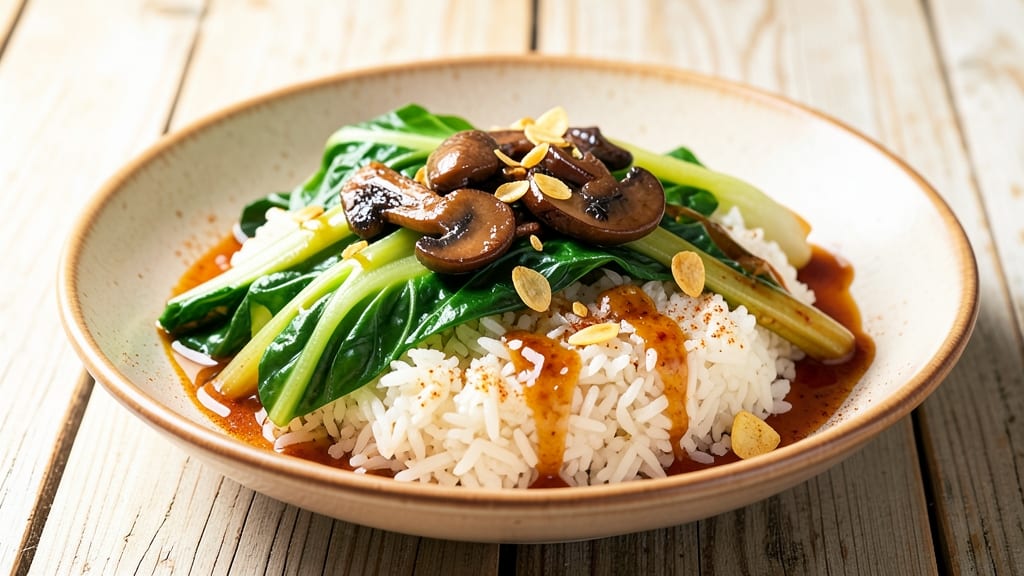
This Chinese cabbage rice recipe delivers restaurant-quality flavor with crispy cabbage edges and fragrant five-spice aromatics—perfect for a satisfying weeknight meal. The secret lies in stir-frying cabbage until tender-crisp while balancing sweet, savory, and umami notes through soy, oyster, and sesame oil.
I developed this dish after years of refining stir-fry techniques, ensuring every bite has both texture and depth.
What sets this recipe apart is the crispy texture achieved through proper stir-frying and the aromatic five-spice blend that elevates simple ingredients into something extraordinary. The rice absorbs the savory sauce while remaining fluffy, creating a harmonious balance.
Whether served as a main dish or alongside other proteins, this cabbage rice delivers bold flavors with minimal effort—ideal for home cooks seeking authentic Chinese taste.
Ingredients for cabbage rice chinese
Authentic Chinese flavors meet crispy cabbage and fragrant five-spice for a restaurant-worthy weeknight dish.
| Ingredient | Amount | Notes |
|---|---|---|
| Chinese Cabbage (Napa Cabbage) 🥬 | 1 lb | Thinly sliced into ribbons |
| Long-Grain White Rice 🍚 | 1 ½ cups | Uncooked, jasmine preferred |
| Oyster Sauce 🍶 | 2 tbsp | Vegetarian-friendly brand |
| Soy Sauce 🥢 | 2 tbsp | Light or all-purpose |
| Sesame Oil 🫒 | 1 tbsp | Toasted for aroma |
| Five-Spice Powder 🌶️ | 1 tsp | Authentic Chinese blend |
| Garlic Cloves 🧄 | 4 cloves | Minced finely |
| Fresh Ginger 🌿 | 1 tbsp | Grated finely |
| Vegetable Oil 🫒 | 3 tbsp | High smoke point |
| Green Onions 🧅 | 3 whole | Sliced diagonally |
| Sesame Seeds 🌰 | 1 tbsp | Toasted lightly |
| Salt 🧂 | ½ tsp | Diamond Crystal preferred |
| White Sugar 🍯 | 1 tsp | Balances flavors |
| Vegetable Broth 💧 | 1 ½ cups | Low-sodium preferred |
The cabbage is the star—look for firm, crisp Napa cabbage with vibrant green leaves at Asian markets or well-stocked grocery stores. Whole Foods or H Mart carry the best quality for stir-fries. Thinly slice the cabbage into even ribbons (about 1/8-inch thick) for consistent crispy edges. The five-spice powder should be authentic Chinese blend—brands like Penzeys or Spicewalla offer the most balanced flavor profile. For garlic and ginger, freshly minced makes all the difference, but pre-minced works in a pinch.
No oyster sauce? Vegetarian oyster sauce (like Lee Kum Kee) or soy sauce plus a splash of mirin works well. Swap sesame oil for toasted peanut oil if unavailable, though the flavor will differ slightly. The cabbage can be prepped ahead—store sliced pieces in a sealed container with a paper towel to maintain crispness. For extra umami, mushroom powder (1/2 tsp) can replace some oyster sauce. The rice should be cooked just until tender—overcooking makes it mushy for stir-frying later.
Stir-fried cabbage loses crispness quickly, so eat immediately or store in an airtight container for up to 2 days. The rice reheats beautifully—microwave with a splash of water to restore moisture. For longer storage, freeze portions for up to 3 months. Toast the sesame seeds in a dry pan for 30 seconds before adding to the dish for maximum aroma. This recipe scales perfectly—double all ingredients for a crowd, adjusting oil and broth accordingly for even cooking.
Why You'll Love This Recipe
- One-Pot Magic: I swear by this recipe—just toss the cabbage, rice, and a splash of oyster sauce in one pot, and let it steam. No chopping boards, no extra pans, just hands-off cooking while I sip tea.
- Umami Bomb: That combo of oyster sauce and soy sauce? It’s the secret weapon here. The cabbage stays crisp-tender, and the rice soaks up all that savory goodness—like a cozy hug in a bowl.
- Lunchbox Hero: Between us, this is my go-to for packed lunches. The sesame oil adds that little je ne sais quoi, and it reheats beautifully. Honestly, my kids bring it back with half gone—no complaints.
- Budget Win: Napa cabbage is cheap, rice is a staple, and a tiny bottle of oyster sauce stretches forever. I make it twice a week, and it’s always a hit—no fancy ingredients, just pure satisfaction.
Step-by-step instructions for cabbage rice Chinese stir-fry
Master the balance of textures and aromatics in this authentic Chinese dish.
Prepare the Rice Foundation
Rinse the 1.5 cups long-grain white rice thoroughly under cold water until the water runs clear. This removes excess starch that can make the rice gummy. Drain well and transfer to a pot with the 1.5 cups vegetable broth. Bring to a boil over medium-high heat, then reduce to a simmer, cover, and cook for 15 minutes. Let it steam off heat for 5 minutes before fluffing gently with a fork.
While the rice cooks, prepare the cabbage by removing the outer leaves and cutting the 1 lb Chinese cabbage (napa cabbage) into thin ribbons—about ¼-inch wide. This texture ensures crisp edges while maintaining tenderness. Keep it separate until needed.
Build the Five-Spice Aromatic Base
Heat 2 tablespoons vegetable oil in a wok or large skillet over medium-high heat until shimmering. Add the 4 cloves minced garlic and 1 tablespoon finely grated ginger, cooking for 30 seconds until fragrant but not browned. Immediately add the 1 teaspoon five-spice powder and stir vigorously for 10 seconds to toast the spices—this awakens their complex flavors.
Push the aromatics to one side of the pan and add another 1 tablespoon vegetable oil. Here's where the crispy edges come in: add the cabbage ribbons in a single layer, leaving space between them. Cook undisturbed for 2 minutes until the edges begin to blister and turn golden. Stir gently and repeat until all cabbage reaches this texture—this should take about 4-5 minutes total.
Develop the Sauce and Finish
Return the aromatic base to the center of the pan and add 2 tablespoons oyster sauce, 2 tablespoons soy sauce, and 1 teaspoon white sugar. Stir to combine, then pour in 1 tablespoon sesame oil and toss everything together. The sauce should coat the cabbage evenly—if it looks too thick, add 1-2 tablespoons vegetable broth to loosen.
Cook for an additional 2 minutes until the cabbage is tender-crisp with wilted centers. Remove from heat and stir in the 3 whole green onions, sliced diagonally, and 1 tablespoon toasted sesame seeds. The green onions add freshness while the sesame seeds provide nutty crunch.
Combine and Serve
Transfer the cooked cabbage mixture to a serving platter and make a well in the center. Spoon the fluffed rice into the well, gently pressing it down to create a cohesive dish. Drizzle any remaining sauce from the pan over the top for maximum flavor distribution.
For presentation, garnish with additional sesame seeds and serve immediately while the cabbage maintains its crisp edges. The contrast between the tender rice core and crispy cabbage perimeter is what makes this dish exceptional. Each bite should deliver the aromatic five-spice profile balanced by the umami from the oyster and soy sauces.
Pro Tips For Making Cabbage Rice Chinese
- Cut Cabbage in Half Lengthwise: I learned this the hard way—whole cabbage heads take forever to soften. Split the core and fan out the leaves so they wilt faster. Use a sharp knife and cut through the tough stem at the base, then separate the leaves like pages in a book. They’ll cook in half the time and stay crisp where you want them to.
- Blanch Rice Before Stir-Fry: This isn’t the prettiest method, but it’s the tastiest. Cook your rice slightly underdone (just a few minutes less than usual), then drain and spread it on a tray to cool. The residual heat finishes cooking it while absorbing the cabbage’s flavors better. Cold rice also prevents mush when you stir-fry—trust the process.
- Salt Cabbage Before Cooking: Skip the crowding, and salt the cabbage first. Toss the chopped leaves with ½ teaspoon salt and let them sit for 10 minutes while you prep everything else. This draws out water, so you won’t end up with a soggy pile. Rinse and drain just before stir-frying—wet cabbage steams instead of sears.
- Finish with Sesame Oil Last: After your rice and cabbage are done, turn off the heat and let everything rest for 30 seconds. Then drizzle in the sesame oil—off the heat—so it doesn’t burn. This adds aroma without bitterness, and the oil coats the rice evenly. (Yes, even if you’re impatient like me.)
Regional styles of cabbage rice chinese
Southern Chinese Style
In Cantonese cuisine, this dish often features char siu pork as a protein addition, but the vegetarian version remains equally satisfying. The key difference is using fermented black beans (about 1 tbsp) in the stir-fry for extra depth.
I like to add them with the cabbage for a smoky, earthy note that pairs perfectly with the five-spice. Serve with a side of pickled vegetables to balance the richness. 🌶️
Sichuan Spicy Twist
For a Sichuan-inspired version, swap the five-spice for 1 tsp Sichuan peppercorns (toasted and ground) plus ½ tsp chili flakes. Add 1 tbsp doubanjiang (chili bean paste) when building the sauce for that signature numbing-spicy kick.
The cabbage stays crispy while absorbing the fiery flavors. Garnish with crushed peanuts for texture contrast. 🔥
Hong Kong Street Food
Hong Kong street vendors often serve this as a quick, portable meal using leftover rice and cabbage. The trick is to cook the cabbage slightly softer (3 minutes instead of 4) and mix it directly into the rice while warm.
Add a soft-boiled egg on top for extra protein and drizzle with chili oil before serving. This version is messy but incredibly flavorful. 🥢
Taiwanese Home-Style
Taiwanese home cooks frequently add dried shiitake mushrooms (about 2 pieces, rehydrated) to the stir-fry for umami richness.
The cabbage is often cut into smaller pieces (½-inch chunks) to cook faster, and the dish is finished with a splash of rice wine (½ tsp) for brightness. Serve with a side of steamed greens to round out the meal. ✨
Modern Fusion Adaptation
For a contemporary twist, try adding crispy fried shallots (1 tbsp) at the end for texture. A drizzle of yuzu kosho (Japanese citrus chili paste) adds a tangy-sweet contrast to the five-spice.
This fusion version works beautifully as a vegan main dish or alongside grilled tofu. The crispy shallots elevate the dish to restaurant-quality. 💫
Northern Chinese Comfort
In Northern China, this dish often includes dried lily buds (1 tbsp) and fermented soybean paste (1 tsp) for a heartier flavor. The cabbage is sometimes parboiled briefly (1 minute) before stir-frying to soften it faster.
Serve with a side of scallion pancakes for a complete Northern-style meal experience. 🥟
Nutrition facts
Frequently asked questions
Can I substitute regular cabbage for Chinese cabbage?
Regular green cabbage works in a pinch, but it won't have the same tender texture or mild sweetness. For best results, use Napa cabbage or bok choy, which cook faster and maintain crisp edges. If you must use green cabbage, slice it thinner (1/16-inch) and cook for 1-2 minutes less to prevent over-softening.
Why does my cabbage turn mushy instead of crispy?
Overcrowding the pan or cooking at too low heat causes soggy cabbage. Use a large wok or skillet and cook in batches if needed. Heat should be medium-high—you'll see smoke when oil shimmers. Stir only after 2 minutes of undisturbed cooking to develop crisp edges. A splash of cornstarch slurry (1 tsp cornstarch + 1 tbsp water) tossed in at the end can restore crispness.
What's the best way to make this vegetarian?
This recipe is already vegetarian, but you can boost protein by adding tofu or mushrooms. Press firm tofu into cubes, pan-fry until golden, then stir-fry with the cabbage. For extra umami, add 1 tbsp vegetarian oyster sauce or 1 tsp mushroom powder to the sauce. Garnish with crispy fried shallots for texture.
Can I make this ahead of time?
Cook the cabbage and rice separately, then refrigerate in airtight containers for up to 2 days. Reheat rice with a splash of water, then stir-fry cabbage again with 1 tsp sesame oil to restore crispness. For freezing, package components separately—cabbage freezes well for 3 months, while rice is best eaten fresh or reheated with 1 tbsp broth to prevent drying.
What are the key differences from regular stir-fried cabbage?
This recipe focuses on crispy edges (not fully wilted cabbage) and builds flavor through the five-spice blend and aromatic base. The rice is cooked separately and combined at the end, creating a textural contrast with tender cabbage. Traditional stir-fries often use more oil and lack the layered sauce technique that makes this dish restaurant-quality.