
Main Courses
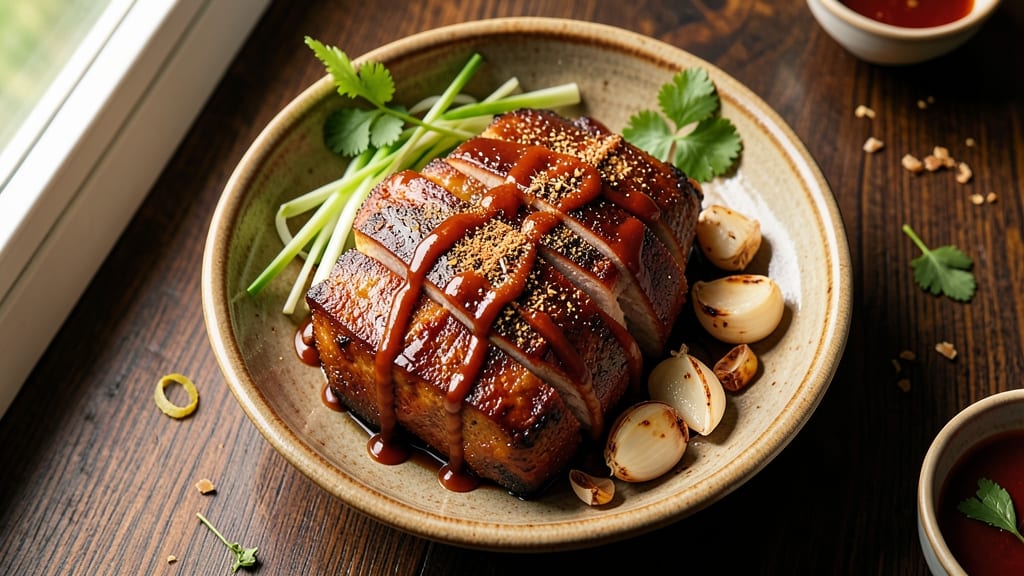
This Chinese pork roast recipe in the oven transforms tough pork shoulder into melt-in-your-mouth tender shreds with a fragrant five-spice crust. I first made this during a particularly busy week when I needed a dish that could simmer while I handled other tasks—it became an instant family favorite.
The secret lies in marinating overnight and slow-roasting until the meat practically falls apart.
The five-spice powder creates that signature aromatic crust while keeping the meat juicy inside. My grandmother used to make this for Sunday dinners, and I've refined her method to work perfectly in a home oven.
No special equipment needed—just patience and attention to the basting step. The result is a dish that tastes like it came from a dim sum cart but requires only one pan.
What you'll end up with is golden-brown pork that shreds easily, infused with warm cinnamon, star anise, and clove notes from the spice blend. The exterior develops a satisfying crunch while the interior remains moist and flavorful.
Serve with steamed rice and quick-pickled vegetables for a complete meal that feels both comforting and celebratory.
This recipe scales beautifully for gatherings, and leftovers reheat perfectly for sandwiches the next day. The key is letting the pork rest after roasting—this ensures every bite stays juicy. Here's how to make it happen in your own kitchen without the fuss of traditional braising methods.
Ingredients for chinese pork roast recipe oven
Six ingredients transform tough pork into melt-in-your-mouth shreds with a fragrant five-spice crust.
| Ingredient | Amount | Notes |
|---|---|---|
| Pork Shoulder 🐖 | 4 lb | Bone-in for flavor, cut into 2-inch chunks |
| Five-Spice Powder 🌶️ | 2 tbsp | Homemade or quality store-bought blend |
| Hoisin Sauce 🍶 | ½ cup | For marinade depth and sweetness |
| Soy Sauce 🍶 | ½ cup | Kosher salt-free preferred for balance |
| Brown Sugar 🍯 | ½ cup | Packed, for caramelized crust |
| Garlic Cloves 🧄 | 8 cloves | Minced, for aromatic base |
| Fresh Ginger 🌿 | 2 tbsp | Grated, for zesty brightness |
| Sesame Oil 🫒 | 1 tbsp | Toasted, for nutty aroma |
| Neutral Oil 🫒 | 2 tbsp | Avocado or vegetable oil |
| Cornstarch 🌾 | 2 tbsp | For crispy exterior |
| Honey 🍯 | 1 tbsp | For glaze and tenderness |
| White Wine 🍷 | ½ cup | Dry, for deglazing pan |
| Chicken Broth 💧 | 1 ½ cups | Low-sodium for flavor base |
| Green Onions 🧅 | 4 whole | Sliced, for fresh garnish |
The pork shoulder is non-negotiable—bone-in delivers richer flavor, and Costco or Whole Foods sell it pre-cut for convenience. Look for cuts with good marbling, as this fat renders during roasting to keep the meat juicy. If you can't find bone-in, substitute with pork butt (they're essentially the same cut). The five-spice powder is the soul of this dish; Penzeys or Spicewalla carry authentic blends, but any quality store-bought mix works. I always double-check the ingredients on the package—some brands include fillers that dilute the flavor. For the hoisin sauce, Lee Kum Kee is the gold standard, but any brand with no added sugar will do.
No five-spice powder? Mix 1 tsp each of cinnamon, star anise, clove, fennel, and Szechuan peppercorn—this is my grandmother's trick. Short on hoisin? Substitute with 3 tbsp soy sauce plus 1 tbsp brown sugar. The honey can be swapped for maple syrup if you prefer vegan-friendly options, though it won't caramelize as beautifully. For the wine, dry varieties like Pinot Grigio or Sauvignon Blanc work best—avoid sweet wines like Riesling. If you're avoiding alcohol, use extra chicken broth. The green onions can be omitted if you're serving this as a main course, but they add a lovely fresh finish to the dish.
This roast tastes even better the next day, so make a double batch if you're feeding a crowd. Store leftovers in an airtight container in the fridge for up to 5 days, or freeze for 3 months—the flavors deepen over time. To reheat, cover with foil and warm in a 300°F oven for 15-20 minutes. The pork shreds beautifully cold for sandwiches or fried rice. For extra crispiness, broil for 2-3 minutes before serving. The marinade keeps in the fridge for 3 days, so you can prep ahead without stress.
Why You'll Love This Recipe
- One-Pan Magic: I swear by this—just toss the pork shoulder on a tray, slather it with hoisin and soy, and let the oven do the work. No chopping, no fuss, and honestly? The five-spice powder makes it taste like you spent hours marinating.
- Sweet-Savory Boom: That caramelized crust from the brown sugar? Chef’s kiss. The hoisin adds depth, the five-spice gives it warmth, and the pork stays juicy—like a cross between a char siu and a slow-cooked dream.
- Leftovers That Win: I make this on Sundays and eat it all week. Cold slices in rice bowls? Yes. Sandwiches? Absolutely. Even my picky teenager grabs seconds. It’s the kind of dish that gets better the next day.
- Budget-Friendly Feast: Pork shoulder is cheap, but this tastes like a restaurant special. A single roast feeds six, and the sauce ingredients stretch across multiple meals. I’ll be real—it’s my go-to for gatherings without breaking the bank.
Step-by-step instructions for Chinese pork roast
Here's how to transform a simple pork shoulder into melt-in-your-mouth shreds with a crispy five-spice crust.
Marinate the Pork Shoulder for Maximum Flavor
In a large bowl, combine the 4 lb pork shoulder with 2 tbsp five-spice powder, 0.5 cup hoisin sauce, 0.5 cup soy sauce, 0.5 cup packed brown sugar, 8 minced garlic cloves, and 2 tbsp grated fresh ginger. Massage the mixture into the meat, coating every surface thoroughly. This ensures the five-spice blend penetrates deeply and develops complex flavors during the long cook.
Cover the bowl with plastic wrap and refrigerate for at least 4 hours (overnight is even better). The acidity from the hoisin and soy sauce will begin tenderizing the meat while the spices infuse. Real talk: this step makes the difference between good pork and spectacular pork. Don't skip it.
Build the Glaze and Prepare the Roasting Pan
In a small saucepan, combine 1.5 cups chicken broth, 0.5 cup white wine, 1 tbsp honey, and 1 tbsp toasted sesame oil. Bring to a simmer over medium heat and reduce by half—about 8-10 minutes—until thickened to a glaze consistency. This reduction intensifies the flavors and creates a sticky coating for the pork.
While the glaze reduces, preheat your oven to 325°F. Line a large roasting pan with heavy-duty aluminum foil and place a wire rack inside. This rack keeps the pork elevated for even browning on all sides. Pat the marinated pork dry with paper towels—this helps the crust form properly.
Roast Until Fork-Tender
Place the pork shoulder on the wire rack in the prepared pan. Roast uncovered for 3 hours, spooning the reduced glaze over the meat every 45 minutes. The pork is ready when it reaches 203°F internally and a knife slides in like butter with no resistance. I know it seems like forever, but patience here ensures tender, pull-apart perfection.
If the pork starts to brown too quickly, tent loosely with foil. You want that beautiful caramelized crust, but we're focusing on tenderness first. The residual heat after removal will help crisp the exterior.
Create the Crispy Exterior
Remove the pork from the oven and increase the temperature to 425°F. In a small bowl, whisk together 2 tbsp cornstarch and 2 tbsp neutral oil until smooth. Brush this mixture all over the pork, concentrating on the edges and fat cap. The cornstarch creates that signature crispy texture while the oil helps it brown.
Return the pork to the oven and roast for an additional 15-20 minutes until the exterior is deep golden brown and crispy. Watch carefully—it happens quickly at this high temperature. The contrast between the tender meat and crispy exterior is what makes this dish special.
Rest and Shred for Serving
Transfer the pork to a cutting board and let it rest for 15 minutes before shredding. This resting period allows the juices to redistribute throughout the meat. Use two forks to pull the pork apart against the grain, discarding any large fat pieces. The meat should shred easily into tender strands.
Serve immediately with the sliced 4 whole green onions sprinkled on top for freshness. The pork should be juicy, flavorful, and have that perfect balance of sweet, spicy, and umami notes from the marinade. Pair with steamed rice and your favorite stir-fried vegetables for a complete meal.
Pro Tips For Making Chinese Pork Roast Recipe Oven
- Trim the Fat First: Scoring the pork shoulder’s fat cap in a crosshatch pattern—about ½-inch deep—lets the five-spice powder and hoisin soak in instead of sliding off. I used to skip this, and my roast always tasted like it was missing half its flavor.
- Start Hot, Finish Slow: Sear the pork shoulder uncovered at 425°F (220°C) for 20 minutes to lock in juices, then drop to 300°F (150°C) and cover with foil. After burning through three batches, I learned this two-stage approach keeps the meat tender without drying it out.
- Don’t Drown the Spices: Five-spice powder needs oil to bloom—rub it directly onto the pork before adding hoisin or soy sauce. Mixing it into the sauce first just turns it into a flavorless dust floating in syrup.
- Save the Hoisin for Last: Brush on hoisin sauce only in the final 15 minutes of cooking. Applied too early, it burns and turns bitter—trust me, I’ve made this mistake. Keep a small bowl nearby and work fast.
Dietary considerations for this recipe
Gluten-Free Adaptations
This recipe is naturally gluten-free, but I always double-check the ingredients in my five-spice powder and hoisin sauce. Penzeys and Spicewalla both make certified gluten-free blends, and Lee Kum Kee hoisin is typically safe—just verify the label.
The soy sauce is the only potential concern, so I use gluten-free tamari instead of regular soy sauce when needed. The cornstarch coating can be swapped for arrowroot powder for a gluten-free alternative that still delivers crispiness. 🌾
Low-Sodium Options
For a lower-sodium version, reduce the soy sauce to ¼ cup and use low-sodium chicken broth. I also add an extra 1 tbsp honey to compensate for the salt reduction. The five-spice powder already provides depth without relying on sodium, so the flavor stays rich.
If you're avoiding soy entirely, substitute with coconut aminos—it has a slightly different profile but works in a pinch. 💧
Dairy-Free Considerations
This recipe is completely dairy-free, which is great for those with lactose sensitivities or vegan diets. The only dairy-like component might be butter, but I use neutral oil for basting.
For extra richness, you could add 1 tbsp coconut oil to the glaze, though it won't have the same flavor as butter. The dish relies on pork fat and hoisin for moisture, so no dairy substitutes are needed. 🥥
Allergen-Friendly Swaps
If you're avoiding sesame, simply omit the sesame oil from the glaze—it's more for aroma than structure. For nut allergies, ensure your five-spice powder doesn't contain ground nuts (some blends include them).
The cornstarch can be replaced with tapioca starch for a nut-free crispy coating. Always check labels on store-bought ingredients like hoisin and soy sauce for hidden allergens. 🌶️
Vegetarian Adaptations
While this recipe is meat-focused, you can create a vegetarian version using extra-firm tofu or mushrooms like portobello caps. Marinate the tofu in the same five-spice mixture and roast it using the same temperature and timing adjustments (it cooks faster than pork).
For mushrooms, slice them thickly and roast them until tender, then brush with the cornstarch glaze for crispiness. The texture won't be identical, but the flavors will shine. 🍄
Keto-Friendly Adjustments
To make this keto-friendly, reduce the brown sugar to 2 tbsp and increase the five-spice powder to 3 tbsp for more depth. Skip the honey entirely and use erythritol or monk fruit sweetener instead if you need sweetness.
The pork shoulder remains the star, and the reduced sugar keeps the dish low-carb while maintaining rich flavor. Serve with cauliflower rice instead of steamed rice for a fully keto meal. 🥩
Nutrition facts
Frequently asked questions
Can I use pork loin instead of pork shoulder for this recipe?
Pork loin is leaner and cooks faster, so it won't yield the same tender, pull-apart texture. For best results, stick with pork shoulder or pork butt—these cuts have more connective tissue that breaks down during the long roast. If you must use loin, reduce the cooking time to 2 hours at 325°F and skip the high-heat crisping step.
How do I know when the pork is fully cooked?
Use a meat thermometer to check the internal temperature—it should reach 203°F for perfectly tender pork. The meat will pull apart easily with two forks when done. If you don't have a thermometer, cut into a small piece: the juices should run clear, not pink, and the meat should be fork-tender.
Can I make this recipe without five-spice powder?
Mix 1 tsp each of cinnamon, star anise, clove, fennel seeds, and Szechuan peppercorn (if you can find it). Toast the whole spices lightly in a dry pan for 1 minute to enhance their aroma, then grind them into a powder. This homemade blend will give you that authentic warmth and depth.
What's the best way to reheat leftovers?
Cover the pork with foil and warm in a 300°F oven for 15-20 minutes until heated through. For extra crispiness, broil for 2-3 minutes at the end. Avoid microwaving—it makes the meat dry. Leftovers keep well in the fridge for 5 days or frozen for 3 months.
Why did my pork turn out dry?
Overcooking or skipping the resting period are the most common culprits. Always let the pork rest for 15 minutes before shredding—this lets juices redistribute. Also, avoid cutting into it too early. If using a leaner cut, baste more frequently with the glaze to keep it moist during roasting.