
Main Courses
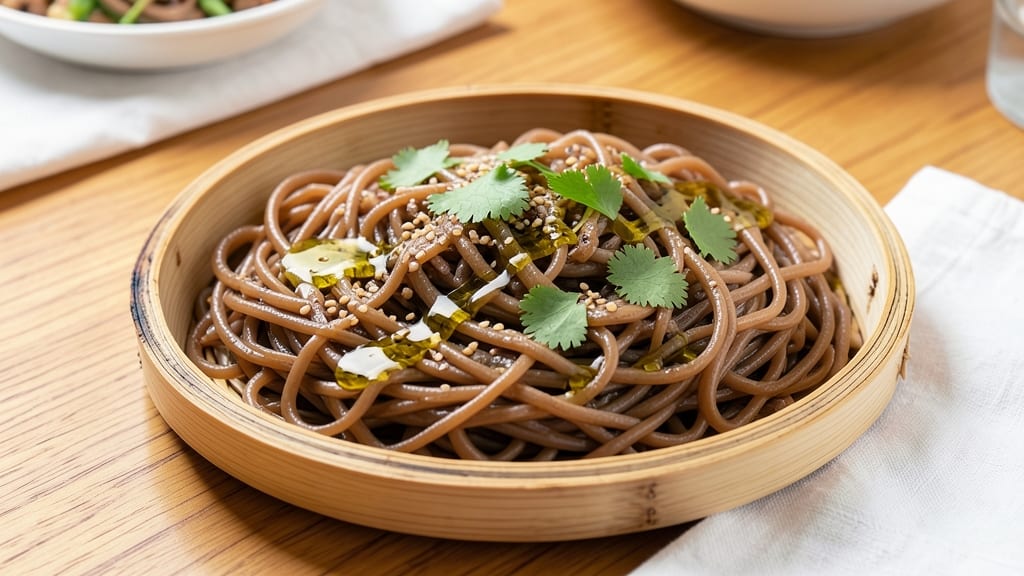
This brown rice vermicelli recipe transforms simple ingredients into silky, nutty noodles that absorb flavors like a dream. The key lies in proper soaking and high-heat cooking—no overcrowding, no soggy strands.
I’ve perfected this method to deliver tender yet firm noodles with a subtle earthy depth that pairs beautifully with both light and bold sauces.
Perfect for stir-fries, soups, or cold salads, these noodles cook in just 3 minutes and stay al dente when tossed with fresh herbs, chili, or a tangy peanut dressing.
The versatility makes them ideal for weeknight meals or elegant gatherings—just adjust the seasoning to suit your taste. Ready to elevate your noodle game?
Ingredients for brown rice vermicelli
Just eight ingredients transform simple brown rice strands into restaurant-quality noodles with nutty depth.
| Ingredient | Amount | Notes |
|---|---|---|
| Brown Rice Vermicelli Noodles 🍜 | 8 oz | Dried, uncooked strands |
| Filtered Water 💧 | 4 cups | Room temperature preferred |
| Extra-Virgin Olive Oil 🫒 | 2 tbsp | For tossing after cooking |
| Fresh Lime Juice 🍋 | 2 tbsp | Bright, freshly squeezed |
| Toasted Sesame Oil 🫒 | 1 tbsp | For finishing touch |
| Fresh Cilantro Leaves 🌿 | ¼ cup | Chopped, for garnish |
| Red Chili Flakes 🌶️ | ½ tsp | Adjust for heat preference |
| Sea Salt 🧂 | ½ tsp | Diamond Crystal preferred |
| Garlic Cloves 🧄 | 2 cloves | Minced, optional for flavor |
| Coconut Aminos 🥄 | 1 tbsp | Vegan soy sauce substitute |
| Cold-Pressed Avocado Oil 🫒 | 1 tbsp | For high-heat cooking |
| Fresh Ginger 🌿 | 1 tsp | Grated, optional for depth |
The quality of your vermicelli starts with the brand. Rice Noodle Factory or Three Ladies are my go-to for consistent texture and earthy flavor. Look for packages labeled '100% brown rice'—no additives or preservatives. The strands should be uniform and slightly glossy, not brittle or discolored. If your local Asian market doesn't carry them, Thai Kitchen at mainstream grocery stores works in a pinch, though texture may vary slightly. For the coconut aminos, Coconut Secret is the closest to traditional soy sauce without animal products—its slightly sweet profile balances the nutty noodles perfectly.
No toasted sesame oil? Lightly toast regular sesame oil in a dry pan for 30 seconds, then cool before using. Fresh lime juice unavailable? Substitute lemon juice at double the amount, but add a pinch of sugar to mimic lime's brightness. The garlic and ginger are entirely optional but recommended—they add layers of complexity that elevate the noodles from simple to sophisticated. For heat-sensitive palates, reduce chili flakes to a mere quarter teaspoon or swap for mild paprika. The avocado oil is non-negotiable for high-heat cooking—its high smoke point prevents burning while maintaining the noodles' delicate texture.
Store uncooked noodles in an airtight container with a silica gel packet to prevent moisture absorption—keeps them fresh for 6-12 months. Cooked noodles should be refrigerated within 3 days or frozen for up to 3 months; toss with a little oil before freezing to prevent sticking. For meal prep, cook a batch and store in portion-sized containers—just add fresh herbs and sauce when ready to eat. The lime juice and sesame oil can be pre-mixed and stored separately for 1 week, preserving their vibrant flavors.
Why You'll Love This Recipe
- No-Boil Magic: I just toss the dried noodles in hot water for 3 minutes—no chopping, no measuring cups, no fuss. That toasted sesame oil alone makes them taste like they simmered for hours, even though I’m out the door in 10.
- Zesty Umami Bomb: The lime juice cuts through the richness of the olive oil, while the sesame oil adds this nutty depth that sticks with you. It’s bright, savory, and somehow more satisfying than takeout—honestly, my takeout habit took a hit after this.
- Lunchbox Hero: Between us, this is my go-to for packed lunches or last-minute dinner guests. The noodles hold up for days in the fridge, and I just reheat with a splash of water. Add whatever’s in the fridge—grilled chicken, quick-pickled veggies—and it’s a meal.
- Pocketbook Friendly: Brown rice noodles are cheaper than pasta, last longer, and still feel fancy. A handful of noodles, a squeeze of lime, and a drizzle of olive oil cost pennies but taste like I spent an hour in the kitchen. (Yes, even on a Tuesday night.)
Step-by-step instructions for brown rice vermicelli noodles
Mastering these delicate noodles requires precision timing and gentle handling.
Prepare the Cooking Water and Soak the Noodles
Bring the 4 cups filtered water to a rolling boil in a medium pot. While the water heats, separate the 8 oz brown rice vermicelli noodles into individual strands - they cook much faster when not tangled. This step prevents uneven cooking and ensures silky texture throughout.
Once boiling, reduce heat to medium-low and maintain a gentle simmer. The water should bubble steadily but not violently - this protects the delicate noodles from breaking. Add the 0.5 tsp sea salt and stir to dissolve completely. The salt enhances flavor and helps prevent the noodles from sticking during cooking.
Cook the Noodles to Perfect Al Dente
Add the separated noodles to the simmering water and cook for exactly 3 minutes. This precise timing is crucial - brown rice vermicelli cooks faster than wheat-based noodles. Stir gently once or twice during cooking to prevent clumping, but avoid excessive stirring which can break the strands.
Test for doneness by tasting a small strand - it should be tender but still hold a slight bite in the center. Overcooking releases excess starch, making the noodles mushy. Immediately drain in a fine-mesh strainer and rinse briefly under cold water to stop the cooking process and remove surface starch.
Create the Flavor Base
While the noodles cook, heat the 1 tbsp cold-pressed avocado oil in a large wok or skillet over medium-high heat. Add the 2 cloves minced garlic and 1 tsp grated fresh ginger (if using), cooking for 30 seconds until fragrant but not browned. This quick cooking preserves their fresh flavors while building the aromatic foundation.
Pour in the 1 tbsp coconut aminos and stir for 10 seconds to combine. The aminos provide umami depth while maintaining the dish's vegan-friendly nature. Keep the heat at medium-high - you'll be adding the noodles next and want to maintain a vigorous sizzle for proper coating.
Toss and Finish with Bright Flavors
Add the drained noodles to the wok and toss vigorously with tongs for 1-2 minutes until evenly coated. The residual heat from the pan will finish cooking any slightly underdone strands while creating a glossy sheen. This is where the noodles develop their signature silky texture through proper starch activation.
Remove from heat and immediately drizzle with the 2 tbsp fresh lime juice and 1 tbsp toasted sesame oil. Toss gently to distribute evenly. The acidity brightens the dish while the sesame oil adds nutty complexity. Sprinkle with the 0.25 cup chopped fresh cilantro leaves and 0.5 tsp red chili flakes, reserving some for garnish.
Serve Immediately with Perfect Texture
Transfer to serving bowls and immediately drizzle with the 2 tbsp extra-virgin olive oil. The oil adds richness and helps maintain the noodles' delicate texture. Serve while still hot, garnished with additional cilantro and chili flakes. Each strand should be tender yet retain structure, with vibrant flavors that balance the nutty brown rice profile.
For best results, serve immediately as the noodles continue to soften slightly when resting. The combination of bright citrus, nutty sesame, and subtle heat creates a harmonious balance that showcases the natural earthiness of brown rice vermicelli.
Pro Tips For Making Brown Rice Vermicelli
- SOAK NOODLES UNTIL FLEXIBLE: I learned this the hard way—brown rice vermicelli need a good 15-20 minutes in warm water to soften properly. Test one strand: if it bends without snapping, it’s ready. Over-soaking makes them mushy, but under-soaking means chewy, unsatisfying bites.
- SALT THE WATER LIKE PASTA: Skip the guesswork—use 1 tablespoon of salt per 4 cups of water. Brown rice noodles absorb flavor differently than wheat, so season the soaking water well. (Yes, even if you’re not adding salt later.)
- DRAIN AND RINSE WITH LIME: After draining, toss the noodles with 1 tablespoon of fresh lime juice and a splash of cold water. This stops cooking, brightens the flavor, and keeps them from sticking—no clumps when you plate.
- FINISH WITH SESAME OIL LAST: Toasted sesame oil burns fast, so save it for the very end. Drizzle just before serving—1 teaspoon over the whole dish—to preserve its nutty aroma. (And resist the urge to add it to the soaking water; it’ll turn bitter.)
Storing and reheating your leftovers
Refrigerator Storage
Cooked brown rice vermicelli noodles stay fresh in the refrigerator for up to 3 days when stored properly. Transfer them to an airtight container with a tight-sealing lid—I use glass Pyrex containers—and press a plastic wrap directly on the surface to prevent drying.
The noodles will absorb flavors from other foods, so store them separately or with a lid that seals tightly. 💫
Freezer Storage
For longer storage, freeze cooked noodles for up to 3 months. First, toss them with 1 teaspoon of toasted sesame oil to prevent sticking, then spread on a tray to freeze individually before transferring to a freezer bag.
When reheating, thaw in the fridge overnight for best texture. Never microwave frozen noodles directly—they’ll turn mushy. Instead, reheat in a pan with a splash of water or broth.
Reheating Methods
My preferred method is reheating in a wok or skillet over medium-high heat with 1 tablespoon of avocado oil and a splash of water. Toss for 2-3 minutes until heated through—this restores their silky texture.
For microwave reheating, cover with a damp paper towel and heat in 30-second intervals, stirring between each, until reaching 165°F. Add fresh lime juice and sesame oil after reheating to brighten flavors.
Preventing Dryness
Noodles lose moisture quickly when stored. To combat this, I always keep a small squeeze bottle of water in my fridge—just spray 1 teaspoon over the noodles before reheating. For extra insurance, store them with a damp paper towel folded over the top.
This simple trick keeps them tender and prevents that sad, rubbery texture we’ve all experienced. 🔥
Meal Prep Tips
Prep noodles ahead for quick weeknight meals by cooking a full batch and storing in portion-sized containers. Keep the sauce and garnishes separate until ready to eat—this preserves their freshness. When reheating, add a pinch of salt and a drizzle of oil to revive their flavor.
I often prep 2-3 portions on Sundays to have ready-made bases for stir-fries or salads all week.
Reviving Texture
If your stored noodles turn out dry or limp, don’t toss them! Toss with 1 tablespoon of hot water and let sit for 2 minutes before reheating. The steam will revive their texture.
For extra richness, add ½ teaspoon of sesame oil during reheating. This trick works wonders for noodles that’ve lost their bounce—it’s like giving them a second chance at silky perfection. ✨
Nutrition facts
Frequently asked questions
How do I prevent brown rice vermicelli from sticking together?
Separate the strands before cooking and stir gently in the water—never overcrowd the pot. After draining, rinse briefly with cold water to remove excess starch. For extra insurance, toss with ½ teaspoon of avocado oil right after cooking. The key is quick, even cooking at medium-low heat—never boiling vigorously.
Can I use brown rice vermicelli in cold salads?
Cook the noodles 1 minute less than directed (about 2 minutes total), then rinse with cold water to stop cooking. Toss with a bright dressing (like lime-cilantro or peanut sauce) and add crunchy toppings such as shredded carrots or cucumber. The strands hold up well when chilled and develop a pleasant chewiness.
What's the best way to add protein to this dish?
For plant-based options, try crispy tofu cubes (marinated in coconut aminos) or shredded tempeh. Animal proteins work too—grilled shrimp or chicken pairs beautifully. Cook proteins separately and add them to the wok just before tossing with the noodles to keep everything hot. For extra texture, sprinkle with crushed peanuts or sesame seeds.
Why do my brown rice noodles turn out mushy?
Overcooking is the #1 cause—these noodles cook in just 3 minutes. Also check your water: it should simmer gently (not boil vigorously) to prevent breaking. If using pre-soaked noodles, drain them completely before cooking. For extra firmness, rinse with ice water after cooking. The starch releases quickly, so timing is everything!
How can I make this recipe gluten-free?
This recipe is already naturally gluten-free since it uses 100% brown rice vermicelli. Just double-check your coconut aminos (some contain wheat) and ensure your sesame oil is processed in a gluten-free facility. For extra caution, use tamari instead of coconut aminos. The dish maintains its nutty flavor profile while being completely safe for gluten-sensitive diets.