
Main Courses
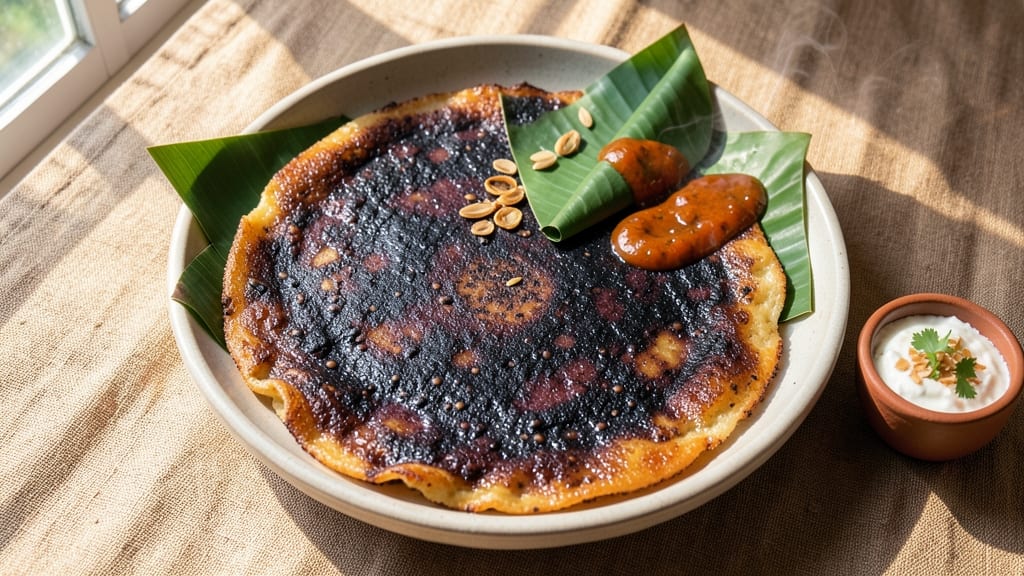
This black rice dosa recipe transforms traditional dosas with its deep purple hue and nutty depth from fermented black rice. The secret lies in balancing the earthy flavor of black rice with crispy edges and tender centers—achieved through precise batter preparation and controlled heat.
What makes this version special is the nutritional boost from black rice's anthocyanins, which add vibrant color and antioxidant benefits.
Unlike regular dosas, this recipe requires a slightly longer fermentation time to develop the nutty depth while maintaining a crispy texture. The batter's unique purple color not only looks stunning but also signals the presence of powerful antioxidants.
Serve with coconut chutney or sambar for an authentic South Indian experience that's both visually striking and packed with flavor.
Ingredients for black rice dosa
Purple-hued black rice meets crispy dosa perfection with these 12 vibrant ingredients.
| Ingredient | Amount | Notes |
|---|---|---|
| Black Rice 🌾 | 1 cup | Uncooked, rinsed thoroughly |
| White Rice 🌾 | ½ cup | Uncooked, long-grain preferred |
| Urad Dal 🌱 | ½ cup | Split, rinsed well |
| Water 💧 | 3 ½ cups | Filtered preferred |
| Rice Flour 🌾 | ½ cup | Fine texture, for crispiness |
| Salt 🧂 | 1 tsp | Fine sea salt preferred |
| Black Salt 🧂 | ¼ tsp | Kala namak, for flavor |
| Asafoetida 🌿 | ⅛ tsp | Pinch, crushed seeds |
| Fresh Cilantro 🌿 | ¼ cup | Chopped, stems removed |
| Fresh Ginger 🧄 | 1 tbsp | Grated, fresh preferred |
| Coconut Oil 🫒 | 3 tbsp | Unrefined for flavor |
| Coconut Chutney 🥥 | ½ cup | Homemade or store-bought |
Black rice is the star here—look for whole-grain, unpolished black rice at Indian specialty stores or health food markets like Whole Foods. The anthocyanins give it that deep purple color and antioxidant punch. Urad dal should be split and rinsed thoroughly to remove bitterness. For rice flour, Bob's Red Mill is a reliable brand—it gives that signature crispy texture. Fresh ginger and cilantro are non-negotiable for authentic flavor, so grab them at the market if possible. The asafoetida (hing) might be tricky to find, but Indian grocery stores always stock it.
No black rice? Substitute with purple sweet potato for color, but the flavor will differ. Urad dal hard to find? Moong dal works in a pinch—just increase the amount by 20%. Coconut oil can be swapped for vegetable oil, though the flavor won't be as rich. Fresh cilantro missing? Dried cilantro at half the amount gets you close. The black salt (kala namak) adds a unique sulfuric note—omit if unavailable, but your dosas will taste less authentic. For the chutney, homemade is best, but store-bought brands like Gowri work in a bind.
The batter ferments best in a warm spot for 8-12 hours. Store any leftover batter in an airtight container in the fridge for up to 2 days. Freshly made dosas are crispier, but reheated ones still taste great. The black rice batter keeps its vibrant color for 3-4 days in the fridge, making it perfect for meal prep. Freeze any unused batter in ice cube trays for quick dosas later—just thaw and cook.
Why You'll Love This Recipe
- No Soaking Hassle: The black rice and urad dal soak overnight—but honestly, that’s the only waiting. Once you blend and ferment, it’s smooth sailing. No last-minute chopping, no fussy prep—just mix, rest, and cook.
- Earthy Nutty Magic: That deep purple-black color? It’s not just pretty—it’s packed with a toasty, almost caramelized flavor from the black rice. The urad dal adds a creamy bite, and the crispy edges? Total reward for flipping once.
- Meal Prep MVP: Fermented batter keeps for days in the fridge, so I make a big batch and use it for breakfasts, lunches, or even a quick snack. Double up: use half for dosas, save the rest for idlis or pancakes later.
- Budget Breakthrough: Black rice is pricier, but a little goes a long way—mixing it with white rice stretches it perfectly. Urad dal’s cheap, and the batter’s efficient. Feed four for under $5, and you’ll still feel like you’re dining out.
Step-by-step instructions for black rice dosa
Here's how to create crispy, nutty black rice dosas with perfect fermentation and golden edges.
Soak and Grind the Batter Base
Combine the 1 cup black rice, 0.5 cup white rice, and 0.5 cup urad dal in a large bowl. Add 3.5 cups water and let soak for 6-8 hours or overnight. The rice and dal should absorb water and become soft but not mushy—this ensures proper fermentation later.
After soaking, drain any excess water and transfer the mixture to a wet grinder or food processor. Grind gradually, adding small amounts of water as needed, until you achieve a smooth, thin batter consistency similar to crepe batter. The batter should be slightly thicker than dosa batter but still pourable. Avoid over-grinding, which can make the dosas dense.
Ferment the Batter Overnight
Transfer the ground batter to a clean, wide-mouthed container. Add 1 tsp salt, 0.25 tsp black salt, and 0.125 tsp asafoetida, mixing well to combine. Cover the container loosely with a cloth or lid and let ferment at room temperature for 8-12 hours. The ideal fermentation time is when small bubbles form on the surface and the batter develops a slightly tangy aroma.
I recommend fermenting in a warm spot—like near a turned-off oven with the light on—to speed up the process without over-fermenting. Over-fermented batter will taste sour and yield thick, dense dosas. If the batter ferments too quickly (in under 6 hours), place it in the refrigerator to slow fermentation.
Prepare the Dosa Mix and Rest
Once fermented, add the 0.5 cup rice flour, 0.25 cup chopped cilantro, and 1 tbsp grated ginger to the batter. Mix gently but thoroughly to distribute the ingredients evenly. The rice flour will give your dosas that signature crispy texture. Let the batter rest for 30 minutes at room temperature—this allows the flour to hydrate fully and the batter to reach the perfect consistency.
If the batter feels too thick after resting, thin it with 1-2 tablespoons of water until it flows easily when poured. The ideal consistency is like heavy cream—thin enough to spread smoothly but thick enough to hold its shape when poured onto the dosa pan.
Cook the Dosas on a Hot Griddle
Heat a dosa pan or non-stick skillet over medium-high heat and lightly grease with 1 tbsp coconut oil. Pour a ladleful of batter (about ¼ cup) onto the center of the pan, tilting it to spread the batter into a thin, even circle. Immediately drizzle ½ tbsp coconut oil around the edges of the dosa.
Cook for 1-2 minutes until the edges turn golden brown and crispy, then flip carefully using a spatula. Press down gently on the dosa during the first minute to ensure even contact with the pan. Cook the other side for another 1-2 minutes until golden brown and crispy. Serve immediately with 0.5 cup coconut chutney for dipping.
Serve Warm with Coconut Chutney
Stack the freshly cooked dosas on a warm plate and drizzle with a little more coconut chutney if desired. The dosas should have a beautiful purple hue from the black rice, crispy edges, and a soft, slightly chewy center. Serve immediately while hot—dosas lose their crispiness as they cool.
For best results, make a fresh batch of dosas and serve with additional chutney on the side. The contrast of the nutty, earthy black rice flavor with the cool, creamy coconut chutney makes every bite unforgettable. Enjoy your homemade black rice dosas with a side of sambar or avial for a complete South Indian meal.
Pro Tips For Making Black Rice Dosa
- SOAK BLACK RICE 8 HOURS: I learned this the hard way—skipping the extra soak time leaves black rice stubbornly chewy. Split the soak: 4 hours in cold water, then switch to warm water for the last 4. This breaks down the tough bran without turning your batter into mush.
- GRIND URAD DAL COLD: After burning three batches of urad dal, I finally figured out: heat builds up fast. Grind the dal in batches with just enough water to make a thick paste—no extra liquid—and keep the grinder on low. The goal is a smooth, lump-free batter, not a hot mess.
- REST BATTER 12 HOURS: This isn’t the prettiest method, but it’s the tastiest. After mixing, let the batter sit in the fridge overnight. The black rice absorbs flavors better, and the texture becomes silky—no more gummy dosas. (Yes, even if you’re impatient like me.)
- USE LESS RICE FLOUR: I skip this when I’m lazy, but the dish is noticeably better when I don’t. Rice flour makes dosas crispy, but it dries out the batter fast. Swap half for extra urad dal batter if you want chewiness, or just reduce it by 20%. The difference in crispness is real.
Creative variations of this black rice dosa
Nutty Sweet Variations
Add 1 tbsp jaggery or 1 tsp brown sugar to the batter before fermentation for a subtle sweetness that complements the earthy black rice. This works beautifully with a drizzle of date syrup after cooking—just brush ½ tsp on warm dosas for a caramelized finish. 🌟
Spicy Kick Options
For heat lovers, mix ½ tsp red chili powder or 1 tsp green chili paste into the batter. Top with finely chopped jalapeños or a sprinkle of chaat masala before serving. The black rice's deep flavor holds up perfectly to spicy toppings.
Savory Cheese Twist
Stir ¼ cup crumbled paneer or feta cheese into the batter for a protein boost. Cook as usual, but press down firmly during the first minute to ensure the cheese melts slightly. Serve with mint chutney instead of coconut for a modern fusion twist.
Herb-Infused Freshness
Add 2 tbsp finely chopped mint leaves or 1 tbsp coriander seeds (toasted and ground) to the batter for a fragrant twist. The herbs brighten the earthy black rice flavor while adding freshness. Garnish with extra herbs before serving for a vibrant presentation.
Global Fusion Adaptations
Transform this into a Mediterranean-style dosa by adding 1 tbsp olive oil to the batter and topping with sun-dried tomatoes and feta crumbles. For a Mexican-inspired version, mix in ½ tsp cumin powder and serve with avocado slices and lime wedges.
Sweet Breakfast Dosa
Skip the salt entirely and add 1 tsp vanilla extract and 2 tbsp grated apple to the batter. Cook as usual, then serve with a drizzle of honey and a sprinkle of cinnamon. This makes a stunning brunch option that keeps the crispy texture while adding sweetness.
Nutrition facts
Frequently asked questions
Why does black rice dosa have a purple color?
The deep purple hue comes from the anthocyanins in black rice—powerful antioxidants that give it both color and nutritional benefits. These compounds are also present in blueberries and eggplants, but black rice contains them in especially high concentrations. The color intensifies as the batter ferments, making your dosas not just delicious but visually stunning!
Can I make black rice dosa without a wet grinder?
Yes! If you don't have a wet grinder, use a high-powered blender or food processor. Process the soaked ingredients in batches, adding just enough water to create a smooth batter. For extra crispiness, let the batter rest for 10 extra minutes after grinding to help the rice flour hydrate properly. The texture might be slightly less smooth, but still delicious!
How do I know when the batter is properly fermented?
Look for these signs: small bubbles on the surface, a slightly tangy aroma, and the batter should feel 20-30% lighter when you stir it. If it smells overly sour or has a strong alcohol odor, it's over-fermented. For perfect fermentation, keep the batter in a warm spot (like near your oven with the light on) for 8-12 hours.
Can I make black rice dosa gluten-free?
Simply substitute the rice flour with 1 cup gluten-free all-purpose flour or ½ cup tapioca starch. The batter will still crisp up beautifully. For extra binding power, add 1 tbsp ground flaxseed mixed with 3 tbsp water to the batter. The flavor remains authentic while being completely gluten-free.
What's the best way to reheat leftover black rice dosas?
For crispy reheating, place dosas on a dry skillet over medium heat for 1-2 minutes per side. For softer reheating, wrap dosas in a damp paper towel and microwave for 20-30 seconds**. Never reheat in water—it makes them soggy! The best solution is to cook fresh batches, but reheating works for quick meals.