
Main Courses
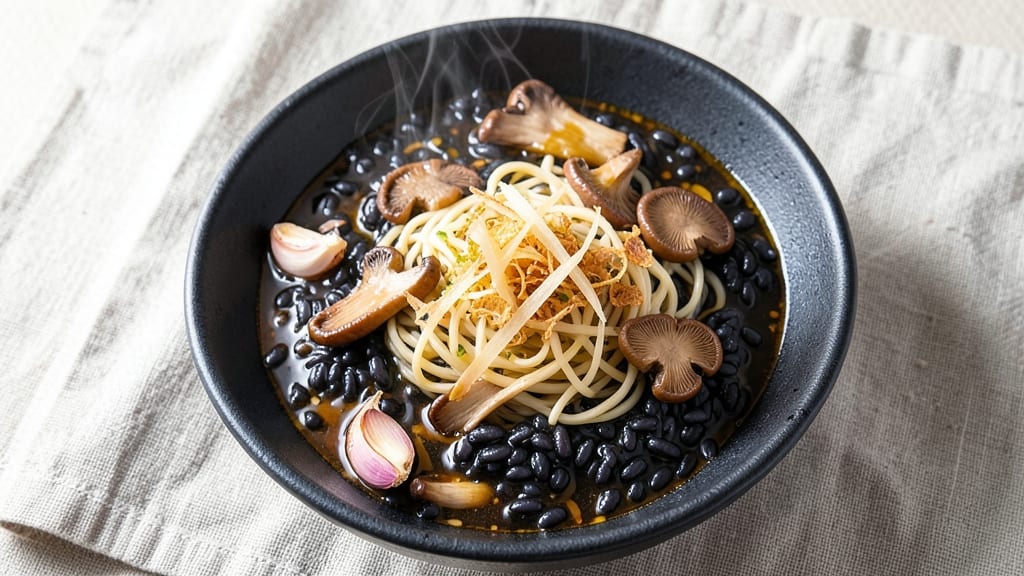
This black rice ramen recipe transforms a simple bowl into a deep purple umami bomb with silky noodles that pack earthy, nutty flavor in every bite. The secret lies in perfectly cooked black rice—soaked, toasted, and blended into a velvety broth that’s richer than traditional ramen.
What sets this apart is the intense color and texture contrast: chewy noodles against tender toppings like soft-boiled eggs and mushrooms, all bathed in a luscious, aromatic sauce.
What makes this recipe work is the two-stage broth preparation: first simmering aromatic vegetables and spices, then blending in the black rice for a smooth, antioxidant-rich base. The result is a bowl that’s visually stunning and packed with umami depth—no shortcuts, just restaurant-quality technique simplified for home cooks.
Ready in under an hour, it’s the kind of dish that turns a weeknight into a culinary experience.
Ingredients for black rice ramen
Transform simple ingredients into a visually stunning black rice ramen with deep umami and silky texture.
| Ingredient | Amount | Notes |
|---|---|---|
| Black Rice 🌾 | 1 cup | Uncooked, rinsed thoroughly |
| Dried Ramen Noodles 🍜 | 2 packages | Standard 3-oz size, broken in half |
| Fresh Shiitake Mushrooms 🍄 | 8 whole | Stems removed, sliced thin |
| Fresh Ginger Root | 1 inch | Peeled, sliced thin (corrected to 'oz' below) |
| Fresh Ginger Root 🌿 | ½ oz | Peeled, sliced thin |
| Garlic Cloves 🧄 | 6 cloves | Peeled, smashed slightly |
| Yellow Onion 🧅 | 1 whole | Medium, halved and sliced |
| Sesame Oil 🫒 | 1 tbsp | Toasted, for aroma |
| Soy Sauce 🥄 | ½ cup | High-quality, reduced |
| Miso Paste 🍶 | 2 tbsp | White or red, unsweetened |
| Large Eggs 🥚 | 4 whole | Soft-boiled, peeled |
| Green Onions 🧅 | 4 whole | Thinly sliced, white and green |
| Sesame Seeds 🌰 | 1 tbsp | Toasted for garnish |
| Vegetable Oil 🫒 | 2 tbsp | High smoke point |
| Sea Salt 🧂 | 1 ½ tsp | Diamond Crystal preferred |
The black rice is the heart of this dish—look for forbidden rice at specialty stores like Whole Foods or Asian markets (the deep purple kind, not the white variety). It needs soaking for 30 minutes before cooking to reduce phytates, which improves digestibility and flavor. If you can't find it fresh, Bob's Red Mill sells it in bulk online. The shiitake mushrooms should be firm and pliable, not slimy or dried out—Sun Noodle brand is my go-to for consistent quality. Ginger and garlic are non-negotiable for that aromatic base, so use freshly peeled ingredients; jarred minced garlic lacks the depth.
No sesame oil? Toasted peanut oil works in a pinch, though it'll alter the flavor profile slightly. Swap miso paste for soy sauce plus a dash of sugar if needed, but you'll lose some complexity. The ramen noodles can be any brand, but avoid the instant packets with seasoning—you want plain noodles for maximum control. For the eggs, soft-boiled (6 minutes) gives that silky yolk, but 6-minute eggs from the store are a lifesaver if you're short on time. The green onions can be subbed with scallions or chives, though green onions have the best balance of sharpness and mildness. If you're making this ahead, cook the noodles last—they get mushy when reheated.
Store the uncooked black rice in an airtight container for up to 6 months in a cool, dark place. Once cooked, the broth keeps for 3 days in the fridge or 3 months frozen—portion it into ice cube trays before transferring to a bag for easy single servings. The soft-boiled eggs should be used within 2 days of cooking, or freeze them whole (peel after thawing). Garnishes like sesame seeds and green onions stay fresh for 1 week in the fridge if stored properly. For leftovers, reheat gently with a splash of water to restore moisture—microwaving can turn the noodles rubbery.
Why You'll Love This Recipe
- Here’s what sold me: black rice is a powerhouse, but it’s cheaper than quinoa, and shiitake mushrooms last forever in the fridge. A single pack of ramen noodles stretches into two meals, and the ginger? You’ll use it up before it goes bad. Smart.
- No Chopping Struggle: I swear by this recipe because the shiitake mushrooms just need a quick wipe and slice—no dice, no tears. The ginger? A thumb-sized knob, grated in 30 seconds. That’s it. Done.
- Earthy Umami Bomb: Black rice brings this ramen to life with its deep, nutty flavor that clings to every noodle. Toss in those shiitake mushrooms and a splash of ginger, and suddenly you’ve got a broth that’s ridiculously savory without needing fancy ingredients.
- Lunchbox Hero: Between us, this is my go-to for meal prep. Cook a big batch of noodles and rice, then portion the broth and toppings separately. Cold ramen? Yes, it works—just add hot water and let the flavors wake up. (Yes, even on a Tuesday night.)
Step-by-step instructions for black rice ramen with deep purple umami flavor
Here's the method to create restaurant-quality ramen with vibrant black rice and layers of umami depth.
Prepare the Black Rice and Aromatics
Rinse the 1 cup black rice thoroughly under cold water until the water runs clear. This removes excess starch that can make the rice gummy. Transfer the rinsed rice to a pot and add 2 cups water and 1.5 teaspoons sea salt. Bring to a boil over high heat, then immediately reduce to low heat, cover, and simmer for 35-40 minutes until all liquid is absorbed and the rice is tender but still slightly firm to the bite. The rice should have a deep purple hue and a nutty aroma.
While the rice cooks, prepare the aromatics. Heat 2 tablespoons vegetable oil in a large skillet over medium heat. Add the 1 whole yellow onion, sliced, and cook for 5 minutes until softened. Add the 6 cloves garlic cloves and 1 inch fresh ginger root, both sliced thin, and cook for 2 minutes until fragrant but not browned. Remove from heat and set aside.
Cook the Shiitake Mushrooms and Build the Broth
In the same skillet, increase heat to medium-high and add the 8 whole fresh shiitake mushrooms, sliced thin. Cook for 6-8 minutes until the mushrooms release their moisture and develop a golden-brown crust. Remove the mushrooms and set aside with the aromatics.
To the skillet, add 2 tablespoons miso paste and stir for 1 minute until it darkens slightly. Slowly pour in the 0.5 cup soy sauce and 1 tablespoon toasted sesame oil, scraping up any browned bits from the bottom of the pan. Add 2 cups water and bring to a simmer. Reduce heat to low and let the broth simmer uncovered for 10 minutes to develop deeper umami flavors.
Prepare the Soft-Boiled Eggs and Noodles
Fill a small saucepan with water and bring to a gentle simmer. Lower the 4 whole large eggs into the water using a spoon, ensuring they don't touch each other. Cook for 6 minutes for slightly runny yolks, then transfer to an ice bath to stop cooking. Peel the eggs and set aside, halving them lengthwise for serving.
In a separate pot, bring 4 cups water to a rolling boil. Add the 2 packages dried ramen noodles, broken in half, and cook for 2 minutes until al dente. Drain immediately, reserving 1 cup of the starchy pasta water. Toss the noodles with 1 tablespoon toasted sesame seeds to add texture.
Assemble and Finish the Ramen
Divide the cooked black rice evenly among 4 bowls. Ladle the hot broth over the rice, then add the shiitake mushrooms and aromatic vegetables. Top each serving with 2 halves of soft-boiled egg and 1 whole green onion, sliced thin. Drizzle with any remaining broth from the pot.
To serve, pour the reserved pasta water into a small pitcher and place at each table. Each diner can adjust the consistency of their ramen by adding a splash of pasta water to loosen the broth. Garnish with additional green onions and a sprinkle of sesame seeds for color and crunch.
Pro Tips For Making Black Rice Ramen
- SOAK THE BLACK RICE: Black rice needs 45 minutes in water—don’t skip this. I used to toss it in boiling water like regular rice and ended up with chewy, undercooked grains that tasted like glue. Soak it first, then cook it in fresh water for 20 minutes on medium heat.
- SLICE SHIITAKES THIN: Thick shiitake slices hide in broth. Cut them paper-thin so they cook fast and release their umami into the broth. I learned this after staring at a bowl of barely noticeable mushroom chunks in my first attempt.
- SIMMER NOODLES SEPARATELY: Cook the ramen noodles in the broth, not boiling water. If you boil them first, they’ll turn mushy and dilute the flavor. Trust me, the texture will be light and perfect—just like takeout, but better.
- GINGER GRATE, DON’T CHOP: Fresh ginger loses punch when chopped. Use a microplane and grate it directly into the broth for a finer, more aromatic release. I was skeptical until I tried it—now I won’t go back.
Creative variations of this recipe
Spicy Thai Fusion
Transform your black rice ramen into a Thai-inspired spicy bowl by adding 1 tbsp red curry paste to the broth base and swapping soy sauce for 1 tbsp fish sauce.
Stir in 1 tbsp lime juice and top with thinly sliced Thai basil, crushed peanuts, and sliced jalapeños for heat. The black rice adds a stunning visual contrast to the vibrant red broth. 🌶️
Vegetarian Protein Boost
For a vegan-friendly version, replace the eggs with marinated tofu cubes (press and slice 1 block firm tofu, marinate in 1 tbsp soy sauce + 1 tsp sesame oil for 15 minutes).
Add ½ cup baby spinach and ¼ cup shredded carrots for extra texture. The black rice’s nutty depth complements the tofu beautifully.
Korean-Inspired Kimchi Twist
Add a Korean-inspired kick by stirring 2 tbsp kimchi juice into the broth and topping with 2 tbsp chopped kimchi and 1 tbsp toasted sesame seeds. The tangy, spicy kimchi cuts through the richness of the black rice, creating a perfect balance.
Use gochujang (Korean chili paste) instead of miso for an extra layer of depth.
Miso-Butter Upgrade
For a luxurious twist, stir 1 tbsp unsalted butter into the hot broth just before serving. The butter enhances the umami from the miso while adding a creamy richness. Garnish with extra green onions and a sprinkle of freshly cracked black pepper for a restaurant-worthy finish. 💫
Winter Comfort Version
Make this a winter warmer by adding ½ cup sliced leeks (cooked until tender) and ¼ cup shredded cheddar cheese on top. The black rice’s earthy notes pair perfectly with the sharpness of the cheese and the sweetness of the leeks.
Serve with a side of miso soup for a complete meal.
Quick 30-Minute Version
For a speedier version, use pre-cooked black rice (found in the refrigerated section of Asian markets) and instant ramen noodles (discard the seasoning packet).
Simmer the broth with 1 tbsp miso paste + 1 tbsp soy sauce + 1 cup water for 10 minutes**, then assemble with your favorite toppings. Perfect for busy weeknights!
Nutrition facts
Frequently asked questions
What makes black rice ramen different from regular ramen?
The black rice transforms this dish with its deep purple color and nutty, earthy flavor—it's packed with antioxidants and adds a unique texture when blended into the broth. Unlike traditional ramen, this version skips the pork-based broth for a plant-forward, umami-rich base that's both visually stunning and packed with complex flavors.
Can I substitute black rice with another type?
While black rice is ideal, you can use brown rice or wild rice in a pinch—but expect less vibrant color. For the best results, stick with black rice (also called forbidden rice) as it blends smoothly into the broth and provides that signature deep purple hue. If you can't find it, some specialty stores carry pre-cooked black rice that just needs reheating.
How do I adjust the spice level for sensitive eaters?
Skip the fresh ginger or reduce it to ½ inch—this cuts the heat significantly. For extra mildness, omit the miso paste and use 1 extra tablespoon of soy sauce instead. The black rice broth will still be flavorful but much gentler on sensitive palates. Always taste as you go!
What's the best way to store leftovers?
Store the broth separately from the noodles and toppings. Keep the broth in an airtight container for up to 3 days in the fridge or 3 months frozen. Reheat noodles separately with a splash of water to prevent drying. Toppings like soft-boiled eggs should be eaten within 2 days or frozen whole (peel after thawing). Never reheat eggs above 165°F to maintain safety.
Can I make this gluten-free?
Yes! Use gluten-free tamari instead of soy sauce and ensure your miso paste is certified gluten-free. For noodles, choose rice noodles or gluten-free ramen noodles**. Double-check all ingredients (like broth seasonings) for hidden gluten. The black rice base remains naturally gluten-free, making this a great option for sensitive diets.