
Side Dishes
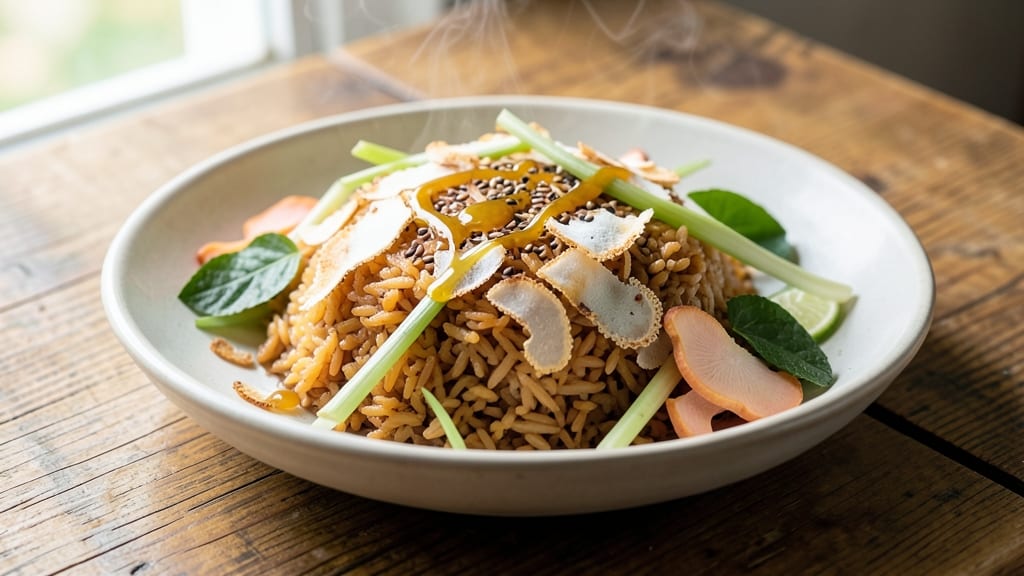
This Thailand rice recipe transforms simple jasmine grains into a fragrant, toasted coconut masterpiece that captures the essence of Thai cuisine. The secret lies in perfectly balanced aromatics—ginger, lemongrass, and kaffir lime—that infuse the rice with layers of flavor while keeping it light and fluffy.
I developed this method after years of experimenting with Thai home-style cooking, where rice isn't just a side but the star of the meal.
The process begins with toasting whole spices in coconut oil, creating a nutty, aromatic base that forms the foundation of the dish. Jasmine rice absorbs the flavors beautifully, while toasted coconut flakes add a satisfying crunch that elevates every bite.
This recipe delivers restaurant-quality results with just 30 minutes of active time, making it perfect for weeknight dinners or special occasions.
What you'll achieve is fragrant, golden rice with pockets of toasted coconut that provide both texture and depth. The aroma alone will transport you to a bustling Thai street market, while the flavor profile balances sweet, savory, and slightly tangy notes.
Each grain remains distinct yet cohesive, creating a dish that's as impressive to serve as it is delicious to eat.
Serve this coconut rice alongside grilled meats, curries, or fresh herbs for a complete Thai-inspired meal. The recipe easily scales for gatherings, and leftovers reheat beautifully while maintaining their texture and flavor. Let's create this fragrant centerpiece for your table.
Ingredients for thailand rice
Jasmine rice, toasted coconut, and aromatic spices transform into fragrant golden grains perfect for Thai-inspired meals.
| Ingredient | Amount | Notes |
|---|---|---|
| Jasmine Rice 🍚 | 1 ½ cups | Uncooked, long grain preferred |
| Toasted Coconut Flakes 🥥 | ½ cup | Sweetened or unsweetened, lightly toasted |
| Coconut Oil 🫒 | ⅓ cup | Refined or virgin, for toasting |
| Fresh Lemongrass 🌿 | 1 whole | Stem only, bruised for flavor |
| Fresh Ginger 🧄 | 2 tbsp | Finely grated, aromatic |
| Kaffir Lime Leaves 🍋 | 2 whole | Fresh, thinly sliced |
| Garlic Cloves 🧄 | 4 cloves | Minced, for aromatic base |
| Fish Sauce 🍶 | 1 tbsp | Red Boat preferred |
| Palm Sugar 🍯 | 1 tbsp | Brown sugar substitute |
| Vegetable Broth 💧 | 1 ½ cups | Low-sodium preferred |
| Salt 🧂 | ½ tsp | Sea salt for seasoning |
| Black Pepper 🌶️ | ¼ tsp | Freshly ground for heat |
| Lime Juice 🍋 | 1 tbsp | Freshly squeezed |
The jasmine rice is the star here—Thai Kitchen brand or any long-grain jasmine works perfectly. For the lemongrass and kaffir lime leaves, Asian markets are your best bet—they'll have fresh stalks and bundles. If you can't find kaffir lime leaves, double the lime zest and add 1 tsp lime leaf extract (trust me, it works). Palm sugar can be swapped for brown sugar in a pinch, but it adds that authentic Thai touch. Toasting the coconut flakes in a dry pan for 2-3 minutes brings out their nutty aroma—don't skip this step, it's what makes this dish special.
No lemongrass? Substitute 1 tbsp lemongrass paste or even 2 tbsp lime zest if you're desperate. Fresh ginger is ideal, but 2 tsp ground ginger works in a pinch. The fish sauce is non-negotiable for that umami depth—Red Boat brand is widely available and top-tier. If you're avoiding fish sauce, soy sauce plus a pinch of sugar gets you close. For the coconut oil, any neutral oil works if you're out, but coconut oil gives that authentic flavor. And if you can't find toasted coconut flakes, toast regular flakes yourself—it's worth the extra minute.
This rice reheats beautifully—just add a splash of water and cover for 5 minutes. Keeps for 4-5 days in the fridge, though I always make extra because it disappears fast. For leftovers, freeze portions in airtight containers for up to 3 months. The coconut flakes can separate, so stir them back in before serving. Pairs perfectly with grilled chicken or shrimp for a complete Thai feast.
Why You'll Love This Recipe
- No Chopping Chaos: I’ll be real—this recipe only needs two things chopped: ginger and lemongrass, and even then, you can use pre-minced if you’re in a rush. The rest? Just measure, pour, and let the rice do its magic. That crispy coconut crunch on top? Zero effort, all flavor.
- Aromatic Magic: Between the toasted coconut flakes, coconut oil’s buttery warmth, and that bright lemongrass-ginger punch, every bite tastes like a vacation. The rice stays fragrant for days, and honestly? It’s the kind of smell that makes your whole kitchen feel like a Thai street market.
- Lunchbox Hero: Pack this for work or school—it reheats beautifully, stays light, and those coconut flakes keep it interesting. My kids actually ask for this over plain rice, and I’ve even brought it to potlucks (it’s the only side that disappears first).
- Budget-Friendly Luxury: Jasmine rice is cheap, coconut oil lasts forever, and you only need a handful of lemongrass stems for multiple servings. The toasted flakes add gourmet flair without breaking the bank, and leftovers? They’re even better the next day—like a free upgrade.
Step-by-step instructions for fragrant jasmine rice with toasted coconut crunch
Here's how to make restaurant-quality Thai-inspired rice with aromatic depth and perfect texture.
Toast the Jasmine Rice for Nuttiness
Heat the 0.33 cup coconut oil in a medium saucepan over medium heat. Add the 1.5 cups jasmine rice and stir gently for 2-3 minutes until the rice becomes translucent at the edges and releases a nutty aroma. This toasting step develops flavor and prevents mushy rice.
Watch the rice closely—it should look slightly glossy but not browned. If it starts to smell burnt, reduce the heat immediately. Once toasted, remove the pan from heat and set aside. The rice will continue cooking in the broth, so don't let it sit too long after toasting.
Build the Aromatic Base
In the same saucepan, add the bruised 1 whole fresh lemongrass, 2 tbsp fresh ginger, 2 whole kaffir lime leaves, and 4 cloves garlic cloves. Stir for 30 seconds until fragrant—you should smell bright citrus, ginger heat, and garlic sweetness. This aromatic blend forms the flavor foundation.
Add the 1 tbsp palm sugar and 1 tbsp fish sauce, stirring to dissolve the sugar completely. The mixture should smell complex—sweet, salty, and tangy all at once. Pour in the 1.5 cups vegetable broth and bring to a gentle boil. Stir once to distribute the aromatics evenly.
Cook the Rice to Perfect Texture
Return the toasted rice to the saucepan and stir gently to combine. Add the 0.5 tsp salt and 0.25 tsp black pepper, then reduce heat to low. Cover with a tight-fitting lid and simmer for 15 minutes without lifting it. This undisturbed cooking period allows the rice to absorb liquid evenly.
After 15 minutes, check the rice—it should look moist but not soupy. If there's excess liquid, uncover and simmer for another 2-3 minutes to evaporate. The rice should be tender but still slightly firm to the bite, with no hard grains remaining. If it's still crunchy, cover and cook for another 2 minutes.
Finish with Coconut and Lime Brightness
Remove the saucepan from heat and let the rice sit covered for 5 minutes. This resting period allows the steam to redistribute, ensuring each grain is perfectly cooked. Discard the lemongrass, ginger, kaffir lime leaves, and garlic cloves—they've done their job.
Fluff the rice gently with a fork, then stir in the 0.5 cup toasted coconut flakes and 1 tbsp lime juice. The coconut adds a delightful crunch while the lime juice brightens the dish. Serve immediately while the rice is still warm, with the coconut flakes scattered on top for that authentic Thai touch.
Pro Tips For Making Thailand Rice
- Toast Coconut Properly: Dry-toast the flakes in a cool pan for 3–4 minutes—just until they turn golden and smell nutty, not burnt. I learned the hard way that high heat turns them bitter, and you’ll taste it in every bite of that fragrant rice.
- Bruise the Ginger: Smash the ginger with the flat side of your knife before grating—this releases more oils and aroma. Skip this, and your rice will taste like it’s missing half its soul (yes, even if the recipe doesn’t say it).
- Cook Rice at 1:1.25 Ratio: Use 1.25 parts water to 1 part jasmine rice—this accounts for the coconut oil’s extra moisture. I used to follow the 1:1 rule and ended up with dry, sticky clumps instead of that perfect, fluffy texture.
- Infuse Oil First: Heat coconut oil with lemongrass and ginger before adding rice—let it sizzle for 30 seconds until fragrant. This builds flavor instead of just coating the rice like a bland, greasy film (and yes, it makes a real difference).
Serving suggestions for this thailand rice
Thai Street Food Pairings
This fragrant coconut rice shines alongside classic Thai street food like pad thai or grilled pork satay. The toasted coconut adds a textural contrast that balances the chewy noodles or tender meat skewers.
For a complete meal, serve with a side of quick-pickled cucumbers—their tangy crunch cuts through the richness of the rice. 🌶️
Protein Pairing Perfection
Grilled lemongrass chicken or pan-seared shrimp elevates this rice into a full meal. The citrusy marinade on the chicken or garlic butter on the shrimp complements the coconut and lemongrass flavors beautifully.
For a vegetarian option, tofu stir-fried with Thai basil works wonderfully—just marinate the tofu in fish sauce and lime juice. 🍗
Curry Complements
Pair this rice with green curry or tom yum soup for a restaurant-style experience. The coconut in the rice enhances the creamy green curry, while the lime juice brightens both dishes.
For extra flair, top the curry with fresh Thai basil leaves and a sprinkle of crushed peanuts—the contrast of textures is pure magic. 🍛
Vegetable Balance
Add a side of stir-fried long beans or blanched bok choy> to round out the meal. The crisp-tender vegetables provide a fresh counterpoint to the rich coconut rice. For a tropical twist, serve with grilled pineapple slices>—the caramelized sweetness pairs surprisingly well with the savory rice. 🍍
Garnishing for Wow Factor
Before serving, scatter extra toasted coconut flakes> and fresh cilantro leaves> on top for vibrant color and aroma. A drizzle of chili oil> (mix 1 tbsp neutral oil> with 1 tsp chili flakes>) adds heat and visual appeal.
For a finishing touch, squeeze a little more lime juice> over the top—it’s the secret to that restaurant-fresh taste. ✨
Drink Pairings
Serve with Thai iced tea> (sweet and creamy) or limeade> (refreshing and tangy) to complement the meal. For an alcoholic option, a crisp Singha beer> or Thai gin and tonic> with muddled lemongrass and lime balances the dish perfectly. 🍹
Nutrition facts
Frequently asked questions
Can I substitute regular white rice for jasmine rice in this recipe?
While you can use white rice, the flavor and texture won't be the same. Jasmine rice has a natural fragrance and slightly sticky quality that absorbs the coconut and lemongrass flavors beautifully. For a close alternative, try basmati rice—but expect less aroma. The key is using long-grain rice that stays separate rather than clumping.
What if I can't find kaffir lime leaves or lemongrass?
No problem! For kaffir lime leaves, use 1 tsp lime zest plus 1 tsp lime leaf extract (found in Asian markets). Lemongrass can be replaced with 2 tbsp lime zest plus 1 tbsp lemongrass paste. If you're missing both, boost the lime juice to 2 tbsp and add 1 tsp grated lime peel for depth. The dish will still taste amazing!
Why does my rice turn out mushy or undercooked?
Mushy rice usually means too much liquid or lifting the lid while cooking. Use the 1.5 cups broth as written and resist peeking! For undercooked rice, cover and cook 2-3 more minutes on low heat. The toasting step is critical—skip it, and the rice won't develop proper texture. Always let it rest 5 minutes after cooking before fluffing.
Can I make this coconut rice without coconut oil?
Yes, but the flavor will differ slightly. Use neutral oil like vegetable or canola oil instead. For extra depth, add 1 tsp coconut extract to the broth. The coconut flakes will still provide the signature crunch, though the overall aroma won't be as rich. Toasting the rice in any oil is essential—just monitor closely to avoid burning.
How do I make this recipe vegetarian?
Replace the fish sauce with 1 tbsp soy sauce plus 1 tsp sugar. The palm sugar and lime juice already provide the necessary balance. For extra umami, add 1 tsp miso paste to the broth. The coconut and lemongrass flavors remain intact, making this a delicious plant-based option that still feels authentically Thai.