
Main Courses
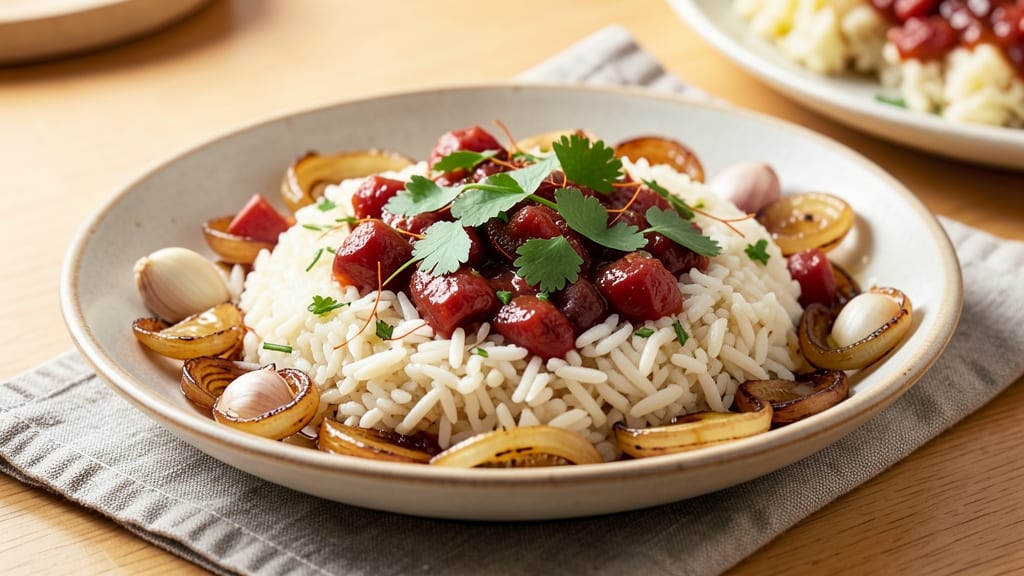
This Camargue rice recipe transforms simple grains into a fragrant, golden masterpiece with saffron-infused crunch and tender centers. The secret lies in slow simmering the rice in rich tomato broth, where each grain absorbs layers of garlic, herbs, and saffron's signature aroma.
I first discovered this dish during a trip to Provence, where it's traditionally served with lamb or seafood—but works beautifully as a vegetarian centerpiece too.
The dish begins with a deep, flavorful base of caramelized onions and garlic, which forms the foundation for the rice. Saffron threads steep in warm broth while the rice cooks, releasing their golden hue and delicate floral notes that elevate every bite.
The key is patience—letting the rice absorb the liquid gradually creates that signature tender texture with just the right amount of crunch.
What makes Camargue rice special is its ability to adapt to any protein or vegetable while maintaining its own distinct character. The finished dish is vibrant, aromatic, and satisfyingly hearty—perfect for family dinners or special occasions.
Serve it with roasted vegetables, grilled fish, or a simple green salad to let the rice shine.
This recipe preserves the traditional Provençal technique while making it accessible for home cooks. The slow cooking process ensures maximum flavor infusion, resulting in rice that's far more complex than ordinary preparations. Once you try it, you'll understand why this dish remains a staple in southern French cuisine.
Ingredients for camargue rice
Simple grains meet Provençal tradition in this saffron-infused Camargue rice masterpiece.
| Ingredient | Amount | Notes |
|---|---|---|
| Long-Grain White Rice 🍚 | 1 ½ cups | Uncooked, rinsed before use |
| Yellow Onions 🧅 | 2 whole | Medium size, thinly sliced |
| Garlic Cloves 🧄 | 6 cloves | Peeled, minced finely |
| Saffron Threads 🌼 | ¼ tsp | High-quality, crushed |
| Canned Crushed Tomatoes 🍅 | 1 can (15 oz) | San Marzano preferred |
| Vegetable Broth 💧 | 2 ½ cups | Low-sodium preferred |
| Dry White Wine 🍷 | ½ cup | Sauvignon Blanc or Chardonnay |
| Fresh Thyme Leaves 🌿 | 1 tbsp | Or 1 tsp dried thyme |
| Fresh Parsley Leaves 🌿 | ¼ cup | Chopped, for garnish |
| Olive Oil 🫒 | ½ cup | Extra-virgin, fruity |
| Salt 🧂 | 1 ½ tsp | Diamond Crystal preferred |
| Ground Black Pepper 🌶️ | ½ tsp | Freshly ground |
| Bay Leaves 🌿 | 2 whole | Removed before serving |
The onions and garlic form the aromatic foundation—caramelizing them slowly develops deep sweetness. Whole Foods and Trader Joe's carry excellent yellow onions with tight skins, ideal for even cooking. For garlic, Costco's bulk cloves are my go-to—they stay fresh longer. Saffron is non-negotiable here; Spanish or Iranian threads from specialty shops yield the best flavor. The crushed tomatoes should be San Marzano if possible, with no added salt. Their natural sweetness balances the dish perfectly.
No saffron? Turmeric at half the amount mimics the color but lacks floral notes. Fresh thyme is ideal, but dried works at one-third the quantity. The white wine can be swapped for extra vegetable broth plus 1 tsp lemon juice for acidity. For a quicker version, pre-minced garlic from a jar works in a pinch, though fresh is always superior. The bay leaves add subtle depth—don't skip them, even if you remove them later. For a vegetarian version, ensure your vegetable broth isn't chicken-based.
Rice absorbs flavors best when cooked fresh, but leftovers reheat beautifully. Store in an airtight container for 4-5 days in the fridge or 3 months frozen. The saffron-infused broth can be prepped ahead—simmer it with the bay leaves for 1 hour before adding rice. Garnish with fresh parsley just before serving to maintain vibrant color. This dish tastes even better the next day as flavors meld.
Why You'll Love This Recipe
- One-Pot Magic: I swear by this recipe—just rice, onions, garlic, and a pinch of saffron simmered with tomatoes. No separate pans, no fuss. Honestly, the only "chopping" is dicing one onion while you wait for the garlic to sizzle.
- Golden Threads Matter: That saffron? It’s the secret weapon. A tiny pinch (three threads!) turns ordinary rice into something ridiculously fragrant and vibrant. The tomatoes add depth without overpowering—like a whisper of sun-dried magic in every bite.
- Weeknight to Dinner Party: Between us, this is my go-to for busy nights, but it also feels fancy enough for guests. Serve it with grilled fish or chicken, or just pile it high as a standalone—it’s that adaptable. (Yes, even on a Tuesday night.)
- Budget-Friendly Luxury: Long-grain rice and canned tomatoes keep costs low, but the saffron makes it feel special. Leftovers reheat beautifully, and the flavors only get better the next day. My wallet and taste buds thank me every time.
Step-by-step instructions for Camargue rice with saffron and crispy onions
Mastering this Provençal classic requires patience and precision—here's how to achieve perfectly tender grains with caramelized onions and saffron's signature aroma.
Develop the Saffron-Infused Base
Heat the 0.5 cup olive oil in a heavy-bottomed Dutch oven over medium-low heat. Add the 2 whole yellow onions, sliced into even rounds, and cook for 15-20 minutes until deeply golden and caramelized. Stir occasionally to prevent burning, but let them develop color—this is where the authentic Camargue flavor comes from.
When the onions are nearly done, add the 6 cloves minced garlic and cook for 30 seconds until fragrant. Immediately remove from heat and stir in the 0.25 tsp crushed saffron threads. Let steep for 5 minutes—this infuses the oil with saffron's floral aroma without bitterness. The onions should be richly colored and sweetly caramelized by now.
Build the Flavor Foundation
Return the pot to medium heat and add the 1 can crushed tomatoes. Stir to combine with the onion mixture, then pour in the 0.5 cup dry white wine. Let it simmer for 5 minutes until the wine reduces by half, intensifying its flavor. Add the 2.5 cups vegetable broth, 1.5 tsp salt, 0.5 tsp ground black pepper, and the 2 whole bay leaves.
Bring to a gentle simmer and add the 1 tbsp fresh thyme leaves. The liquid should just cover the onions—if it's too thin, reduce slightly. This base will form the aromatic liquid that cooks the rice to perfection. The thyme should perfume the mixture as it steeps.
Toast and Layer the Rice
Rinse the 1.5 cups long-grain white rice under cold water until the water runs clear—this removes excess starch that would make the rice gummy. Drain well and add to the pot, stirring gently to distribute evenly. The rice should absorb the liquid immediately, but don't stir again—this prevents the grains from sticking.
Bring to a gentle boil, then immediately reduce heat to low. Cover tightly with a lid and cook for 12 minutes without disturbing. The rice should absorb all the liquid and develop a delicate crust at the bottom—this is the signature Camargue texture. If you peek, steam will escape and ruin the texture.
Rest and Finish
Remove from heat and let the rice rest, covered, for 10 minutes. This resting period allows the grains to fully absorb any remaining moisture and develop their characteristic crunch. The rice should be tender but still firm to the bite—overcooking turns it mushy.
Fluff gently with a fork, discarding the bay leaves. Stir in the 0.25 cup chopped fresh parsley leaves just before serving. The finished rice should have a subtle saffron hue, tender grains with crisp edges, and a rich onion-tomato sauce throughout. Serve immediately with grilled meats or roasted vegetables.
Pro Tips For Making Camargue Rice
- SOAK THE SAFFRON: Crush the threads between your fingers first—this releases the color and aroma faster. Then steep them in 2 tablespoons of warm (not boiling) water for 10 minutes before adding to the rice. I used to just toss it in dry, and the rice always tasted underwhelming. That little step makes a real difference.
- SWIM THE ONIONS: Cook the onions until they’re soft but not browned—think translucent, not golden. If they darken, you’ve lost that sweet, mellow base flavor the rice needs. Keep the heat medium-low and stir every 30 seconds. After burning two batches, I finally got this right.
- RICE TO WATER RATIO: Use 1 part rice to 1.5 parts water, but only if your rice is fresh. Older rice absorbs more, so check the package—sometimes it’s 1:2. I skip measuring cups now and just eyeball it after years of practice, but when I started, I ruined a batch by guessing wrong.
- TOAST THE GARLIC: After cooking the onions, add the minced garlic and let it sizzle for 30 seconds until it smells alive—not burnt, just fragrant. This builds depth before the tomatoes even hit the pot. Sounds weird, but it works, especially when you’re serving it with fish or meat.
Perfect pairings for this camargue rice
Protein Pairings
Camargue rice pairs beautifully with grilled lamb chops—the fatty richness of the meat complements the saffron's delicate floral notes. I love serving it with herb-crusted lamb from Whole Foods or a local butcher.
For seafood lovers, pan-seared branzino or grilled shrimp skewers with lemon butter elevate the dish, as the fish's mild sweetness balances the rice's caramelized onions. 🍽️
Vegetarian Options
Skip the meat entirely and serve with roasted eggplant—its creamy texture contrasts perfectly with the rice's crunch. I toss 1 large eggplant in 2 tbsp olive oil, 1 tsp smoked paprika, and salt, then roast at 400°F for 25 minutes.
A mushroom-walnut salad with shitake mushrooms and toasted pecans adds earthy depth without overpowering the saffron. 🌱
Bread and Salad Accompaniments
Serve with crusty French bread—I prefer Baguette Tradition from Trader Joe's—for dipping in the rice's flavorful broth. A mixed greens salad with arugula, cherry tomatoes, and shaved fennel adds freshness, while a lemon vinaigrette brightens the plate.
For a heartier option, garlic roasted potatoes with rosemary provide satisfying texture. 🥗
Wine and Beverage Pairings
A crisp Provençal white wine like Domaine Tempier Bandol Rosé enhances the dish's saffron and herb notes. For red wine lovers, a light Syrah from the Rhône Valley balances the richness.
Non-alcoholic options? Try sparkling mineral water with a splash of lemon juice—the effervescence cleanses the palate between bites. 🍷
Seasonal Vegetable Sides
In summer, grilled zucchini with balsamic glaze adds vibrant color. I slice 2 medium zucchini lengthwise, grill for 3-4 minutes per side, then drizzle with 1 tbsp balsamic reduction. For fall, roasted butternut squash with sage and honey creates a sweet contrast to the savory rice. 🍠
Cheese Course Pairing
Finish the meal with soft goat cheese like Chèvre from La Chèvre, served with honeycomb and toasted baguette slices. The tangy cheese cuts through the rice's richness, while the honey adds a touch of sweetness.
For a more robust option, aged Comté cheese with walnuts offers nutty complexity. 🧀
Nutrition facts
Frequently asked questions
Why does Camargue rice need saffron?
The saffron is essential for authentic flavor and color! Its delicate floral notes and golden hue make this dish uniquely Provençal. The threads infuse the rice with a subtle sweetness that balances the caramelized onions and garlic. For a budget-friendly version, use ½ tsp turmeric (though it lacks saffron's aroma).
Can I make this recipe without wine?
Replace the ½ cup white wine with ½ cup vegetable broth plus 1 tsp lemon juice to maintain acidity. The dish will still develop rich flavors—just slightly less depth. For a non-alcoholic version, use sparkling apple cider instead.
What's the secret to perfectly tender rice?
Three key steps: rinse the rice thoroughly to remove starch, use low heat after boiling, and never peek while cooking! The rice should absorb all liquid in 12 minutes without stirring. Overcooking or stirring releases starch, making it gummy.
How do I store and reheat leftovers?
Store in an airtight container for 4-5 days in the fridge or 3 months frozen. Reheat gently with 1-2 tbsp water or broth in a covered pot over low heat for 5 minutes. Microwaving can make the rice dry—avoid it if possible!
What's the best rice variety for this dish?
Use long-grain white rice (like Carolina or Basmati) for the signature crunch. Short-grain rice becomes too sticky. For extra flavor, try arborio rice (though it cooks faster). Always rinse well before cooking to prevent mushiness.