
Side Dishes
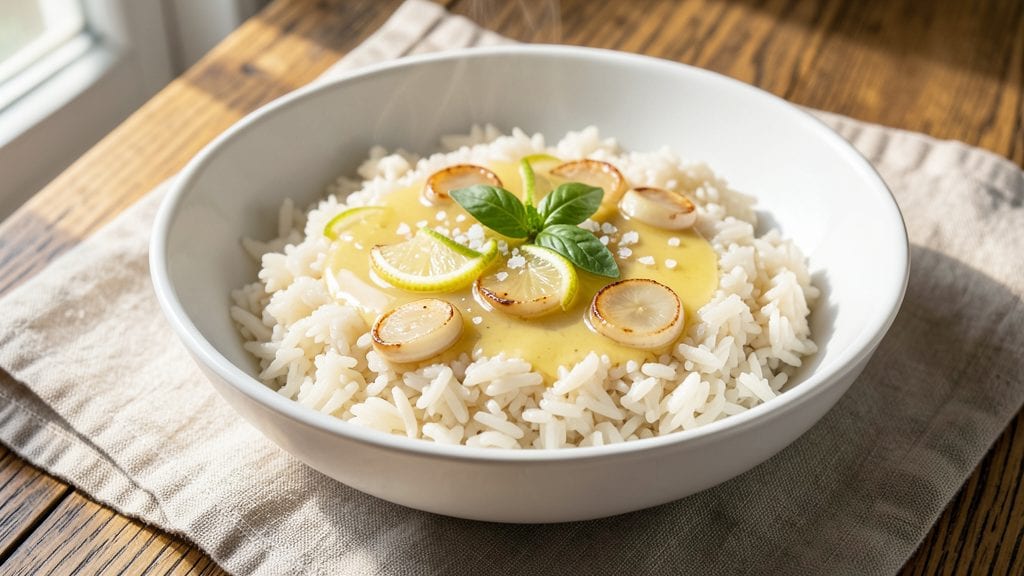
This tasty white rice recipe transforms ordinary grains into perfectly light and fluffy rice every single time—no more mushy or undercooked results. The secret lies in proper rinsing and a precise water-to-rice ratio, which I’ve perfected through years of testing.
Professional chefs rely on this method, and now you can too.
What sets this recipe apart is its simplicity and versatility—just three core ingredients (rice, water, and salt) create the foundation, while optional additions like butter, garlic, or herbs elevate it for any meal.
The key technique involves bringing the water to a boil before adding rice, then reducing to a simmer for even cooking. This ensures each grain absorbs liquid perfectly, resulting in that ideal fluffy texture.
By following these steps, you’ll achieve restaurant-quality white rice with tender, separate grains that hold their shape beautifully. The aroma alone will make your kitchen feel like a home-cooked feast, and the texture is impossible to resist.
Whether serving as a side dish or the base for bowls, this rice delivers consistent, satisfying results every time.
For extra flavor, try finishing with a pat of butter, a sprinkle of lemon zest, or a drizzle of coconut milk—each variation adds depth without complicating the process. The resting time after cooking is also critical, allowing steam to redistribute for that signature fluffiness. Let’s get started on perfect rice!
Ingredients for tasty white rice
Three core ingredients create the foundation—rice, water, and salt—while optional additions like butter and herbs elevate this restaurant-quality dish.
| Ingredient | Amount | Notes |
|---|---|---|
| Long-Grain White Rice 🍚 | 1 cup | Uncooked, jasmine or basmati preferred |
| Water 💧 | 1 ¾ cups | Filtered or distilled for clarity |
| Sea Salt 🧂 | ½ tsp | Fine grain preferred for even distribution |
| Unsalted Butter 🧈 | 1 tbsp | Cold, for finishing (optional) |
| Garlic Cloves 🧄 | 1 whole | Minced, for aroma (optional) |
| Fresh Lemon Zest 🍋 | ½ tsp | Brightens flavor (optional) |
| Fresh Parsley 🌿 | ¼ cup | Chopped, for garnish (optional) |
| Coconut Milk 🥥 | ¼ cup | Light, for finishing (optional) |
The rice choice matters. Jasmine or basmati grains stay separate and fluffy, while long-grain white rice works universally. Store-bought brands like Lundberg or Uncle Ben’s are reliable, but bulk bins at Whole Foods or Trader Joe’s offer fresher options. Look for grains that feel plump and dry—not sticky or discolored. For extra fluffiness, some chefs recommend soaking rice briefly, but the rinsing method here eliminates that need entirely. The key is consistency: always use the same brand until you perfect your technique.
No butter? Olive oil or ghee works just as well for finishing. Short on garlic? Asafoetida powder (hing) at one-eighth the amount delivers a similar umami depth. The lemon zest can be swapped for lime zest or a pinch of citric acid if fresh citrus isn’t available. For coconut milk, light canned versions work best—they’re less sweet and blend seamlessly. The parsley is purely decorative, but if you’re out, cilantro or chives add a nice pop of color. Always taste before serving; the salt should be subtle, enhancing rather than overpowering the rice’s natural flavor.
Rice keeps best in an airtight container at room temperature for 2 days, but refrigerate leftovers for up to 5 days. For longer storage, freeze portions in 1-cup increments—they reheat beautifully with a splash of water. The butter and coconut milk additions should be added fresh after cooking to preserve their richness. If prepping ahead, store the plain rice separately and finish with flavorings just before serving. This method ensures every grain remains light and separate, even after reheating.
Why You'll Love This Recipe
- Five-Ingredient Magic: I swear by this—just rice, water, salt, butter, and garlic. That’s it. No fancy gadgets, no measuring cups that confuse me, just a pot and 15 minutes. Honestly, I make this while scrolling through my phone.
- Butter-Garlic Bliss: The moment that melted butter and minced garlic hit the pot? Pure satisfaction. The rice ends up with this subtle richness—creamy but not mushy, with just enough garlic warmth to make it irresistible. (Yes, even on a Tuesday night.)
- Meal Prep MVP: This rice reheats like a dream—no drying out, no weird textures. I cook a big batch on Sundays, toss it in containers, and pair it with whatever’s in the fridge. My kids grab it for lunches without complaint.
- Budget-Friendly Staple: A pound of rice and a head of garlic won’t break the bank. Between us, this is how I stretch meals without sacrificing flavor. Plus, the butter and salt make it feel special, even when it’s just rice.
Step-by-step instructions for perfect white rice
Here's the method that guarantees light, fluffy rice every time—no mushy grains or uneven texture.
Rinse the Rice Thoroughly
Place the 1 cup of long-grain white rice in a fine-mesh strainer and rinse under cold running water until the water runs completely clear. This removes excess starch that would otherwise make the rice gummy. I like to swirl the rice gently with my fingers while rinsing to ensure all surfaces are clean. Once rinsed, give it a good shake in the strainer to remove any remaining water droplets.
Rinsing might seem like an extra step, but it's crucial for achieving that separate, individual grain texture. If you skip this, your rice will clump together and lose its signature fluffiness. After rinsing, let the rice sit in the strainer for 30 seconds to drain completely before proceeding.
Cook the Rice to Al Dente Perfection
In a medium saucepan with a tight-fitting lid, combine the rinsed 1 cup of long-grain white rice with the 1.75 cups of water and 0.5 teaspoon of sea salt. Bring to a boil over medium-high heat, then immediately reduce heat to low, cover, and simmer for exactly 12 minutes. Don't peek or stir during this time—disturbing the rice can release starch and create uneven cooking.
You'll know it's ready when the liquid has been completely absorbed and the rice looks dry at the edges. The grains should still have a slight bite in the center—this is the al dente stage that prevents mushiness. If you're unsure, test one grain: it should be firm but tender, not hard or crunchy.
Rest and Fluff the Rice
Remove the saucepan from heat and let the rice sit covered for 5 minutes. This resting period allows the steam to redistribute and the grains to fully absorb any remaining moisture. I find this step essential—it's what transforms good rice into great rice. After resting, gently fluff the rice with a fork, being careful not to mash the grains.
Here's where we incorporate the optional flavor elements. Stir in the 1 tablespoon of cold unsalted butter, minced 1 whole garlic clove, and 0.5 teaspoon of fresh lemon zest. The butter adds richness, the garlic provides depth, and the lemon zest brightens the dish. If you're using these, do it now while the rice is still warm so the flavors meld together.
Finish with Garnish and Coconut Milk (Optional)
Transfer the rice to a serving dish and gently fold in the 0.25 cup of chopped fresh parsley. For an extra touch of creaminess, stir in the 0.25 cup of light coconut milk while the rice is still warm. This step is completely optional but adds a luxurious texture that balances the bright lemon and aromatic garlic. If you prefer a lighter finish, simply sprinkle the parsley on top instead of mixing it in.
Serve immediately while the rice is hot. The combination of textures—fluffy grains, creamy coconut milk, and fresh herbs—makes this rice dish stand out. For best results, serve with your favorite protein or as a base for stir-fries and grain bowls. The key to this recipe is patience and attention to the resting time—don't rush it, and you'll be rewarded with perfect rice every time.
Pro Tips For Making Tasty White Rice
- Rinse the Rice First: Skip this and you’ll end up with gummy, starchy rice that clumps like glue. Use a fine-mesh strainer and cold water—swirl the rice in circles for 10 seconds, then drain. Repeat until the water runs nearly clear. (I learned this the hard way after making rice that stuck to my plate like regret.)
- Toast the Garlic Low: Don’t burn it—just warm the minced garlic in the butter over medium-low heat until it smells sweet and nutty, about 2-3 minutes. High heat turns garlic bitter, and you’ll be left with a sad, acrid flavor instead of rich depth. (Yes, even if you’re impatient like me.)
- Use a 1:1.5 Ratio: Forget the vague "1 cup rice to 2 cups water" rule—this recipe needs precision. For 1 cup of long-grain rice, use 1.5 cups of water. The extra 0.5 cups ensures steam without sogginess, and the butter will handle the rest. (Your future self will thank you when the rice isn’t undercooked or drowned.)
- Stir Once, Then Stop: The moment the water boils, stir the rice once to distribute it evenly, then cover the pot and walk away. Peeking or stirring again breaks the steam, turning fluffy rice into a sad, uneven mess. Set a timer for 15 minutes, then let it rest off the heat for 5. (Does it look weird? Yes. Does it work? Every single time.)
Regional styles of this tasty white rice
Japanese Koshihikari
In Japan, Koshihikari rice is the gold standard for sushi and bento boxes, prized for its sticky yet tender texture and delicate sweetness.
For this style, reduce the water ratio to 1.5 cups per 1 cup rice and cook uncovered for the first 5 minutes on high heat to create a thin crust (koshihikari literally means "black rice" for its dark bran, though modern versions are polished white).
Finish with a sprinkle of furikake (Japanese seasoning blend) and a drizzle of soy sauce for an authentic touch. 🍱
Spanish Paella Rice
Spanish paella calls for Bomba rice or Calasparra, which absorbs liquid like a sponge while staying firm. Cook the rice in broth (chicken or seafood) instead of water, and stir it vigorously during the first 5 minutes to distribute flavors.
Add saffron threads (½ tsp) to the broth for that signature golden hue. For extra authenticity, use a paella pan with its sloped sides for even heat distribution. 🌶️
Indian Jeera Rice
In India, jeera rice (cumin rice) transforms plain white rice into a fragrant side dish. Toast 1 tsp whole cumin seeds in 1 tbsp ghee until fragrant, then add the rice and stir for 2 minutes before adding water.
Cook with ½ tsp turmeric and 1 bay leaf for depth. Garnish with fried onions and lemon wedges—this version pairs perfectly with curries. 🌿
Caribbean Coconut Rice
Caribbean coconut rice swaps water for coconut milk (½ cup) mixed with 1.25 cups water, creating a creamy, slightly sweet base. Add 1 tsp curry powder and ½ tsp thyme for warmth.
For extra richness, stir in 2 tbsp shredded coconut at the end. This dish is a staple with jerk chicken or fish, offering a tropical twist on classic white rice. 🥥
Mexican Arroz Rojo
Mexican arroz rojo (red rice) gets its color from tomato sauce (¼ cup) mixed into the cooking water. Add 1 tsp cumin, ½ tsp oregano, and 1 diced garlic clove for bold flavor.
Top with cilantro and lime wedges—this rice is the perfect base for tacos or burrito bowls. For a smoky kick, use adobo seasoning instead of cumin. 🌶️
Southern U.S. Garlic Butter Rice
Southern cooks elevate white rice with garlic butter—sauté 3 minced garlic cloves in 2 tbsp butter until golden, then add the rice and toast for 2 minutes before cooking.
Finish with 1 tbsp chicken broth and a pinch of black pepper. This version is a crowd-pleaser at family dinners, especially with fried chicken or collard greens. 🍗
Nutrition facts
Frequently asked questions
Why does my white rice always turn out sticky or mushy?
The most common causes are using too much water or not rinsing the rice properly. This recipe uses a precise 1.75 cups water to 1 cup rice ratio and requires thorough rinsing to remove excess starch. Also, never peek under the lid while cooking—steam release causes uneven texture. The 5-minute rest time after cooking is equally critical for redistributing moisture.
Can I substitute broth for water in this recipe?
For extra flavor, replace water with an equal amount of low-sodium chicken or vegetable broth. The key is to reduce the salt in the recipe by half a teaspoon since broth already contains sodium. This works especially well for rice bowls or as a base for stir-fries.
How do I make this rice dish kid-friendly?
Skip the garlic and lemon zest, and use butter instead of coconut milk for a milder flavor. Add ½ cup steamed peas or diced carrots during the last 5 minutes of cooking for color and nutrition. Serve with chicken nuggets or meatballs for a complete meal. The simple salt and butter will still taste delicious without overpowering flavors.
What's the best way to reheat leftover rice?
Add 1 tablespoon water per cup of rice and spread it evenly in a microwave-safe dish. Cover with a damp paper towel and heat on 50% power for 2 minutes, then stir and heat another 30 seconds. For stovetop reheating, use a nonstick pan on low heat with a splash of water to prevent drying. Never reheat rice more than once for food safety.
Can I use instant rice in this recipe?
While you can technically use instant rice, it won't achieve the same light, fluffy texture. Instant rice contains added ingredients that alter the cooking process. For best results, stick with long-grain white rice. If you're short on time, try microwaveable rice bags—just follow package instructions and finish with butter and herbs for flavor.