
Main Courses
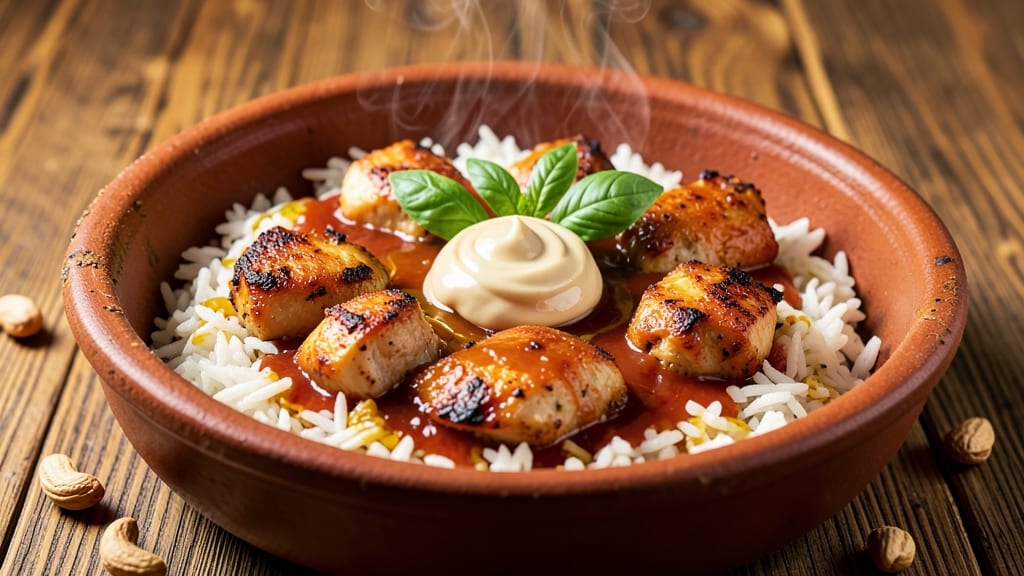
This Senegal jollof rice recipe delivers the rich, tomato-basil depth that makes West African cuisine unforgettable. The one-pot method preserves all that vibrant color and complex flavor—no separate sauces or complicated steps.
My version stays true to Senegalese tradition while adapting for home kitchens, where tender chicken and fragrant rice cook together until perfectly balanced.
The secret lies in slow-cooking the tomato base until it develops deep, caramelized notes before adding the rice. This builds layers of flavor that store-bought blends simply can't match.
The dish requires patience (about 45 minutes total), but the results—juicy chicken, tender rice, and a sauce that clings to every grain—are worth every minute. The basil adds a bright, aromatic finish that sets Senegalese jollof apart from its Nigerian cousin.
What you'll end up with is a dish that's equally satisfying as a weeknight meal or holiday centerpiece. The rice absorbs just enough of the tomato-peanut sauce to become flavorful without losing its distinct texture, while the chicken stays moist and infused with the dish's signature warmth.
The aroma alone will bring everyone to the table, and the first bite delivers that perfect harmony of smoky, sweet, and slightly spicy flavors.
Serve with a simple green salad or grilled plantains to complete the meal. This recipe scales beautifully for gatherings, and the leftovers reheat just as well the next day. Let's get cooking—your taste buds will thank you.
Ingredients for senegal jollof rice
Tomato, basil, peanut butter, and chicken—this one-pot combo delivers Senegal's signature bold flavors.
| Ingredient | Amount | Notes |
|---|---|---|
| Boneless, Skinless Chicken Thighs 🍗 | 1 ½ lb | Cut into 2-inch pieces |
| Long-Grain White Rice 🍚 | 2 cups | Uncooked, jasmine or basmati preferred |
| Canned Crushed Tomatoes 🍅 | 2 cups | San Marzano preferred for sweetness |
| Fresh Basil Leaves 🌿 | ½ cup | Packed, stems removed |
| Peanut Butter 🥜 | ¼ cup | Natural, unsweetened preferred |
| Tomato Paste 🍅 | 2 tbsp | Squeeze tube or canned |
| Yellow Onion 🧅 | 1 whole | Medium, diced |
| Garlic Cloves 🧄 | 6 cloves | Minced |
| Fresh Ginger 🌿 | 1 tbsp | Grated, peeled |
| Vegetable Oil 🫒 | ½ cup | For cooking |
| Chicken Bouillon Cubes 🍲 | 2 whole | Or 2 tbsp bouillon powder |
| Dried Thyme Leaves 🌿 | 1 tsp | Or 1 tbsp fresh thyme |
| Ground Black Pepper 🌶️ | 1 tsp | Freshly ground preferred |
| Salt 🧂 | 1 ½ tsp | Adjust to taste |
| Scotch Bonnet Peppers 🌶️ | 1 whole | Seeds removed, finely chopped (or habanero) |
The tomatoes are the heart of this dish, so San Marzano cans from the Italian section make all the difference—they're sweeter and smoother than regular crushed tomatoes. For the basil, farmers market bunches are ideal, but even those sad little grocery store clamshells work if they're not wilted. The peanut butter? Natural, unsweetened is key—no added sugar or oils. If you can't find it, creamy peanut butter works, but it might make the sauce slightly thinner. The chicken thighs stay juicier than breasts, and cutting them into even pieces ensures they cook through without drying out. For the Scotch bonnet, Walmart or Latin markets usually carry them fresh—if you can't find them, habaneros are a close substitute, but reduce the amount by half since they're hotter.
No San Marzano tomatoes? Any good-quality canned tomatoes will work—just taste and adjust the salt accordingly. Fresh basil wilt fast, so dried basil at one-third the amount is a solid swap, though it won't have the same bright aroma. Out of peanut butter? Peanut oil plus a pinch of salt mimics the flavor, but it's not the same. The tomato paste can be skipped if you're in a pinch, but it adds that deep, concentrated flavor that makes this dish sing. For the bouillon, any chicken-flavored bouillon works—just make sure it's low-sodium if you're watching your salt intake. The ginger can be swapped for ground ginger at half the amount, but fresh is always better if you've got it.
This dish tastes even better the next day, so double the recipe if you're feeding a crowd. Store leftovers in the fridge for up to 5 days, or freeze for 3 months. The sauce thickens as it cools, so add a splash of water or broth when reheating. For extra flavor, stir in a spoonful of the peanut butter when reheating—it balances any dried-out edges. The rice keeps its texture well, so it reheats beautifully. If you've got leftovers, turn them into fried rice the next day by pan-frying with a little oil and an egg—just add 1 tbsp oil, 1 egg, and 1 tsp soy sauce per serving.
Why You'll Love This Recipe
- Here’s what sold me: the flavor deepens overnight. The peanut butter mellows into the rice, the chicken gets even more tender, and reheating it just stirs up that cozy, saucy goodness. I make double batches on Sundays because it’s my go-to for lunch all week—zero takeout, zero guilt. (Yes, even on a Tuesday night.)
- One-Pot Magic: I swear by this recipe when I’m too tired to scrub pots—just brown the chicken, toss in everything else, and let it simmer. That peanut butter? It’s the secret weapon that thickens the sauce and keeps the rice from sticking. Honestly, I’ve made this in a Dutch oven, a deep skillet, even a slow cooker. Minimal cleanup, maximum flavor.
- Peanut Butter Twist: Between us, I was skeptical about peanut butter in rice—until I tried it. That rich, nutty depth cuts through the acidity of the tomatoes and balances the heat, giving it this unexpected complexity. The basil at the end? Fresh, bright, and makes every bite feel like a little celebration.
- Crowd-Pleaser Always: My in-laws think I’m a saint because this feeds six for under $15. The chicken thighs stay juicy, the rice absorbs all the smoky tomato-peanut sauce, and even picky eaters go back for seconds. I’ve served it at potlucks, family dinners, and lazy Sundays—no one bats an eye, and no one leaves hungry.
Step-by-step instructions for Senegal jollof rice
Here's how to build this rich, peanut-infused rice dish that balances heat and depth perfectly.
Sear the Chicken Until Deeply Browned
Heat the 0.5 cup vegetable oil in a heavy-bottomed pot over medium-high heat. Add the 1.5 lb boneless, skinless chicken thighs cut into 2-inch pieces, working in batches if needed to avoid crowding. Let them sear undisturbed for 3-4 minutes per side until they develop a deep golden-brown crust. This step builds the foundation of flavor through the Maillard reaction—don't rush it.
Once browned, remove the chicken with a slotted spoon and set it aside. The oil should still shimmer slightly—this means it's ready for the aromatics. If it looks dull, let it heat up for another 30 seconds before proceeding. The residual chicken fat will infuse into the rice later, adding richness.
Build the Flavor Base with Aromatics
In the same pot, add the 1 whole yellow onion (diced) and cook for 3 minutes until softened and slightly translucent. Stir occasionally to prevent burning. Add the 6 cloves garlic cloves (minced) and 1 tbsp fresh ginger (grated), cooking for another 1 minute until fragrant—you'll smell that sweet, pungent aroma that signals they're ready.
Now add the 2 tbsp tomato paste and stir vigorously for 1 minute to distribute it evenly. This creates a thick, flavorful paste that will form the backbone of your sauce. Pour in the 2 cups canned crushed tomatoes and the 1 whole scotch bonnet peppers (seeds removed, finely chopped). Stir well, scraping up any browned bits from the bottom of the pot—these contain concentrated flavor.
Simmer the Peanut-Basil Sauce
Reduce the heat to medium-low and add the 0.25 cup peanut butter, stirring constantly until fully melted and smooth. The mixture will thicken noticeably—this is where the peanut butter's richness comes into play, giving the dish its signature depth. Add the 2 whole chicken bouillon cubes (crushed between your palms first) and the 1.5 tsp salt, stirring to dissolve completely.
Pour in 1 cup water and bring to a gentle simmer. Let it cook uncovered for 10 minutes, stirring occasionally, until the sauce reduces slightly and the peanut butter fully incorporates. Add the 0.5 cup fresh basil leaves (packed, stems removed) and the 1 tsp dried thyme leaves, stirring once more. The basil will release its bright aroma as it cooks, balancing the peanut's richness.
Cook the Rice to Perfect Texture
Add the 2 cups long-grain white rice, spreading it evenly over the sauce to ensure all grains are coated. Stir gently to distribute the rice, then add the remaining 1 cup water (you'll use a total of 2 cups water for the rice). The rice should be submerged but not swimming—this ensures even cooking without mushiness.
Bring the mixture to a boil, then immediately reduce heat to low, cover tightly with a lid, and let it simmer for 20 minutes. Avoid peeking or stirring—this disrupts the steam circulation and can lead to uneven cooking. After 20 minutes, fluff the rice gently with a fork, then cover and let it steam off the heat for another 5 minutes. This resting period allows the rice to absorb any remaining liquid and develop its final texture.
Finish and Rest for Maximum Flavor
Return the chicken to the pot, nestling it into the rice. Cover and let it cook for another 5 minutes on low heat, just to warm the chicken through and let it absorb the rich tomato-peanut sauce. Taste the rice and adjust seasoning with more salt or ground black pepper if needed—this is your chance to fine-tune the balance of heat and flavor.
Remove from heat and let the jollof rice rest, covered, for 10 minutes. This resting period allows the flavors to meld completely and the rice to firm up slightly. Serve immediately with a side of grilled plantains or a simple green salad. The dish will taste even better the next day as the peanut and tomato flavors deepen—just reheat gently with a splash of water if needed.
Pro Tips For Making Senegal Jollof Rice
- Brown the Peanut Butter: Skip the instant peanut butter stir—heat it with the onions and tomatoes for 3-4 minutes first. I learned this the hard way; cold peanut butter clumps and never blends smoothly into the sauce. The heat helps it emulsify like a proper Senegalese stew.
- Parboil the Rice First: Give your rice a 3-minute boil in salted water before adding it to the pot. This removes excess starch and prevents the rice from turning mushy later. (Yes, even if you’re impatient like me—trust the process.)
- Don’t Overcrowd the Pot: Cook the chicken in batches if needed—packing too much in the pot steams the meat instead of searing it. You want crispy edges on those thighs, not soggy ones. A quick sear in the same pot (after removing some sauce) makes all the difference.
- Toast the Basil Leaves: Toss the fresh basil into the hot pot for 10 seconds before removing it. This crisps the leaves just enough so they hold their shape when you garnish at the end—no more wilted, sad herbs at the bottom of your plate. (Your future self will thank you.)
Serving suggestions for this senegal jollof rice
Grilled Plantains
Senegalese jollof rice pairs beautifully with grilled plantains—their caramelized sweetness contrasts the dish's savory depth. Heat a skillet over medium-high heat and add 2 tbsp vegetable oil.
Peel and slice 2 ripe plantains into ½-inch thick rounds, then fry for 3-4 minutes per side until golden brown with charred edges. Sprinkle with ½ tsp flaky sea salt and serve alongside the jollof. 🍌
Spicy Peanut Sauce
For an extra layer of flavor, serve the jollof with a spicy peanut sauce on the side.
Blend ¼ cup peanut butter, 2 tbsp soy sauce, 1 tbsp honey, 1 tbsp lime juice, 1 minced garlic clove, 1 tsp grated ginger, and ½ tsp cayenne pepper until smooth. Thin with 1-2 tbsp water if needed.
This sauce adds a tangy, nutty kick that complements the dish’s richness.
Fresh Cucumber Salad
A cool, crisp cucumber salad cuts through the jollof’s heat and peanut intensity. Thinly slice 1 English cucumber and 1 small red onion, then toss with 2 tbsp olive oil, 1 tbsp lemon juice, ½ tsp salt, and ½ tsp ground black pepper.
Add 1 tbsp chopped fresh mint for brightness. Serve chilled to balance the meal’s warmth. 🥒
Warm Flatbreads
Senegalese thos (flatbreads) are the perfect vessel for jollof rice. Mix 2 cups all-purpose flour, 1 tsp salt, 1 tsp sugar, 1 packet (2¼ tsp) active dry yeast, and ¾ cup warm water.
Let the dough rise for 1 hour, then shape into small rounds. Cook in a hot, oiled skillet for 2-3 minutes per side until puffed and golden. The soft bread soaks up the peanut-tomato sauce beautifully.
Garnish with Fresh Herbs
Just before serving, garnish the jollof with chopped fresh cilantro or thyme leaves for a pop of color and aroma. The herbs add a bright, herbal note that elevates the dish’s complexity.
A sprinkle of toasted peanuts on top also adds texture and a nutty crunch that ties into the peanut butter base. 🌿
Dessert: Mango Sorbet
End the meal with a refreshing mango sorbet to cleanse the palate. Blend 2 ripe mangoes, ½ cup coconut milk, and 2 tbsp honey, then freeze for 4 hours.
Scoop into bowls and serve with a sprinkle of toasted coconut flakes. The tropical sweetness contrasts the jollof’s savory-spicy profile perfectly. 🥭
Nutrition facts
Frequently asked questions
What makes Senegalese jollof rice different from Nigerian jollof?
Senegalese jollof stands out for its peanut butter base and fresh basil—elements rarely found in Nigerian versions. The sauce here is smoother, with a subtle sweetness from the peanut butter that balances the tomato's acidity. Senegalese jollof also tends to be less spicy, focusing more on aromatic depth than heat.
Can I substitute chicken with another protein?
This recipe works well with beef (like stew meat), fish (like tilapia or cod), or even shrimp. For beef, use 1.5 lbs cut into chunks and brown it first. Fish cooks faster—add it only 5 minutes before the rice is done to avoid overcooking. Shrimp should be added in the final 3 minutes of cooking.
Why does my jollof rice turn out mushy?
Mushy rice usually happens from overcooking or too much liquid. Always use a 1:1.5 rice-to-water ratio (2 cups rice to 3 cups total liquid in this recipe). After simmering, let the rice rest covered for 10 minutes off the heat—this helps it firm up. Avoid peeking or stirring while cooking, as this disrupts the steam circulation.
How do I make this recipe spicier?
For extra heat, add 1-2 chopped Scotch bonnet peppers (seeds in) when building the sauce, or stir in ½ tsp cayenne pepper with the bouillon. If you love heat, try adding a pinch of ground nutmeg or allspice—these spices amplify the spiciness without overpowering the dish's balance.
Can I prepare this ahead of time?
This dish tastes even better the next day! Let it cool completely, then store in an airtight container in the fridge for up to 5 days. Reheat gently on the stove with a splash of water or broth to restore moisture. For freezing, portion into containers and freeze for up to 3 months. Thaw overnight in the fridge before reheating.