
Salads
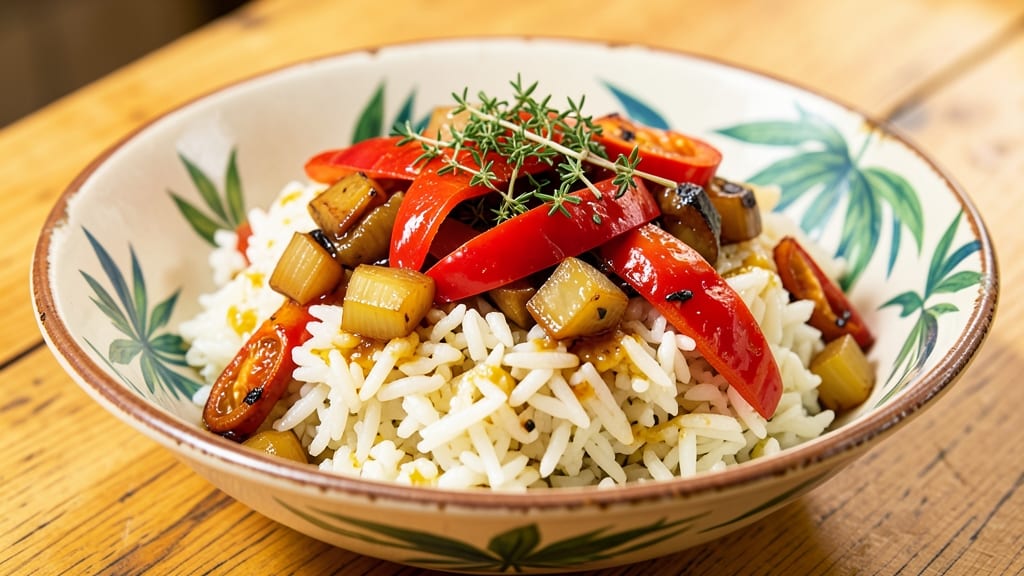
This Caribbean vegetable rice recipe transforms simple grains into a fragrant, one-pot masterpiece that captures the island's bold flavors. The secret lies in a sofrito base—garlic, onions, and peppers—that cooks down into a rich foundation, while thyme and scotch bonnet (or a milder pepper) infuse every grain with warmth. It’s the kind of dish that turns a side into the star, whether paired with grilled fish or roasted chicken.
The beauty of this recipe is its simplicity: just 30 minutes of active time yields fluffy, aromatic rice with tender vegetables and layers of spice. No fancy techniques—just a pot, patience, and the right balance of ingredients.
The result? A dish that’s as satisfying as it is flavorful, with each bite delivering a perfect harmony of textures and tastes. Ready to make your own?
Ingredients for caribbean vegetable rice
Fifteen ingredients blend Caribbean boldness with simple vegetable harmony for a one-pot masterpiece.
| Ingredient | Amount | Notes |
|---|---|---|
| Long-Grain White Rice 🍚 | 1 ½ cups | Uncooked, rinsed thoroughly |
| Yellow Onions 🧅 | 1 whole | Diced into small pieces |
| Garlic Cloves 🧄 | 4 cloves | Minced finely for sofrito |
| Bell Peppers 🌶️ | 2 whole | Any color, diced small |
| Scotch Bonnet Peppers 🌶️ | 1 whole | Seeds removed for milder heat |
| Fresh Thyme Leaves 🌿 | ¼ cup | Chopped finely, stems removed |
| Carrots 🥕 | 2 whole | Diced into small cubes |
| Green Beans 🌱 | 1 cup | Trimmed and cut into bite-sized pieces |
| Tomato Paste 🍅 | 2 tbsp | Smooth, no sugar added |
| Vegetable Broth 💧 | 2 cups | Low-sodium preferred |
| Extra-Virgin Olive Oil 🫒 | 2 tbsp | For sautéing vegetables |
| Fresh Cilantro 🌿 | ¼ cup | Chopped for garnish |
| Salt 🧂 | 1 ½ tsp | Diamond Crystal kosher salt |
| Black Peppercorns 🌶️ | ½ tsp | Freshly ground |
| Lime Juice 🍋 | 1 tbsp | Freshly squeezed |
The sofrito base—onions, garlic, bell peppers, and scotch bonnet—forms the flavor foundation. Scotch bonnet peppers add signature heat; if unavailable, substitute with habanero or even a milder jalapeño (remove seeds). For the best flavor, fresh thyme and cilantro are essential—dried herbs won’t deliver the same aromatic depth. Look for bright green thyme sprigs at Whole Foods or Latin markets, where they often stock Caribbean staples. The tomato paste from San Marzano tomatoes ensures rich, sweet undertones without overpowering the dish.
Vegetable broth can be homemade or high-quality store-bought—Pacific Foods or Imagine brands are excellent choices. No scotch bonnet? Red pepper flakes at half the amount or a dash of cayenne will mimic the heat profile. The carrots and green beans should be cut uniformly for even cooking. For extra depth, toasted cumin seeds (½ tsp) can be added to the sofrito. If you prefer a creamier texture, stir in ¼ cup coconut milk at the end—it pairs beautifully with the spice levels.
This rice reheats beautifully—simply add a splash of water or broth and cover until warmed through. Store in an airtight container for up to 5 days in the fridge, or freeze portions for 3 months. The lime juice should be added fresh before serving to preserve its bright acidity. For meal prep, portion into individual containers with a sprinkle of cilantro on top—it keeps the herbs vibrant longer. The dish improves overnight as flavors meld, making it perfect for batch cooking.
Why You'll Love This Recipe
- One-Pot Magic: I swear by this trick—just toss everything into one pot, add water, and let it simmer. No fancy layers, no stressing over multiple pans. The rice cooks right alongside the veggies, soaking up all that smoky Scotch bonnet heat and sweet bell pepper caramelization.
- Heat Without the Hassle: That Scotch bonnet pepper isn’t just for show—it adds a slow-building warmth that lingers. I’ll be real: it’s not spicy enough to scare kids away, but just enough to make your taste buds wake up. (Yes, even on a Tuesday night.)
- Meal Prep MVP: This rice keeps perfectly for days—better, honestly, the next day when the flavors meld. I make a big batch on Sundays, and it’s my go-to for lunches, tacos, or even stuffed in wraps. No sad, dry leftovers here.
- Pantry Staple Power: You’re probably already stocked for this. Onions, garlic, bell peppers—basic stuff that won’t break the bank. And since it’s just rice and veggies, it’s lighter than takeout but way more satisfying. My wallet (and waistline) thank me.
Step-by-step instructions for Caribbean vegetable rice
Transform simple grains into a vibrant, aromatic masterpiece with this one-pot technique.
Develop the Aromatic Sofrito Base
Heat the 2 tablespoons extra-virgin olive oil in a heavy-bottomed pot over medium heat. Add the diced yellow onions and cook for 3-4 minutes until softened but not browned. This foundational step builds flavor through caramelization.
Add the minced garlic cloves and diced bell peppers, stirring constantly for 2 minutes until fragrant. The garlic should smell pungent without burning. Here's the thing—don't rush this step. The flavors need time to meld before we introduce the heat.
Carefully add the seeded Scotch bonnet pepper (handle with gloves if sensitive to heat) and chopped thyme leaves. Cook for another 2 minutes until the peppers soften slightly but maintain their shape. This creates the perfect balance of sweet, spicy, and herbal notes that define Caribbean cuisine.
Build Depth with Tomato and Vegetables
Stir in the 2 tablespoons tomato paste and cook for 1 minute until it darkens slightly. This step develops the umami foundation that carries through the entire dish. Add the diced carrots and trimmed green beans, stirring to coat evenly in the tomato mixture.
Pour in the 2 cups vegetable broth and bring to a gentle boil. Immediately reduce heat to low-medium and let it simmer for 5 minutes until the vegetables begin to soften. You'll notice the broth reduce slightly and the vegetables release their natural sweetness into the sauce.
Season with the 1.5 teaspoons salt and 0.5 teaspoons freshly ground black peppercorns, stirring well to distribute evenly. This is where the magic happens—the seasoning penetrates the vegetables and prepares them to absorb the rice's flavors perfectly.
Cook the Rice to Fluffy Perfection
Add the 1.5 cups rinsed long-grain white rice, stirring gently to combine with the vegetable mixture. The rice should be fully submerged in the liquid. Increase heat to medium-high and bring to a boil, then immediately reduce to low heat.
Cover the pot tightly with a lid and cook for 15 minutes without disturbing. This initial cooking period allows the rice to absorb the initial liquid and begin gelatinizing. Here's the critical part: don't peek or stir. The steam needs to circulate freely to create those signature fluffy grains.
After 15 minutes, stir the rice gently with a wooden spoon to prevent sticking. Continue cooking uncovered for another 5-7 minutes until the liquid has mostly evaporated and the rice is tender but still slightly firm to the bite. You'll see the edges begin to pull away from the pot—that's your signal the rice is nearly done.
Finish with Bright Acid and Fresh Herbs
Remove from heat and let the rice sit covered for 5 minutes. This resting period allows any remaining moisture to absorb and the flavors to meld completely. Stir in the 1 tablespoon freshly squeezed lime juice, which brightens all the flavors and cuts through the richness.
Garnish with the 0.25 cup chopped fresh cilantro just before serving. The cilantro adds a fresh, herbal contrast that elevates the dish from good to exceptional. Serve immediately while the rice is still warm and the aromas are at their peak.
For best results, let the rice sit for 5-10 minutes after cooking—this allows the grains to fully separate and develop that signature Caribbean texture. The final dish should be vibrant in color, aromatic with layered flavors, and perfectly fluffy with each grain distinct and tender.
Pro Tips For Making Caribbean Vegetable Rice
- Sauté Onions Slowly: Caribbean rice relies on deep onion flavor, so don’t rush this step. Cook the onions on medium-low heat for 8-10 minutes until they’re soft and golden—not crispy—before adding garlic. I used to burn them in a hurry, and the whole dish suffered.
- Seed Scotch Bonnet Carefully: That pepper’s heat is potent, but the seeds carry most of the fire. Cut it open, scrape out seeds and membranes with a spoon, then chop the flesh—this keeps the flavor without overwhelming the dish. (Yes, even if you love spice, balance matters.)
- Toast Garlic Until Nutty: After cooking onions, add minced garlic and let it sizzle for 30 seconds until fragrant and just turning golden. Overcooking turns it bitter, but undercooking leaves it raw. Think "toasted bread" aroma, not "burnt toast."
- Use Twice the Water: Caribbean rice needs 2½ cups water per cup of rice—more than standard recipes—to stay fluffy. Stir once after boiling, then cover and simmer off heat for 10 minutes. (Trust me, dry rice is a crime.)
Essential equipment for this dish
Heavy-Bottomed Pot
A 6-quart stainless steel pot with a tight-fitting lid is your best friend for this recipe. I swear by my All-Clad 6-quart pot—it distributes heat evenly and prevents scorching, which is critical when building that aromatic sofrito base.
The lid needs to seal tightly to trap steam during the rice's cooking phase, ensuring fluffy grains every time. If you don't have stainless steel, a heavy enameled cast iron Dutch oven works beautifully too. 🔥
Wooden Spoon
Use a long-handled wooden spoon (I recommend Oxo Good Grips) to stir the sofrito and vegetables without scratching your pot. Wood won't react with acidic ingredients like metal might, and it helps scrape up those flavorful bits from the bottom.
Avoid plastic spoons—they can melt under high heat and release harmful chemicals. For extra durability, I keep a bamboo spoon in my kitchen specifically for Caribbean dishes.
Fine-Mesh Strainer
Rinsing the rice thoroughly before cooking removes excess starch that can make it gummy. A fine-mesh strainer (like the OXO Good Grips) does this best—it catches all the fine particles while letting water drain quickly. I rinse my rice in batches under cold water until the water runs clear.
This step is non-negotiable for achieving that signature fluffy texture. For extra efficiency, I use a colander with a handle to drain water completely before adding rice to the pot.
Chef's Knife
A sharp 8-inch chef's knife (I use Wüsthof) is essential for dicing onions, bell peppers, and carrots uniformly. Precise cuts ensure even cooking—no one wants mushy vegetables in their rice! Invest in a quality knife and keep it honed with a Whetstone sharpening stone.
For the scotch bonnet pepper, I recommend wearing latex gloves to protect your hands from the capsaicin. A small paring knife also helps for mincing garlic and thyme stems.
Measuring Cups
Accurate measurements are key for balancing flavors. Use dry measuring cups (like Pyrex glass) for the rice and liquid measuring cups for broth and tomato paste. For spices, a small spice scoop ensures consistent amounts. I keep my measuring tools within arm's reach while cooking to avoid guesswork.
Pro tip: Use a rice conversion chart if your recipe calls for different cup sizes—1.5 cups uncooked rice yields about 4.5 cups cooked, which is perfect for this recipe's serving size.
Citrus Juicer
Fresh lime juice makes all the difference in this dish. A handheld citrus juicer (like OXO Good Grips) extracts maximum juice with minimal effort. If you don't have one, a fork and bowl work in a pinch—just roll the lime on the counter first to soften it.
For best results, use Mexican Key limes if available, or regular limes for a slightly milder brightness. I always juice my limes right before serving to preserve their vibrant acidity and prevent bitterness from oxidation. 🍋
Nutrition facts
Frequently asked questions
Can I make this Caribbean vegetable rice recipe without scotch bonnet peppers?
If you can't find scotch bonnet peppers, use habanero (½ pepper) or jalapeño (1 pepper, seeds removed) for milder heat. For no heat at all, substitute with an extra bell pepper or skip it entirely—just reduce the salt slightly to balance flavors. The dish will still be delicious but less spicy.
How do I prevent my rice from turning out mushy?
Rinse the rice thoroughly until the water runs clear to remove excess starch. Use a heavy-bottomed pot and maintain low heat after boiling to cook the rice gently. Stir only once after the initial 15 minutes of covered cooking. The key is patience—don't peek at the rice while it cooks!
What’s the best way to reheat leftover Caribbean vegetable rice?
Add 1-2 tablespoons of water or broth to the rice in a pot, cover, and heat on low-medium for 3-5 minutes. Stir gently and let it sit covered for another 2 minutes before serving. Microwaving works too—just sprinkle a little water and cover with a damp paper towel for 1 minute at 50% power.
Can I substitute long-grain white rice with another type?
For best results, stick with long-grain white rice (like Carolina or Basmati) for its fluffy texture. If you must use brown rice, increase the cooking time by 20-25 minutes and add ½ cup extra broth. Jasmine rice works too but may be slightly stickier. Avoid short-grain rice like sushi rice—it’ll turn out too dense.
How can I make this dish gluten-free?
This recipe is naturally gluten-free! Just ensure your vegetable broth is certified gluten-free (check labels) and use a tamari-free soy sauce if you add any. All other ingredients are inherently gluten-free. For extra safety, cook in a dedicated gluten-free pot if you share kitchen tools with gluten-containing foods.