
Beverages
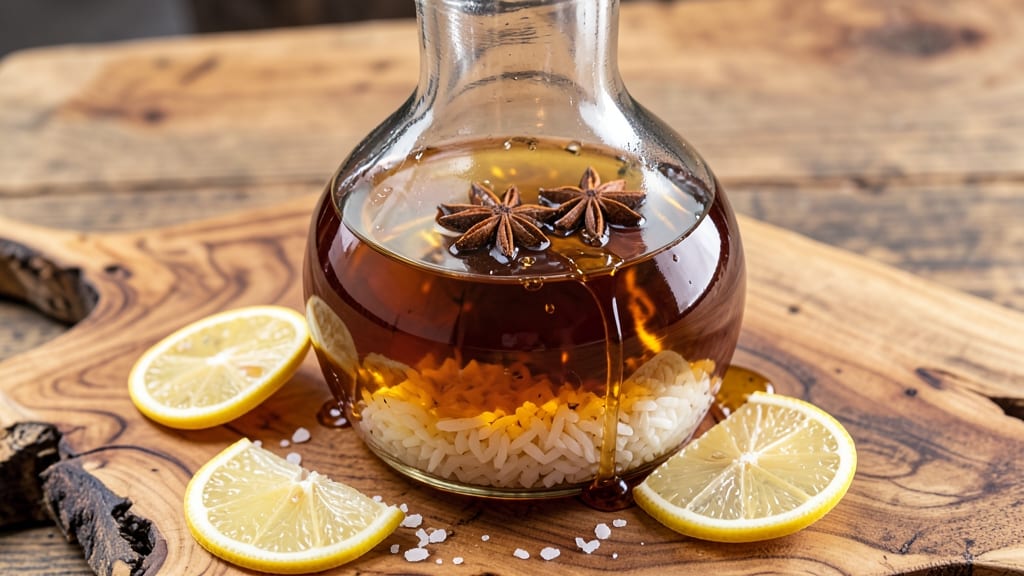
This rice wine recipe unlocks the fragrant depth that transforms simple dishes into something extraordinary. The subtle sweetness and umami richness of properly fermented rice wine elevate marinades, braises, and stir-fries to restaurant-quality levels.
I first discovered its magic when I made a batch of Chinese red-braised pork that tasted like a Michelin-starred restaurant's secret weapon.
The beauty of rice wine lies in its versatility—just a few tablespoons can brighten up a stir-fry, tenderize tough proteins, or deglaze a pan for silky sauces. Unlike store-bought versions, homemade rice wine develops complex layers of flavor over time, with notes of caramel, citrus, and subtle spice.
The process is simpler than you might think, requiring just rice, yeast, and patience.
What you'll achieve is a fragrant, golden liquid that adds elegance to any dish without overpowering it. The fermentation process creates natural depth that store-bought substitutes can't match, giving your cooking that professional touch.
Whether you're marinating fish for sashimi or braising meat for a weeknight dinner, this homemade rice wine will become your kitchen's most valuable ingredient.
Once fermented, you'll have enough to use in multiple recipes—think glazed vegetables, aromatic soups, or even rice wine cocktails. The possibilities are endless, and the process itself becomes oddly satisfying as you watch the flavors develop over weeks. Let's get started on creating your own fragrant rice wine masterpiece.
Ingredients for rice wine
Rice, yeast, and patience create this fragrant, golden elixir that transforms dishes into restaurant-quality masterpieces.
| Ingredient | Amount | Notes |
|---|---|---|
| Jasmine Rice 🍚 | 2 cups | Uncooked, long-grain preferred |
| Active Dry Yeast 🍞 | ¼ oz | Or 2.25g for precise measure |
| Granulated Sugar 🍬 | ½ cup | White sugar, organic preferred |
| Distilled Water 💧 | 4 cups | Filtered or boiled and cooled |
| Rice Wine Vinegar 🍶 | ¼ cup | For acidity balance |
| Star Anise 🌟 | 2 whole | For aromatic depth |
| Cinnamon Stick 🌿 | 1 whole | 1-inch length preferred |
| Cloves 🌶️ | 4 whole | Whole, not ground |
| Salt 🧂 | ½ tsp | Diamond Crystal preferred |
| Honey 🍯 | ¼ cup | Raw, unprocessed preferred |
| Lemon Peel 🍋 | 1 strip | Organic, no pith |
| Cheesecloth 🧻 | 1 sheet | For straining, or coffee filter |
| Rubber Band 🔗 | 1 whole | For securing cloth |
| Glass Jar 🥫 | 1 quart-sized | Sterilized, airtight lid |
The jasmine rice is your flavor foundation—look for high-quality, fragrant varieties at Asian markets or well-stocked grocery stores like Whole Foods. The yeast needs to be fresh, so check the date on the package (it should be within 6 months of production). Star anise and cinnamon sticks add depth, but if you can't find them, a pinch of ground cinnamon and a dash of anise extract will work in a pinch. The honey should be raw and unfiltered—Manuka or local varieties add extra complexity. For the lemon peel, organic is key to avoid wax residue that can cloud the flavor. Sterilize your jar by boiling it for 10 minutes to prevent contamination during fermentation.
No jasmine rice? Basmati or short-grain white rice works fine, though the aroma won't be as pronounced. Out of yeast? Active dry yeast from a baker's section is more reliable than rapid-rise. The rice wine vinegar can be swapped for apple cider vinegar or white vinegar, but the flavor will be slightly sharper. If you're missing any of the spices, skip them—the base will still be delicious. For the honey, maple syrup or agave can substitute, though the flavor profile will differ slightly. The cheesecloth can be replaced with a clean coffee filter or even a double layer of paper towels, though it won't be as sturdy. If you don't have a quart jar, any clean, airtight container between 32 and 64 ounces will work—just adjust the proportions accordingly.
This rice wine develops best over 4-6 weeks, but it's safe to use after just 2 weeks if needed. Store it in a cool, dark place—a pantry or cellar is ideal, away from direct sunlight. Once opened, it'll keep in the fridge for up to 6 months, though the flavor continues evolving. I like to taste-test every few weeks—the longer it ferments, the more complex it gets. For best results, use it within 3 months of full fermentation. If you make extra, freeze portions in ice cube trays for easy use in future recipes.
Why You'll Love This Recipe
- No Yeast Stress: I swear by this method—just toss in the yeast with warm water and sugar, let it sit for 10 minutes, and you’re done. No proofing drama, no waiting around. That jasmine rice soaks up the fermented flavor like a sponge, and honestly? It’s foolproof.
- Bright & Tangy Kick: The rice wine vinegar cuts through the sweetness in a way that’s chef’s kiss—not too sour, not too sharp, just that perfect balance. The yeast adds a subtle depth, almost like a light effervescence, that makes every bite feel special. (Yes, even on a Tuesday night.)
- Meal Prep MVP: Make a big batch on Sunday, and you’ve got a pantry staple for weeks. Use it in stir-fries, as a marinade, or even drizzled over congee. My kids ask for it in their lunches—no exaggeration—and it keeps for months in the fridge.
- Budget-Friendly Magic: Jasmine rice and yeast are cheap, and a little vinegar goes a long way. This isn’t some fancy fermented experiment; it’s a reliable, flavor-packed base that turns basic meals into something memorable. Between us, it’s my secret weapon for making leftovers taste fresh.
Step-by-step instructions for fermented rice wine
Transform simple ingredients into fragrant, complex rice wine through precise fermentation techniques.
Prepare the Fermentation Base
In a clean quart-sized glass jar, combine the 2 cups jasmine rice with 4 cups distilled water. Stir gently to fully hydrate the grains, then add the 0.5 cup granulated sugar and 0.25 cup honey. The mixture should feel slightly syrupy as the sugars begin to dissolve. Here's the thing—using distilled water prevents unwanted microbial competition during fermentation.
Next, add the 2 whole star anise, 1 whole cinnamon stick, 4 whole cloves, and 1 strip lemon peel. These aromatic spices will infuse the wine with complex, warm flavors. Secure the jar with its airtight lid and let it sit at room temperature for 24 hours. This initial soaking period allows the rice to begin breaking down and the spices to steep fully.
Activate the Yeast and Begin Fermentation
After 24 hours, remove the lid and sprinkle the 0.25 oz active dry yeast evenly over the surface. Replace the lid loosely (leave a small gap or use a fermentation lock if available) to allow carbon dioxide to escape while preventing contaminants from entering. This is where the magic happens: the yeast will consume the sugars and produce alcohol and carbon dioxide.
Place the jar in a dark, warm location (around 75°F) for 7 days. You'll notice bubbles forming and a slight effervescence—this indicates active fermentation. Stir the mixture gently every 2-3 days to distribute the yeast evenly. The goal is to create a smooth, homogenous liquid with no sediment clumps. If you see mold developing, discard the batch immediately as this indicates contamination.
Strain and Age the Wine
After 7 days, line a strainer with the cheesecloth and secure it with the rubber band. Pour the fermented mixture through the strainer into a clean quart-sized glass jar, pressing gently on the solids to extract all the liquid. Discard the spent rice and spices. This step is crucial for clarity—any remaining solids will cloud your final product.
Add the 0.25 cup rice wine vinegar and 0.5 tsp salt to the strained liquid. The vinegar adds acidity that balances the sweetness and preserves the wine, while the salt enhances flavor complexity. Stir well to combine, then seal the jar tightly. Store in a cool, dark place for 30 days, allowing the flavors to meld and mature. The longer it ages, the more complex and refined the taste becomes.
Bottle and Store for Serving
After the 30-day aging period, your rice wine is ready to be enjoyed. Pour it through a fine-mesh sieve into clean bottles to ensure complete clarity. The final product should have a pale golden hue with a delicate aroma of citrus, spice, and subtle sweetness. For best results, refrigerate the bottled wine and consume within 3 months.
This homemade rice wine pairs beautifully with Asian cuisine, especially dishes like braised pork or steamed dumplings. The fermentation process creates a unique balance of sweet, tangy, and aromatic notes that store-bought versions simply can't match. Each batch develops its own character based on your environment and ingredients, making it a truly personalized creation.
Pro Tips For Making Rice Wine
- Sterilize Your Gear First: I learned this the hard way—skipping sterilization means your rice wine might turn into vinegar before it even ferments. Boil all jars, lids, and tools in water for 10 minutes, then cool completely. Trust me, the extra 15 minutes now saves weeks of disappointment later.
- Bloom the Yeast Slowly: Dump that yeast straight into cold water, and it’ll just sit there like a lazy roommate. Instead, mix the sugar and warm distilled water (95–105°F) first, then add yeast—wait 5–10 minutes until it’s frothy. No bubbles? Start over. This isn’t the time to rush.
- Rinse the Jasmine Rice: Unrinsed rice turns your ferment cloudy and gummy. Swirl the jasmine rice in a fine-mesh strainer under cold water until the water runs clear—no need to soak, just rinse. Sounds tedious, but it’s the thing that keeps your rice wine bright and clean-tasting.
- Use Filtered Vinegar: Cheap rice wine vinegar with additives or sediment will throw off your ferment’s balance. Grab a clear, unfiltered brand (like Kikkoman) and strain it through a coffee filter before adding. Your final product will taste like it was made with care—not like it was an afterthought.
Best sauces and condiments for these flavors
Classic Soy-Ginger Glaze
This is my go-to sauce for glazing meats and vegetables, where the homemade rice wine adds depth that store-bought versions can't match. Combine ¼ cup homemade rice wine with 2 tbsp soy sauce, 1 tbsp honey, 1 tbsp grated fresh ginger, and 1 clove minced garlic.
Simmer for 5 minutes until slightly reduced, then brush generously over grilled chicken or roasted carrots. The rice wine's fermentation notes elevate the umami profile beautifully. 🍗
Sweet Chili Sauce
For a perfect balance of heat and sweetness, mix 3 tbsp rice wine with 2 tbsp rice vinegar, 1 tbsp chili garlic sauce, 1 tbsp honey, and 1 tsp sesame oil. This sauce works wonders on spring rolls or as a dipping sauce for dumplings.
The rice wine's subtle sweetness tames the heat while adding complexity. I like to add a pinch of white pepper for extra depth. 🌶️
Creamy Coconut Curry
Transform your rice wine into a curry base by sautéing 1 tbsp minced garlic and 1 tbsp minced ginger in 1 tbsp coconut oil. Add 2 tbsp rice wine, 1 tbsp red curry paste, and 1 cup coconut milk.
Simmer for 10 minutes before adding your protein of choice. The rice wine's fermentation mellows the curry's heat while adding a delicate floral note. 🥥
Marinade for Seafood
For delicate seafood like shrimp or scallops, create a light marinade with 3 tbsp rice wine, 1 tbsp mirin, 1 tbsp soy sauce, and 1 tsp grated daikon radish.
Marinate for 15-20 minutes only—longer exposure can make seafood mushy. The rice wine tenderizes while adding a fragrant aroma that enhances the natural sweetness of the seafood. 🦐
Rice Wine Cocktail Syrup
Add a unique twist to cocktails by creating a simple syrup with ½ cup rice wine, ½ cup water, and ½ cup sugar. Simmer until sugar dissolves, then chill. Use this syrup in spritzers or mixed drinks for a subtle floral note.
I love adding it to a gin and tonic for an Asian-inspired twist. The rice wine's complexity shines in both sweet and savory cocktails. 🍹
Deglazing Sauce
After searing meat, deglaze your pan with ¼ cup rice wine to create a quick sauce. Add 1 tbsp cornstarch mixed with 2 tbsp water to thicken, then reduce by half.
This sauce works perfectly with beef or pork and adds a glossy finish. The rice wine's fermentation brings out the meat's natural flavors while adding a touch of sweetness. 🥘
Nutrition facts
Frequently asked questions
How long does homemade rice wine last once opened?
Once opened, store your rice wine in the refrigerator and use it within 6 months for optimal flavor. The fermentation process continues slowly even after opening, so the taste will evolve over time. For best results, consume within 3 months to experience the peak complexity of flavors.
Can I substitute any ingredients if I don't have jasmine rice?
Yes! Use basmati or short-grain white rice as alternatives, though the aroma will be less pronounced. For the yeast, active dry yeast from a baker's section works best. If you're missing spices like star anise or cinnamon, skip them—the base will still be delicious. The honey can be replaced with maple syrup or agave, though the flavor profile will differ slightly.
What's the best way to store homemade rice wine before opening?
Keep your rice wine in a cool, dark place like a pantry or cellar for up to 3 months after full fermentation. Direct sunlight and heat can degrade the flavors, so avoid storing it in the fridge before opening. Once opened, always refrigerate to slow further fermentation.
How do I know if my rice wine fermentation went wrong?
Watch for signs of contamination: mold growth (fuzzy spots), unpleasant sour or rotten smells, or excessive foaming. If you see mold, discard the batch immediately. Proper fermentation should have a clean, slightly sweet aroma with gentle bubbling. If it smells off or looks cloudy, it's best to start over.
What are the best dishes to use this rice wine in?
This fragrant rice wine shines in braised pork, stir-fries, glazed vegetables, and seafood marinades. Try it in a soy-ginger glaze for meats or as a deglazing sauce for pans. The subtle sweetness and umami depth elevate both savory and slightly sweet dishes beautifully.