
Main Courses
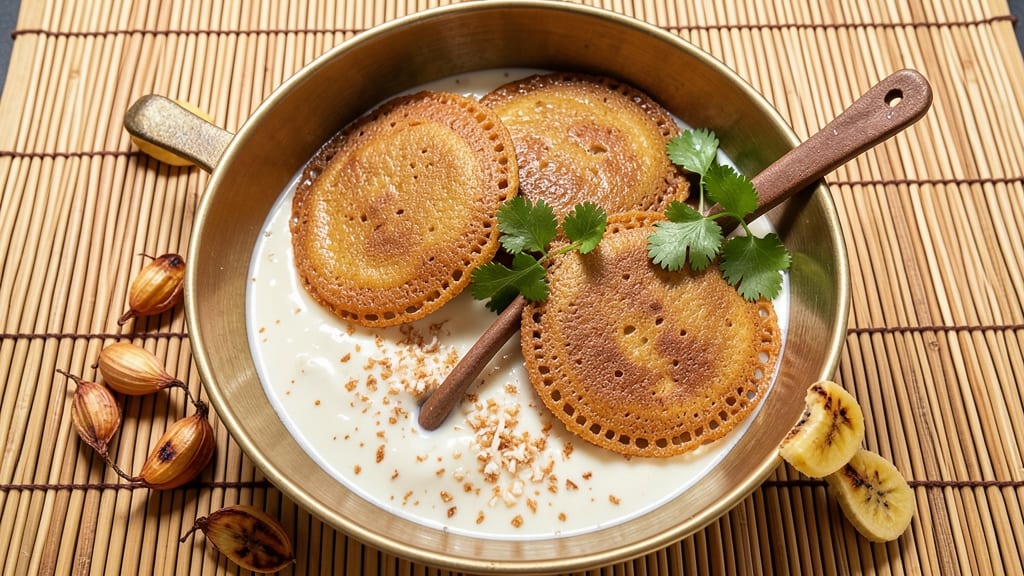
This brown rice appam recipe transforms simple ingredients into golden, fluffy South Indian pancakes with a crisp edge and tender center—perfect for breakfast or brunch. The secret lies in fermenting the batter overnight, which develops a subtle tang and lightness that sets it apart from regular appam.
Brown rice flour adds a nutty depth, while coconut milk creates that signature creamy texture and aromatic sweetness.
What makes these appam truly special is their versatility—serve them steaming hot with coconut milk and jaggery for a traditional touch, or pair them with sambar and chutney for a hearty meal. The recipe balances authenticity with approachability, ensuring you achieve that signature crispy edge every time.
Ready in just 20 minutes after fermentation, these appam are a game-changer for anyone craving restaurant-quality South Indian flavors at home.
Ingredients for brown rice appam
Brown rice flour, coconut milk, and fermented batter create these golden, crisp-edged South Indian pancakes.
| Ingredient | Amount | Notes |
|---|---|---|
| Brown Rice Flour 🌾 | 1 ½ cups | Stone-ground for optimal texture |
| All-Purpose Flour 🌾 | ½ cup | For structural balance |
| Unsweetened Coconut Milk 🥥 | 1 cup | Full-fat for richness |
| Water 💧 | ¾ cup | Filtered preferred |
| Sugar 🍯 | ¼ cup | White or jaggery |
| Active Dry Yeast 🍞 | ¼ tsp | Fresh yeast if available |
| Salt 🧂 | ½ tsp | Diamond Crystal preferred |
| Ghee 🧈 | 2 tbsp | Clarified butter for frying |
| Fresh Coconut Grated 🥥 | ¼ cup | For garnish and aroma |
| Jaggery 🍯 | ¼ cup | Traditional sweetener |
| Cardamom Powder 🌿 | ¼ tsp | Ground for aromatic depth |
The brown rice flour is the heart of this recipe—stone-ground varieties from Indian specialty stores like Patel Brothers or Saffron Road yield the best texture. If using pre-ground flour, sift it to avoid lumps. Coconut milk should be full-fat for that signature creamy richness; Thai Kitchen or Goya brands work well. For jaggery, Indian grocery stores carry the traditional palm sugar in blocks—grate it yourself for authenticity. Cardamom is non-negotiable; ground cardamom from Penzeys delivers consistent flavor without the hassle of grinding whole pods.
No brown rice flour? Substitute with equal parts white rice flour—texture will be slightly less nutty but still functional. Running short on jaggery? Brown sugar or coconut sugar work in a pinch, though the flavor profile shifts slightly. The yeast must be active—test it in warm water with a pinch of sugar; if it foams within 5 minutes, it's good to go. For a vegetarian-friendly ghee alternative, coconut oil works perfectly (use the same amount). The batter ferments best at room temperature—place the bowl in a warm spot like near the oven with the light on.
Fermented batter keeps for up to 2 days in the fridge, though flavor peaks at 12-16 hours. For longer storage, freeze portions in ice cube trays—thaw overnight in the fridge before cooking. Ghee reheats beautifully—warm it gently before each use to maintain its delicate flavor. These appam reheat well; wrap them in parchment paper and warm in a 350°F oven for 5-7 minutes to restore crispiness. The grated coconut garnish should be added fresh—it loses its aroma when stored.
Why You'll Love This Recipe
- No-Fuss Batter: I swear by this mix—just brown rice flour, a splash of coconut milk, and water. No whisking until your arm falls off, no waiting for dough to rest. The secret? A quick blend, then let gravity do the work while you pour those perfect little pancakes.
- Coconut Cream Magic: That unsweetened coconut milk transforms everything. The batter stays luscious without being heavy, and when it hits the pan, you get this just-right crispness around a pillowy center. Honestly, it’s the kind of flavor that makes you pause mid-bite.
- Breakfast or Snack: Make a batch on Sunday and keep them in the fridge for days. Warm them up with a sprinkle of sugar for breakfast, or serve with curry later—no one judges. (Yes, even on a Tuesday night when you’re running late.)
- Budget-Friendly Staple: Brown rice flour’s cheaper than refined flour, and coconut milk stretches further than you’d think. Plus, these keep well enough that you’re not scrambling to use them up before they go bad. My wallet and my taste buds win.
Step-by-step instructions for brown rice appam
Master the art of fermenting and frying these fluffy South Indian cakes with precise technique.
Activate the Yeast and Prepare the Batter Base
In a small bowl, combine the 0.75 cup water with the 0.25 tsp active dry yeast and 0.25 cup sugar. Let this mixture sit in a warm place for 10-15 minutes until it becomes frothy and bubbly. This activation step is crucial—it ensures your appam will rise properly. If using fresh yeast, dissolve it directly in the warm water without sugar first.
While the yeast activates, whisk together the 1.5 cups brown rice flour, 0.5 cup all-purpose flour, 0.5 tsp salt, and 0.25 tsp cardamom powder in a large mixing bowl. This dry combination prevents lumps and ensures even distribution of flavors throughout the batter. I like to sift the flours together once for extra smoothness, especially if using stone-ground brown rice flour.
Combine Wet Ingredients and Ferment Overnight
Once the yeast mixture is bubbly, pour it into the dry ingredients along with the 1 cup unsweetened coconut milk. Mix vigorously with a whisk or silicone spatula until you achieve a smooth, lump-free batter with a consistency similar to thick pancake batter. The batter should coat the back of a spoon but still be pourable.
Transfer the batter to a clean, airtight container and let it ferment at room temperature for 8-12 hours. I prefer fermenting overnight in a slightly warm kitchen (around 75-80°F). You'll know it's ready when the batter has nearly doubled in volume, developed a slightly tangy aroma, and shows small bubbles throughout. This fermentation step creates the signature fluffy texture—don't skip it or your appam will be dense.
Prepare the Jaggery-Coconut Filling
While the batter ferments, make the filling by combining the 0.25 cup jaggery and 0.25 cup grated fresh coconut in a small saucepan. Warm over low heat, stirring constantly until the jaggery melts completely and the mixture becomes smooth. Remove from heat and let cool to room temperature. This filling should have a thick, spreadable consistency—similar to dulce de leche but firmer.
Here's the thing—jaggery has a lower melting point than sugar, so watch it carefully to prevent burning. If the mixture starts to darken too quickly, reduce the heat immediately. The filling should be ready when it's cool enough to handle but still pliable for shaping.
Shape and Fry the Appam
Heat 2 tablespoons ghee in a non-stick skillet over medium heat until it shimmers but doesn't smoke. Using a small ladle or spoon, carefully drop 2-tablespoon portions of the fermented batter into the hot ghee. I use a wet spoon to help release the batter cleanly from the ladle. The batter should spread naturally into thin, round circles.
Cook each appam for 2-3 minutes per side until golden brown spots appear on the surface. Here's the critical part: don't press down on the appam while frying—this prevents them from puffing up properly. When the edges start to crisp and the centers look set, it's time to flip. I use a thin spatula to carefully turn them, being mindful of the hot ghee.
Fill and Serve with Warm Coconut Accents
Once all appam are golden and puffed, transfer them to a wire rack to cool slightly. While still warm, use a small spoon to create a well in the center of each appam. Fill each one with about 1 teaspoon of the jaggery-coconut mixture, pressing gently to adhere. The residual heat from the appam will help the filling soften and blend with the cake.
Garnish immediately with additional grated fresh coconut and serve warm. The contrast between the fluffy, fermented cake and the rich, tangy jaggery filling creates the perfect balance of textures and flavors. For an extra touch, drizzle a little melted ghee over the top just before serving—this enhances the nutty aroma of the brown rice flour and ties all the flavors together.
Pro Tips For Making Brown Rice Appam
- Sift the Flours Together: Brown rice flour is heavy—don’t just dump it in. Sift it with the all-purpose flour first to break up clumps and distribute the coconut milk evenly. I learned this the hard way when my first batch turned out dense and chewy instead of light and fluffy.
- Use Warm Coconut Milk: Cold coconut milk can make the batter too thick, no matter how much water you add. Warm it slightly (just until it’s hand-hot) before mixing—it blends smoother and gives you a more consistent pour. Trust me, your appams will thank you.
- Rest the Batter: Skip this, and your appams will crack or puff unevenly. Let the batter sit for 10-15 minutes after mixing—it relaxes the gluten and lets the flours absorb the liquid properly. I know, it feels like wasted time, but it’s the difference between a floppy mess and a perfect golden lace.
- Medium-High Heat Only: Too low, and the appam steams into a soggy pancake. Too high, and it burns before the edges set. Medium-high heat is your sweet spot—just enough to sizzle lightly without smoking. Adjust your stove if needed; consistency matters more than speed here.
Essential equipment for great brown rice appam
Fermentation Essentials
Your fermentation game changes everything with these tools. A glass mixing bowl (like Pyrex) is ideal for monitoring batter rise—look for doubling in volume and bubbly texture. I use a digital kitchen scale to measure the 1.5 cups brown rice flour precisely, as variations in grind affect fermentation.
For warmth control, a proofing box (or even a turned-off oven with light on) maintains 75-80°F—critical for consistent results. 🌡️
Frying Must-Haves
Non-stick skillets are non-negotiable—I swear by Made In Germany or Calphalon for even heat distribution. A small ladle (like OXO Good Grips) helps portion the batter cleanly. For flipping, a thin silicone spatula prevents sticking better than metal.
Keep a wire cooling rack nearby to prevent soggy bottoms while filling. Pro tip: Use a thermometer to monitor ghee at 350°F—too hot and your appam burn before puffing.
Garnish & Serve
Freshly grated coconut deserves a microplane (like Kuhn Rikon) for ultra-fine texture. A small offset spatula helps spread jaggery filling neatly. For serving, I use wooden plates—they keep appam warm longer and add rustic charm.
A small saucepan with a heat diffuser is perfect for melting jaggery without burning. 🥥
Storage Solutions
Fermented batter thrives in airtight glass containers (like Le Parfait) for up to 2 days. For long-term storage, silicone ice cube trays work brilliantly—freeze portions and thaw overnight. Reheat appam in a 350°F oven for 5-7 minutes wrapped in parchment.
A parchment paper roll keeps them crispy during transport. Store ghee in a dark glass jar in the fridge to preserve its delicate flavor.
Budget-Friendly Swaps
Skip the fancy scale? Use a standard measuring cup for flours, though accuracy drops slightly. No proofing box? A thermos with warm water creates a makeshift warm environment. Replace Made In Germany skillet with a well-seasoned cast iron—just monitor heat more carefully.
For jaggery, brown sugar works in a pinch (though texture differs). A wooden spoon handles batter better than metal if you're tight on tools. 💡
Nutrition facts
Frequently asked questions about brown rice appam
Why does my brown rice appam batter not rise properly?
Fermentation requires active yeast and ideal conditions. First, check your yeast by testing it in warm water with sugar—it should foam within 5-10 minutes. Keep the batter in a warm spot (75-80°F) for 8-12 hours; cold environments slow fermentation. If using brown rice flour, ensure it's fresh—older flour may contain fewer nutrients that support yeast activity.
Can I make brown rice appam without jaggery?
Jaggery adds a traditional sweetness, but you can substitute with brown sugar, coconut sugar, or even honey (reduce by 10% since it's more liquid). For a savory twist, skip the sweetener entirely and serve with coconut chutney or sambar. The filling can also be made with just grated coconut and a pinch of salt for a neutral flavor base.
How do I prevent my appam from sticking to the pan?
Use a well-seasoned non-stick skillet and ensure it's hot enough before adding batter—ghee should shimmer but not smoke. Portion the batter carefully with a wet spoon to help release cleanly. Never press down on the appam while cooking; let them puff naturally. If sticking occurs, reduce heat slightly or add a tiny bit more ghee. A thin silicone spatula makes flipping easier than metal tools.
What's the best way to store leftover brown rice appam?
Cool completely, then store in an airtight container at room temperature for up to 2 days. For longer storage, wrap individually in parchment paper and freeze for up to 1 month. Reheat in a 350°F oven for 5-7 minutes to restore crispiness. The fermented batter keeps in the fridge for 48 hours—just let it sit at room temp for 30 minutes before using to restore proper consistency.
Can I make brown rice appam gluten-free?
Yes! Replace the 0.5 cup all-purpose flour with an equal amount of gluten-free 1:1 baking flour (like Bob's Red Mill). Ensure your brown rice flour is certified gluten-free. The texture may be slightly denser, but fermentation will still work. For extra fluffiness, add 0.25 tsp xanthan gum to the batter. Always check labels on coconut milk and jaggery for hidden gluten sources.