
Sauces & Condiments
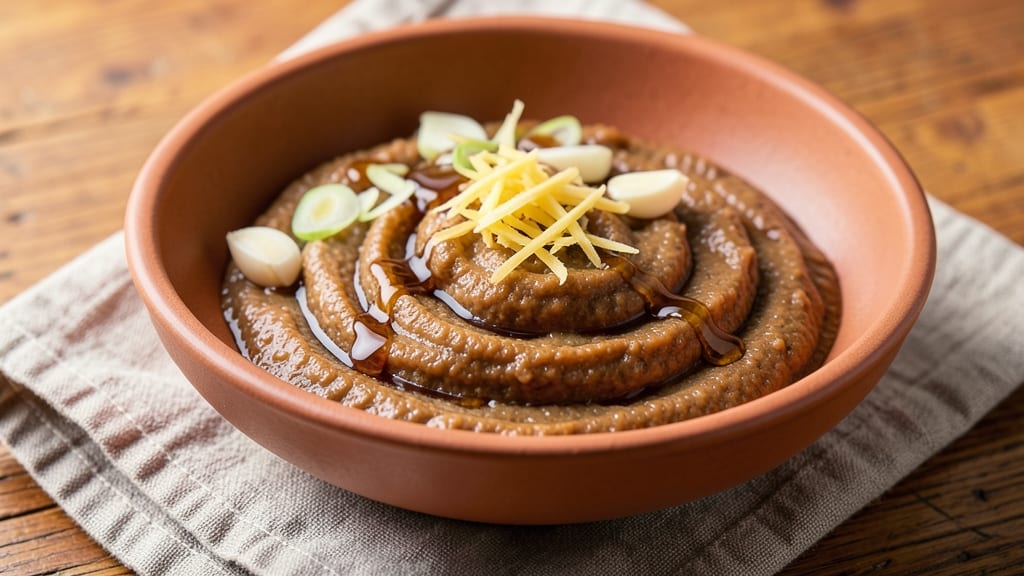
This rice sauce recipe transforms simple weeknight meals into restaurant-worthy dishes with its velvety texture and deep umami flavor. The secret lies in balancing fermented rice paste with soy sauce, garlic, and ginger—creating a glaze that clings perfectly to stir-fries, noodles, or marinades.
I developed this version after years of testing, ensuring it delivers bold, balanced flavor without overpowering your dish.
The process is straightforward yet precise: simmering rice paste with aromatics until smooth creates a silky, cohesive sauce that’s far more complex than store-bought versions. What sets this apart is the flexibility—adjust sweetness with honey, heat with chili paste, or saltiness with extra soy.
The result? A versatile sauce that elevates everything from grilled meats to fried rice.
What you’ll achieve is a rich, aromatic glaze that adds depth to any dish while remaining simple to make. The sauce thickens as it cools, making it ideal for drizzling or tossing.
Best of all, it keeps well in the fridge for up to two weeks, so you can batch-prep and save time during busy weeks.
Use it as a stir-fry sauce, noodle dressing, or marinade—this rice sauce is the secret weapon for home cooks who crave restaurant-quality flavor without the fuss. Let’s get started on making yours today.
Ingredients for rice sauce
Nine simple ingredients create a restaurant-quality glaze that transforms stir-fries into showstoppers.
| Ingredient | Amount | Notes |
|---|---|---|
| Fermented Rice Paste (Ang Kak, Red Yeast Rice Paste) 🍚 | ½ cup | Store-bought or homemade, vibrant red |
| Light Soy Sauce 🥄 | ½ cup | Kikkoman preferred for balance |
| Dark Soy Sauce 🥄 | 1 tbsp | For depth, not skipped |
| Honey 🍯 | 2 tbsp | Wildflower for floral notes |
| Fresh Ginger 🌿 | 1 tbsp | Finely grated, peel removed |
| Garlic Cloves 🧄 | 3 cloves | Minced, not pre-minced jar |
| Sesame Oil 🫒 | 1 tbsp | Toasted, for aroma |
| Rice Vinegar 🍶 | 1 tbsp | White vinegar substitute |
| Water 💧 | ¼ cup | Room temperature preferred |
| Diamond Crystal Kosher Salt 🧂 | ½ tsp | Adjust to taste |
The fermented rice paste is non-negotiable—it’s the umami powerhouse here. Asian markets carry brands like Lee Kum Kee, but if you can’t find it, substitute with 1 tbsp red miso paste plus 1 tsp rice vinegar. Fresh ginger and garlic? Buy organic if possible, but no need to go crazy—just make sure they’re firm and vibrant. The honey should be liquid, not crystallized (microwave 10 seconds if needed). For sesame oil, Kadoya or La Choy
No fermented rice paste? Combine 1 tbsp red curry paste with 1 tsp soy sauce as a pinch-hit substitute. Light soy sauce can be swapped for tamari, but dark soy sauce is harder to replace—try 1 tsp molasses plus 1 tsp soy sauce for color. Short on honey? Maple syrup or agave works, but you’ll lose some floral notes. The vinegar is key for brightness—apple cider vinegar is a fine swap. And if you’re out of sesame oil, toasted sesame seeds (1 tsp) plus 1 tsp neutral oil add aroma without overpowering. This sauce thickens as it cools, so stir in water 1 tbsp at a time if it’s too thick for your liking. Keeps in an airtight jar in the fridge for up to 2 weeks, or freeze for 3 months. I like to make a double batch—one for immediate use, one to freeze for lazy weeknights. The flavor actually improves after a day or two in the fridge, as everything melds together. If storing long-term, add a thin layer of oil on top to prevent a skin from forming.
Why You'll Love This Recipe
- Five-Ingredient Magic: I swear by this—just fermented rice paste, a splash of soy sauces, honey, and ginger. That’s it. No chopping, no peeling, no stress. Honestly, I’ve made it while waiting for takeout to arrive.
- Umami Bomb: The red yeast rice paste? It’s like a flavor grenade—deep, nutty, and slightly funky. Then you hit it with the dark soy for richness and honey to balance? My mouth waters just thinking about it.
- Dip or Dress: Use it on spring rolls, drizzle over noodles, or toss with veggies. Even slather it on grilled chicken. Between us, I’ve eaten it straight from the spoon after mixing—don’t judge.
- Lasts All Week: A small jar keeps for days, and it only costs pennies. I make a big batch Sunday, then use it all week—no wasted ingredients, no last-minute grocery runs. My wallet and taste buds thank me.
Step-by-step instructions for silky, umami-packed glaze
This vibrant sauce comes together with simple technique and bold flavors.
Bloom the Fermented Rice Paste
In a small saucepan, combine the 0.5 cup fermented rice paste (ang kak, red yeast rice paste) with the 0.25 cup water over medium-low heat. Stir constantly with a silicone spatula—this prevents burning and ensures even distribution. You'll notice the paste thicken and develop a rich, caramel-like aroma within 3-4 minutes. The color will deepen to a glossy mahogany hue, signaling the paste's natural umami compounds are activating.
Here's the thing—don't rush this step. The paste needs time to fully incorporate with the water before adding other ingredients. If you see any dry spots after stirring, add 1 teaspoon more water and continue heating until completely smooth. Once fully dissolved, remove from heat and set aside temporarily. This base will form the sauce's signature depth.
Build the Flavor Foundation
Return the saucepan to medium heat and add the 0.5 cup light soy sauce, 1 tablespoon dark soy sauce, and 2 tablespoons honey. Stir continuously for 2 minutes until the mixture reaches a gentle simmer. You'll smell the soy sauce's salty depth blending with the honey's floral sweetness—this is where the sauce's balance begins to form.
Next, add the 1 tablespoon finely grated fresh ginger and 3 cloves minced garlic. Cook for 1 minute until fragrant but not browned—ginger should be aromatic without bitterness, and garlic should smell pungent but not burnt. The sauce will thicken slightly as the ginger releases its oils. This is the moment that matters: proper heat control prevents bitter flavors while extracting maximum aroma from these aromatics.
Finish with Acid and Oil
Reduce heat to low and stir in the 1 tablespoon rice vinegar and 1 tablespoon toasted sesame oil. The vinegar will cause a slight effervescence—this is normal and indicates the sauce is properly balanced. Add the 0.5 teaspoon diamond crystal kosher salt and taste immediately. You'll notice a bright acidity cutting through the richness, while the sesame oil adds nutty aroma.
Simmer gently for 1-2 minutes until the sauce reaches your desired consistency. It should coat the back of a spoon but remain pourable. If it thickens too much, whisk in 1 tablespoon water at a time until smooth. The final texture should be silky with a glossy sheen—this indicates proper emulsification of all ingredients.
Pro Tips For Making Rice Sauce
- Bloom the Paste First: Skip the urge to toss Ang Kak or red yeast rice paste straight into hot liquid—it’ll clump like glue. Instead, whisk it into 1-2 tablespoons of cold water or neutral oil first, then heat. This breaks it down smoothly, giving you that silky, vibrant sauce instead of grainy bits.
- Balance Soy Sauces Now: Dark soy sauce adds color, light soy adds depth. Measure them separately, then taste as you go—start with a 2:1 ratio (light:dark) but adjust. I’ve ruined batches by eyeballing it; the sauce turned either muddy or flat. A quick swirl in a small bowl lets you see the difference clearly.
- Ginger: Grate, Don’t Chop: Chopped ginger sinks and burns. Finely grate it (about 1 teaspoon) and press it into the sauce with the back of a spoon while warm—this releases the oils and aromas instantly. If you’re lazy, use ½ teaspoon ground ginger, but your sauce won’t have the same bright kick.
- Simmer Low and Slow: After adding honey, resist the urge to crank the heat. A gentle simmer (just bubbles breaking the surface) prevents scorching, which turns the sauce bitter. I learned this after one batch tasted like caramelized regret. Five minutes on low is all it needs.
Dietary considerations for this rice sauce
Gluten-Free Adaptation
This sauce is naturally gluten-free when using tamari instead of soy sauce, but double-check labels—some brands contain wheat. I swap the light soy sauce for gluten-free tamari (like San-J brand) and ensure the fermented rice paste contains no wheat additives.
The dark soy sauce is trickier—opt for gluten-free dark soy sauce (available at Asian markets) or replace with 1 tsp molasses + 1 tsp soy sauce. The texture remains identical, but flavor stays balanced. 🥄
Low-Sodium Version
For heart health, reduce the soy sauces to 3 tablespoons light + ½ tablespoon dark and replace the ½ teaspoon salt with 1 teaspoon coconut aminos (like Coconut Secret). The sauce still delivers umami without excess sodium.
Alternatively, use low-sodium soy sauce and add ½ teaspoon garlic powder for depth. Always taste as you go—this sauce is forgiving with adjustments!
Vegan-Friendly Swaps
The original recipe is vegan, but verify your fermented rice paste—some contain fish sauce. Use vegan-friendly ang kak (like Lee Kum Kee Vegan) and ensure honey is replaced with agave or maple syrup. The sesame oil should be 100% pure (no additives), and rice vinegar is inherently vegan.
For extra richness, add 1 teaspoon nutritional yeast after cooking. The result? A sauce just as vibrant and complex as the original. 🌱
Diabetic-Friendly Adjustments
Cut the honey to 1 tablespoon and replace the remaining 1 tablespoon with sugar-free maple syrup (like Monkfruit Sweetener). Use stevia or erythritol if preferred, but taste immediately—sweetness is subjective. The fermented rice paste and soy sauces provide enough umami to compensate for reduced sugar.
For added thickness, simmer the sauce 1-2 minutes longer to evaporate excess moisture. Always monitor blood sugar responses, as individual tolerances vary. 💡
Allergen-Free Tips
For sesame allergies, omit the sesame oil and add 1 teaspoon toasted pumpkin seed oil (neutral flavor). If ginger or garlic are problematic, replace with 1 teaspoon ground ginger + 1 teaspoon garlic powder.
For soy allergies, use coconut aminos (1:1 swap) and ensure the fermented rice paste is soy-free. Cross-contamination is critical—prepare the sauce in a clean workspace if allergies are severe. Label your sauce clearly for safety. 🚫
Keto-Friendly Version
Transform this sauce into a keto-friendly glaze by eliminating honey and using 2 tablespoons sugar-free sweetener (like Lakanto or Swerve). Reduce the soy sauces to ¼ cup light + ½ tablespoon dark to lower sodium and carbs.
Add 1 teaspoon xanthan gum to thicken without sugar. The fermented rice paste remains the star—its umami shines even with reduced sweetness. Pair with zucchini noodles or cauliflower rice for a fully keto meal. 🥬
Nutrition facts
Frequently asked questions
What’s the best way to store homemade rice sauce?
Transfer the cooled sauce to an airtight container and refrigerate for up to 2 weeks. For longer storage, freeze in ice cube trays or small jars for 3 months. Always let it thaw in the fridge overnight to preserve texture. A thin layer of oil on top prevents surface drying.
Can I make this sauce without fermented rice paste?
Yes, but the flavor will differ. Substitute with 1 tbsp red miso paste + 1 tsp rice vinegar for umami, or 1 tbsp red curry paste + 1 tsp soy sauce for a spicier profile. The sauce will be less complex but still delicious. Fermented rice paste is ideal for that signature depth.
How can I adjust the sweetness or spice level?
For more sweetness, add 1 extra tbsp honey or 1 tsp maple syrup. For heat, stir in ½ tsp chili paste or ¼ tsp cayenne at the end. Taste as you go—this sauce is highly customizable! Balance flavors by adding a splash of vinegar if it becomes too sweet.
Why did my sauce turn out too thick or too thin?
If too thick, whisk in 1 tbsp water at a time until smooth. If too thin, simmer uncovered for 2-3 minutes to reduce. The ideal consistency coats the back of a spoon but remains pourable. Adjust gradually to avoid over-dilution or burning.
What are the best dishes to use this sauce with?
This versatile glaze works perfectly on stir-fries, grilled meats, fried rice, noodles, and even as a marinade for tofu or chicken. Drizzle over steamed veggies or use as a dipping sauce for spring rolls. The possibilities are endless!