
Main Courses
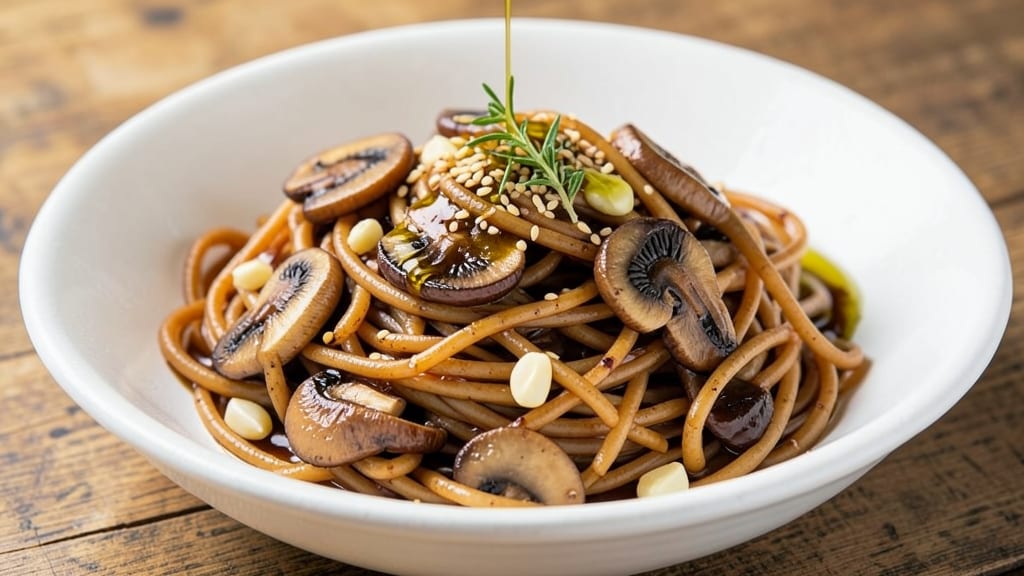
This brown rice spaghetti recipe transforms hearty grains into a satisfying, umami-rich meal that’s packed with nutty depth and fiber. 💛 The secret lies in cooking the rice and pasta together—creating a cohesive texture that’s chewier than traditional spaghetti while absorbing bold flavors like mushrooms, garlic, and soy sauce.
Perfect for a vegetarian-friendly dinner, this dish delivers restaurant-quality results with minimal effort.
Brown rice adds a satisfying bite and essential nutrients, while the pasta provides the familiar comfort of a classic Italian meal. The combination of earthy mushrooms, savory soy, and fresh herbs creates a flavor profile that’s both complex and approachable.
Ready in under 30 minutes, this recipe is ideal for weeknight dinners or meal prep—just add your favorite veggies or protein for a complete plate.
Ingredients for brown rice spaghetti
Transform simple grains into umami-rich spaghetti with these nutrient-packed ingredients.
| Ingredient | Amount | Notes |
|---|---|---|
| Brown Rice Spaghetti 🍚 | 8 oz | Vegetarian-friendly, whole grain |
| Short-Grain Brown Rice 🌾 | 1 cup | Uncooked, Arborio-style preferred |
| Shiitake Mushrooms 🍄 | 8 oz | Fresh, stems removed, sliced |
| Garlic Cloves 🧄 | 4 cloves | Minced, for depth of flavor |
| Low-Sodium Soy Sauce 🥢 | 3 tbsp | Kikkoman or San-J preferred |
| Extra-Virgin Olive Oil 🫒 | ½ cup | Light fruity variety for balance |
| Vegetable Broth 💧 | 2 cups | Low-sodium, homemade preferred |
| Fresh Parsley 🌿 | ¼ cup | Chopped, for bright finish |
| Fresh Thyme 🌿 | 1 tbsp | Leaves only, finely chopped |
| Sesame Oil 🫒 | 1 tsp | Toasted, for aroma |
| Diamond Crystal Kosher Salt 🧂 | 1 ½ tsp | Adjust to taste |
| Black Pepper 🌶️ | ½ tsp | Freshly cracked |
| Toasted Sesame Seeds 🌰 | 1 tbsp | For garnish, optional |
The brown rice spaghetti and short-grain brown rice form the heart of this dish—Arborio-style rice from Whole Foods or specialty stores ensures optimal texture. For mushrooms, shiitake delivers earthy depth, but cremini or oyster work equally well. Garlic should be freshly minced—pre-minced jars lack the aromatic punch. The vegetable broth is critical for building flavor; homemade with carrot, celery, and onion tops is ideal, but low-sodium store-bought brands like Pacific Foods suffice in a pinch. Fresh herbs elevate the dish, so garden-fresh parsley and thyme from the grocery store's produce section are preferable to dried alternatives.
No shiitake mushrooms? Cremini or oyster mushrooms provide similar texture, though with slightly different flavor profiles. Substitute low-sodium tamari for soy sauce in a 1:1 ratio if gluten is a concern. For extra richness, add 1 tbsp nutritional yeast—it mimics the umami of Parmesan without dairy. The sesame oil can be omitted if you prefer a lighter profile, but it adds a signature nutty aroma. When selecting brown rice spaghetti, check the label for 100% whole grain content—some brands contain refined flour. If you can't find Arborio-style brown rice, short-grain sushi rice works as a substitute, though texture will differ slightly.
Store uncooked ingredients in airtight containers to preserve freshness—mushrooms last 5-7 days in the fridge, while rice and pasta keep indefinitely in a cool, dark place. Cooked portions reheat beautifully; simply add a splash of water or broth to prevent drying. This dish freezes exceptionally well for up to 3 months, making it perfect for meal prep. For best results, garnish with sesame seeds immediately before serving—their toasted aroma enhances the dish's complexity. Leftovers taste even better the next day as flavors meld further.
Why You'll Love This Recipe
- No-Stress Cooking: I swear by this for nights when I’m too tired to think. Toss the brown rice spaghetti in boiling water for 3 minutes—yes, really—and you’re done. The short-grain rice holds its shape like magic, so no mushy mess here.
- Umami Bomb: That combo of shiitake mushrooms and low-sodium soy sauce? It’s the secret weapon. The mushrooms add this deep, earthy richness, while the soy sauce ties everything together without overpowering. Honestly, it’s the kind of flavor that makes you pause mid-bite.
- Lunchbox Hero: Between us, this is my go-to for meal prep. Cook a big batch, let it cool, and it reheats beautifully—no soggy noodles in sight. Pack it for work or school, and you’ve got a satisfying, protein-packed meal that won’t leave you sluggish.
- Budget Flex: Brown rice spaghetti and shiitake mushrooms stretch a long way, so you’re not breaking the bank. Plus, the garlic and soy sauce are pantry staples, meaning this dish is always within reach. Not the prettiest, but the taste makes up for it every time.
Step-by-step instructions for umami-packed brown rice spaghetti
Master this technique and you'll transform simple brown rice spaghetti into a restaurant-worthy dish with deep nutty flavor and umami richness.
🍳 Step 1: Toast the Short-Grain Brown Rice for Nutty Depth
Heat the 0.5 cup extra-virgin olive oil in a large skillet over medium heat until shimmering. Add the 1 cup short-grain brown rice and toast for 3-4 minutes, stirring constantly, until the grains turn a rich golden brown and release an intense nutty aroma.
This toasting step is crucial—it develops the rice's natural flavors and prevents a bland, starchy texture. Stir frequently to avoid burning, and watch for the moment when the rice begins to smell like toasted nuts. Remove from heat immediately once toasted, as the rice will continue cooking from residual heat.
🍳 Step 2: Build the Umami Sauce with Shiitake and Aromatics
In the same skillet (no need to wipe it clean—the browned bits add flavor), add 8 oz sliced shiitake mushrooms and cook for 5-6 minutes until they release their moisture and develop golden-brown spots. Add the 4 cloves minced garlic and cook for 30 seconds until fragrant.
Pour in the 2 cups vegetable broth and 3 tbsp low-sodium soy sauce, scraping up any browned bits from the bottom of the pan. Bring to a gentle simmer and cook for 8-10 minutes until the liquid reduces by half and the mushrooms are tender. This reduction concentrates the umami flavors that make this dish extraordinary.
🍳 Step 3: Cook the Brown Rice Spaghetti Al Dente
While the sauce simmers, cook the 8 oz brown rice spaghetti in a separate pot of boiling salted water for 1 minute less than the package instructions specify. The pasta will continue cooking in the sauce, and we want it al dente with a slight bite. Reserve ½ cup pasta water before draining.
I always taste-test the pasta at this stage—it should be firm to the bite but not rock-hard. If it's undercooked, return it to the boiling water for 30-second intervals until perfect. Drain immediately and add it directly to the skillet with the sauce, tossing vigorously to coat each strand.
🥘 Step 4: Finish with Herbs and Sesame Oil
Remove the skillet from heat and stir in the 1 tbsp chopped fresh thyme, 0.25 cup chopped fresh parsley, and 1 tsp sesame oil. The sesame oil adds a delicate aroma that complements the earthy mushrooms and nutty rice. Taste and adjust seasoning with additional diamond crystal kosher salt or black pepper as needed.
If the sauce appears too thick, add reserved pasta water 1 tablespoon at a time until it reaches a silky consistency that clings beautifully to the spaghetti. The sauce should coat the back of a spoon but still allow individual strands to be visible—a perfect balance between creaminess and texture.
🍽️ Step 5: Garnish and Serve Immediately
Transfer the spaghetti to serving plates and garnish with 1 tbsp toasted sesame seeds. The seeds add a final textural contrast and visual appeal. Serve immediately while the pasta is still hot, as the flavors continue to develop and meld together.
Each bite should deliver a harmonious blend of nutty rice, umami-rich mushrooms, and bright herbal notes. The dish pairs beautifully with a simple arugula salad or steamed greens to balance its rich, savory profile. Leftovers can be refrigerated for up to 3 days, though I find it's best enjoyed fresh.
Pro Tips For Making Brown Rice Spaghetti
- Toast the Rice Noodles: Dry your brown rice spaghetti thoroughly with a kitchen towel first—this prevents them from sticking into a gluey mess when they hit boiling water. I learned this the hard way after sloshing noodles that turned into one giant clump. A quick rub-down with a towel takes 30 seconds and saves you from untangling disaster.
- Slice Shiitakes Thin: Cut shiitake mushrooms against the grain into paper-thin slices—they’ll cook faster and absorb flavors better than thick chunks. I used to slice them like regular mushrooms, and they’d stay tough even after simmering. Thin slices also caramelize faster in the pan, adding depth to your sauce.
- Bloom Garlic in Oil: Cook minced garlic in oil for exactly 30 seconds until fragrant but not browned—overdoing it turns it bitter, and you’ll taste it in every bite. I was skeptical until I tried it: the garlic adds aroma without overpowering the earthy brown rice noodles. Keep the heat medium-low for this step.
- Reserve Noodle Water: Strain cooked noodles but save ½ cup of the starchy water—it’s liquid gold for adjusting sauce consistency later. I used to dump it without thinking, then scramble to thin my sauce with random broth. That starchy water blends seamlessly and adds chewiness back to the noodles.
Best sauces and condiments for this dish
Mushroom-Garlic Sauce
This earthy sauce is the heart of your dish, built from shiitake mushrooms and garlic that caramelize beautifully in the skillet. The key is cooking them until they release their moisture and develop golden-brown spots—about 5-6 minutes over medium heat.
I like to use Kikkoman low-sodium soy sauce here because its balanced saltiness enhances the mushrooms' umami without overpowering. 🍄
For extra depth, scrape up any browned bits from the pan—they're packed with flavor. If you're short on time, cremini mushrooms work just as well, though they'll have a slightly milder taste.
The sauce should reduce until it's syrupy but still clings to the pasta, creating that perfect al dente texture.
Sesame Oil Finish
A single teaspoon of toasted sesame oil adds a nutty aroma that ties everything together. Add it off the heat to preserve its delicate flavor—heating it too long can make it bitter.
I always stir it in just before serving so it doesn't overpower the dish. For a lighter touch, reduce to ½ teaspoon or omit entirely if you're sensitive to strong flavors. 🫒
Herbal Brightness
Fresh parsley and thyme provide the bright, herbal notes that cut through the richness of the mushrooms and rice. I chop them finely so they distribute evenly throughout the dish.
If you don't have fresh herbs, dried versions work in a pinch—just use half the amount and add them earlier in the cooking process. A pinch of black pepper adds warmth that complements the earthy flavors.
Umami Boosters
For an extra layer of depth, stir in 1 tablespoon nutritional yeast when finishing the dish—it mimics the cheesy, umami flavor of Parmesan without dairy. If you're feeling adventurous, add ½ teaspoon fish sauce (just a drop!) for a secret Southeast Asian-inspired twist that elevates the sauce to restaurant-quality. 💫
Texture Adjustments
If your sauce is too thick, reserved pasta water is your best friend. Add it 1 tablespoon at a time until the sauce reaches a silky consistency that clings to the pasta without being soupy.
The goal is a balance where each strand is coated but still visible—a technique I learned from Italian nonnas who swear by this method. For extra texture, toss in ½ cup toasted walnuts or cashews at the end for crunch.
Nutrition facts
Frequently asked questions
Can I use regular white rice instead of brown rice spaghetti?
While you can substitute regular white rice for the short-grain brown rice portion, it won't provide the same nutty depth or fiber benefits. For the spaghetti itself, regular wheat spaghetti will work, but the texture will be less chewy. If you're looking for a similar whole-grain option, try whole wheat spaghetti or chickpea pasta for added protein.
How do I prevent the brown rice from becoming mushy?
Toast the short-grain brown rice in olive oil for 3-4 minutes before adding liquid—this step is crucial for developing a firm texture. Also, use a 1:2 rice-to-liquid ratio (1 cup rice to 2 cups broth) and simmer gently (not boil) to avoid overcooking. For the spaghetti, cook it 1 minute less than package instructions and finish in the sauce.
What's the best way to make this vegetarian-friendly?
This recipe is already vegetarian, but you can boost protein by adding 1 block of firm tofu (pressed and cubed) to the sauce. For extra richness, stir in 2 tablespoons tahini or 1 tablespoon miso paste when finishing. The dish pairs perfectly with a side of roasted Brussels sprouts or a simple marinated tofu salad.
Can I meal prep this dish ahead of time?
Yes! This dish reheats beautifully—store in an airtight container in the fridge for up to 3 days or freeze for 3 months. To reheat, add a splash of water or broth and warm through gently. For best texture, avoid microwaving—opt for a stovetop or oven reheat. Garnish with fresh herbs and sesame seeds just before serving to maintain vibrant flavors.
Why does my sauce taste too salty?
Low-sodium soy sauce and broth help control saltiness, but if your dish tastes too salty, it's likely from the mushrooms or additional seasoning. Try balancing with 1 teaspoon lemon juice or ½ cup coconut milk to dilute the salt while adding creaminess. For future batches, reduce soy sauce to 2 tablespoons and taste as you go.