
Main Courses
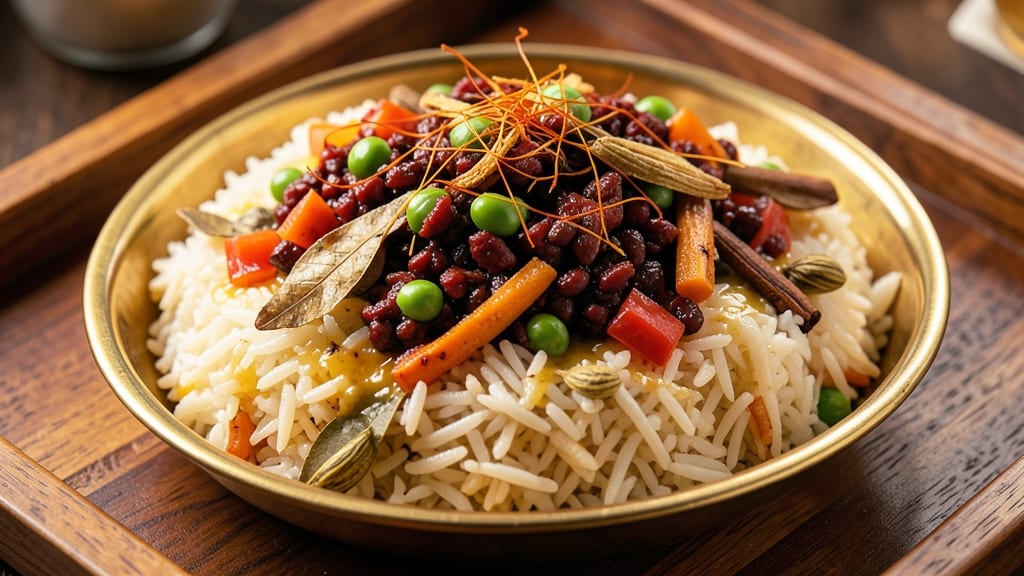
This rice pulav recipe transforms simple basmati rice into a fragrant, golden masterpiece where saffron threads dissolve into delicate aroma and toasted spices create layers of warmth. The secret lies in parboiling the rice just enough to preserve its shape while allowing it to absorb the rich, spiced broth perfectly.
I developed this method after years of experimenting with traditional techniques—where the rice must cook tender yet remain distinct, and every grain must be kissed by the spices.
What makes this pulav truly special is the balance of textures and flavors: the crispy edges of toasted spices contrast with the fluffy, separate grains of rice, while saffron and cardamom weave through each bite like a golden thread.
The dish is built on three pillars—properly parboiled rice, a carefully constructed spice blend, and a slow simmer that lets flavors meld without breaking the rice. This isn't just a side dish; it's the centerpiece of any meal.
The result is a dish that feels both luxurious and comforting, with each grain infused with saffron's floral notes and the deep, earthy warmth of cumin and cinnamon.
The rice stays distinct yet tender, never mushy, and the spices develop a toasty depth that transforms ordinary rice into something extraordinary. Whether served with raita or grilled meats, this pulav delivers restaurant-quality flavor at home.
For those who want to adapt it, variations like vegetable pulav (with peas and carrots) or chicken pulav (with tender pieces of spiced meat) work beautifully while keeping the same foundational technique. The method remains consistent—only the additions change. Let's create this fragrant, spice-kissed masterpiece step by step.
Ingredients for rice pulav
Fourteen ingredients transform ordinary basmati into aromatic, saffron-kissed perfection with toasted spices and delicate broth.
| Ingredient | Amount | Notes |
|---|---|---|
| Basmati Rice 🍚 | 1 cup | Uncooked, long-grain preferred |
| Saffron Threads 🌼 | ¼ tsp | High-quality, culinary grade |
| Ghee 🧈 | ¼ cup | Unsalted, clarified butter |
| Green Cardamom Pods 🌿 | 6 whole | Lightly crushed, seeds intact |
| Cinnamon Sticks 🍃 | 2 whole | Ceylon preferred, 2-inch pieces |
| Bay Leaves 🌿 | 2 whole | Fresh, preferably |
| Ground Cumin 🌶️ | 1 ½ tsp | Freshly toasted preferred |
| Ground Turmeric 🧂 | ½ tsp | Bright yellow, high quality |
| Black Peppercorns 🌶️ | ½ tsp | Freshly cracked preferred |
| Chicken Broth 💧 | 2 cups | Homemade, unsalted |
| Fresh Cilantro 🌿 | ¼ cup | Chopped, stems removed |
| Lemon Juice 🍋 | 1 ½ tbsp | Freshly squeezed |
| Salt 🧂 | 1 tsp | Diamond Crystal preferred |
| Yogurt 🥛 | ½ cup | Plain, whole-milk preferred |
Saffron is non-negotiable here—Kashmiri or Iranian saffron delivers the most vibrant aroma and color. Whole Foods or Indian specialty stores carry the best quality, but avoid pre-ground saffron which often contains fillers. The ghee should be 100% pure, unsalted—none of that partially hydrogenated margarine nonsense. Cardamom and cinnamon should be lightly toasted in the ghee until fragrant; this step develops their essential oils and transforms the dish from good to extraordinary. For bay leaves, fresh is superior, but dried works in a pinch if you're in a hurry—just double the amount. The rice must be basmati with a high length-to-width ratio—look for brands like Tilda or India Gate for optimal results.
No saffron? Turmeric at double the amount adds color but lacks the floral notes—still delicious, though. Running low on ghee? Butter works but burns more easily, so reduce heat and watch closely. Substituting chicken broth? Vegetable broth with a pinch of chicken bouillon keeps the umami profile intact. Fresh cilantro unavailable? Dried cilantro or parsley at one-third the amount works, but fresh is ideal for that bright finish. The yogurt can be Greek or labneh for added creaminess, but plain whole-milk yogurt is traditional. For a vegetarian version, simply replace the chicken broth with mushroom or vegetable broth and add a pinch of asafetida (hing) for depth.
This pulav reheats beautifully—steam over low heat with a splash of water to restore moisture. Keeps for 4-5 days in the fridge, though the saffron aroma intensifies over time. For longer storage, freeze portions in airtight containers for up to 3 months. The yogurt should be added just before serving to maintain its tangy freshness. When plating, garnish with extra saffron threads and cilantro for that restaurant-quality presentation. Leftovers make excellent lunches—pack with a side of raita for the perfect balance.
Why You'll Love This Recipe
- Saffron in Minutes: I swear, those tiny threads dissolve faster than I can say "elevate my mood." Just steep them in warm milk for 5 minutes—no fussy straining, no wasted effort. That golden hue? Instant restaurant vibes on my stove.
- Ghee Magic: Honestly, the difference between this and plain rice is night and day. A single tablespoon of ghee toasted with cardamom and cinnamon turns bland grains into something fragrant enough to make my whole kitchen smell like a spice shop. That nutty aroma? Irresistible.
- Weeknight Crowd-Pleaser: I make this when my in-laws visit or when my kids bring friends over. It’s the one dish that gets zero complaints—even from the picky eaters. The texture stays firm, the flavors balance perfectly, and it’s done before the main course arrives.
- Leftover Luxury: Between us, this rice tastes better the next day. The ghee infuses deeper, the saffron color intensifies, and I’ve reheated portions straight from the fridge for lunch without a single dry grain. Plus, it’s cheap—basmati rice and whole spices stretch for days. My budget approves.
Step-by-step instructions for fragrant saffron rice pulav
Master this aromatic rice dish where toasted spices and saffron create layers of flavor in every grain.
Toast the Spices and Infuse the Ghee
Heat the 0.25 cup ghee in a heavy-bottomed pot over medium-low heat until it begins to shimmer but doesn't smoke. Add the 6 whole green cardamom pods, 2 whole cinnamon sticks, and 2 whole bay leaves. Toast for 2 minutes until the spices release their aroma and begin to darken slightly at the edges.
Add the 1.5 teaspoons ground cumin, 0.5 teaspoon ground turmeric, and 0.5 teaspoon black peppercorns. Stir constantly for 30 seconds until the spices are fragrant and the ghee takes on a warm, golden hue. This toasting step is crucial—it develops the deep, nutty flavors that define authentic pulav.
Bloom the Saffron and Layer the Rice
Remove the pot from heat and let the spices cool for 30 seconds. Add the 0.25 teaspoon saffron threads to a small bowl and pour over 2 tablespoons hot water from the pot. Let it steep for 5 minutes to release the vibrant color and floral notes.
Return the pot to low heat and add the 1 cup basmati rice, stirring gently to coat each grain with the spiced ghee. Pour the saffron infusion over the rice and mix thoroughly. The rice should appear glossy with a subtle golden tint—this indicates proper saffron absorption. Spread the rice in an even layer to ensure uniform cooking.
Parboil the Rice with Broth
Pour the 2 cups chicken broth over the rice, ensuring all grains are submerged. Add the 1 teaspoon salt and bring to a gentle boil over medium-high heat. Once boiling, reduce heat to low and cover the pot with a tight-fitting lid.
Simmer for 12 minutes without lifting the lid. The rice will absorb the liquid gradually, and you'll hear a soft sizzling sound as steam builds. This closed-system cooking method creates the signature pulav texture—fluffy yet firm with distinct grains. Avoid peeking or stirring, as this disrupts the even cooking process.
Finish with Yogurt and Rest
After 12 minutes, remove the pot from heat and let it sit covered for 5 minutes. Stir in the 0.5 cup yogurt and 1.5 tablespoons lemon juice using a wooden spoon, folding gently to distribute evenly. The yogurt adds creaminess while the lemon brightens the dish.
Fluff the rice gently with a fork, then transfer to a serving dish. Garnish with the 0.25 cup chopped fresh cilantro and let rest for 10 minutes before serving. This resting period allows the flavors to meld completely, resulting in a pulav where each grain is infused with saffron's floral essence and the warm complexity of toasted spices.
Pro Tips For Making Rice Pulav
- Bloom the Saffron: DESCRIPTION:
- Toast the Whole Spices: DESCRIPTION:
- Use Less Water: DESCRIPTION:
- Let the Rice Rest: DESCRIPTION:
Regional styles of this dish
Hyderabadi Dum Biryani Style
In Hyderabad, pulav transforms into a luxurious dum biryani where rice and meat cook together in a sealed pot over indirect heat. The key is layering marinated lamb or chicken with partially cooked rice, whole spices like mace and cloves, and a generous amount of ghee.
I use a heavy handi (clay pot) for authentic results, but a Dutch oven works too. The dish cooks for 45-60 minutes on low heat, allowing flavors to meld deeply. Garnish with fried onions and mint for that signature Hyderabadi touch. 🌶️
Bengali Shorshe Pulav
Bengali shorshe pulav swaps saffron for mustard oil and poppy seeds, creating a bold, earthy flavor profile. Start by tempering mustard seeds in hot oil until they pop, then add cumin, fennel, and asafoetida.
The rice is cooked with carrots, potatoes, and peas, giving it a vibrant orange hue. I love adding a pinch of turmeric for color and a splash of lemon juice at the end. Serve with cholar dal for a complete Bengali meal. 🌿
Punjabi Kadhi Pulav
Punjabi kadhi pulav features a tangy yogurt-based gravy layered with rice and vegetables. The rice is first cooked separately, then mixed with a spiced yogurt sauce containing gram flour, ginger, and green chilies.
Add cauliflower, beans, and peas for texture. The dish is finished with ghee drizzled on top and garnished with fresh coriander. It’s lighter than biryani but equally flavorful—perfect for summer. 🥛
South Indian Lemon Rice Pulav
South Indian lemon rice pulav skips saffron for a bright, citrusy twist. Toast mustard seeds, urad dal, and curry leaves in oil, then add rice, turmeric, and salt. After cooking, mix in lemon juice, coconut, and green chilies.
The result is a zesty, one-pot meal that pairs perfectly with coconut chutney or sambar. This version is quick—ready in 20 minutes—and ideal for weeknight dinners. 🍋
Kashmiri Rogan Josh Pulav
Kashmiri rogan josh pulav blends rice with slow-cooked lamb in a rich tomato-ginger gravy. The lamb is marinated with yogurt, garlic, and Kashmiri chili, then cooked until tender. Rice is layered with the meat and gravy, then sealed with aluminum foil and steamed.
Finish with fried onions, cilantro, and a drizzle of ghee. The dish is aromatic, mildly spicy, and deeply comforting—true Kashmiri hospitality in a bowl. 💛
Nutrition facts
Frequently asked questions
Why does my pulav turn out mushy instead of fluffy?
The most common mistake is lifting the lid or stirring too soon. Pulav needs undisturbed cooking for 12 minutes after the broth comes to a boil. Also, using too much liquid or non-basmati rice breaks the grains. Always use 1:2 ratio of rice to broth and avoid peeking during cooking.
Can I make this pulav without saffron?
Yes! While saffron adds unique floral notes, you can substitute with ½ teaspoon turmeric for color and ½ teaspoon rose water for aroma. For a budget-friendly version, skip both and rely on the toasted spices for depth. The dish will still taste delicious—just less aromatic.
What's the best way to reheat leftover pulav?
Steam reheating preserves texture best. Place the pulav in a steamer basket over boiling water for 5-7 minutes with a splash of water. For microwave reheating, cover with a damp paper towel and heat in 30-second intervals on medium power. Never add water directly to avoid soggy rice.
How do I adjust this recipe for a larger group?
Double all ingredients proportionally, but use a larger pot with a tight-fitting lid to maintain even heat distribution. For 8 servings, use 2 cups rice and 4 cups broth. Keep the spice-to-rice ratio identical (e.g., 3 tsp cumin for 2 cups rice) to maintain flavor balance.
What's the secret to perfectly separate grains?
The key is parboiling the rice with broth (not water) and using basmati rice with a high length-to-width ratio. Avoid stirring after adding broth—let it cook undisturbed. The 10-minute rest after cooking also helps grains separate naturally. For extra fluffiness, fluff with a fork before serving.