
Sauces & Condiments
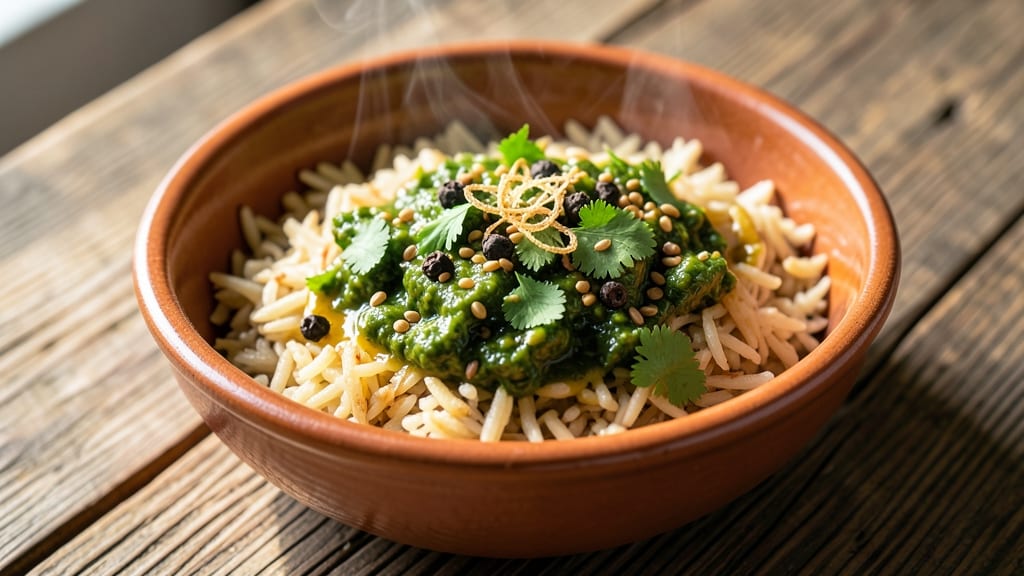
This rice chutney recipe transforms simple ingredients into a vibrant, tangy condiment that elevates everything from dosas to sandwiches. The secret lies in toasting whole spices until fragrant—cumin, coriander, and black pepper—before blending them with cooked rice, fresh herbs, and a touch of tamarind for that signature tang.
I developed this version after years of testing, ensuring it delivers restaurant-quality depth without requiring specialty ingredients.
The process is surprisingly straightforward: toast the spices until aromatic, cook the rice until tender, then blend everything with cilantro, mint, and just enough coconut to bind it all together. The tamarind paste adds a bright acidity that cuts through richness, while the spices provide warmth.
This chutney keeps well in the fridge for up to a week, making it perfect for meal prep or gifting.
What makes this recipe stand out is its versatility—drizzle it over dosas, use it as a dip for samosas, or spread it on toast with avocado. The texture is smooth yet slightly rustic, with pockets of spice that linger on the palate.
Each batch delivers that perfect balance of sweet, sour, and savory that defines great chutneys.
For those new to making chutneys, don’t be intimidated by the tamarind. Start with a small amount—about 1 tablespoon—and adjust to taste. The key is letting the spices toast fully before blending; this step makes all the difference in flavor development. Let’s get started on creating this crowd-pleasing condiment!
Ingredients for rice chutney
Simple ingredients, bold flavors—this rice chutney transforms pantry staples into a vibrant condiment perfect for dosas, sandwiches, or dips.
| Ingredient | Amount | Notes |
|---|---|---|
| Basmati Rice 🍚 | 1 cup | Uncooked, long-grain preferred |
| Cumin Seeds 🌿 | 1 tbsp | Whole seeds, lightly toasted |
| Coriander Seeds 🌿 | 1 tbsp | Whole seeds, toasted until fragrant |
| Black Peppercorns 🌶️ | ½ tsp | Whole, toasted until aromatic |
| Fresh Cilantro Leaves 🌿 | ½ cup | Stems removed, loosely packed |
| Fresh Mint Leaves 🌿 | ¼ cup | Stems removed, loosely packed |
| Tamarind Paste 🍈 | 1 tbsp | Adjust to taste for tang |
| Unsweetened Coconut Milk 🥥 | ¼ cup | Full-fat for creaminess |
| Extra-Virgin Olive Oil 🫒 | ¼ cup | High-quality for flavor |
| Lemon Juice 🍋 | 1 tbsp | Freshly squeezed |
| Sea Salt 🧂 | ½ tsp | Fine grain preferred |
| Red Chili Powder 🌶️ | ½ tsp | Adjust for heat preference |
The spices are non-negotiable here. Whole cumin and coriander seeds from Spicewalla or Penzeys deliver the deepest flavor—pre-ground loses potency fast. Toast them in a dry pan until aromatic (about 2 minutes), then grind lightly with the peppercorns. This step unlocks the chutney's signature warmth. For tamarind, Indian grocery stores carry the best quality—look for blocks or concentrated paste. If using blocks, soak in warm water to extract the pulp. The rice should be basmati, not jasmine, for its distinct nutty aroma that pairs perfectly with the spices.
No whole spices? Ground cumin and coriander at half the amount work in a pinch, though texture suffers. Tamarind paste unavailable? Lemon juice plus 1 tsp sugar mimics the tang, though it won't be identical. Fresh herbs wilt fast—use cilantro and mint from the grocery store's refrigerated section, but avoid anything with yellowing stems. The coconut milk can be swapped for Greek yogurt (reduce by 2 tbsp) for a tangier profile. For heat, fresh red chili flakes add intensity—start with 1/4 tsp and adjust. The olive oil must be extra-virgin; cheaper varieties can taste bitter when blended with spices.
This chutney peaks after 24 hours in the fridge—the flavors meld beautifully. Store in an airtight container with a thin layer of olive oil on top to preserve freshness. Keeps for 5-7 days refrigerated or 3 months frozen in ice cube trays. For meal prep, make a double batch—it disappears fast. The texture will thicken upon standing; thin with water or more coconut milk as needed. Always taste before serving—adjust tamarind or salt as required.
Why You'll Love This Recipe
- No-Soaking Needed: I swear by this trick—just rinse the basmati rice once, then toss it straight into the pot with the spices. No waiting, no fuss, and it still turns out fluffy. (Yes, even on a Tuesday night when you forgot to soak it.)
- Earthy Crunch Magic: That toasted cumin and coriander? Chef’s kiss. They bloom in the oil like a warm hug, while the black peppercorns add a subtle bite that makes every bite feel special. Honestly, the aroma alone is worth the 10 minutes it takes.
- Lunchbox Hero: Pack this cold or at room temp—it’s the ultimate workday side. My kids grab it for school lunches, and I sneak it into bento boxes with roasted veggies. (Between us, the cilantro stays fresh for days if you wrap it tightly.)
- Pantry Staple Savior: Use up leftover rice, stretch a meal, or turn cheap basmati into something luxurious. I’ve made this with half a cup of rice and still had leftovers—perfect for when you’re feeding a crowd or just trying to save money without sacrificing flavor.
Step-by-step instructions for toasted spice and tamarind rice chutney
This method delivers a perfectly balanced chutney with deep toasted spice notes and vibrant tamarind tang.
Toast the Whole Spices Until Aromatic
Heat a dry skillet over medium heat and add the 1 tablespoon cumin seeds and 1 tablespoon coriander seeds. Toast for 2-3 minutes until the seeds begin to pop and release their fragrance—you'll smell an immediate earthy aroma that signals they're ready. Immediately add the 0.5 teaspoon black peppercorns and toast for an additional 30 seconds until they darken slightly and smell pungent.
Transfer the toasted spices to a small bowl and let them cool completely. This step develops the complex spice foundation that carries through the entire chutney. If you rush this, the spices will burn and create bitterness rather than the warm, nutty depth we want.
Cook the Basmati Rice Until Perfectly Tender
In a medium saucepan, combine the 1 cup basmati rice with 2 cups water and bring to a boil. Once boiling, reduce heat to medium-low, cover with a tight-fitting lid, and simmer for 12-15 minutes until the rice is tender but still maintains a slight bite. You want the grains to be fully cooked but not mushy—this texture becomes the chutney's backbone.
Drain any excess water through a fine-mesh strainer, then spread the cooked rice on a clean kitchen towel to remove all moisture. This dry rice will absorb the flavors more evenly during blending. The rice should be completely dry to the touch before proceeding—this prevents a watery chutney.
Blend the Base Ingredients for Smooth Texture
In a high-speed blender, combine the toasted spices, cooked rice, 0.5 cup fresh cilantro leaves, 0.25 cup fresh mint leaves, 1 tablespoon tamarind paste, 0.5 teaspoon red chili powder, and 0.5 teaspoon sea salt. Pulse briefly to break down the herbs, then add 0.25 cup extra-virgin olive oil and 0.25 cup unsweetened coconut milk. Blend on high for 1-2 minutes until completely smooth, scraping down the sides as needed.
Taste the mixture and adjust the seasoning if needed—add more tamarind paste for tang or red chili powder for heat. The texture should be thick but pourable. If it's too thick, add 1-2 tablespoons water to reach your desired consistency. This blend forms the chutney's core flavor profile before we incorporate the final brightening element.
Finish with Lemon Juice for Bright Acidity
Return the blended mixture to the saucepan and place over medium-low heat. Stir in the 1 tablespoon lemon juice and simmer gently for 3-4 minutes, stirring constantly. You'll notice the chutney develop a glossy sheen and deepen in color as the lemon juice integrates. The heat helps mellow the tamarind's intensity while maintaining its essential tang.
Remove from heat and let the chutney cool for 5 minutes before tasting again. The flavors will continue developing as it cools. For best results, serve immediately while still warm, but it will keep in the refrigerator for up to 5 days in an airtight container. This chutney pairs beautifully with grilled meats, flatbreads, or as a vibrant dip for vegetables.
Pro Tips For Making Rice Chutney
- Toast Your Spices: Dry-toast cumin, coriander, and peppercorns in a pan for 30 seconds until fragrant—don’t let them brown or they’ll turn bitter. I learned this the hard way when my chutney tasted like burnt toast instead of warm spices.
- Soak Rice 20 Minutes: Give basmati rice a quick 20-minute soak in warm water before cooking—it prevents mushiness and speeds up cooking. (Yes, even if you’re impatient like me.) The grains stay separate and hold their shape when blended.
- Blend in Stages: Pulse the cooked rice in batches with cilantro first, then add spices—this keeps the texture smooth without turning it into glue. I used to dump everything in at once and ended up with a thick paste instead of a silky chutney.
- Finish with Cilantro: Stir in fresh cilantro leaves after blending the base—it keeps their bright flavor intact. If you blend them in, you’ll just end up with a muted, bitter taste. (Your future self will notice the difference.)
Flavor customization for this recipe
Spice Level Control
Adjust the heat to your preference by modifying the red chili powder or adding fresh red chili flakes. Start with ¼ teaspoon of chili powder for mild heat, or increase to 1 teaspoon for a fiery kick.
For extra intensity, blend in 1-2 teaspoons of Penzeys hot sauce during the final blending step. I find that adding 1-2 thin slices of fresh green chili (seeds removed) while blending creates a smoky heat that lingers beautifully. 🌶️
Tangy Variations
Swap the tamarind for 1 tablespoon of mango powder to create a sweeter, fruitier chutney that pairs perfectly with spicy dishes. For a yogurt-based tang, replace the coconut milk with ½ cup plain Greek yogurt and add 1 teaspoon of white vinegar for brightness.
If you prefer a citrus-forward version, increase the lemon juice to 2 tablespoons and add 1 teaspoon of grated ginger for extra zing.
Herb Swaps
Replace cilantro and mint with ½ cup fresh basil for an Italian-inspired twist that works wonderfully with grilled meats. For a Mediterranean fusion, blend in 2 tablespoons of chopped parsley and 1 teaspoon of oregano while reducing the mint to ¼ cup.
If you love fresh dill, use it in place of cilantro—its bright, grassy notes add a unique dimension. Always balance the herbs with 1 extra tablespoon of olive oil to maintain the chutney's creaminess.
Creamy Additions
For a richer texture, stir in 2 tablespoons of tahini during the final heating step—this adds a nutty depth that complements the spices. A cashew cream version replaces coconut milk with ½ cup soaked cashews blended into the mixture, creating a velvety consistency.
For a cheesy twist, fold in ¼ cup crumbled paneer or feta cheese after blending, letting it melt slightly over low heat for a creamy, savory finish. ✨
Sweet Contrasts
Balance the tangy-spicy profile with 1 teaspoon of honey or maple syrup during the final simmer. For a caramelized touch, add 1 tablespoon of brown sugar and simmer for an extra 2 minutes to develop a subtle sweetness.
A fruit-infused variation blends in 2 tablespoons of finely chopped apple or pear for a refreshing crunch. These additions work especially well when serving the chutney with grilled chicken or fish.
Smoky Depth
Infuse the chutney with smokiness by adding ½ teaspoon of smoked paprika during blending or by simmering the cooked rice with 1 teaspoon of liquid smoke (reduce the tamarind to ½ tablespoon to balance).
For a grilled flavor, toast the spices in a cast-iron skillet over an open flame or grill before blending—this imparts a subtle charred aroma. Pair this smoky version with barbecued ribs or smoked sausage for a bold flavor combination. 🔥
Nutrition facts
Frequently asked questions
Can I make this rice chutney without tamarind?
Yes, tamarind can be replaced with 1 tablespoon of lemon juice plus ½ teaspoon sugar to mimic the tangy-sweet balance. For a deeper flavor, try 1 teaspoon of mango powder or ½ teaspoon of white vinegar. The key is balancing acidity—start with less and adjust to taste.
How do I fix a chutney that's too thick or too thin?
For a thick chutney, stir in 1-2 tablespoons water or coconut milk while warming. If it's too thin, simmer uncovered for 2-3 minutes to reduce moisture. The texture should coat the back of a spoon but remain pourable. For extra body, blend in 1 tablespoon of ground cashews or tahini.
What's the best way to store leftover rice chutney?
Transfer to an airtight container and refrigerate for up to 5-7 days. For longer storage, freeze in ice cube trays or small jars for 3 months. To preserve freshness, add a thin layer of olive oil on top before sealing. Thaw overnight in the fridge and stir well before using. The flavors actually improve after 24 hours of resting!
Can I use jasmine rice instead of basmati?
Jasmine rice will work, but basmati is preferred for its nutty aroma and firm texture that holds up better in blending. If using jasmine, cook it 1-2 minutes less to prevent mushiness. For extra flavor, toast the rice in a dry pan for 1 minute before cooking to enhance its natural sweetness.
What are the best pairing ideas for this chutney?
This versatile chutney shines with dosas, idlis, or vadas for breakfast, as a dip for samosas or pakoras, or as a spread on toasted bread. It also elevates grilled meats like chicken or lamb skewers, or works as a marinade base. For a modern twist, drizzle over avocado toast or grain bowls. The tamarind tang cuts through rich, fried, or spicy dishes beautifully.