
Main Courses
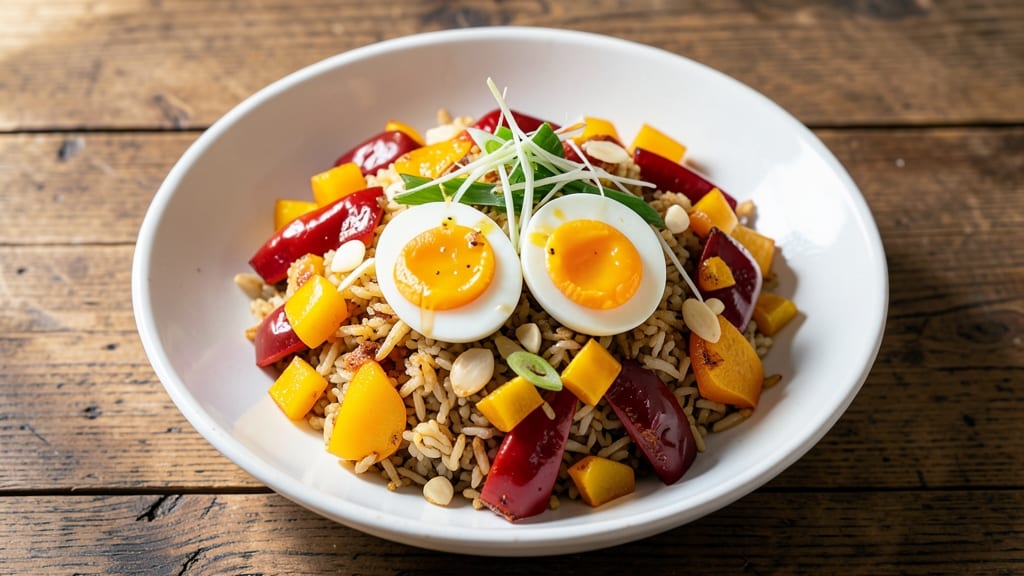
This capsicum fried rice recipe transforms simple ingredients into a restaurant-worthy dish with bold flavors and satisfying crunch in just 20 minutes. The secret lies in high-heat stir-frying—achieving that coveted wok hei—where bell peppers caramelize into sweet, smoky bites while jasmine rice stays perfectly separate.
I’ve perfected this version to balance heat, texture, and umami, making it adaptable whether you’re feeding a crowd or craving a quick weeknight meal.
What sets this apart is the layered technique: first, the aromatics (garlic, ginger) bloom in oil until fragrant, then the capsicum gets a quick sear to lock in sweetness before everything comes together in a sizzling, aromatic finish.
The result is a dish where each bite delivers crisp-tender peppers, fluffy rice, and a punch of spice—no soggy textures or bland flavors. Ready to master the wok?
Ingredients for capsicum fried rice
Restaurant-quality wok hei starts with these crisp, aromatic ingredients—no shortcuts needed.
| Ingredient | Amount | Notes |
|---|---|---|
| Jasmine Rice 🍚 | 2 cups | Uncooked, day-old preferred |
| Yellow Bell Peppers 🍅 | 1 ½ cups | Diced into 1/2-inch pieces |
| Red Bell Peppers 🍅 | 1 cup | Diced into 1/2-inch pieces |
| Garlic Cloves 🧄 | 6 cloves | Minced for aromatic base |
| Fresh Ginger 🌿 | 1 ½ tbsp | Grated, peeled |
| Large Eggs 🥚 | 2 whole | Scrambled for protein boost |
| Green Onions 🧅 | ½ cup | Thinly sliced, white and green parts |
| Soy Sauce 🍶 | ⅓ cup | Light or all-purpose |
| Sesame Oil 🫒 | 1 tbsp | Toasted for aroma |
| Vegetable Oil 🫒 | ½ cup | High smoke point preferred |
| Sriracha 🌶️ | 1 tbsp | Adjust for heat preference |
| Salt 🧂 | 1 ½ tsp | Diamond Crystal preferred |
| Black Pepper 🌶️ | ½ tsp | Freshly ground |
| Sesame Seeds 🌱 | 1 tbsp | Toasted for garnish |
The bell peppers are non-negotiable for texture—yellow and red add both sweetness and visual contrast. Trader Joe's carries pre-diced frozen peppers that save time, but fresh is ideal for that caramelized crunch. Dice them uniformly (about 1/2-inch) so they cook evenly. For the rice, day-old jasmine rice is crucial—it stays separate and absorbs flavors better than fresh. Cook a full batch the night before and refrigerate uncovered to dry it out slightly. The garlic and ginger should be freshly minced—pre-minced jarred versions lack the aromatic punch that defines wok hei.
No sesame oil? Avocado oil at half the amount works in a pinch, though it lacks the nutty aroma. Short on soy sauce? Coconut aminos or tamari provide similar umami depth. The eggs can be replaced with tofu crumbles for a vegetarian version, but they add that perfect silky texture. For heat, gochujang or chili crisp can swap for sriracha—just adjust to taste. The green onions should be white and green parts separated—the white bulbs add more flavor when cooked. If you're making this ahead, skip the sesame seeds until serving to keep them crisp.
Rice reheats beautifully—store in an airtight container for up to 3 days. For longer storage, freeze portions in single layers for up to 3 months. The peppers and aromatics can be prepped ahead and refrigerated for 2 days. To reheat, use a wok or skillet over medium-high heat with a splash of water to steam the rice. Garnish with fresh green onions and sesame seeds right before serving—this is where the dish truly shines. The sesame seeds toast in seconds over a dry pan—worth the extra minute for that nutty aroma.
Why You'll Love This Recipe
- One-Pan Magic: I swear by this for nights when I’d rather not scrub three bowls—just chop the peppers, stir-fry everything in the same pan, and boom. That fragrant jasmine rice soaks up the garlic and ginger like a sponge, turning a simple pan into a flavor factory.
- Sweet Heat Balance: Here’s what sold me—the way the red and yellow bell peppers caramelize just enough to add natural sweetness, while the ginger and garlic bring the heat. It’s the kind of dish where every bite has that just-right contrast, and I’ll fight anyone who says fried rice can’t be sophisticated.
- Lunchbox Hero: Between us, this is my go-to for meal prep. The peppers stay crisp even after reheating, and the rice? Still fluffy if I pack it the night before. My kids grab it for school lunches, and honestly, I’ve been known to eat it cold straight from the fridge—no judgment.
- Budget Brightener: Fresh jasmine rice and bell peppers stretch farther than you’d think, especially when you’re bulking up the dish with simple pantry staples. I’ve made this for under $8 for four servings, and it still feels like a restaurant-worthy meal. That’s the kind of win I’ll take any day.
Step-by-step instructions for wok-hot capsicum fried rice
Master this technique and you'll achieve restaurant-quality texture—crispy edges, tender peppers, and perfectly scrambled eggs.
Prepare the Base Ingredients
Begin by dicing the 1.5 cups yellow bell peppers and 1 cup red bell peppers into ½-inch pieces—uniform size ensures even cooking. Use a sharp chef's knife and work in batches if needed to maintain control. Set these aside in a bowl.
Next, mince the 6 cloves garlic and grate the 1.5 tbsp fresh ginger, removing any fibrous bits. The ginger should resemble fine snowflakes—this texture releases flavor more effectively. If using day-old 2 cups jasmine rice, break up any clumps with your fingers for even distribution.
Scramble the Eggs Separately
Crack the 2 whole large eggs into a bowl and whisk vigorously until the yolks and whites are fully combined. Heat 1 tbsp vegetable oil in a wok or large skillet over medium-high heat until shimmering. Pour in the eggs and let them sit undisturbed for 5 seconds before gently folding with a spatula.
Remove the eggs when they're just set but still slightly moist—soft curds, not dry. Transfer to a plate and cover to keep warm. The residual heat will finish cooking them slightly as you work on the rice base. This separate cooking prevents overcooking when combined with the hot wok later.
Build the Aromatic Foundation
Return the wok to medium-high heat and add the remaining 0.5 cup vegetable oil. When the oil reaches 350°F (test with a drop of water that sizzles immediately), add the minced garlic and ginger. Cook for 30 seconds until fragrant—this is your flavor anchor. Immediately add the diced yellow and red bell peppers and stir-fry for 3-4 minutes until they soften but retain a slight crunch.
Here's where it gets critical: the peppers should blister slightly at the edges but not turn mushy. If they release too much liquid, increase the heat briefly to evaporate it. This step develops the sweet, caramelized depth that defines authentic fried rice.
Combine and Season the Rice
Add the 2 cups jasmine rice to the wok and spread it evenly, breaking up any clumps. Stir-fry for 2 minutes to toast the grains lightly—this prevents gummy texture. Pour in the 0.33 cup soy sauce, 1 tbsp Sriracha, and 1 tbsp sesame oil, tossing continuously for 1 minute until the rice absorbs the flavors.
Season with 1.5 tsp salt and 0.5 tsp black pepper, then add the scrambled eggs back to the wok. Toss everything together for 1-2 minutes until the eggs are heated through and the rice reaches 165°F internally. The dish should look vibrant with glossy peppers and glossy rice—this indicates proper moisture balance.
Finish with Garnishes and Serve Immediately
Turn off the heat and transfer the fried rice to serving plates. Drizzle with an additional ½ tbsp sesame oil and sprinkle with 0.5 cup green onions and 1 tbsp toasted sesame seeds. The seeds should be golden and nutty—lightly toast them in a dry pan for 30 seconds before adding if they're not pre-toasted.
Serve immediately while the rice is still steaming hot. The texture contrast—crisp peppers, tender rice, and creamy eggs—should be evident in every bite. This dish works best fresh; waiting even 5 minutes will compromise the texture. Pair with a chilled beer or spicy dipping sauce for the full experience.
Pro Tips For Making Capsicum Fried Rice
- STIR-FRY PEPPERS FIRST: I learned this the hard way—tossing raw capsicums into the pan with everything else makes them sweat instead of caramelize. Slice the yellow and red peppers into thin strips, hit them with a pinch of salt, then sear in a dry pan for 2-3 minutes until just softened but still bright. This builds flavor before the rice even hits the pan.
- USE DAY-OLD RICE: Freshly cooked jasmine rice turns to mush when fried. I skip the day-old rule only when desperate, but even slightly cooled rice (spread on a tray for 10 minutes) holds its shape better. Pro move: Toss the rice with a splash of soy sauce or sesame oil while it’s still warm—it’ll cling to the grains and add depth.
- MINCE GINGER FINE: Thick chunks of ginger just sit there like awkward guests. For this dish, you want it to dissolve into the oil, not chew your jaw. Use a microplane or knife to get it down to a paste—about 1 teaspoon per clove—so it infuses the rice evenly. (Yes, even if you’re impatient like me.)
- SALT THE RICE WELL: Fried rice tastes bland because the rice absorbs all the seasoning. After cooking, spread the rice on a tray and sprinkle with 1½ teaspoons salt (per 3 cups rice), then mix gently. This guarantees every grain gets flavor, not just the top layer. I know, it seems like a lot—but trust the process.
Storing and reheating your leftovers
Refrigerator Storage
Store your capsicum fried rice in an airtight container for up to 3 days in the refrigerator. I always let it cool completely before transferring to avoid condensation, which can make the rice soggy.
The flavors actually deepen overnight as the spices meld together—perfect for meal prep! Just reheat gently to restore that wok-fresh texture. 💛
Freezer Prep
For longer storage, freeze portions in single layers in airtight containers or freezer bags for up to 3 months. Leave ½-inch headspace to prevent expansion cracks. I recommend freezing in 1-cup portions—ideal for quick lunches. Thaw overnight in the fridge before reheating for best results.
Reheating Methods
For the best texture, reheat in a wok or skillet over medium-high heat with 2 tbsp water or vegetable broth. Stir constantly for 3-4 minutes until steaming hot. The moisture prevents drying while restoring crispness. Avoid microwaving—it turns the rice mushy.
Garnish Refresh
Always add fresh green onions and toasted sesame seeds after reheating. These toppings should be crisp and aromatic—never pre-add them to frozen storage. I toast my sesame seeds in a dry pan for 30 seconds right before serving for maximum flavor impact. 🌟
Spice Adjustments
If reheating seems bland, add a ½ tsp Sriracha or 1 tsp soy sauce to revive the heat and umami. For extra crunch, stir in ½ cup frozen peas during reheating—they'll thaw and add texture. This trick works especially well with day-old rice.
Make-Ahead Tips
Prep all ingredients except the sesame seeds the night before—dice peppers, mince garlic, and cook the rice. Store components separately in airtight containers to prevent flavor transfer. When ready to cook, assemble everything fresh for that restaurant-quality wok hei. This method saves 20 minutes on busy mornings! ⏰
Nutrition facts
Frequently asked questions
Why does the recipe call for day-old rice?
Day-old rice is key for perfect texture—it stays separate and absorbs flavors better than fresh rice. The slight dryness prevents gummy results when stir-fried. Cook a full batch the night before and refrigerate uncovered to dry it out slightly.
Can I substitute bell peppers with other vegetables?
Swap bell peppers for broccoli florets, carrots, or zucchini—just adjust cooking times. For texture, add ½ cup frozen peas during the final stir-fry. The capsicum's natural sweetness balances the spice, so other veggies may need extra seasoning.
How do I get that smoky wok hei flavor at home?
Use a carbon steel or cast iron wok on the highest heat setting your stove allows. Keep ingredients moving constantly and avoid overcrowding. The key is high heat for quick cooking—this creates steam that carries flavorful aromatics throughout the dish.
What's the best way to adjust the spice level?
Start with the 1 tbsp Sriracha called for, then taste before serving. For more heat, add ½ tsp chili flakes or 1 tsp gochujang. If you prefer mild, reduce the Sriracha to ½ tbsp and add 1 tsp honey to balance.
Can I make this vegetarian?
Yes! Skip the eggs and add ½ cup firm tofu or ½ cup chickpeas for protein. For extra umami, stir in 1 tbsp soy sauce and ½ tsp miso paste during the final seasoning step. The dish will still be packed with flavor and texture!