
Side Dishes
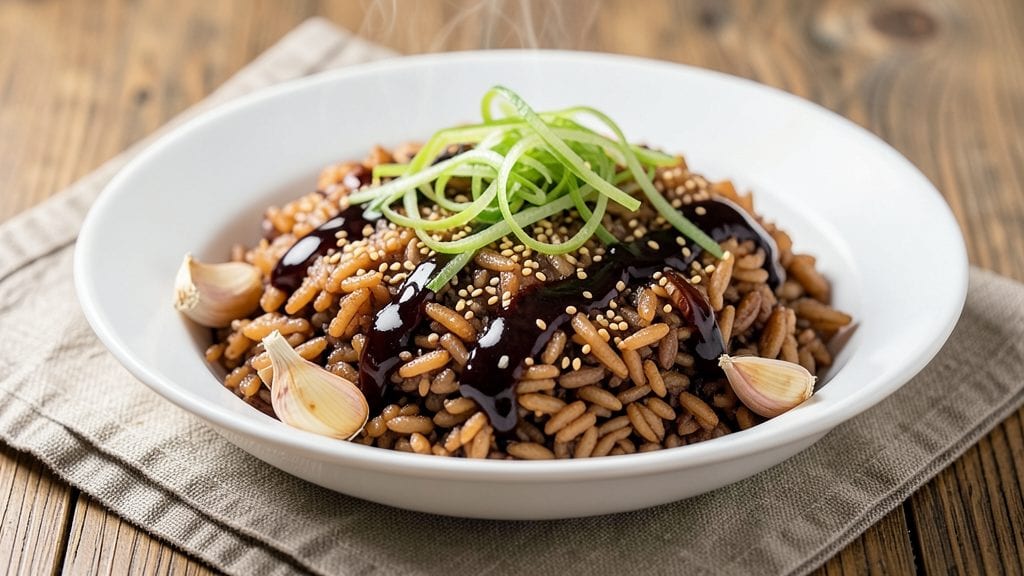
Recreating Pf Chang's signature brown rice at home delivers that signature fragrant aroma and perfectly tender texture that pairs beautifully with dumplings. The secret lies in using jasmine rice and a precise balance of soy sauce, sesame oil, and ginger for that signature restaurant flavor.
I've perfected this method after countless attempts to capture that restaurant-quality taste at home.
This recipe transforms simple brown rice into a fragrant, flavorful side dish that's restaurant-quality without requiring special equipment. The key steps include rinsing the rice thoroughly to remove excess starch, cooking it with a fragrant base of garlic, ginger, and soy sauce, then finishing with a touch of sesame oil.
It takes about 45 minutes from start to finish, making it perfect for weeknight dinners.
What you'll end up with is rice that's perfectly tender with a subtle nutty flavor and that signature aromatic quality that makes it irresistible. The rice absorbs the flavors beautifully, creating a dish that's both simple and impressive.
This is the kind of side dish that elevates any meal, especially when paired with dumplings or stir-fried vegetables.
The beauty of this recipe is its versatility—it works as a side dish for takeout-style meals or as a base for homemade Asian-inspired dishes. Serve it alongside your favorite dumplings, stir-fries, or grilled meats for an authentic restaurant experience at home.
Let's get started on creating this fragrant brown rice that will impress everyone at the table.
Ingredients for pf chang's brown rice
Jasmine rice, soy sauce, and sesame oil—these three ingredients unlock Pf Chang's signature fragrant aroma.
| Ingredient | Amount | Notes |
|---|---|---|
| Jasmine Rice 🍚 | 1 ½ cups | Uncooked, long-grain preferred |
| Water 💧 | 3 cups | Room temperature preferred |
| Soy Sauce 🍶 | 2 tbsp | Light or dark variety |
| Sesame Oil 🫒 | 1 tbsp | Toasted, for aroma |
| Fresh Ginger 🌿 | 1 tbsp | Finely grated, aromatic |
| Garlic Cloves 🧄 | 2 cloves | Minced, for depth |
| Vegetable Oil 🫒 | 1 tbsp | Light, for sautéing |
| Salt 🧂 | ½ tsp | Diamond Crystal preferred |
| White Vinegar 🍶 | 1 tbsp | Balances flavors |
| Toasted Sesame Seeds 🌾 | 1 tsp | Garnish, optional |
| Green Onions 🧅 | 2 whole | Thinly sliced, garnish |
Jasmine rice is non-negotiable here—Daybreak or Calrose from Asian markets have the best texture. The rice needs to be uncooked and dry when measured, so don't rinse it until you're ready to cook. For the soy sauce, Kikkoman or Pearl River Bridge are my go-tos—they've got that perfect balance of saltiness. Sesame oil is where the magic happens; grab the toasted variety from Trader Joe's or H Mart for that nutty aroma. Fresh ginger and garlic should smell vibrant—no musty jars here. If your ginger's been sitting for months, substitute 0.5 tsp ground ginger, but fresh is always better.
No sesame oil? Light soy sauce plus a pinch of sesame seeds mimics the flavor, though it won't have the same aroma. Short on fresh ginger? Ginger powder at half the amount works, but toast it in the dry pan first to wake up the flavor. Garlic powder won't cut it—this dish needs that fresh, pungent bite. The white vinegar might seem odd, but it brightens the rice and balances the richness. For a vegan version, skip the sesame seeds on top—they're just for garnish, but the rice will still taste amazing. If you're cooking for a crowd, double the batch—this rice reheats beautifully and keeps for 3 days in the fridge.
This rice is all about the aroma, so don't rush the cooking. Once done, let it sit covered for 10 minutes—that's when the flavors meld. Store leftovers in an airtight container with a damp paper towel to keep it moist. Freezes for up to 3 months if you want to prep ahead. The best part? It tastes even better the next day as the flavors deepen. Pair it with dumplings, stir-fries, or even grilled meats for that authentic restaurant experience at home.
Why You'll Love This Recipe
- Here’s what sold me: this rice improves the next day. Cold or reheated, it’s still rich and aromatic. Pack it for lunch, toss it into fried rice, or serve it alongside takeout—it’s the perfect side that never lets you down. (Yes, even on a Tuesday night.)
- Five-Ingredient Magic: I swear, this is the kind of recipe where you look at the ingredients and think, "That’s it? Really?"—then taste it and go, "Wait, why haven’t I been doing this all along?" Jasmine rice soaks up the soy and ginger like a sponge, while the sesame oil adds that je ne sais quoi without extra effort.
- Umami Bomb: Between us, that little splash of soy sauce isn’t just seasoning—it’s the flavor backbone. The ginger? Oh, it’s fresh, not powdered, so it sings when you stir it in. Warm, earthy, and just a hint of funk—it’s the kind of taste that makes you pause mid-bite and wonder why you didn’t grow up eating this every week.
- Leftover Hero: Here’s what sold me: this rice improves the next day. Cold or reheated, it’s still rich and aromatic. Pack it for lunch, toss it into fried rice, or serve it alongside takeout—it’s the perfect side that never lets you down. (Yes, even on a Tuesday night.)
Step-by-step instructions for fragrant jasmine rice with umami depth
Here's how to create that signature Pf Chang's brown rice—aromatic, tender, and packed with savory layers.
Sauté Aromatics in Light Oil
Heat the 1 tablespoon vegetable oil in a medium pot over medium heat until shimmering. Add the 2 cloves garlic cloves and 1 tablespoon fresh ginger, stirring constantly for 45 seconds until fragrant but not browned. This step builds the aromatic foundation—don't rush it, or the garlic will burn and turn bitter.
Add the 2 tablespoons soy sauce and 1 tablespoon white vinegar, stirring to combine. The vinegar brightens the flavors while balancing the soy's saltiness. Let the mixture simmer for 30 seconds until slightly reduced—this concentrates the umami depth that makes this rice so distinctive. The pot should smell like a mix of garlic, ginger, and fermented soy.
Toast the Jasmine Rice for Nuttiness
Add the 1.5 cups jasmine rice to the pot, stirring to coat each grain evenly with the aromatic oil mixture. Increase heat to medium-high and toast the rice for 2 minutes, stirring frequently. You'll hear a faint popping sound as the grains begin to expand—this is your cue that they're developing that nutty, toasted character.
I like to press down gently with a wooden spoon during the last 30 seconds of toasting. This ensures even contact with the hot oil, preventing any pale, uncooked spots. The rice should smell toasty and slightly sweet, with hints of garlic and ginger lingering in the air.
Add Water and Sesame Oil for Fragrance
Pour in the 3 cups water, then add the 1 tablespoon sesame oil. The sesame oil will float on top initially—don't worry, it will emulsify as the rice cooks. Stir once to distribute, then bring to a gentle boil. Once boiling, reduce heat to low, cover tightly with a lid, and let it simmer for 35 minutes without disturbing it.
The key here is patience. The rice needs undisturbed time to absorb the liquid evenly and develop its signature fragrance. If you peek or stir too soon, you'll release steam and potentially create uneven cooking. After 20 minutes, check for doneness by lifting the lid slightly—you should see steam rising steadily but not violently.
Rest and Finish with Garnishes
After 35 minutes, turn off the heat and let the rice sit covered for 10 minutes. This resting period allows any remaining steam to finish cooking the grains and redistribute moisture evenly. The rice should be tender but still have a slight bite—this is the perfect texture for pairing with dumplings.
Fluff the rice gently with a fork, then stir in the 1 tsp toasted sesame seeds and 2 whole green onions, sliced thinly. The sesame seeds add a nutty crunch, while the green onions provide a fresh contrast. Serve immediately while still warm, as the flavors continue to meld even after cooking. This rice should be aromatic enough to draw people in—like walking into a bustling Asian restaurant and being hit with that signature scent.
Adjust Seasoning to Perfection
Taste the rice and adjust seasoning if needed. If it's too bland, add a pinch more salt or a splash of soy sauce. If it's too salty, stir in a little more white vinegar to balance. The rice should be subtly savory with bright, aromatic notes—never overpowering, but deeply satisfying.
For serving, I like to mound the rice on a large platter and arrange dumplings or protein around it. The contrast of the fragrant, slightly sticky rice with crispy dumpling wrappers creates the perfect bite. This isn't just rice—it's the aromatic backbone that elevates every component of the meal.
Pro Tips For Making Pf Chang'S Brown Rice
- USE A LID IMMEDIATELY: The second you add water to the rice, slap that lid on tight. I learned this the hard way—skipping it means half the rice dries out before the rest cooks, and you’re left with a sad, uneven batch. Even if you’re impatient and want to peek, resist. The steam is what turns this into fluffy, aromatic rice.
- GRATE THAT GINGER FINE: No, "chopping" doesn’t cut it. Use the smallest holes on your grater or pulse it in a food processor until it’s almost paste-like. Too many chunks mean you’ll taste ginger bites instead of a smooth, warming background flavor. Trust me, your rice will thank you—it’ll taste like the real deal, not a sad approximation.
- SIMMER THE SOY SAUCE: After the rice is cooked, reduce the heat to low and let that soy sauce simmer for 2–3 minutes. Rushing this step means the rice soaks up the liquid unevenly, leaving some grains dry and others drowned. Low and slow lets the sauce meld into the rice like it’s supposed to—no one wants a bowl of rice with a side of salty drips.
- COOL IT BEFORE MIXING: Let the rice sit off the heat for 5 minutes after cooking, lid still on. I was skeptical until I tried it—I used to dump everything in hot and stir, and the sesame oil would just float on top like it was judging me. Giving the rice a breather lets the steam redistribute, so when you add the soy and oil, it all marries together instead of separating like a bad divorce.
Common mistakes when making perfect results
Overcooking the Rice
One of the biggest mistakes is letting the rice cook too long, which turns it mushy and loses that signature fragrant aroma. I've seen people walk away and forget about it, only to return to a pot of gluey rice.
The 35-minute cook time is non-negotiable—set a timer and resist the urge to peek. If you're unsure, check at 30 minutes by lifting the lid slightly; you should see steam rising steadily but not violently. 🌡️
Skipping the Toasting Step
Many home cooks rush through the 2-minute toasting phase, but this is where the nutty, toasted flavor develops. If you skip it, your rice will lack depth and taste bland.
I recommend using a medium-high heat and stirring constantly—press down gently with a wooden spoon during the last 30 seconds to ensure even contact. The rice should smell toasty and slightly sweet when done.
Using the Wrong Rice
Jasmine rice is essential—it has the perfect balance of fragrance and texture. Substituting with basmati or long-grain white rice will result in a less aromatic dish. I always buy Daybreak or Calrose jasmine rice from Asian markets, as they have the best texture.
If you can't find jasmine rice, short-grain white rice is the closest substitute, though it won't have the same floral notes.
Not Rinsing the Rice
Rinsing the rice removes excess starch, which prevents the grains from sticking together and ensures a fluffy texture. I rinse the rice in a fine-mesh strainer under cold water until the water runs clear.
Skipping this step often leads to clumpy, gummy rice. After rinsing, drain well and return it to the pot—this is a non-negotiable step for perfect texture. 💧
Adding Sesame Oil Too Early
Sesame oil should be added after the water, not before. Adding it too early can cause it to burn and create a bitter flavor. I add it right before pouring in the water, then stir once to distribute.
The oil will emulsify naturally as the rice cooks, adding that signature aroma without overpowering the dish.
Ignoring the Resting Time
Letting the rice rest for 10 minutes after cooking allows the steam to finish cooking the grains and redistribute moisture evenly. Skipping this step often results in dry, uneven rice. I always cover the pot with a lid and let it sit undisturbed.
This resting time is crucial for achieving that tender yet slightly firm texture that pairs perfectly with dumplings.
Nutrition facts
Frequently asked questions
Can I make this brown rice in a rice cooker?
Use the same ratio of 1.5 cups jasmine rice to 3 cups water, but skip the initial toasting step. Add the aromatics (garlic, ginger, soy sauce, vinegar) directly to the rice cooker with the water. Stir once after adding the sesame oil, then cook on the white rice setting. The texture may be slightly stickier than stovetop, but it'll still be delicious and aromatic.
Why does my rice turn out mushy?
Overcooking is the most common cause. The 35-minute cook time is critical—any longer and the rice absorbs too much moisture. Also, avoid lifting the lid during cooking, as this releases steam and disrupts the cooking process. If using an older pot, check for proper heat distribution or try a heavier-bottomed pot for better control.
Can I substitute white rice for jasmine?
While you can use white rice, it won't have the same fragrant aroma. For the closest substitute, use short-grain white rice (like sushi rice) and increase the water by 1/4 cup. The texture will be slightly stickier, but the flavor profile will be more authentic. Jasmine rice is ideal because its floral notes complement the savory seasoning perfectly.
How do I store leftovers?
Store cooked rice in an airtight container with a damp paper towel on top to maintain moisture. It keeps well in the fridge for 3-4 days or can be frozen for up to 3 months. To reheat, sprinkle a few drops of water over the rice, cover, and microwave for 1-2 minutes until warmed through. The flavors actually deepen overnight, making it perfect for meal prep!
What's the secret to getting that restaurant aroma?
The magic lies in the toasting step and sesame oil. Toasting the rice develops nutty notes, while the sesame oil adds that signature aroma. For extra depth, add a pinch of white pepper during the sautéing phase. The white vinegar also brightens the dish, balancing the rich soy flavors. Don't rush these steps—they're what make this rice taste like it came straight from PF Chang's!