
Side Dishes
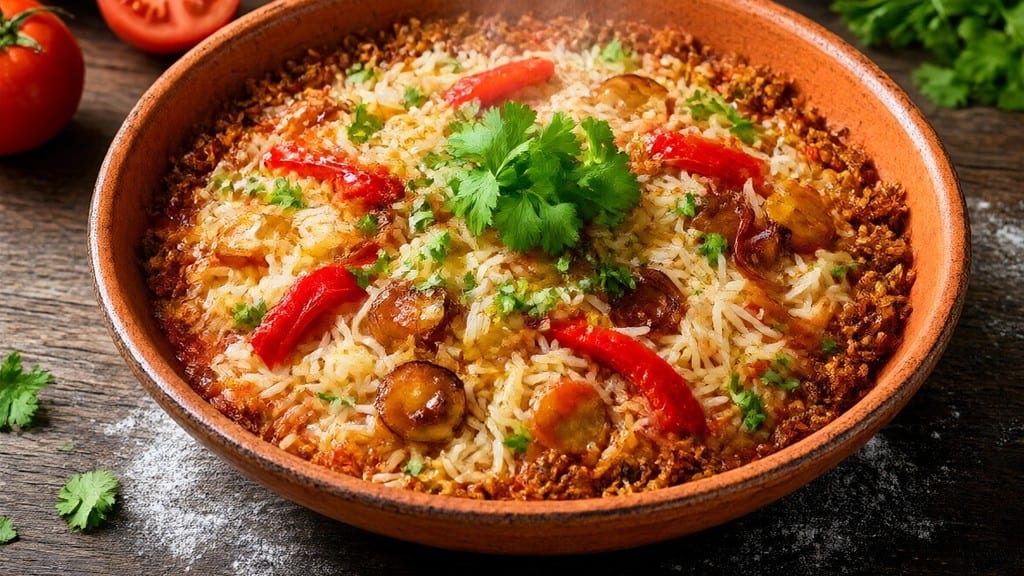
This old-fashioned Spanish rice recipe with tomato sauce transforms simple ingredients into a sofrito-infused flavor bomb that pairs perfectly with grilled meats.
The key lies in the slow-cooked tomato base and toasted rice, a technique I perfected after inheriting my grandmother’s recipe journal—her notes warned "Never rush the sauce" in bold red ink. That lesson changed everything about how I approach this dish.
The magic happens in layers: first, the sofrito—onions, garlic, and bell peppers—sautéed until deep golden, then the tomato sauce simmering for 20 minutes to develop rich, caramelized depth.
The rice absorbs this aromatic broth while staying tender and separate, never mushy. This one-pan method delivers restaurant-quality results without the fuss of multiple dishes.
By the time you serve it, you’ll have a dish that’s fragrant, slightly smoky, and bursting with tomato sweetness—the kind of side that turns ordinary meals into celebrations.
The texture is what makes it special: crisp edges on each grain from the slow cooking, balanced by the creamy tomato broth. It’s the exact flavor profile I grew up with, now simplified for modern kitchens.
Serve it alongside grilled chicken, shrimp, or sausage for a complete Spanish-American feast. The leftovers reheat beautifully, making it perfect for meal prep or feeding a crowd. Here’s how to make it—just like my abuela taught me, but with a few modern shortcuts.
Ingredients for old fashioned spanish rice recipe with tomato sauce
Simple ingredients, layered flavors—this Spanish rice transforms pantry staples into a sofrito-infused masterpiece.
| Ingredient | Amount | Notes |
|---|---|---|
| Long-Grain White Rice 🍚 | 1 ½ cups | Uncooked, medium grain preferred |
| Yellow Onion 🧅 | 1 whole | Medium size, diced small |
| Red Bell Pepper 🌶️ | 1 whole | Medium size, diced small |
| Garlic Cloves 🧄 | 4 cloves | Fresh, minced fine |
| Canned Tomato Sauce 🍅 | 2 cups | San Marzano preferred |
| Chicken Broth 💧 | 1 ½ cups | Low-sodium preferred |
| Extra-Virgin Olive Oil 🫒 | ½ cup | For sautéing sofrito |
| Bay Leaves 🌿 | 2 whole | Fresh preferred |
| Ground Cumin 🌿 | ½ tsp | Toasted for depth |
| Smoked Paprika 🌶️ | ½ tsp | For subtle smokiness |
| Salt 🧂 | 1 ½ tsp | Diamond Crystal preferred |
| Ground Black Pepper 🌶️ | ¼ tsp | Freshly ground |
| Lemon Juice 🍋 | 1 tbsp | Freshly squeezed |
| Fresh Cilantro 🌿 | ¼ cup | Chopped for garnish |
The sofrito trio—onion, bell pepper, and garlic—is non-negotiable. Fresh bell peppers from the grocery store’s produce section (not pre-cut) have the best flavor, but frozen works in a pinch. Costco or Trader Joe's often carry the freshest garlic in bulk, and I always grab extra since it’s the base of the flavor. The tomato sauce? San Marzano cans are worth the splurge—they’re sweeter and less acidic, which balances the sofrito perfectly. If you can’t find them, any quality Italian-style sauce will do, but avoid chunky varieties for this recipe.
No fresh cilantro? Dried cilantro or parsley at half the amount works, but fresh is ideal for that bright finish. Running low on smoked paprika? Regular paprika plus a pinch of liquid smoke mimics the flavor. The cumin should be toasted—heat a dry pan for 30 seconds until fragrant, then grind it. If you’re using pre-ground, Penzeys or Spicewalla brands stay potent longer. The lemon juice is optional but adds a bright contrast—skip it if you prefer a richer, tomato-forward dish.
This rice reheats beautifully—just add a splash of broth or water to prevent drying. Keeps for 4-5 days in the fridge or 3 months frozen. I portion mine into containers with a layer of plastic wrap pressed directly on the rice surface to prevent sogginess. For meal prep, make a double batch—the extra flavor develops overnight, making leftovers even better.
Why You'll Love This Recipe
- One-Pot Magic: I swear by this recipe when I’m too tired to scrub a million dishes. Sauté the onions, bell pepper, and garlic in a deep skillet, add the rice and tomato sauce, then let it simmer—no extra pots, no stress. The rice soaks up all that rich, smoky flavor right in the pan.
- Garlic Bomb Flavor: Between us, that garlic and onion base is chef’s kiss—deep, toasty, and just sweet enough from the bell pepper. The tomato sauce ties it all together with a tangy, slightly sweet finish that makes every bite feel like a hug. (Yes, even on a Tuesday night.)
- Meal Prep MVP: This rice reheats like a dream—no mushy texture, no sad leftovers. I make a big batch on Sundays, and it’s the star of lunches, burrito bowls, or even stuffed peppers all week. Honestly, it’s the only side dish I don’t dread making ahead.
- Pantry Staple Power: You’re using ingredients you already own: rice, a can of sauce, and veggies that last forever. No fancy swaps, no last-minute grocery runs. It’s the kind of recipe that saves money and time—because who has extra cash for takeout when this tastes just as good?
Step-by-step instructions for old fashioned Spanish rice with tomato sauce
This one-pan method builds layers of flavor through careful sautéing and simmering.
Sauté the Sofrito Base
Heat the 0.5 cup extra-virgin olive oil in a large, heavy-bottomed skillet over medium-high heat. Add the 1 whole diced yellow onion and 1 whole diced red bell pepper, cooking for 5-6 minutes until softened and beginning to caramelize—this is where the foundational flavors develop. Stir occasionally to prevent burning.
Add the 4 cloves minced garlic cloves and continue cooking for 30 seconds until fragrant. Here's the thing—don't let the garlic burn. It should smell sweet and nutty, not bitter. Immediately add the 0.5 teaspoon ground cumin, 0.5 teaspoon smoked paprika, 1.5 teaspoons salt, and 0.25 teaspoon ground black pepper, stirring to coat the vegetables completely. These spices will infuse into the sofrito, creating that authentic Spanish depth.
Incorporate Tomato Sauce and Broth
Pour in the 2 cups canned tomato sauce, scraping up any browned bits from the bottom of the pan. This step is crucial—those bits are packed with flavor that would otherwise be lost. Stir well and let the mixture simmer for 3-4 minutes until the tomato sauce begins to thicken slightly and the colors meld together.
Add the 1.5 cups chicken broth and the 2 whole bay leaves, bringing everything to a gentle boil. Here's where the magic happens: the broth will help distribute the flavors evenly while preparing the rice to absorb them. Reduce heat to medium-low and let it simmer for 5 minutes, allowing the bay leaves to steep and release their aromatic oils into the sauce.
Add and Toast the Rice
Rinse the 1.5 cups long-grain white rice under cold water until the water runs clear. This removes excess starch, preventing the rice from becoming gummy. Add the rice to the skillet and stir gently to combine with the tomato-broth mixture. The rice should be fully coated—this ensures even cooking and maximum flavor absorption.
Increase heat to medium-high and bring the mixture to a boil. Once boiling, reduce heat to low and cover the skillet tightly with a lid. Let the rice simmer undisturbed for 15 minutes. This initial toasting step is essential—it develops the nutty, toasted flavor that defines authentic Spanish rice.
Simmer to Perfect Texture
After 15 minutes, carefully remove the lid and stir the rice gently to break up any clumps. Return the lid and continue simmering on low heat for another 20-25 minutes. The rice should be tender and the liquid mostly absorbed by this point. If there's still liquid remaining, cover and cook for an additional 5 minutes—the residual heat will finish cooking the rice.
Here's the trick: don't lift the lid during this time unless absolutely necessary. Every time you peek, you release steam and potentially dry out the rice. You'll know it's done when the rice is tender with a slight bite, and the grains are distinct but cling together slightly.
Finish and Garnish
Remove the skillet from heat and let it sit covered for 5 minutes. This resting period allows the rice to finish steaming and the flavors to meld completely. Stir in the 1 tablespoon lemon juice and 0.25 cup chopped fresh cilantro, brightening the dish with a touch of acidity and freshness.
Give it one final taste and adjust seasoning if needed—perhaps a pinch more salt or a crack of black pepper. Serve immediately, garnished with additional cilantro if desired. The rice should be fragrant with notes of tomato, garlic, and a subtle smokiness from the paprika, with each grain perfectly tender and infused with the rich, savory broth.
Pro Tips For Making Old Fashioned Spanish Rice Recipe With Tomato Sauce
- SOFFRITO FIRST: Start by cooking your onions, bell pepper, and garlic in oil until the onions are translucent and the peppers soften—about 8-10 minutes. This slow cook builds flavor without burning, which is the foundation of that deep, savory taste in Spanish rice. (Yes, it feels like forever, but skipping this step means your rice will taste flat.)
- SWEAT DON’T BURN: Lower the heat once the garlic hits the pan—it’s a fast turn from fragrant to bitter. I learned this the hard way after my first batch tasted like a chemistry experiment. Keep the heat medium-low until the vegetables are fully softened but not browned.
- RICE TO LIQUID RATIO: Use a 1:1.5 ratio of rice to tomato sauce (not water)—this keeps the rice tender without turning it into mush. Too much liquid? Your rice will be gluey. Too little? It’ll dry out before the sauce absorbs. Trust the numbers, even if it feels counterintuitive.
- STIR LESS, STIR STRATEGICALLY: After adding the rice, stir just once to distribute the sauce evenly, then leave it alone. Over-stirring breaks the grains and releases starch too early, making the rice gummy. Let the sauce cook into the rice naturally—it’ll look messy, but that’s how you get that perfect texture. (I know, it’s tempting to check on it.)
Perfect pairings for these flavors
Protein Pairings
This Spanish rice shines alongside grilled chicken thighs—their smoky char complements the tomato sauce beautifully. I marinate the chicken in lime juice, cumin, and smoked paprika for 30 minutes before grilling, then serve it directly over the rice.
For a heartier meal, add chorizo or Spanish sausage—the fat renders into the rice, deepening its flavor. 🍗
Shrimp lovers can’t go wrong with garlic butter shrimp—sauté 12-16 large shrimp in 2 tablespoons butter with 2 minced garlic cloves and a pinch of smoked paprika for 2-3 minutes per side.
The shrimp’s sweetness contrasts perfectly with the tomato’s acidity. For a vegetarian option, try roasted bell peppers and zucchini—they soak up the rice’s sauce like a sponge.
Vegetable Sides
A simple charred corn salad cuts through the richness—toss 2 cups corn kernels (fresh or frozen) with 1 tablespoon lime juice, 2 tablespoons chopped cilantro, and a pinch of salt. The smoky, sweet corn balances the tomato’s tang.
For a crunchier bite, serve with avocado slices drizzled with lime crema—mix ¼ cup sour cream with 1 tablespoon lime juice and a pinch of salt.
Beverage Pairings
An iced Mexican lager like Modelo Especial or Pacifico cleanses your palate between bites. The crisp, slightly malty flavor contrasts the dish’s richness without overpowering it. For wine lovers, a Spanish Albariño from Rías Baixas offers bright acidity and citrus notes that echo the lemon finish.
Avoid heavy reds—they’ll clash with the tomato’s brightness. 🍺
Garnish Upgrades
Fresh lime wedges on the table let guests squeeze a little brightness into their bowls. For extra flair, sprinkle toasted pepitas (pumpkin seeds)—toss 2 tablespoons in a dry pan over medium heat for 2 minutes until fragrant.
A drizzle of avocado oil adds a silky finish, while crumbled queso fresco brings a salty tang. My abuela always added a pinch of crushed red pepper flakes—just ¼ teaspoon—for a subtle kick. 🌶️
Nutrition facts
Frequently asked questions
Can I use brown rice instead of white rice for this recipe?
While you can technically use brown rice, it won't yield the same texture. Brown rice requires 15-20% more liquid and a longer cooking time (45-50 minutes total), which can make the grains too firm and dry. This recipe relies on the rice's ability to absorb the tomato sauce while staying tender—white rice delivers that perfect balance. If you're set on brown rice, increase the broth to 2 cups and simmer uncovered for 10 minutes after the initial 15-minute toast to prevent burning.
What can I do if my rice turns out mushy?
Mushy rice usually happens from overcooking or not rinsing the rice first. To fix it, stir in 1 tablespoon of cold olive oil or 1 teaspoon of lemon juice—this helps separate the grains. If the texture is still off, spread the rice on a baking sheet and bake at 350°F for 10 minutes to dry it out slightly. For next time, always rinse the rice until the water runs clear and follow the 15-minute toast step religiously.
Can I make this recipe in a rice cooker?
Yes, but with adjustments! Sauté the sofrito (onion, bell pepper, garlic, and spices) in a separate pan first, then transfer it to the rice cooker with the tomato sauce and broth. Add the rice and use the white rice setting. The cooker will handle the 15-minute toast automatically, but you may need to add 2-3 tablespoons of water if it absorbs too quickly. Stir in the lemon juice and cilantro at the end, just like the stovetop method.
How do I make this dish even more flavorful?
Boost the depth with these pro tips: Add 1 teaspoon of soy sauce to the tomato sauce for umami richness, or stir in ½ cup of diced roasted tomatoes (not sauce) for concentrated sweetness. For smokiness, replace ½ teaspoon of the smoked paprika with ¼ teaspoon of chipotle powder. A splash of 1 tablespoon of white wine deglazed from the pan after the sofrito adds brightness too. The key is building layers—don’t rush the 20-minute sauce simmer!
Can I prepare this ahead of time for a party?
This rice reheats beautifully. Cook it 1 day ahead and store it in an airtight container in the fridge. Reheat gently in a skillet with 2 tablespoons of broth over low heat for 5-7 minutes, stirring occasionally. For parties, double the batch—the flavor actually improves overnight as the spices meld. Garnish with fresh cilantro and lime just before serving to keep it vibrant.