
Side Dishes
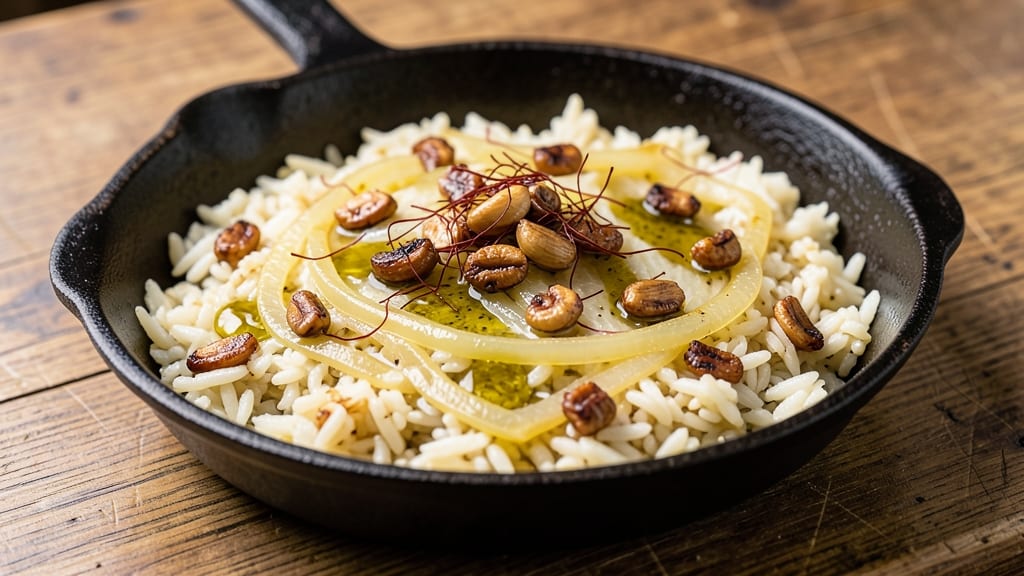
Grandma’s old-fashioned Spanish rice recipe delivers the deep, aromatic flavor that makes this dish a staple at family tables. The saffron-infused arroz transforms simple rice into a golden, fragrant side that pairs perfectly with paella or roasted meats.
My grandmother’s technique—slow-cooked with toasted garlic—creates that signature crunch and rich flavor that sets it apart.
What makes this recipe special is its balance of simplicity and tradition. You’ll start with a base of long-grain rice, toasted garlic, and saffron threads that infuse the grains with their signature golden hue and earthy aroma.
The slow simmering process ensures each kernel absorbs the flavors deeply, resulting in perfectly tender rice with a subtle crunch from the garlic. This is the kind of side dish that elevates any meal, bringing a taste of home to your table.
Ingredients for grandma's old fashioned spanish rice
Six simple ingredients transform into saffron-kissed arroz with toasted garlic crunch—just like Grandma’s.
| Ingredient | Amount | Notes |
|---|---|---|
| Long-Grain White Rice 🍚 | 2 cups | Uncooked, like Carolina or Mahatma |
| Saffron Threads 🌼 | ¼ tsp | High-quality, crushed lightly |
| Garlic Cloves 🧄 | 8 cloves | Fresh, peeled, for toasting |
| Extra-Virgin Olive Oil 🫒 | ½ cup | Light or medium for frying |
| Chicken Broth 💧 | 2 ½ cups | Low-sodium preferred |
| Yellow Onion 🧅 | 1 whole | Medium, finely diced |
| Tomato Paste 🍅 | 2 tbsp | Smooth, not chunky |
| Bay Leaves 🌿 | 2 whole | Dried, for infusing flavor |
| Ground Black Pepper 🌶️ | ½ tsp | Freshly cracked for heat |
| Salt 🧂 | 1 ½ tsp | Kosher or sea salt |
| Fresh Parsley 🌿 | ¼ cup | Chopped, for garnish |
| Fresh Lemon Juice 🍋 | 1 tbsp | Bright, freshly squeezed |
Saffron is the soul of this dish, so don’t cheap out. A single pinch from a specialty shop (like Penzeys) goes further than store-brand bottles. For garlic, Spanish or Italian varieties have more flavor—look for plump, firm cloves. The rice? Carolina or Mahatma stays firm and absorbs flavors beautifully. Toast the garlic in olive oil until golden—this adds that signature crunch Grandma insisted on. If you can’t find saffron, turmeric at half the amount gives color, but no aroma.
No saffron? Safflower threads mimic the color, though they lack the flavor. Substitute tomato paste with 1 tbsp of finely chopped sun-dried tomatoes for depth. For the broth, homemade is ideal, but even bouillon cubes work in a pinch. The parsley is purely decorative—skip it if you’re short, but the lemon juice? Fresh is non-negotiable—it brightens the dish at the end. If your olive oil smells like soap, it’s rancid—replace it. Extra-virgin is best, but light olive oil works for frying.
This rice reheats beautifully—just add a splash of broth to keep it moist. Store leftovers in an airtight container for up to 4 days in the fridge. For longer storage, freeze portions for up to 3 months. I always double the batch—half for dinner, half for lunches. The saffron flavor deepens over time, so it tastes even better the next day. Garnish with parsley right before serving, or the color fades.
Why You'll Love This Recipe
- One-Pan Magic: I swear by this recipe because it’s the only rice dish I make that doesn’t require a colander or extra bowls—just a single pan, a splash of olive oil, and 20 minutes of hands-off time. The garlic sizzles in the oil until it’s golden but not burnt, and that’s when the saffron blooms like a secret ingredient, turning the broth into liquid gold.
- Saffron Luxury: Here’s what sold me—saffron isn’t just fancy, it’s necessary. A single thread steeped in warm broth gives this rice a golden hue and an aroma that smells like a Spanish sunset. It’s the kind of flavor that makes you pause mid-bite, and honestly? It’s the only rice I’ll serve at gatherings now.
- Weeknight Workhorse: Between us, this is my go-to when I’m roasting chicken or making tacos—it’s the perfect side that doesn’t need a second thought. Double the batch, and you’ve got tomorrow’s lunch sorted. My kids even ask for it on Tuesdays, which, for a picky eater, is basically a miracle.
- Budget-Friendly Gold: Long-grain rice and chicken broth are cheap staples, but the saffron and olive oil make it feel special without breaking the bank. A single batch stretches for three meals, and the leftovers? Even better reheated the next day—crispy on the edges, tender inside, and still packed with that garlic-saffron punch.
Step-by-step instructions for Grandma's old-fashioned Spanish rice
Here's the method that delivers that signature saffron aroma and perfectly toasted garlic—just like Grandma made.
Toast the Garlic and Sauté the Onion
Heat the 0.5 cup extra-virgin olive oil in a large, heavy-bottomed skillet over medium-low heat. Add the 8 cloves garlic cloves and cook them gently, stirring frequently, until they turn a rich golden brown—about 5-7 minutes. This toasting brings out their sweet, nutty flavor and prevents bitterness.
Remove the garlic from the pan with a slotted spoon and set it aside. In the same pan, increase the heat to medium and add the 1 whole yellow onion, finely diced. Sauté for 5-6 minutes until the onions soften and begin to caramelize slightly. You'll notice the onions release moisture, which will evaporate as they cook down. This step forms the flavor base for your rice.
Bloom the Saffron and Add Tomato Paste
Reduce the heat to low and add the 0.25 tsp saffron threads, crushed lightly between your fingers. Stir gently for 30 seconds to release the saffron's vibrant color and floral aroma—this is where the rice gets its signature hue. Don't let it burn; saffron can scorch quickly at higher temperatures.
Next, stir in the 2 tbsp tomato paste and cook for 1-2 minutes until it darkens slightly and blends seamlessly with the onions. The tomato paste adds depth and helps create that classic Spanish rice color. This step ensures your rice has that rich, slightly sweet undertone that sets it apart.
Rinse and Toast the Rice
While the tomato paste cooks, rinse the 2 cups long-grain white rice under cold water in a fine-mesh strainer until the water runs clear. This removes excess starch, which prevents the rice from becoming gummy. Shake off any excess water and add the rice to the skillet.
Stir the rice continuously over medium heat for 3-4 minutes until each grain becomes translucent at the edges. You'll see the rice absorb the flavors from the garlic, onion, and tomato paste. This toasting step is crucial—it develops the rice's texture and prevents a raw taste in the final dish. The rice should look dry and separate, not clumped together.
Deglaze and Simmer with Broth
Pour in the 2.5 cups chicken broth, scraping up any browned bits from the bottom of the pan. Add the 1.5 tsp salt, 0.5 tsp ground black pepper, and 2 whole bay leaves. Bring the mixture to a gentle boil, then immediately reduce the heat to low and cover the skillet tightly with a lid.
Let the rice simmer undisturbed for 20 minutes. After this initial cooking time, stir the rice gently with a wooden spoon, making sure the liquid is evenly distributed. Return the lid and continue cooking for another 10-12 minutes, or until the rice has absorbed most of the liquid and is tender but still slightly firm to the bite. The rice should be cooked through but not mushy—you want each grain to hold its shape while still being fluffy.
Finish and Garnish
Once the rice is tender, remove the skillet from the heat and let it sit, covered, for 5 minutes. This resting period allows the rice to finish steaming and the flavors to meld. Stir in the 1 tbsp fresh lemon juice and the reserved 8 cloves toasted garlic cloves, distributing them evenly throughout the rice.
Garnish with the 0.25 cup chopped fresh parsley and serve immediately. The lemon juice brightens the dish, cutting through the richness of the saffron and garlic. The parsley adds a fresh, vibrant touch that complements the warm, aromatic flavors. This rice pairs beautifully with grilled meats, seafood, or as a standalone side dish.
Pro Tips For Making Grandma'S Old Fashioned Spanish Rice
- Toast the Garlic Right: Sauté those minced garlic cloves in olive oil until they’re golden—not just fragrant, but with a hint of color. I learned this the hard way—raw garlic can make the rice taste bitter, and burnt garlic? Disaster. Keep the heat medium-low and stir constantly; it takes about 3-4 minutes.
- Bloom the Saffron Early: Crush those saffron threads between your palms first, then steep them in a splash of warm broth for 5 minutes before adding to the pot. My grandmother swore by this, and she was right: it releases the color and flavor way better than tossing them in dry. No soaking? The rice will taste muted, like you forgot the spice entirely.
- Don’t Stir Like Crazy: Once the rice hits the broth, resist the urge to poke and prod. Stir once to distribute, then let it sit undisturbed for 2 minutes—this helps the grains absorb evenly. I used to fuss with it every 30 seconds, and the result? Mushy, uneven rice. Trust the process; the broth will do the work.
- Use Cold Broth, Not Hot: Start with broth at room temperature, not boiling. Pouring scalding liquid over raw rice causes the outer layer to seal too fast, locking in starch and leading to gummy texture. I was skeptical until I tried it—now I double-check the broth temp before adding rice. Your future self will thank you.
Essential equipment for this dish
Heavy-Bottomed Skillet
This is the most critical piece of equipment for authentic Spanish rice. I swear by a 10-inch cast-iron skillet like the Lodge Pre-Seasoned—it distributes heat evenly and retains it perfectly for the slow cooking process.
The deep sides help prevent spills when stirring, and cast iron adds a subtle iron-rich flavor that complements the saffron.
If you don’t have cast iron, a stainless steel skillet with a heavy base (like All-Clad) works too—just avoid nonstick, as it can’t handle the high heat needed for proper toasting. 🔥
Wooden Spoon
You’ll need a long-handled wooden spoon (about 12 inches) to stir the rice without scratching your skillet. I recommend olive wood or beechwood—these are heat-resistant and gentle on cookware. Avoid metal spoons, which can scratch the seasoning on cast iron or react with acidic ingredients.
The long handle gives you better control when stirring the rice, especially during the initial toasting phase where you need to keep it moving constantly. Pro tip: Soak your wooden spoon in hot, soapy water after each use to prevent warping.
Fine-Mesh Strainer
A stainless steel fine-mesh strainer (like the OXO Good Grips) is essential for rinsing the rice properly. This step removes excess starch, which prevents the rice from becoming gummy. I rinse the rice under cold water until the water runs clear—this usually takes about 30 seconds of swirling.
The strainer’s fine mesh ensures you don’t lose any rice grains down the drain. If you’re short on time, a clean kitchen towel can work in a pinch, but rinsing is the only way to guarantee starch-free rice for that perfect texture. 💫
Saffron Infuser or Mortar & Pestle
To maximize the saffron’s flavor and color, I crush the threads using a mortar and pestle or a saffron infuser (like the Saffron Chefs’ Infuser). Crushed saffron releases its vibrant pigments and floral aroma more effectively than whole threads.
If you don’t have either, wrap the threads in a small piece of cheesecloth and steep them in the warm broth for 5 minutes before adding the rice. Avoid pre-ground saffron—it loses potency quickly and often contains fillers.
Investing in Penzeys Spices saffron ensures you get the highest quality for this dish. 🌼
Lid with Ventilation
A tight-fitting lid is non-negotiable for trapping steam during the simmering phase. I use a glass or metal lid with a small vent (like the All-Clad Stainless Steel Lid) to allow excess steam to escape, preventing the rice from becoming soggy.
If your lid doesn’t have a vent, prop it open slightly with a wooden spoon handle during the last 5 minutes of cooking. Avoid plastic lids—they can melt under high heat and release harmful chemicals. A well-fitted lid ensures even cooking and that signature fluffy texture. ⚡
Kitchen Timer
Timing is everything with Spanish rice, and a kitchen timer (like the OXO Good Grips) keeps you on track. Set it for 20 minutes during the initial simmer, then another 10-12 minutes after stirring.
I also use it to remind myself to rest the rice for 5 minutes off the heat—this step is crucial for even texture. A timer prevents overcooking, which turns rice mushy.
For extra precision, I double-check the rice’s doneness by tasting a grain—it should be tender but still slightly firm. 💡
Nutrition facts
Frequently asked questions
Why does this Spanish rice recipe need saffron?
The saffron gives this dish its signature golden color and delicate floral aroma that sets it apart from other rice recipes. Just a ¼ teaspoon transforms ordinary rice into something special—it's the secret ingredient that makes this Grandma's recipe unforgettable. Without it, you'd miss that authentic Spanish flavor profile.
Can I make this Spanish rice recipe ahead of time?
This rice actually tastes better the next day as the flavors meld together. Store leftovers in an airtight container in the fridge for up to 4 days, or freeze for 3 months. Just reheat with a splash of broth or water to restore moisture—never microwave dry rice.
What's the best rice to use for this recipe?
Use long-grain white rice like Carolina or Mahatma—these varieties stay firm and separate while absorbing all the delicious flavors. Short-grain rice will turn mushy, and instant rice lacks the proper texture. Rinse the rice thoroughly before cooking to remove excess starch that makes rice gummy.
How do I prevent my Spanish rice from getting mushy?
Three key steps: rinse the rice first, toast it in the pan until translucent, and use low heat during simmering. Avoid lifting the lid too often—steam is what keeps the rice fluffy. If it gets dry, add a splash of broth instead of water. The rice should be tender but still slightly firm when done.
What's the best way to serve this Spanish rice?
This dish pairs perfectly with grilled meats like chicken or shrimp, or as a side for paella. The toasted garlic and saffron flavors complement rich proteins beautifully. For extra presentation, garnish with fresh parsley right before serving—it adds a pop of color that makes the golden rice look even more inviting.