
Main Courses
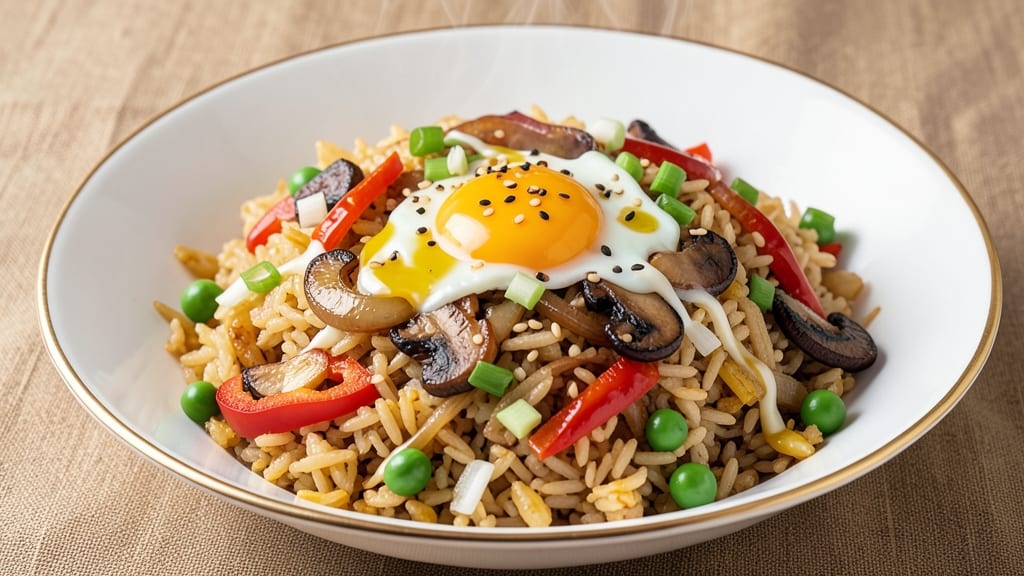
This chef fried rice recipe delivers restaurant-quality texture—crispy eggs, wok-tossed veggies, and perfectly cooked grains—all in under 30 minutes. The secret lies in high-heat stir-frying and proper rice texture, transforming day-old rice into a flavorful, satisfying dish that's foolproof for weeknight dinners.
By mastering the wok hei technique (breath of the wok), you'll achieve that signature smoky aroma and caramelized edges that elevate simple ingredients into something extraordinary.
Whether you prefer classic flavors or fusion twists, this method ensures every bite delivers the perfect balance of crispy, tender, and aromatic—just like your favorite takeout, but better.
Ingredients for chef fried rice
Mastering wok hei starts with these precise ingredients—each playing its role in texture and aroma.
| Ingredient | Amount | Notes |
|---|---|---|
| Day-Old Cooked White Rice 🍚 | 4 cups | Cold, unseasoned preferred |
| Large Eggs 🥚 | 4 whole | Freshly beaten, room temperature |
| Carrots 🥕 | 1 cup | Finely diced, small pieces |
| Green Onions 🧅 | ½ cup | White and green parts, sliced |
| Frozen Peas 🌱 | ½ cup | Thawed, no need to drain |
| Garlic Cloves 🧄 | 4 cloves | Minced, aromatic intensity |
| Soy Sauce 🍶 | 0.3 cup | Light or regular, high quality |
| Sesame Oil 🫒 | 1 tbsp | Toasted, for aroma |
| Vegetable Oil 🫒 | 2 tbsp | High smoke point preferred |
| Salt 🧂 | 1 tsp | Diamond Crystal preferred |
| Black Pepper 🌶️ | ½ tsp | Freshly cracked |
| White Pepper 🌶️ | ¼ tsp | For subtle depth |
| Dried Shiitake Mushrooms 🍄 | ¼ oz | Rehydrated, sliced |
The rice is non-negotiable—day-old, cold grains create that signature crispy exterior. Day-old jasmine or basmati works best, but any white rice will do. For the eggs, room temperature is crucial—they should sizzle immediately upon hitting the wok. Freshly cracked black and white pepper adds depth without overpowering. If you're using Trader Joe's frozen peas, they're already pre-portioned and thaw quickly. The shiitake mushrooms? Rehydrate them in hot water for 10 minutes—they'll add an umami punch that transforms this into restaurant-quality.
No soy sauce? Coconut aminos or tamari work in a pinch, though the flavor profile shifts slightly. Short on sesame oil? Toast the seeds separately and add them at the end for aroma. The vegetable oil matters—avocado or grapeseed oil handles high heat better than olive oil. For the carrots, julienne or fine dice ensures even cooking, but don't overcrowd the wok. If you're missing shiitake mushrooms, cremini mushrooms work too, though they lack the earthy depth. The garlic should be minced to 1/8-inch pieces—any larger and it burns before releasing its flavor.
Prep all ingredients before starting—this isn't a recipe for multitasking. The rice can sit at room temperature for up to 2 hours before cooking, but no longer. Store leftovers in airtight containers for 3-4 days—they reheat beautifully in a wok or skillet. For freezing, portion into single-serving containers and thaw overnight in the fridge. The sesame oil and soy sauce should be stored in cool, dark places—heat and light degrade their quality. If you make this twice in one week, you'll have a new go-to for weeknight dinners.
Why You'll Love This Recipe
- One-Pan Magic: I swear by this recipe—no messy bowls, no extra pots. Just toss everything (rice, eggs, veggies) into one hot pan, and let the wok’s sizzle do the work. The eggs scramble right into the rice, and those frozen peas? They thaw faster than you can say "soy sauce."
- Crispy-Creamy Texture: That first bite—where the edges of the rice are toasty and the egg is still velvety? It’s the little things: high heat for the rice, a quick scramble for the eggs, and a splash of sesame oil at the end. Honestly, it’s the kind of texture that makes you close your eyes and sigh.
- Leftovers That Don’t Suck: I make this for dinner, and it’s still just as good the next day—if there’s any left. Cold fried rice? Yes, please. The flavors meld even better, and it’s perfect for lunchboxes or a lazy Sunday. (My kids actually eat their veggies this way. Don’t tell them I’m bragging.)
- Budget-Friendly Flex: You’re using day-old rice, frozen peas, and whatever veggies are on sale. Eggs are cheap, and the seasoning (soy, garlic, ginger) won’t break the bank. It’s the kind of meal that stretches a grocery budget without sacrificing taste—or my sanity on payday.
Step-by-step instructions for wok-tossed crispy egg and veggie fried rice
Master this technique and you'll achieve the perfect balance of crispy eggs, tender vegetables, and aromatic rice every time.
Prepare the Shiitake Mushrooms and Preheat the Wok
Begin by rehydrating the 0.25 oz dried shiitake mushrooms in warm water for 10 minutes. Drain well and slice them into thin strips - they'll add an earthy depth that elevates this classic dish. While they soak, heat a wok or large skillet over high heat until it's smoking slightly. Add 2 tablespoons vegetable oil and swirl to coat the surface evenly. The oil should shimmer but not smoke excessively - this is your signal that the wok is ready for the eggs.
I always preheat the wok first because cold oil will absorb into the food instead of creating that signature wok hei (breath of the wok) flavor. The high heat also ensures those eggs will be crispy around the edges while remaining perfectly set inside. Keep the heat at this level throughout the entire cooking process - never let it drop below medium-high.
Cook the Eggs to Crispy Perfection
Push the oil to one side of the wok and pour in the 4 whole room temperature eggs. Let them sit undisturbed for 5 seconds before gently pushing them with a spatula, creating soft curds. Cook for 30-45 seconds until the edges are deep golden brown and the centers are just set. This is where the crispy texture comes from - don't rush this step or you'll end up with rubbery eggs.
As soon as the eggs are ready, remove them from the wok and set aside on a plate. This prevents them from overcooking while you finish the vegetables. The eggs should have a beautiful golden crust on the outside with a slightly runny yolk inside - this is the hallmark of perfect fried rice eggs. If you notice any uncooked egg, return it to the wok for another 10 seconds to finish cooking.
Stir-Fry the Vegetables and Aromatics
Add 1 tablespoon vegetable oil to the wok and increase heat to maximum. Working quickly, add the 1 cup finely diced carrots and stir-fry for 1 minute until they begin to soften. Add the 4 cloves minced garlic and 0.25 oz sliced shiitake mushrooms, cooking for another 30 seconds until fragrant. The mushrooms should release their umami essence into the wok - this is when the dish starts developing its complex flavor profile.
Add the 0.5 cup thawed frozen peas and 0.5 cup sliced green onions, tossing everything together for 1 minute. The vegetables should be vibrant and just tender-crisp - they'll finish cooking when combined with the rice. Sprinkle with 0.25 teaspoon white pepper and 0.5 teaspoon black pepper at this stage to distribute the seasoning evenly throughout the vegetables. Remove the vegetable mixture from the wok and set aside with the eggs.
Combine All Ingredients and Season
Add the remaining 1 tablespoon vegetable oil to the wok and increase heat to high. Add the 4 cups cold day-old cooked white rice, breaking up any clumps with your spatula. Cook for 2 minutes, stirring constantly, until the rice is heated through and begins to develop a slight crispiness on the edges. This is where the texture magic happens - the high heat creates those coveted crispy bits while keeping the rice tender.
Return the egg and vegetable mixture to the wok. Drizzle in the 0.3 cup soy sauce and 1 tablespoon sesame oil, tossing everything together for 1-2 minutes until the rice is evenly coated and heated through. The dish should smell intensely aromatic - like toasted sesame, umami mushrooms, and fresh green onions. Taste and adjust seasoning with the 1 teaspoon salt if needed, remembering that the soy sauce already contributes significant saltiness.
Finish and Serve Immediately
Give the fried rice one final toss to distribute all the ingredients evenly. The finished dish should have visible pieces of crispy egg, bright green peas, orange carrots, and shiitake mushrooms throughout. Transfer to serving plates immediately - fried rice tastes best when served hot straight from the wok. Garnish with additional green onions if desired, though I prefer to let the natural flavors shine without overpowering garnishes.
Each bite should deliver a perfect balance of textures - crispy eggs, tender rice, and crunchy vegetables - with layers of umami from the shiitake and soy sauce. The sesame oil adds a delicate nutty aroma that ties everything together. Serve with a side of steamed greens or a simple cucumber salad to complement the rich flavors of this wok-tossed masterpiece.
Pro Tips For Making Chef Fried Rice
- Scatter the Eggs: Crack those eggs directly into the hot wok or skillet—not pre-mixed in a bowl. The high heat will create a quick, wok-seared crust on the bottom before the eggs set, giving you those prized crispy bits that disappear if you stir too soon. I learned this the hard way after making mushy fried rice for three dinners in a row.
- Dice Carrots Small: Cut the carrots into ¼-inch cubes or smaller—anything bigger turns into rubbery chunks that won’t soften in the time you’re frying. My grandmother swore by this, and she was right: tiny pieces melt into the rice instead of sitting like chewy afterthoughts.
- Freeze Peas First: Toss the frozen peas in ice water for 30 seconds before adding them to the rice—this prevents them from steaming into mush. I was skeptical until I tried it: the peas stay bright green and hold their shape, making the dish look (and taste) more professional.
- Use Day-Old Rice: Skip the freshly cooked rice—it’s too sticky and turns into gluey paste. Day-old rice (or even better, rice cooked the night before) has dried out enough to sizzle and separate properly. Resist the urge to microwave it first; cold rice works best.
Dietary considerations for these flavors
Gluten-Free Adaptations
This fried rice recipe is naturally gluten-free if you use tamari or coconut aminos instead of soy sauce. I recommend San-J brand tamari for its rich umami flavor without gluten.
Just replace the 0.3 cup soy sauce with the same amount of tamari—it works beautifully with the crispy eggs and shiitake mushrooms. 🌱
Vegetarian Protein Boost
For a meat-free version, add 1 cup firm tofu (pressed and cubed) to the wok with the vegetables. Toss it in the hot oil for 3-4 minutes until golden before combining with the rice.
The tofu absorbs the sesame oil and soy sauce perfectly, adding a satisfying texture. For extra protein, stir in ½ cup edamame with the peas.
Low-Carb Swaps
To reduce carbs, replace half the rice with cauliflower rice—about 2 cups—cooked until tender. The cauliflower absorbs flavors well and adds a pleasant crunch. For the eggs, use egg whites only—4 large whites—to cut saturated fat while keeping the crispy texture.
The dish stays flavorful but lighter, perfect for keto-friendly meals.
Dairy-Free Considerations
This recipe is already dairy-free, but if you're adding extras like cheese, opt for nutritional yeast—1 tablespoon—for a cheesy flavor without dairy. It blends seamlessly with the soy sauce and sesame oil.
For garnishes, skip butter-based options and stick to fresh herbs or extra sesame seeds. The dish remains rich and satisfying without any dairy components.
Allergen-Friendly Tips
For nut allergies, avoid sesame oil and replace it with avocado oil—1 tablespoon—which works just as well for high-heat cooking. If you're sensitive to sulfites, check your soy sauce for additives—organic soy sauce—like Primal Kitchen—is typically sulfite-free.
Always double-check ingredient labels, especially for pre-packaged items like frozen peas.
Meal Prep Adjustments
When prepping for dietary needs, portion fried rice into airtight containers—glass with silicone lids works best—and store in the fridge for up to 4 days. Reheat in a wok or skillet over medium-high heat—2-3 minutes—to restore crispiness.
For freezer storage, add 1 teaspoon cornstarch—mixed with 1 tablespoon water**—to the rice before freezing to prevent mushiness. Thaw overnight in the fridge before reheating. ✨
Nutrition facts
Frequently asked questions
Why does my fried rice turn out mushy?
The key is using cold day-old rice—freshly cooked rice releases too much moisture. Also, avoid overcrowding the wok; cook in batches if needed. Stir-fry over high heat for 2-3 minutes max to develop crispy edges without steaming the rice. The rice should sizzle when it hits the wok—this creates those coveted crispy bits!
Can I make fried rice without a wok?
A large nonstick skillet or cast-iron pan works perfectly. The secret is maintaining high heat and stirring constantly. If your pan isn't wide enough, cook the rice in batches. A carbon steel wok substitute (seasoned properly) also works well—just preheat it thoroughly to achieve that signature wok hei flavor.
What's the best way to reheat leftover fried rice?
Reheat in a wok or skillet over medium-high heat for 2-3 minutes, stirring constantly. Add 1 teaspoon oil to prevent sticking. For extra crispiness, spread the rice in a single layer and let it sizzle for 30 seconds before tossing. Microwaving works in a pinch, but you'll lose that essential texture—it's best for quick reheats when you're short on time.
How do I make my fried rice extra crispy?
Start with well-chilled rice (refrigerated for at least 4 hours) and use a high-heat wok. Cook the rice in a single layer, stirring vigorously for 2-3 minutes until it develops golden-brown spots. For even more crunch, add 1 teaspoon cornstarch mixed with 1 tablespoon water to the rice before cooking—it creates a crispy coating on each grain. The eggs should also be cooked to deep golden brown for maximum texture.
What proteins work best in fried rice?
Classic options include diced chicken (cook separately first), shrimp (add with veggies), or char siu (Chinese BBQ pork). For vegetarian versions, try tofu (pressed and cubed) or tempeh (marinated in soy sauce). Always cook proteins to 165°F before adding to the rice. Pro tip: Remove proteins from the wok before adding the rice to prevent steaming.